
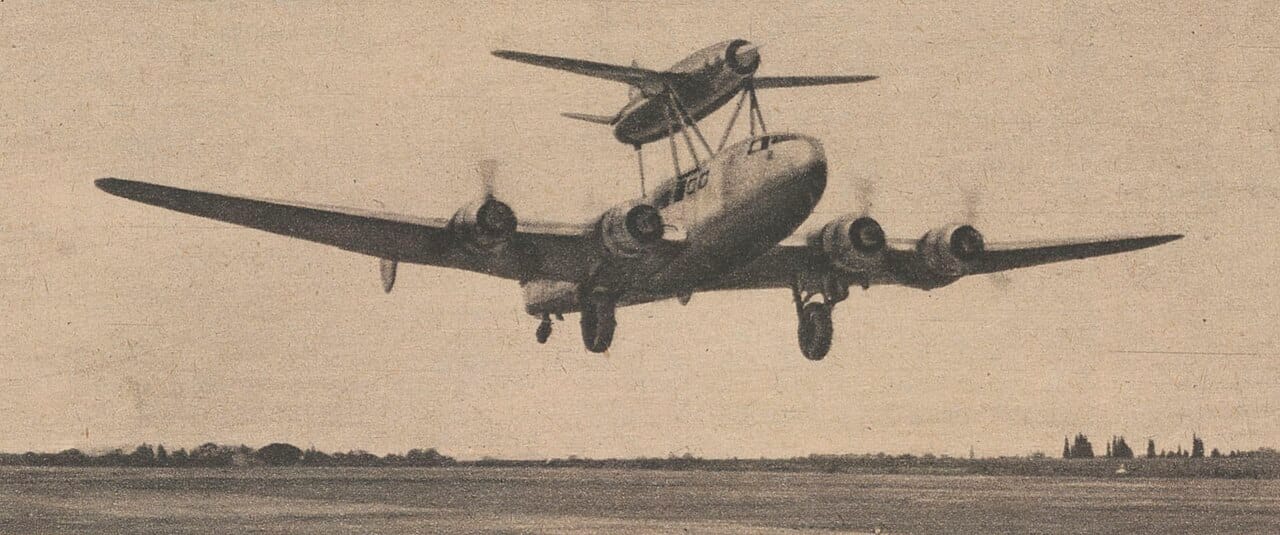
Stellen Sie sich ein Kampfflugzeug vor, das nicht abheben kann. Es kann sich auf der Startbahn nicht aus eigener Kraft bewegen, keine Geschwindigkeit aufbauen, geschweige denn vom Boden abheben. Um es fliegen zu lassen, muss man es auf das Dach eines Passagierflugzeugs schrauben, es auf Höhe bringen und abwerfen – und erst dann, wenn die Luft durch seinen hohlen Rumpf strömt, springt der Motor an.
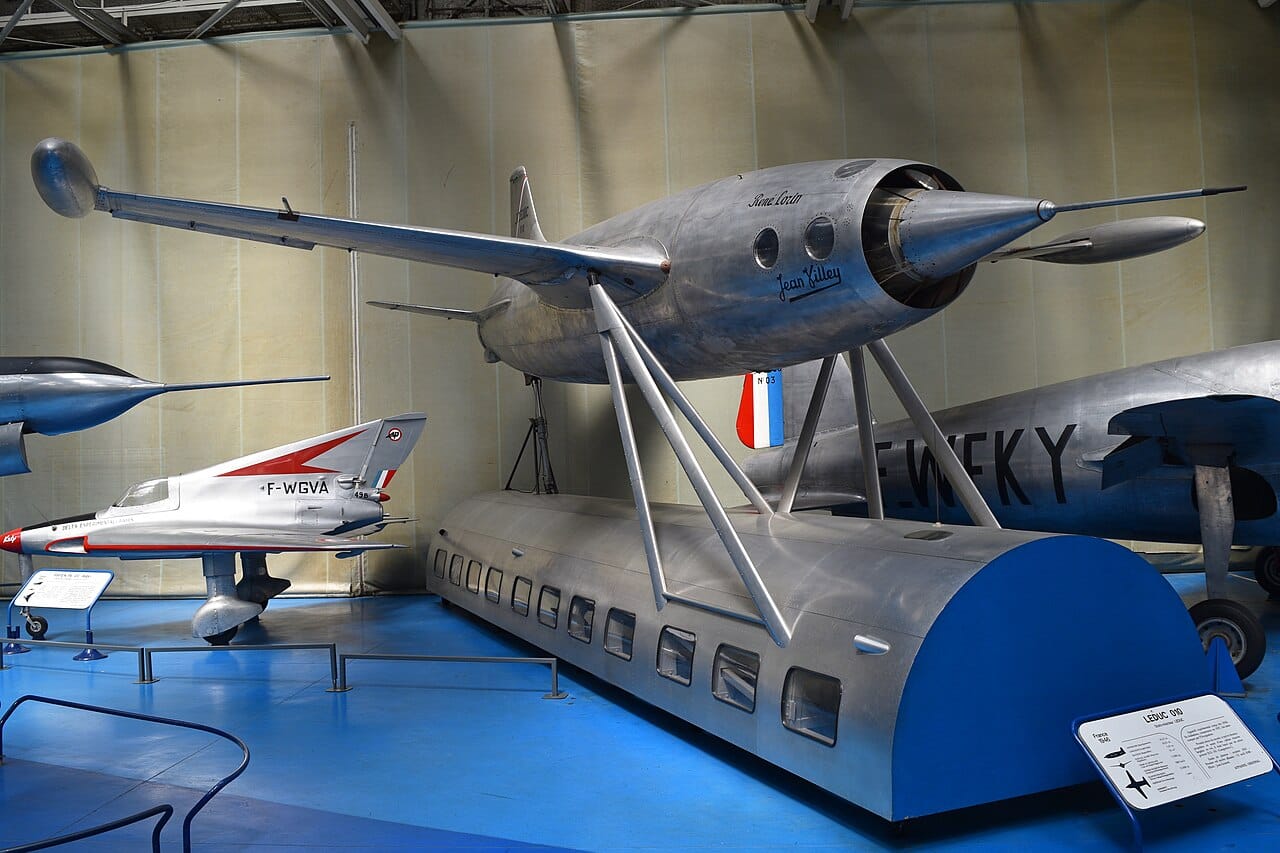
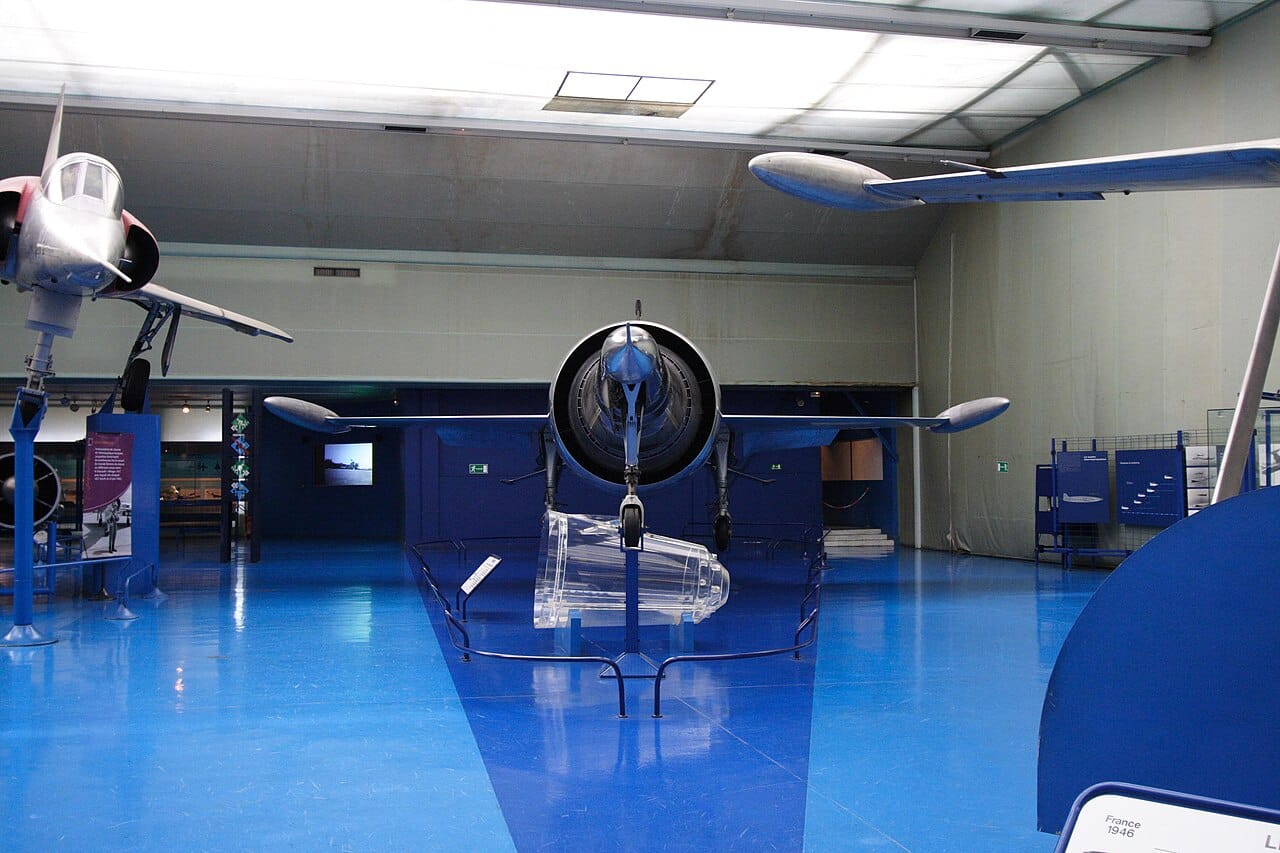
Dies war die Leduc, eine der ungewöhnlichsten Flugmaschinen, die Frankreich je gebaut hat, und eines der ersten Flugzeuge weltweit, das allein mit der Kraft eines Staustrahltriebwerks flog. Noch ungewöhnlicher war die Sitzanordnung: Der Pilot lag flach auf dem Bauch, eingeschlossen in einer gläsernen Nasenkappe mitten im Lufteinlass des Triebwerks, und starrte hinaus, während der Luftstrom an ihm vorbeirauschte und auf die Flamme zusteuerte.
Es war die Obsession eines eigensinnigen Ingenieurs, René Leduc – und für einen kurzen Moment in den 1950er Jahren sah es so aus, als wäre es die Zukunft des Fliegens.
• Flugzeug: Leduc 0.10 – eines der ersten Flugzeuge, das ausschließlich mit Staustrahltriebwerken flog.
• Designer: René Leduc; ein funktionierendes Staustrahltriebwerk, das 1936 im Breguet-Werk vorgeführt wurde.
• Das Problem: Ein Staustrahltriebwerk erzeugt im Stillstand keinen Schub, daher konnte das Flugzeug nicht abheben.
• Die Lösung: wurde auf einem Passagierflugzeug aus Sud-Est Languedoc in die Höhe getragen und in großer Höhe ausgeklinkt.
• Erster Flug mit Staustrahltriebwerk: 21. April 1949 über Toulouse (~680 km/h bei halber Leistung)
• Der Pilot: Er lag bäuchlings in einer verglasten Nasenkapsel, genau in der Mitte des Lufteinlasses.
• Endgültige Fassung: Die Leduc 0.22 mit Pfeilflügeln erreichte 1957 Mach 1,15, bevor das Projekt 1958 abgebrochen wurde.
Ein Ofenrohr mit Flügeln
Das Staustrahltriebwerk ist das einfachste Strahltriebwerk, das man sich vorstellen kann: kein Verdichter, keine Turbine, kaum bewegliche Teile. Es ist im Grunde nur ein geformtes Rohr, das durch seine eigene Vorwärtsgeschwindigkeit Luft verdichtet, wo Treibstoff hinzugefügt und verbrannt wird. Die Idee wurde bereits 1913 von dem Franzosen René Lorin patentiert – doch sie hatte einen entscheidenden Haken. Ein Staustrahltriebwerk erzeugt nur dann Schub, wenn es sich bereits mit hoher Geschwindigkeit durch die Luft bewegt. Im Stillstand auf der Startbahn bewirkt es gar nichts.
René Leduc beschäftigte sich jahrzehntelang mit diesem Paradoxon. 1933 erhielt er einen kleinen staatlichen Zuschuss, demonstrierte 1936 ein funktionierendes Staustrahltriebwerk und gewann den Auftrag, ein Flugzeug darauf aufzubauen – doch dann brach der Zweite Weltkrieg aus. Sein Prototyp wurde vor den deutschen Besatzern versteckt, bei einem Bombenangriff beinahe zerstört und flog erst Jahre nach dem Krieg.
Das Flugzeug, das abgeworfen werden musste, um fliegen zu können
Da die Leduc 0.10 nicht starten konnte, montierte Leduc sie kurzerhand auf einem Gerüst über einem viermotorigen Languedoc-Passagierflugzeug. Die zusammengesetzte Maschine sollte gemeinsam steigen; das kleine Staustrahlflugzeug wurde dann ausgeklinkt und glitt, bis es schnell genug war, um sein Triebwerk zu zünden. Am 21. April 1949 wurde über Toulouse das Staustrahltriebwerk erstmals im Flug gezündet, und die Leduc stieg und manövrierte vollständig aus eigener Kraft und erreichte bei Halbgas eine Geschwindigkeit von rund 680 km/h. Das Prinzip war auf die kühnste Art und Weise bewiesen worden.
Fliegen aus dem Inneren des Triebwerks
Weil der gesamte Rumpf War Da es sich um ein Staustrahltriebwerk handelte, gab es keinen gewöhnlichen Platz für ein Cockpit. Leducs Lösung war so kühn wie das Flugzeug selbst: Der Pilot lag bäuchlings in einer doppelwandigen Nase, abgedichtet in einer verglasten Gondel in der Mitte des Lufteinlasses, umgeben von der einströmenden Luft. Die Sicht nach vorn war nahezu gleich null, und ein Notausstieg war ein Albtraum, den niemand sich ausmalen wollte – aber es flog.
Jagd nach Mach 2
Die Experimente wurden immer ambitionierter. Die Leduc 0.21 absolvierte über 250 Flüge und erreichte fast Mach 0,95. Dann folgte Leducs Meisterwerk, die 0.22: ein Abfangjäger mit Pfeilflügeln, der das Startproblem endlich löste, indem er ein SNECMA-Atar-Turbojet-Triebwerk für die Startbahn einbaute und den Staustrahltriebwerk für hohe Geschwindigkeiten beibehielt. Eine abwerfbare Nase bot dem Piloten endlich eine Rettungskapsel. Im Dezember 1957 erreichte sie Mach 1,15 und flog über 140 Mal – bis sie beim Rollen durch ein Feuer zerstört wurde.
Das zukünftige Frankreich wandte sich ab von
Die Leduc scheiterte nicht aufgrund ihrer technischen Fähigkeiten. Frankreich investierte Unsummen in die Kriege in Indochina und Algerien, und ein weitaus konventionelleres Flugzeug war auf dem Markt: die Dassault Mirage, die mit einem herkömmlichen Nachbrenner-Turbojet Geschwindigkeiten von über Mach 2 erreichte – ganz ohne die Schwierigkeiten des Staustrahltriebwerks. Im Februar 1958 stellte die Regierung das Leduc-Programm ein, und René Leduc entwarf nie wieder ein Flugzeug. Seine fliegenden Ofenrohre landeten in Museen – ein brillantes, aber letztlich tragisches Ende eines Mannes, den die Geschichte nur allzu schnell vergessen hat.
Quellen: PlaneHistoria (Vegim Krelani); Wikipedia (Leduc 0.10; Leduc 0.21; Leduc 0.22); Musée de l'air et de l'espace. Daten und Geschwindigkeiten werden wie berichtet angegeben; die Quellen weichen in einigen Details geringfügig voneinander ab.
Verwandte Fragen
Was war der Leduc 0,10?
Die Leduc 0.10 war ein französisches Experimentalflugzeug und eines der ersten weltweit, das ausschließlich mit einem Staustrahltriebwerk flog. Da ein Staustrahltriebwerk im Stillstand keinen Schub erzeugt, konnte es nicht von selbst starten – es wurde auf einem Passagierflugzeug der Fluggesellschaft Sud-Est Languedoc mitgeführt und in großer Höhe ausgeklinkt. Der Erstflug mit Staustrahltriebwerk fand am 21. April 1949 über Toulouse statt; dabei erreichte es mit halber Leistung eine Geschwindigkeit von etwa 680 km/h.
Was ist ein Staustrahltriebwerk und wie funktioniert es?
Ein Staustrahltriebwerk ist das einfachste denkbare Strahltriebwerk: kein Verdichter, keine Turbine und kaum bewegliche Teile. Es besteht im Wesentlichen aus einem geformten Rohr, das durch seine eigene Vorwärtsgeschwindigkeit Luft hineinpresst, wo Treibstoff hinzugefügt und verbrannt wird. Die Idee wurde 1913 von dem Franzosen René Lorin patentiert, hat aber einen entscheidenden Haken: Es erzeugt erst Schub, wenn es sich bereits in schneller Bewegung befindet.
Warum konnte die Leduc nicht von selbst abheben?
Da ihr Staustrahltriebwerk erst dann Schub erzeugt, wenn sich das Flugzeug bereits schnell durch die Luft bewegt, produzierte es im Stillstand auf der Startbahn keinen Schub. Daher musste die Leduc auf einem Gerüst auf einem viermotorigen Languedoc-Passagierflugzeug befestigt, auf Höhe gebracht und abgesetzt werden – erst dann sprang ihr Triebwerk an.
Wer war René Leduc?
René Leduc war ein hartnäckiger französischer Ingenieur, der jahrzehntelang an der Entwicklung des Staustrahltriebwerks arbeitete. 1933 erhielt er einen kleinen staatlichen Zuschuss, demonstrierte 1936 ein funktionierendes Staustrahltriebwerk und gewann den Auftrag, ein Flugzeug darauf aufzubauen. Sein Prototyp wurde während des Zweiten Weltkriegs vor den deutschen Besatzern versteckt und hob erst 1949 mit Staustrahlantrieb ab.
Wo saß der Pilot in der Leduc?
Der Pilot lag flach auf dem Bauch, eingeschlossen in einer verglasten Nasenkapsel, die sich genau in der Mitte des Lufteinlasses des Triebwerks befand, während der Luftstrom an ihm vorbei in Richtung der dahinter liegenden Brennkammer strömte. Auch einige andere experimentelle Konstruktionen versuchten das Fliegen in Bauchlage, wie beispielsweise der/die/das … Northrop XP-79.
Wie schnell flog die Leduc?
Die endgültige Version, die Leduc 0.22 mit Pfeilflügeln, erreichte 1957 Mach 1,15. Das Programm wurde im folgenden Jahr, 1958, eingestellt, womit René Leducs Traum von einem reinen Staustrahltriebwerk-Jäger nach fast drei Jahrzehnten Arbeit endete.
Wurden auch von anderen Flugzeugen Staustrahltriebwerke verwendet?
Ja – insbesondere Frankreich experimentierte weiter. Nord 1500 Griffon kombinierte ein Turbojet- mit einem Staustrahltriebwerk und flog über Mach 2, während Deutschlands Kriegszeit Focke-Wulf Triebflügel Das Konzept sieht Staustrahltriebwerke an den Spitzen rotierender Flügel vor.
0 Kommentare