
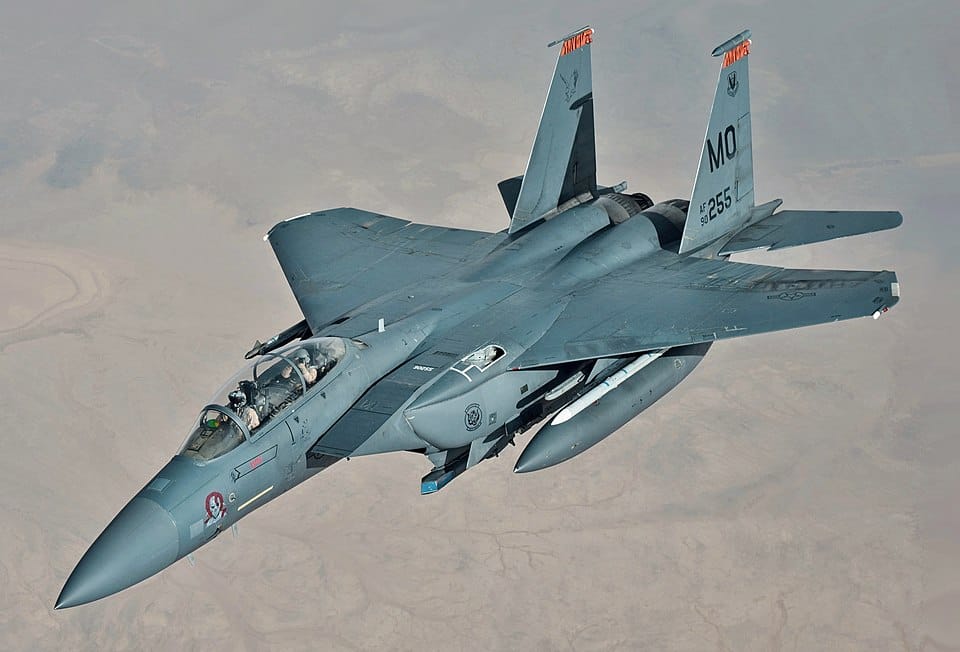
Six names. That is what the U.S. Air Force released on March 14, 2026, two days after a KC-135 Stratotanker crashed in Iraq. Maj. John Klinner. Capt. Ariana Savino. Tech. Sgt. Ashley Pruitt. Capt. Seth Koval. Capt. Curtis Angst. Tech. Sgt. Tyler Simmons. Investigators believe the aircraft collided with another KC-135. Both were flying in the same dark sky, on the same endless cycle of missions that has been keeping Operation Epic Fury in the air.
Retired Col. Troy Pananon flew KC-135s and KC-10s for over two decades. He commanded the 100th Air Refueling Wing at RAF Mildenhall. When asked to assess what Epic Fury is doing to his former community, he did not mince words.
"Parts Reminiscent of the Wright Brothers"
"There's a huge strain on the entire ecosystem," Pananon said. The KC-135 entered service in the late 1950s. The airframes flying today were built in the Kennedy era. "Parts on that aircraft," he said, "are still reminiscent of some things invented by the Wright brothers."
The 100th Air Refueling Wing — his former unit at RAF Mildenhall — operates 15 tankers on a normal day. During a surge, the airfield can support over 30. Operation Epic Fury is a surge. It has been a surge for nearly a month, with no end in sight. Every fighter flying over Iran, every B-2 on a bombing run, every surveillance aircraft orbiting the Persian Gulf needs gas. Repeatedly. Around the clock.
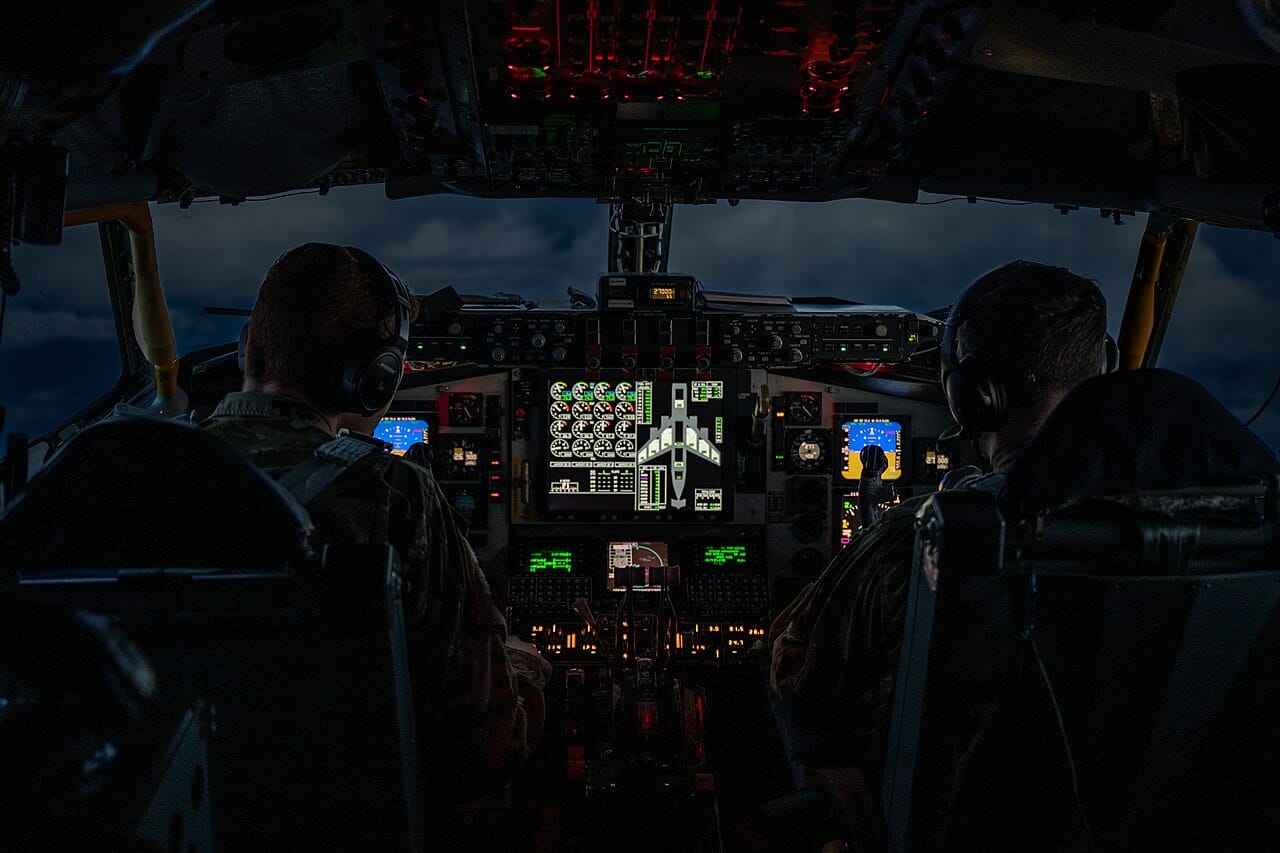
The Invisible Backbone
Nearly half of the entire U.S. tanker fleet resides in the Air Reserve Component — reservists and part-time airmen called up and sustained on missions that stretch their training and their families. Without the tankers, the campaign stops. Every airstrike, every intercept, every intelligence flight depends on them.
Yet the tanker force rarely makes headlines. Its airmen don't fire missiles or drop bombs. They orbit. They extend hoses. They transfer fuel. They do it again. And then again at 2am. And at dawn. For weeks.
Ashley Pruitt was one of those airmen — a boom operator, the specialist who guides the refueling boom into a receiver aircraft from a station in the KC-135's tail. Pananon, who knew her, called her "full of energy and extremely bright." She was 29.
When the Machine Breaks Down
The March 12 crash is believed to have been a midair collision between two KC-135s operating in the same Iraqi airspace. The precise circumstances are still under investigation. But the broader context is not a mystery: two elderly aircraft, crewed by exhausted personnel, flying in a congested wartime environment with minimal margin for error.
Pananon is now a 737 first officer with United Airlines — far from the world he left in 2023. But he is watching what is happening to his community. Operation Epic Fury may be winning in the headlines, with targets destroyed and Iranian defenses degraded. The cost, carried largely by quiet crews in tanker cockpits, is being paid in a different currency entirely.
Sources: The War Zone; U.S. Air Force; Air & Space Forces Magazine
Verwandte Fragen
Was ist der KC-135 Stratotanker?
The KC-135 Stratotanker is the US Air Force's main aerial-refuelling tanker, in service since the late 1950s. Many airframes flying today were built in the early 1960s. It passes fuel in flight to fighters, bombers and surveillance aircraft, making sustained air campaigns possible. See how aerial refuelling actually works for the mechanics.
Was ist Operation Epic Fury?
Operation Epic Fury is the US air campaign against Iran that began in early 2026. It has run as a sustained surge for weeks, with fighters, B-2 bombers and surveillance aircraft flying around the clock. Every one of those missions depends on aerial tankers to keep aircraft fuelled far from base.
Why is aerial refuelling so important in modern air campaigns?
Combat aircraft burn fuel rapidly and often operate far from base, so they must be refuelled in mid-air to stay on station. Tankers are the invisible backbone of any sustained campaign — without them, strikes, intercepts and surveillance flights all stop. That is why tanker crews fly continuously during operations like Epic Fury.
How old is the US KC-135 tanker fleet?
The KC-135 entered service in the late 1950s, and many airframes still flying were built in the early 1960s — older than the crews flying them. Keeping these aircraft serviceable is a growing strain. The tanker fleet's age mirrors a wider ageing-aircraft challenge across US airpower.
How many tankers does an air-refuelling wing operate?
On a normal day, a unit such as the 100th Air Refueling Wing at RAF Mildenhall operates around 15 tankers; during a surge that can exceed 30. Roughly half of the entire US tanker fleet sits in the Air Reserve Component, so reservists and part-time airmen are heavily relied upon during extended operations.
0 Kommentare