
A Bengaluru startup has just thrown India's hat into the ring of autonomous combat aviation. Flying Wedge Defence & Aerospace (FWDA) has unveiled the FWD Supreme — an AI-piloted fighter concept designed to fly, fight, and make tactical decisions without a human at the controls. If the company delivers on its timeline, a 250-kilogram technology demonstrator will take to the skies before the end of Q3 2026.
The announcement places India alongside the United States, Turkey, and Germany in a very exclusive club: nations actively developing AI-piloted combat aircraft that go beyond remote-controlled drones to make their own decisions in contested airspace.
The Mobbing Doctrine
What sets FWD Supreme apart from other drone programs is its underlying philosophy. FWDA calls it the "Mobbing Doctrine" — a concept borrowed from animal behavior where smaller, more numerous predators overwhelm a larger adversary through coordinated swarming.
In practice, this means deploying multiple AI-piloted fighters as a coordinated swarm against higher-value enemy manned platforms. The logic is deliberately asymmetric: if each autonomous fighter costs a fraction of a manned jet, you can afford to lose four or five in an engagement while the remainder continue overwhelming enemy defenses or force enemy pilots to retreat. It's attrition warfare by design, with the machines absorbing the losses that no air force can afford to take with crewed aircraft.
Two Variants, One Goal
The program is structured in two phases. FWD Supreme Lite, the 250-kilogram technology demonstrator, will validate autonomous flight technologies — including AI-driven navigation, threat identification, and cooperative behavior with other unmanned platforms. It's designed for speeds up to Mach 0.9 and an operational radius of 700 to 1,000 kilometers.
The end goal is FWD Supreme Heavy, a one-tonne-class autonomous combat aircraft capable of intelligence, surveillance and reconnaissance, precision strike, and collaborative combat missions in contested environments. Unlike remotely piloted systems that rely on constant data links to ground operators — links that can be jammed or disrupted — FWD Supreme is being designed to operate with minimal human intervention once launched.
Serious People Behind the Concept
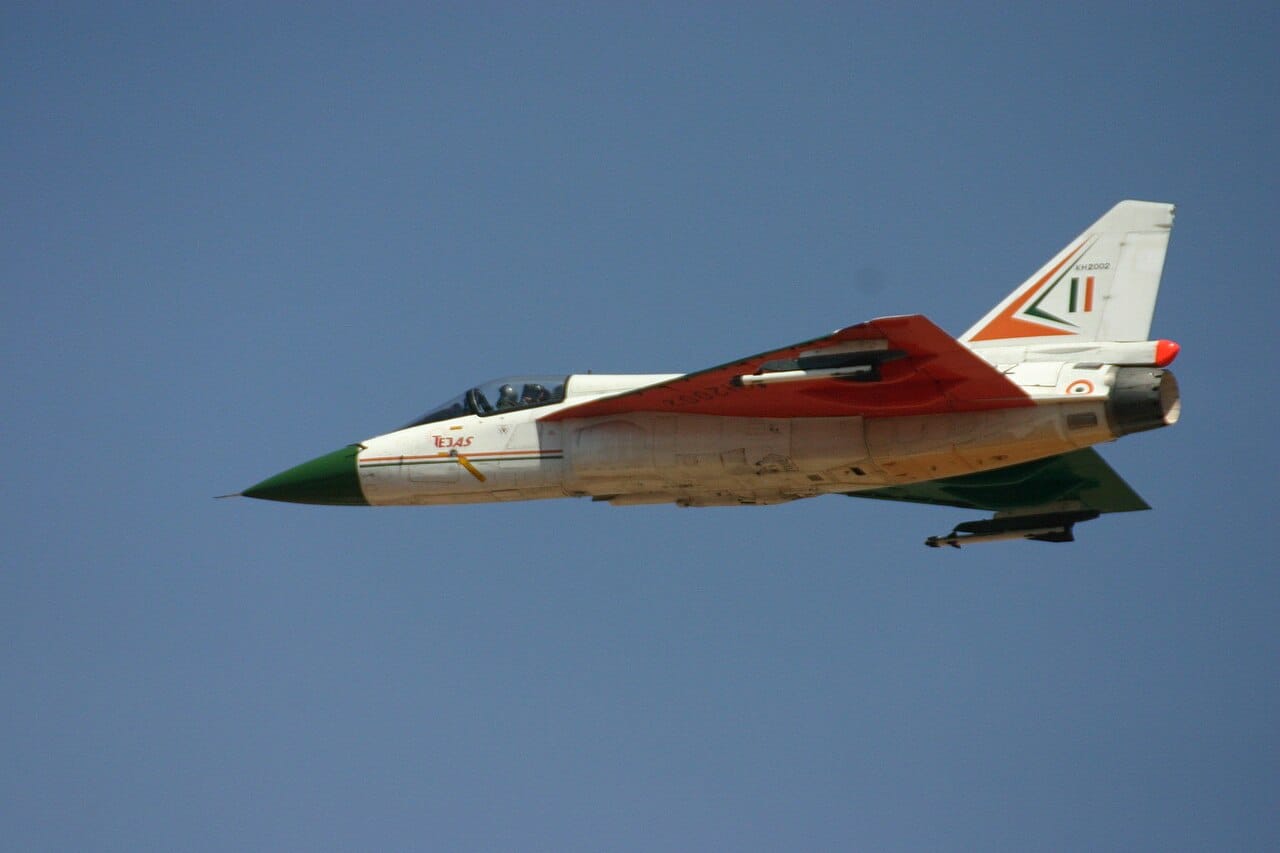
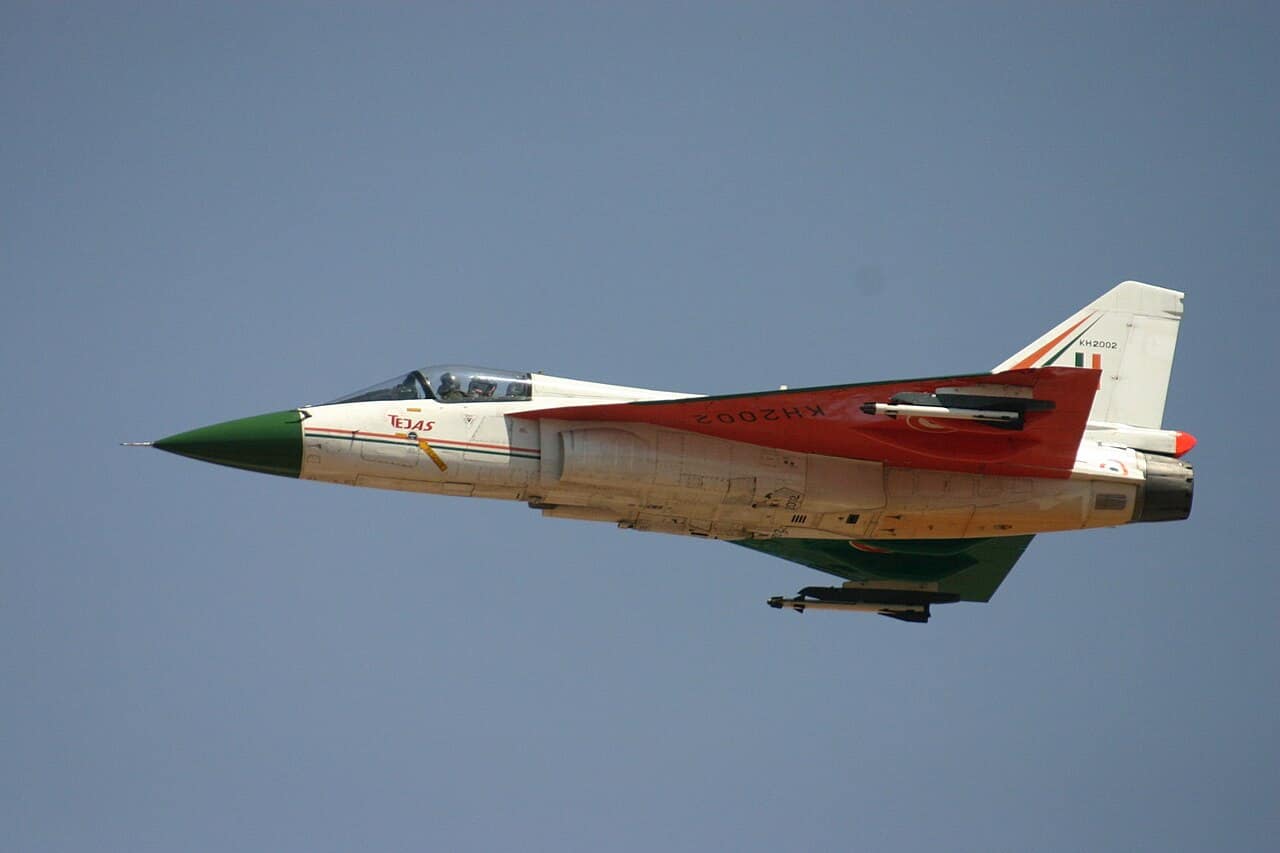
FWDA isn't a garage startup with a PowerPoint deck. The team is led by Girish Dixit, former Secretary of the Aeronautical Development Agency (ADA) — the organization that developed the HAL Tejas. V. Subba Rao, a former Project Director for the Light Combat Aircraft program, joins alongside specialists in propulsion, avionics, and structural design. This is institutional knowledge from India's most important indigenous fighter program being redirected into autonomous combat aviation.
The Global CCA Race
India's entry into the Collaborative Combat Aircraft (CCA) race is well-timed. The United States is furthest ahead, with the Air Force's CCA program and the Kratos XQ-58A Valkyrie already selected for the Marine Corps' loyal wingman program. Boeing's MQ-28 Ghost Bat is flying in Australia. Turkey's Baykar is developing the Kızılelma unmanned fighter. Germany has contracted Airbus to integrate the XQ-58A Valkyrie into the Luftwaffe. And India's own HAL has been working on the Combat Air Teaming System (CATS), which includes the autonomous ALFA-S swarming munition concept.
FWD Supreme represents a parallel private-sector push that could complement or compete with HAL's efforts. If the Lite demonstrator flies this quarter as planned, India will have demonstrated autonomous AI-piloted flight capability in a remarkably short development cycle — and the Mobbing Doctrine will move from whiteboard concept to testable reality.



0 Comentarios