
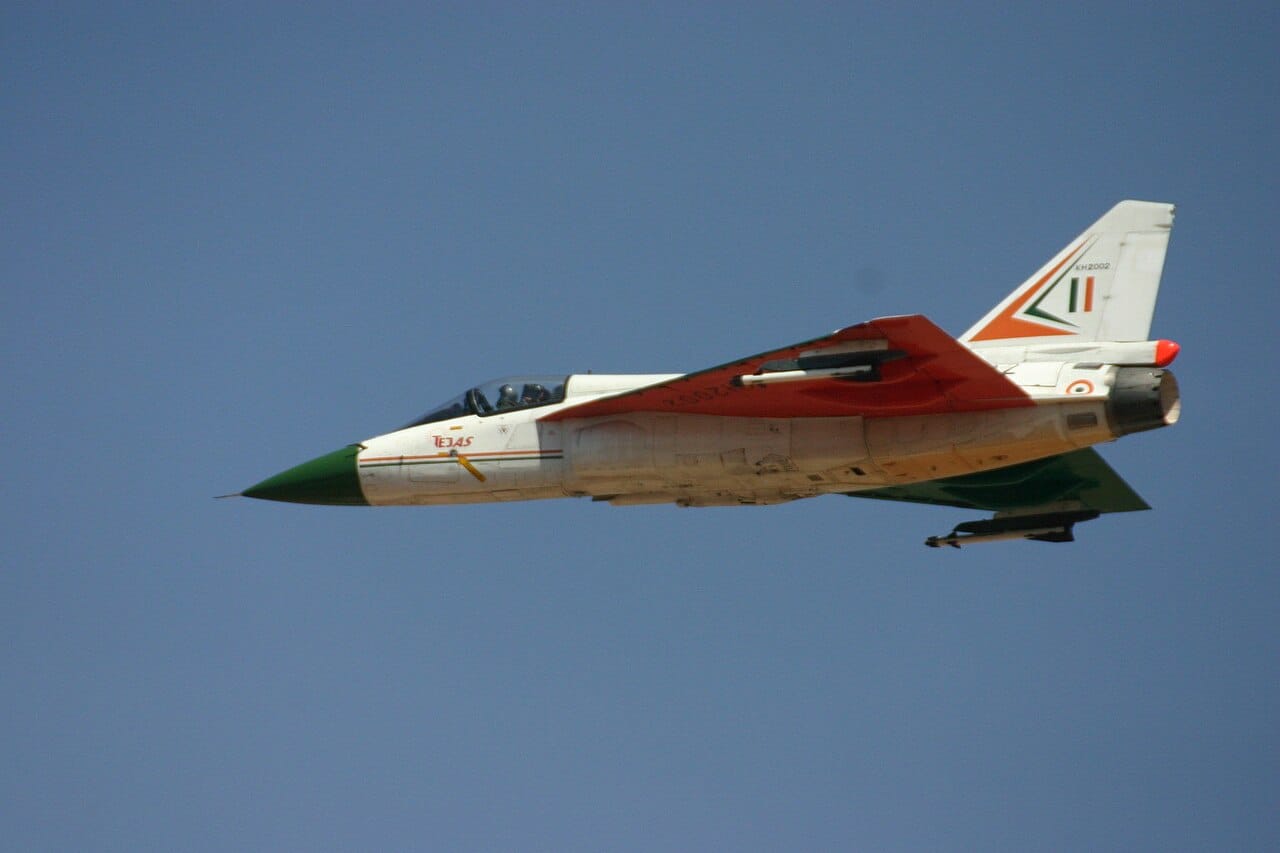
Una startup de Bengaluru acaba de lanzar la candidatura de la India al sector de la aviación de combate autónoma. Flying Wedge Defence & Aerospace (FWDA) ha presentado el FWD Supreme, un prototipo de caza pilotado por IA diseñado para volar, combatir y tomar decisiones tácticas sin piloto humano. Si la empresa cumple con su cronograma, un prototipo de 250 kilogramos surcará los cielos antes de que finalice el tercer trimestre de 2026.
Este anuncio sitúa a la India junto a Estados Unidos, Turquía y Alemania en un club muy exclusivo: naciones que desarrollan activamente aviones de combate pilotados por inteligencia artificial que van más allá de los drones teledirigidos y que pueden tomar sus propias decisiones en el espacio aéreo en disputa.
La doctrina del acoso laboral
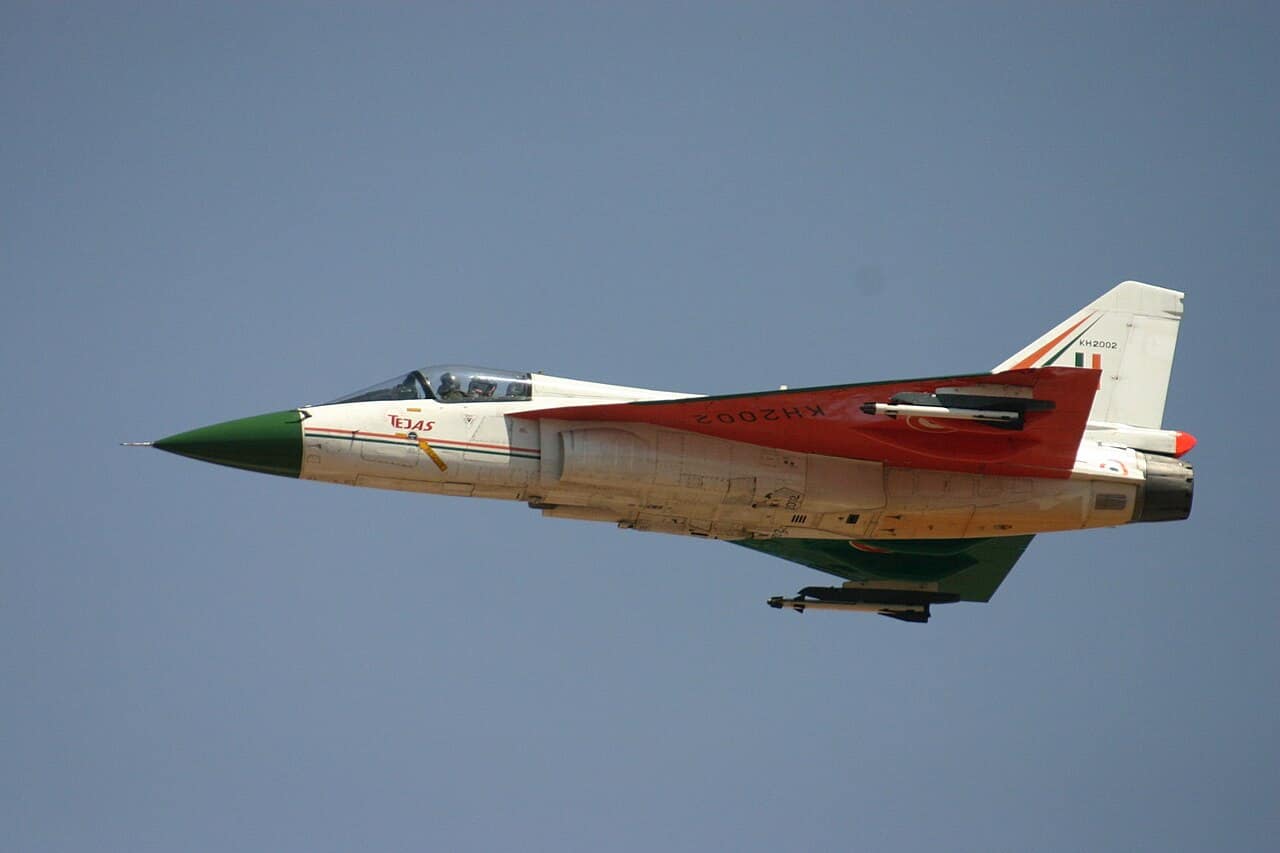
Lo que distingue a FWD Supreme de otros programas de drones es su filosofía subyacente. FWDA la denomina la "Doctrina del Ataque en Grupo", un concepto tomado del comportamiento animal en el que los depredadores más pequeños y numerosos abruman a un adversario más grande mediante un ataque coordinado en enjambre.
En la práctica, esto significa desplegar múltiples cazas pilotados por IA como un enjambre coordinado contra plataformas tripuladas enemigas de mayor valor. La lógica es deliberadamente asimétrica: si cada caza autónomo cuesta una fracción de un avión tripulado, uno puede permitirse perder cuatro o cinco en un combate mientras los restantes continúan abrumando las defensas enemigas o forzando a los pilotos enemigos a retirarse. Es una guerra de desgaste por diseño, donde las máquinas absorben las pérdidas que ninguna fuerza aérea puede permitirse con aeronaves tripuladas.
Dos variantes, un objetivo.
El programa se estructura en dos fases. El FWD Supreme Lite, el demostrador tecnológico de 250 kilogramos, validará las tecnologías de vuelo autónomo, incluyendo la navegación asistida por IA, la identificación de amenazas y el comportamiento cooperativo con otras plataformas no tripuladas. Está diseñado para alcanzar velocidades de hasta Mach 0,9 y un radio operativo de entre 700 y 1000 kilómetros.
El objetivo final es el FWD Supreme Heavy, un avión de combate autónomo de una tonelada capaz de realizar misiones de inteligencia, vigilancia y reconocimiento, ataques de precisión y combate colaborativo en entornos conflictivos. A diferencia de los sistemas pilotados a distancia que dependen de enlaces de datos constantes con operadores terrestres —enlaces que pueden ser interferidos o interrumpidos—, el FWD Supreme está diseñado para operar con una mínima intervención humana una vez lanzado.
Personas serias detrás del concepto
FWDA no es una startup improvisada con una presentación de PowerPoint. El equipo está liderado por Girish Dixit, exsecretario de la Agencia de Desarrollo Aeronáutico (ADA), la organización que desarrolló el HAL Tejas. V. Subba Rao, exdirector de proyecto del programa de Aviones de Combate Ligeros, se une al equipo junto con especialistas en propulsión, aviónica y diseño estructural. Se trata de un conocimiento institucional del programa de cazas autóctonos más importante de la India, que se está redirigiendo hacia la aviación de combate autónoma.
La carrera global de CCA
La entrada de la India en la carrera por el avión de combate colaborativo (CCA) llega en un momento oportuno. Estados Unidos lleva la delantera, con el programa CCA de la Fuerza Aérea y el Kratos XQ-58A Valkyrie ya seleccionados para el programa de apoyo aéreo del Cuerpo de Marines. El MQ-28 Ghost Bat de Boeing está volando en Australia. La empresa turca Baykar está desarrollando el caza no tripulado Kızılelma. En Alemania, Airbus se ha asociado con Kratos para integrar el XQ-58A Valkyrie con un sistema de misión europeo para la Luftwaffe, con el objetivo de que entre en servicio operativo en 2029. Y la propia HAL de la India ha estado trabajando en el Sistema de Equipos Aéreos de Combate (CATS), que incluye el concepto de munición de enjambre autónoma ALFA-S.
FWD Supreme representa una iniciativa paralela del sector privado que podría complementar o competir con los esfuerzos de HAL. Si el demostrador Lite vuela este trimestre según lo previsto, India habrá demostrado la capacidad de vuelo autónomo pilotado por IA en un ciclo de desarrollo extraordinariamente corto, y la Doctrina del Mobbing pasará de ser un concepto teórico a una realidad comprobable.
Preguntas relacionadas
¿Qué es el FWD Supreme?
El FWD Supreme es un prototipo de caza pilotado por IA desarrollado por Flying Wedge Defence & Aerospace, una empresa emergente de Bengaluru. Está diseñado para volar, combatir y tomar decisiones tácticas sin intervención humana, superando así a los drones pilotados a distancia.
¿Quién está desarrollando el caza pilotado por inteligencia artificial de la India?
Flying Wedge Defence & Aerospace (FWDA), una empresa emergente con sede en Bengaluru, India, está desarrollando el FWD Supreme. El proyecto sitúa a India junto a Estados Unidos, Turquía y Alemania entre las naciones que persiguen aeronaves de combate autónomas.
¿Cuándo volará el FWD Supreme?
La compañía tiene como objetivo realizar el vuelo de un demostrador tecnológico de 250 kilogramos, el FWD Supreme Lite, antes de que finalice el tercer trimestre de 2026, para validar las tecnologías de vuelo autónomo, navegación e identificación de amenazas.
¿Cuáles son las dos variantes del FWD Supreme?
El FWD Supreme Lite es un prototipo de 250 kg diseñado para alcanzar velocidades de hasta Mach 0,9 y un radio de acción de entre 700 y 1000 km. El FWD Supreme Heavy es el avión de combate previsto, de una tonelada de peso, para misiones de ataque y reconocimiento en espacio aéreo disputado.
¿En qué se diferencia un caza pilotado por IA de un dron?
A diferencia de los drones pilotados a distancia que dependen de enlaces de datos constantes con operadores terrestres (enlaces que pueden ser interferidos), una aeronave pilotada por IA toma sus propias decisiones a bordo. También puede actuar como un compañero de ala leal, como se ve cuando El MQ-28 se asoció con un F-15EX..
¿Cuál es el principal combatiente autóctono de la India?
El principal caza de fabricación nacional de la India es el HAL Tejas, un avión ligero multipropósito. Una versión mejorada Tejas Mk2 Se encuentra en desarrollo, complementando el nuevo impulso de la India hacia los aviones de combate autónomos como el FWD Supreme.

0 Comentarios