
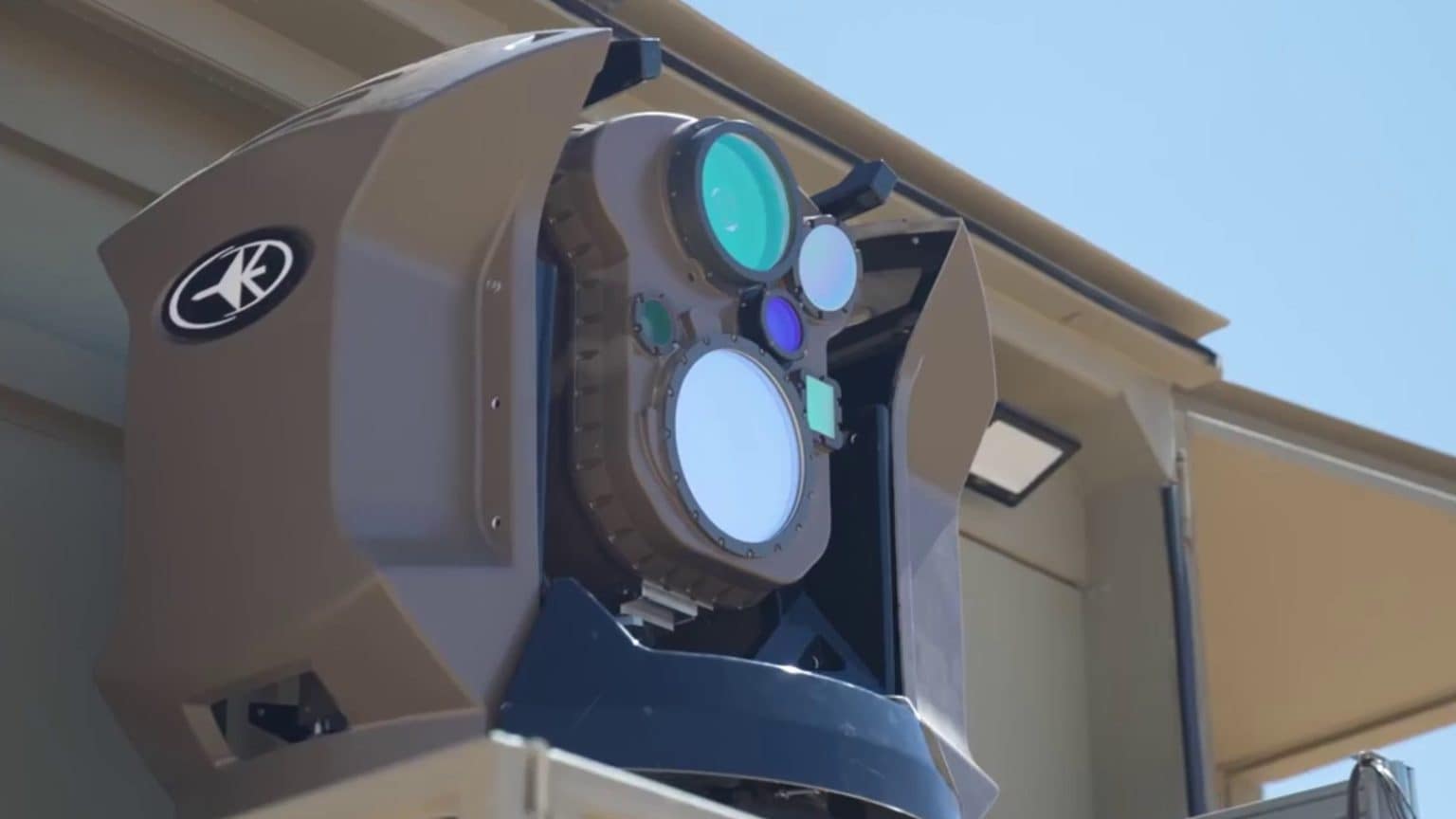
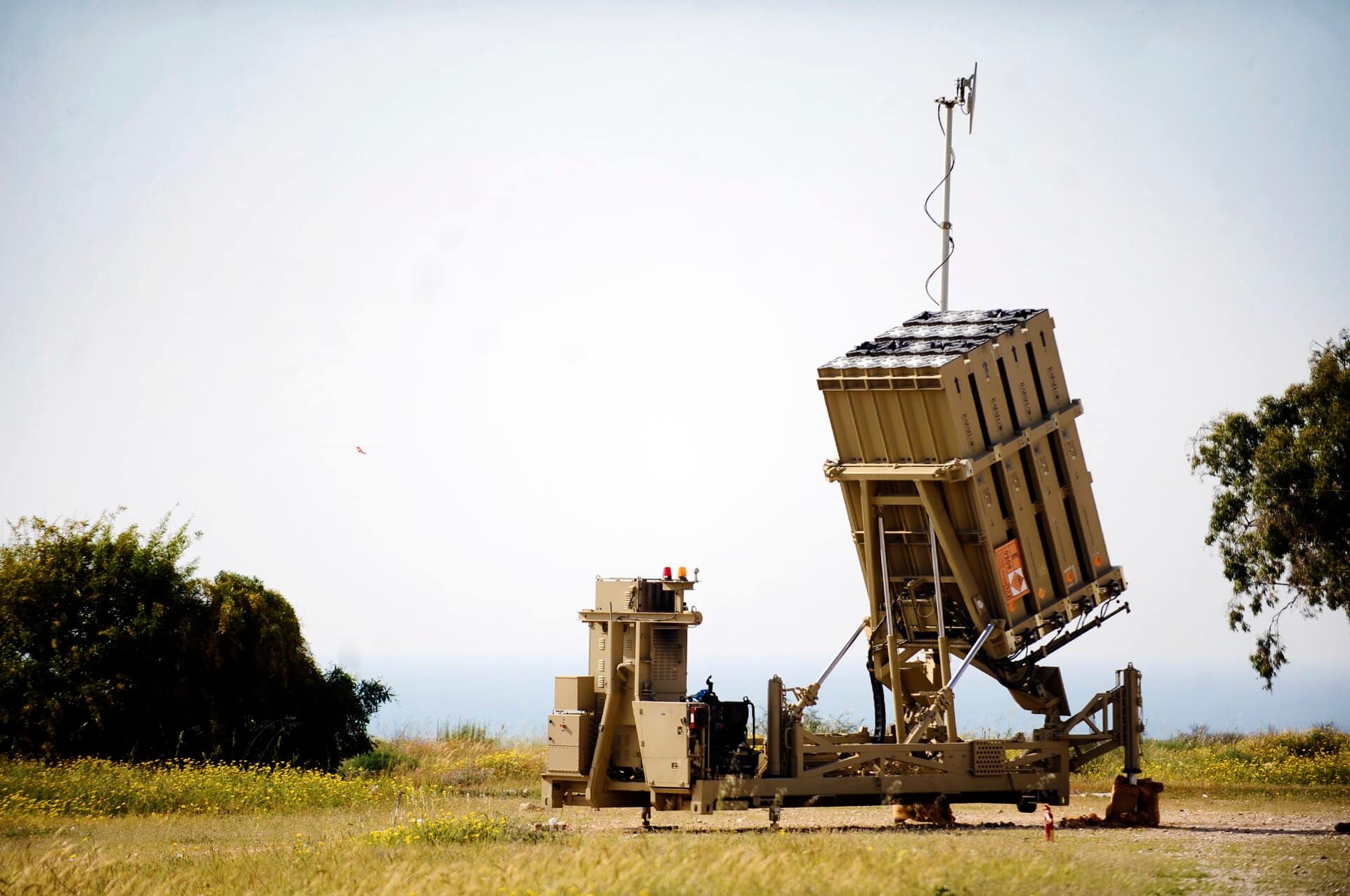
For fifteen years, Iron Dome has answered incoming rockets with a $50,000 interceptor. Now it has a second option on the trigger: light. Israel’s Ministry of Defense announced on 30 June that a comprehensive Iron Dome test series has, for the first time, folded the Iron Beam high-energy laser into the system’s battle management architecture — letting commanders choose between missile and laser for each incoming threat.
The test series, run by the ministry’s Israel Missile Defense Organization with Rafael and the Israeli Air Force in late June, simulated rockets, cruise missiles, drones and the saturation barrages that defined the war with Iran. The stated goal: bake the lessons of those barrages into the country’s layered shield.
Quick Facts: Missiles Meet Lasers
| Announced | 30 June 2026, Israel Ministry of Defense |
| What’s new | Iron Beam laser integrated into Iron Dome’s battle management center for the first time |
| Iron Beam | 100kW-class laser; destroys targets in seconds at ranges up to ~10 km; “a few dollars” per shot |
| Iron Dome | Operational since 2011; Tamir interceptors ~$50,000 each; engagement range 4–70 km |
| Status | First operational Iron Beam delivered to the IDF on 28 December 2025 |
| Run by | IMDO (DDR&D), Rafael Advanced Defense Systems, Israeli Air Force |
The Economics of Interception
The arithmetic behind this test is brutal and simple. A Tamir interceptor costs roughly $50,000; the cheap drones and rockets it often kills cost a fraction of that. Multiply by the thousands of projectiles fired in a saturation attack and the defender loses the exchange even when every shot hits. A laser inverts that: each Iron Beam engagement costs, in the ministry’s own published phrase, “a few dollars” of electricity — and the magazine never runs dry as long as the power holds.
The catch is physics. A 100kW-class beam needs several seconds of dwell time on target at ranges out to roughly ten kilometres, and performance degrades in fog, dust and cloud. That is why the announcement matters more than a laser test in isolation: the integration means the battle management system can now route each threat to the right effector — laser for the slow drone in clear weather, missile for the fast mover in haze.
Lessons Paid For in Barrages
Israel’s air defenses spent 2025 and 2026 under the most sustained missile assault any modern system has faced. During the war with Iran, ballistic missiles — some with cluster warheads — got through, and the official language around this test series openly references “operational lessons learned during the war.” One deployed Iron Beam battery, an IDF officer told the Times of Israel, is far from enough; the force reportedly wants more than a dozen for meaningful coverage.
Rafael chief executive Yoav Tourgeman called the series “a further expansion of the system’s capability envelope, which will be integrated into the IDF’s air defense array.”
The World Is Watching the Beam
When the first combat-ready Iron Beam was handed to the IDF last December, Defense Minister Israel Katz called it the first high-power laser interception system in the world to reach operational maturity. That claim will now be stress-tested in the least forgiving airspace on Earth. If the missile-plus-laser layer works at scale, every air force currently pricing out drone swarms — and every defense ministry wincing at interceptor invoices — will want to see the data.
Rafael’s own footage of Iron Beam burning targets out of the sky shows what “a few dollars per shot” looks like in practice:
Sources: Israel Ministry of Defense; Defense News; The Defense Post; Times of Israel; Rafael Advanced Defense Systems; JNS
Related Questions
What is Israel's Iron Beam laser?
Iron Beam is an Israeli high-energy laser weapon in the 100-kilowatt class, designed to destroy incoming rockets, drones and other threats in seconds at ranges up to about 10 kilometres. Unlike an interceptor missile, each laser shot costs only a few dollars of electricity and the magazine never runs dry as long as power holds. It is built by Rafael.
How is Iron Beam integrated with Iron Dome?
On 30 June 2026, Israel's Ministry of Defense announced that a test series had, for the first time, folded the Iron Beam laser into Iron Dome's battle management architecture. Commanders can now choose between a missile interceptor or the laser for each incoming threat, routing slow drones in clear weather to the laser and fast movers to missiles. The tests involved Rafael and the Israeli Air Force.
What are the limitations of laser weapons like Iron Beam?
A 100-kilowatt beam needs several seconds of dwell time on a target at ranges out to roughly ten kilometres, and its performance degrades in fog, dust and cloud. That is why integration matters: the battle management system routes each threat to the right effector, using the laser when conditions suit and interceptor missiles when they do not, so the two systems complement each other.
Why do militaries want laser weapons for air defence?
Cost drives the interest. A radar-guided interceptor can cost around 50,000 dollars per shot, so a cheap saturation attack can drain a defender even when every shot hits. A laser inverts that economics, engaging each target for a few dollars of electricity with a magazine limited only by power. This mirrors the wider cost-versus-threat arms race in aircraft countermeasures.
What threats is Iron Beam designed to counter?
Iron Beam is built to destroy rockets, mortars, cruise missiles and drones, including the saturation barrages that defined Israel's war with Iran. The June 2026 test series simulated exactly those threats. Cheap, mass-launched systems such as FPV drone swarms are precisely the kind of low-cost target a laser is well suited to defeat.

0 Comentarios