
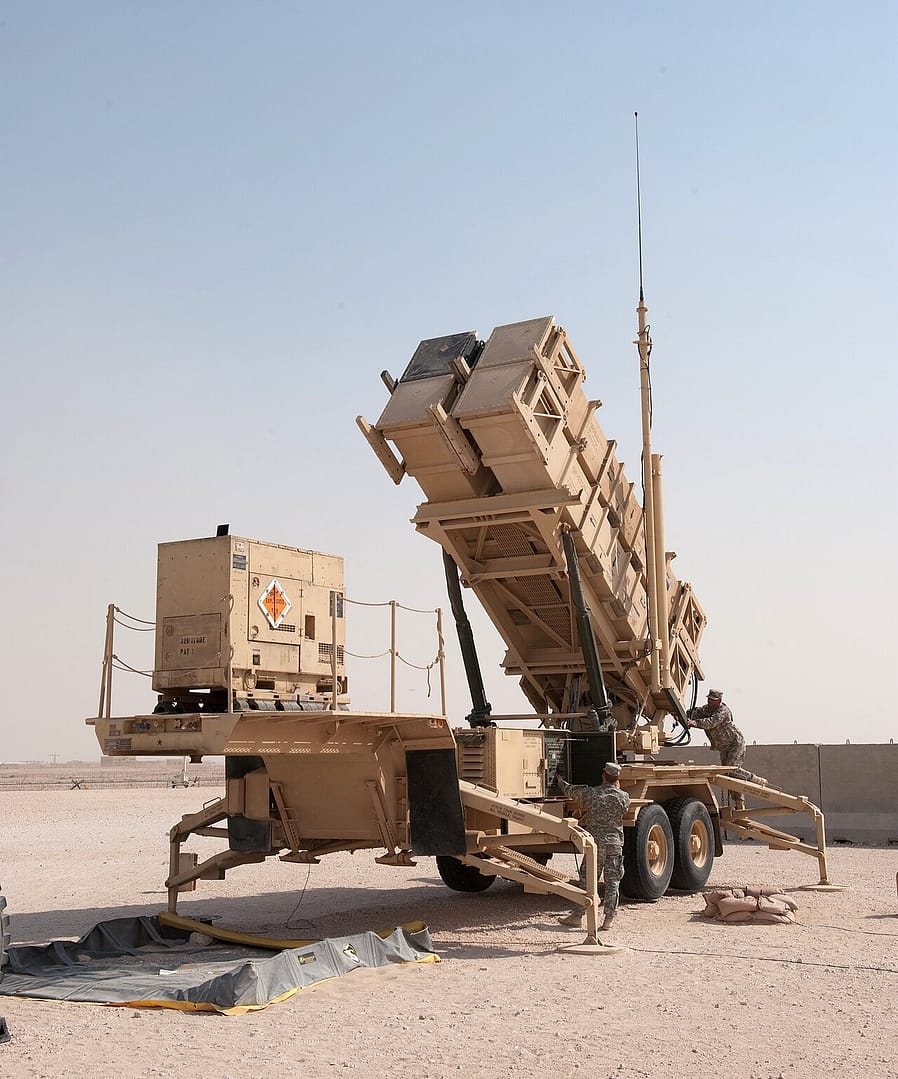
El 9 de julio, ocho misiles balísticos iraníes fueron lanzados contra la base aérea de Muwaffaq Salti en Jordania. Los ocho fueron interceptados. No hubo heridos ni daños materiales, y el incidente apenas tuvo repercusión fuera de la región.
Ocho días después, la misma base fue atacada de nuevo, y esta vez lograron penetrar. Tres estadounidenses murieron.
La diferencia entre esas dos noches no radica realmente en el rendimiento del radar o del misil. Se trata de una hoja de cálculo, y la hoja de cálculo está perdiendo.
Datos rápidos
Interceptor PAC-3 MSE: alrededor de 4,2 millones de dólares por ronda, según la solicitud de presupuesto del Ejército de EE. UU. para el año fiscal 2025.
Los interceptores Patriot generalmente: aproximadamente de 2 a 4 millones de dólares cada uno, dependiendo de la variante.
Dron de ataque unidireccional de la clase Shahed-136: Aproximadamente entre 20.000 y 50.000 dólares, según estimaciones del CSIS y el RUSI.
Relación: El interceptor puede costar cien veces más que aquello que destruye.
Salida del interceptor Global Patriot: alrededor de 850 por año, con una proyección de alcanzar aproximadamente 1.130 para 2027.
Salida del IRIS-T SL: aproximadamente entre 500 y 600 al año de Diehl, aumentando hasta alcanzar entre 800 y 1000.
Acciones del Ejército de EE. UU.: Según los informes, alcanzarán alrededor del 25 por ciento de los niveles requeridos por el Pentágono a mediados de 2025.
Estimaciones de reabastecimiento: De tres a ocho años solo para los gastos de 2025.
El tipo de cambio
La defensa aérea siempre ha costado más que el ataque. Lo que ha cambiado en los últimos cuatro años es la magnitud de esa diferencia.
Un dron de ataque unidireccional tipo Shahed consta de un motor de cortacésped, un ala, una ojiva y un receptor de navegación por satélite. Según estimaciones de fuentes abiertas, su precio oscila entre los veinte y los cincuenta mil dólares. Es lento, ruidoso, no es sigiloso y es fácil de derribar.
Derribarlo con un misil PAC-3 MSE cuesta alrededor de cuatro millones doscientas mil dólares.
Puedes ganar todas las operaciones en ese mercado y aun así perder, porque el atacante compra cien unidades de algo por el precio de una de las tuyas. Ningún presupuesto de defensa en el mundo está diseñado para mantener esa proporción indefinidamente.
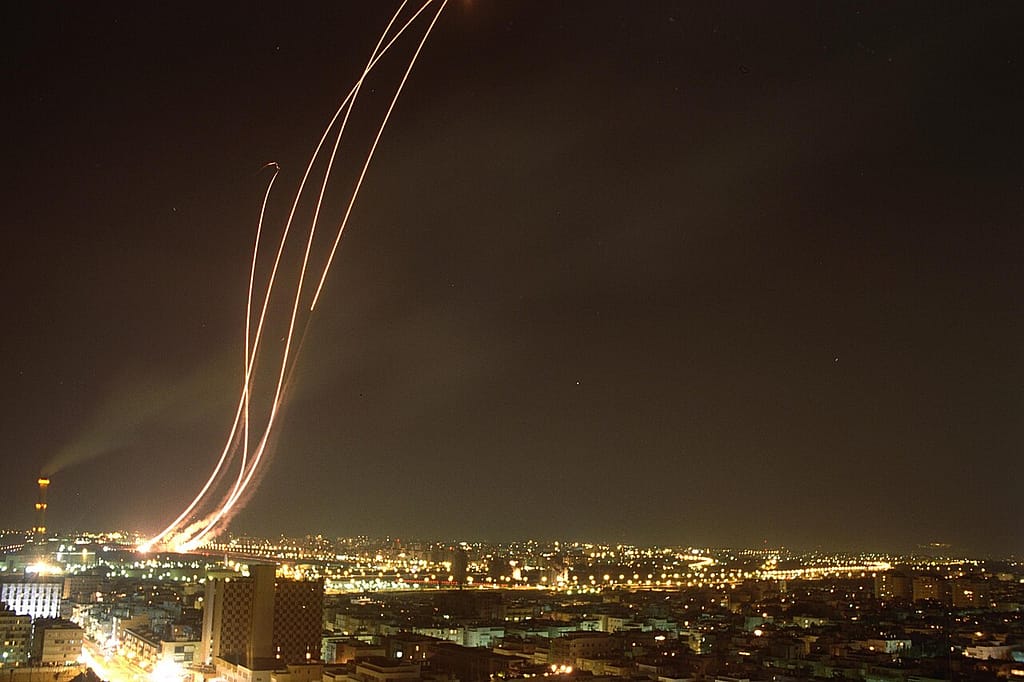
¿Por qué no puedes simplemente usar algo más barato?
La respuesta obvia es dejar de usar misiles millonarios en drones baratos, y todas las fuerzas aéreas importantes están trabajando precisamente en eso. Armas, láseres, interceptores económicos y sistemas de ataque electrónico están en desarrollo o ya en servicio.
La dificultad reside en que la decisión debe tomarse en segundos, con información incompleta, y el coste de equivocarse es asimétrico en la otra dirección.
La trayectoria del radar no está etiquetada. El operador ve la velocidad, la altitud, el rumbo y la sección transversal del radar. A partir de eso, debe juzgar si el objetivo entrante es un dron de cincuenta mil dólares que puede interceptar fácilmente o dejarlo pasar, o un misil balístico de dos millones de dólares que matará personas si llega a su destino. Si se equivoca en la dirección costosa, habrá desperdiciado un interceptor. Si se equivoca en la dirección barata, tendrá que escribir cartas a las familias.
Ante esta situación, los operadores optan por la respuesta más cara, porque es la opción racional para la interacción individual, incluso cuando resulta ser la opción menos acertada para la campaña.
El truco de la saturación
Los atacantes lo entienden perfectamente, por eso los paquetes de ataque modernos están deliberadamente mezclados.
Si solo se envían misiles balísticos, la defensa los intercepta todos con el arma adecuada. Si solo se envían drones, la defensa aprende a manejarlos con poco esfuerzo. Si se envían ambos en el mismo ataque, llegando simultáneamente, se obliga al defensor a enfrentarse a un problema de asignación imposible en tiempo real.
Los drones no intentan realmente impactar nada. Su función es absorber interceptores, ocupar canales de radar y distraer la atención del defensor durante los noventa segundos cruciales. Detrás de ellos, los misiles balísticos llegan a una defensa que ya ha gastado parte de su munición en señuelos.
Esa es la explicación más plausible para la diferencia entre el 9 y el 17 de julio en la misma base aérea. No es que las defensas empeoraran, sino que el ataque se volvió más sofisticado.
Profundidad de la revista
Detrás del problema del coste se esconde otro más difícil que el dinero no puede resolver rápidamente: no se pueden comprar interceptores más rápido de lo que las fábricas los producen.
La producción de misiles interceptores Global Patriot ronda los 850 al año, cifra que se prevé aumente a unos 1130 para 2027, de los cuales solo la mitad se destinará a Europa. Diehl fabrica entre 500 y 600 misiles IRIS-T SL al año, con miras a alcanzar entre 800 y 1000. Estas son las limitaciones reales, y se miden en años de producción en fábrica.
Ahora comparemos eso con el consumo. Una sola noche intensa de defensa de un país puede consumir decenas de proyectiles. Los informes hasta 2025 sugerían que las existencias de interceptores del Ejército de EE. UU. habían caído a cerca de una cuarta parte de los niveles requeridos después del gasto sostenido en combate y las transferencias a gran escala a Ucrania, y los analistas coincidían en un plazo de reabastecimiento de tres a ocho años solo para ese gasto.
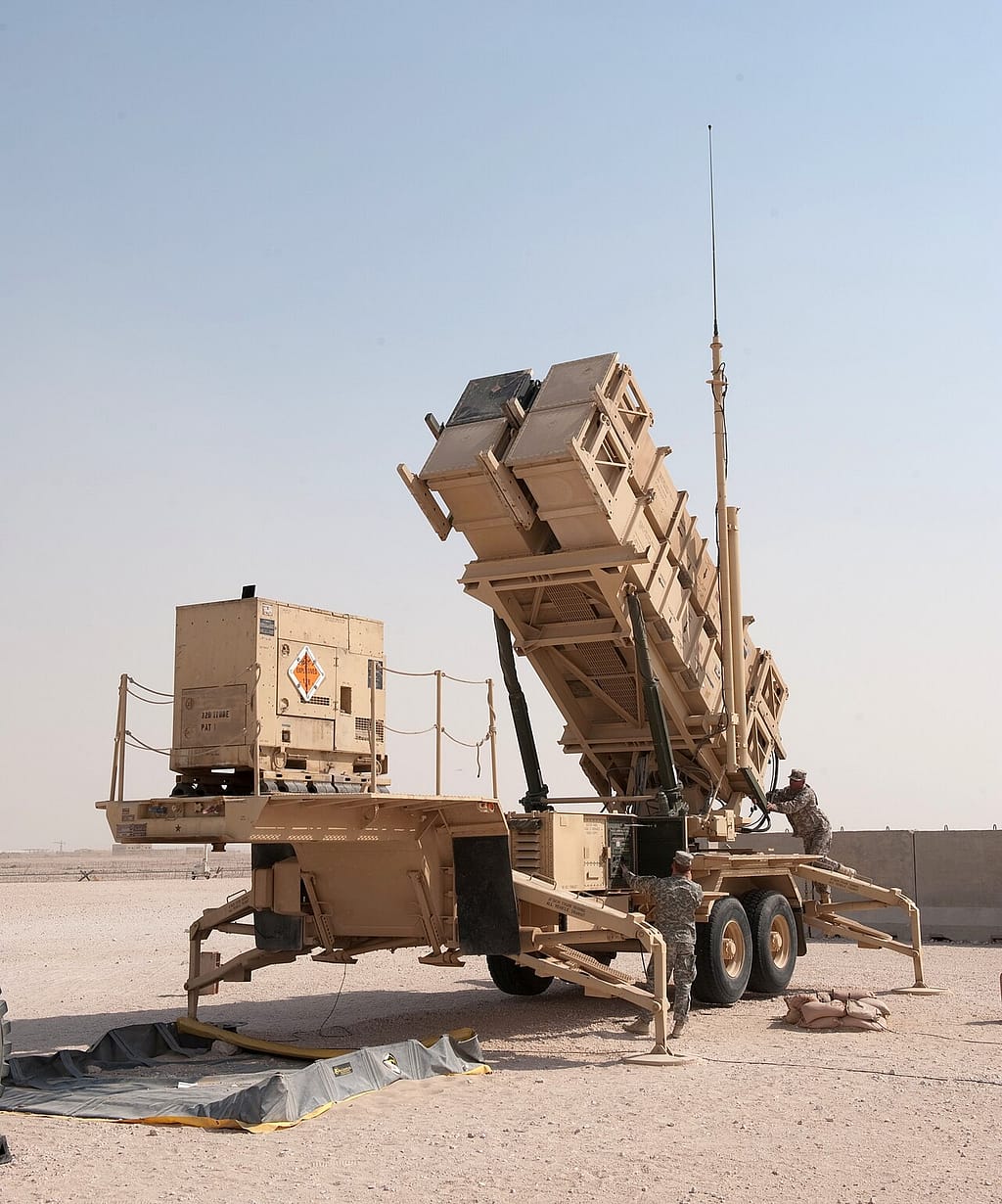
Ese es el título que el CSIS le dio a un estudio completo sobre el problema, y la forma en que se plantea es lo importante. La pregunta correcta no es cuánto cuesta el interceptor, sino cuánto vale lo que hay detrás. Cuatro millones de dólares para proteger una extensión desértica vacía es un despilfarro. Cuatro millones de dólares para proteger un hangar con tripulación dentro representan una excelente inversión.
El problema es que un atacante que entiende esto puede arruinarte obligándote a defenderlo todo.
¿Qué cambia?
Tres cosas se mueven, pero ninguna lo suficientemente rápido.
La primera opción son los efectores de bajo coste: sistemas basados en cañones, pequeños interceptores y misiles aire-aire modificados con precios de decenas de miles en lugar de millones. La segunda es la energía dirigida, donde el coste marginal de un disparo es esencialmente electricidad, y que finalmente está alcanzando niveles de potencia desplegables tras décadas de promesas. La tercera es el ataque electrónico, que neutraliza el sistema de guiado en lugar de la estructura del avión, lo cual es económico y reversible, y es una de las principales razones por las que todas las fuerzas aéreas importantes están adquiriendo actualmente inhibidores de largo alcance.
Ese último punto es la respuesta más antigua de todas, y cabe destacar que es la que se utiliza actualmente. La forma más económica de evitar ser atacado es destruir lo que dispara, razón por la cual los F-16 regresaron al Golfo esta semana.
Hasta que las opciones defensivas económicas se generalicen, la situación seguirá siendo desfavorable. Cada noche que una defensa funciona a la perfección, se encarece. Cada noche que falla, alguien muere. Esa es la situación actual de la defensa aérea en 2026, y ningún avance tecnológico ha logrado aún que resulte rentable.
Fuentes: Centro de Estudios Estratégicos e Internacionales, RUSI, Instituto de Guerra Moderna, Military Times, documentos presupuestarios del Ejército de EE. UU., Bruegel, Revista de las Fuerzas Aéreas y Espaciales.
Publicaciones relacionadas
0 Comentarios