
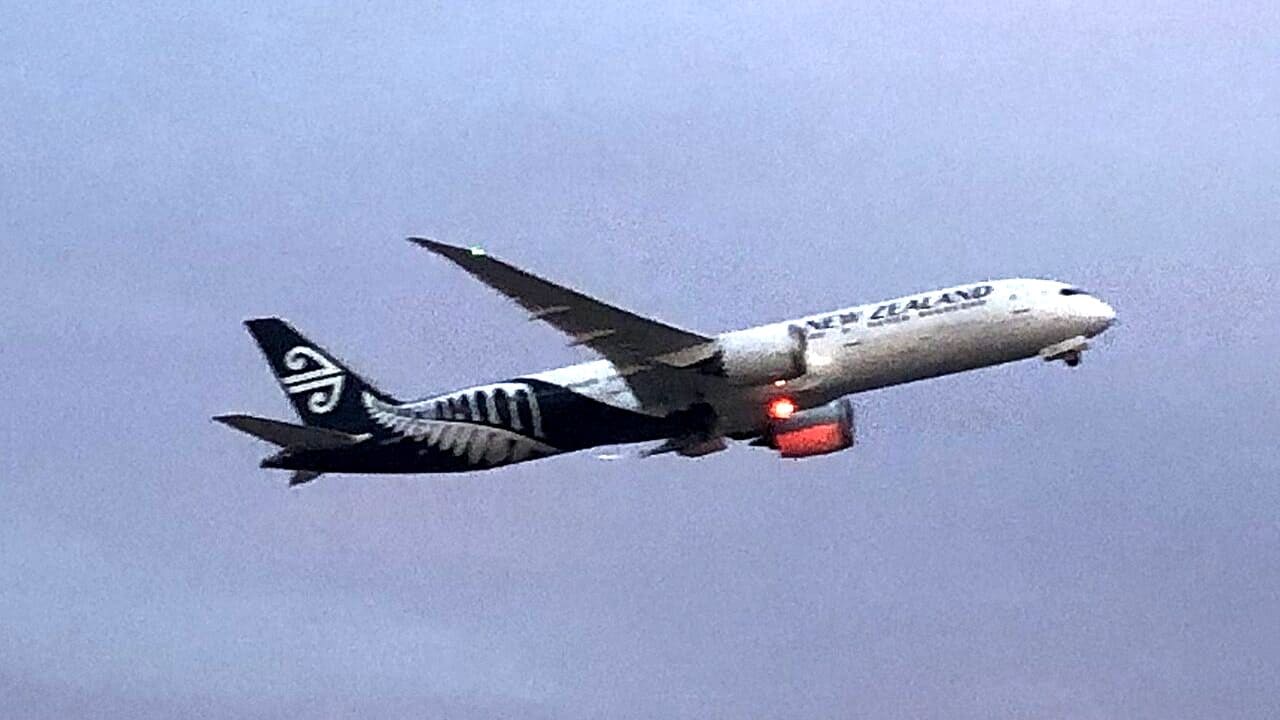
En la tierra roja de Alice Springs, en medio del interior australiano, un Boeing 787-9 permaneció estacionado durante casi un año; no estaba averiado, ni retirado, simplemente a la espera de motores. El 28 de junio, finalmente voló de regreso a Auckland, y con ello, Air New Zealand cerró discretamente uno de los capítulos más frustrantes de su historia: por primera vez desde que comenzó la crisis del Rolls-Royce Trent 1000, la aerolínea no tiene ningún avión de fuselaje ancho almacenado.
Dos días después, el Dreamliner de doce años, con matrícula ZK-NZD, estaba de vuelta donde pertenecía: transportando pasajeros de pago a través del Pacífico hasta San Francisco.
Datos clave: Recuperación de los motores de Air New Zealand
| El hito | Por primera vez desde que comenzó la escasez de motores Trent 1000, no hay aviones de fuselaje ancho almacenados. |
| El último atrás | 787-9 ZK-NZD — estacionado en Alice Springs desde septiembre de 2025, trasladado a su lugar de origen el 28 de junio, de nuevo en servicio el 30 de junio. |
| Pico de la crisis | Cinco de los catorce Boeing 787-9 de Air New Zealand quedaron en tierra de inmediato. |
| Causa | Escasez mundial de motores Rolls-Royce Trent 1000 y capacidad de reacondicionamiento. |
| ¿Qué sigue? | Dos nuevos 787-9 se entregarán a finales de 2026; nuevas rutas desde Christchurch a Singapur, Tokio y Perth. |
La crisis que dejó en tierra a una flota.
Air New Zealand no cometió ningún error. Sus Dreamliners estaban en perfecto estado. Sin embargo, los motores Trent 1000 que los impulsan han sido un quebradero de cabeza a nivel mundial durante años: los problemas de durabilidad implican que los motores necesitan revisiones mucho más frecuentes de lo previsto, y los talleres de reparación del mundo simplemente no daban abasto. Ante la falta de motores de repuesto, las aerolíneas se enfrentaron a una situación absurda: aviones en perfecto estado sin motores que reemplazar.
En su peor momento, cinco de los catorce Boeing 787-9 de Air New Zealand quedaron en tierra, más de un tercio de su flota de largo recorrido. Para una nación insular situada al final de las rutas aéreas más largas del mundo, esto no era un simple inconveniente, sino un problema estructural para el turismo y el comercio.
Cambio de motores en el Outback
El plan de recuperación tenía un marcado toque práctico neozelandés. El estacionamiento a largo plazo escasea en Auckland y el clima húmedo de Nueva Zelanda no favorece a los aviones almacenados, por lo que los Dreamliners inmovilizados fueron trasladados al aire seco del desierto de Alice Springs. Allí, en lugar de dejar los motores inactivos en las alas estacionadas, la aerolínea envió equipos al interior del país para desmontarlos e incorporarlos al proceso de revisión.
Funcionó. Uno a uno, los Dreamliners regresaron a casa, y con el regreso del ZK-NZD, la línea de almacenamiento en Alice Springs está vacía, al menos de aviones de fuselaje ancho de Air New Zealand.
Modo de crecimiento, finalmente
Con toda su flota en funcionamiento, la aerolínea está pasando de la gestión de crisis a la expansión: un programa de modernización de cabinas ya finalizado, dos Boeing 787-9 nuevos que llegarán a finales de año y nuevas rutas que conectarán Christchurch con Singapur, Tokio y Perth.
Hay una salvedad en la letra pequeña: dos de los Airbus A320neo de la aerolínea permanecen en tierra por problemas con los motores Pratt & Whitney, frente a los seis que llegaron a estarlo. Parece que la época de las flotas de aerolíneas en perfecto estado aún no ha regresado del todo. Pero después de años con los Dreamliner aparcados, una semana sin aviones de Air New Zealand en el interior del país se considera una semana excelente.
Fuentes: Air New Zealand, FlightGlobal, AeroTime, Simple Flying
Preguntas relacionadas
¿Qué fue la crisis del Rolls-Royce Trent 1000?
La crisis del Trent 1000 se refiere a los problemas de durabilidad de los motores Trent 1000 de Rolls-Royce que equipan muchos Boeing 787 Dreamliner, lo que obligó a las aerolíneas a retirar los motores para su inspección y revisión repetidas. La consiguiente escasez dejó a compañías como Air New Zealand con aviones inmovilizados por falta de motores, un problema que se prolongó durante años antes de que finalmente se aliviara en 2026.
¿Por qué se dejaron en tierra los aviones Dreamliner de Air New Zealand?
Los Boeing 787-9 de Air New Zealand permanecieron en tierra no por averías, sino por la escasez de motores Trent 1000 en buen estado para mantenerlos en vuelo, debido a la gran cantidad de motores que se encontraban en proceso de revisión. Para una nación insular situada al final de las rutas aéreas más largas del mundo, tener aviones de fuselaje ancho inactivos representaba un problema estructural para el turismo y el comercio.
¿Por qué se guardaban los aviones almacenados en Alice Springs?
Air New Zealand estacionó sus Dreamliners inactivos en Alice Springs, en el interior de Australia, debido a la escasez de estacionamiento a largo plazo en Auckland y a que el clima húmedo de Nueva Zelanda perjudica a los aviones almacenados. El aire seco del desierto conserva las estructuras de los aviones, e incluso se realizaron viajes al interior del país para desmontar los motores de las alas estacionadas e incorporarlos al proceso de mantenimiento.
¿Qué motor impulsa el Boeing 787 Dreamliner?
El Boeing 787 Dreamliner se ofrece con dos opciones de motor: el Rolls-Royce Trent 1000 y el General Electric GEnx. La flota de Air New Zealand utilizaba el Trent 1000, razón por la cual los problemas de durabilidad de este tipo afectaron tan duramente a la aerolínea. La fiabilidad del motor es fundamental para la seguridad, ya que los accidentes graves pueden ser fatales. incidentes de falla de doble motor espectáculo.
¿Cuándo devolvió Air New Zealand su último 787 almacenado?
El último avión almacenado, un 787-9 ZK-NZD de 12 años de antigüedad, había permanecido en Alice Springs desde septiembre de 2025 y fue trasladado de regreso a Auckland el 28 de junio de 2026. Dos días después, volvió a entrar en servicio transportando pasajeros a San Francisco, lo que marcó la primera vez desde que comenzó la crisis del Trent 1000 que la aerolínea no tenía ningún avión de fuselaje ancho almacenado.
¿Por qué la disponibilidad de motores es tan importante para las aerolíneas?
Para una aerolínea que opera rutas largas y con poca demanda, cada avión de fuselaje ancho en tierra elimina una capacidad significativa que es difícil de reemplazar, lo que perjudica los horarios, el turismo y el comercio. La escasez de motores puede dejar inactivos aviones que, de otro modo, estarían en buen estado durante meses. La economía del estacionamiento y la devolución de los grandes aviones se hace eco de otras sagas de aviones de fuselaje ancho, como La historia de la reaparición del A380.


0 Comentarios