
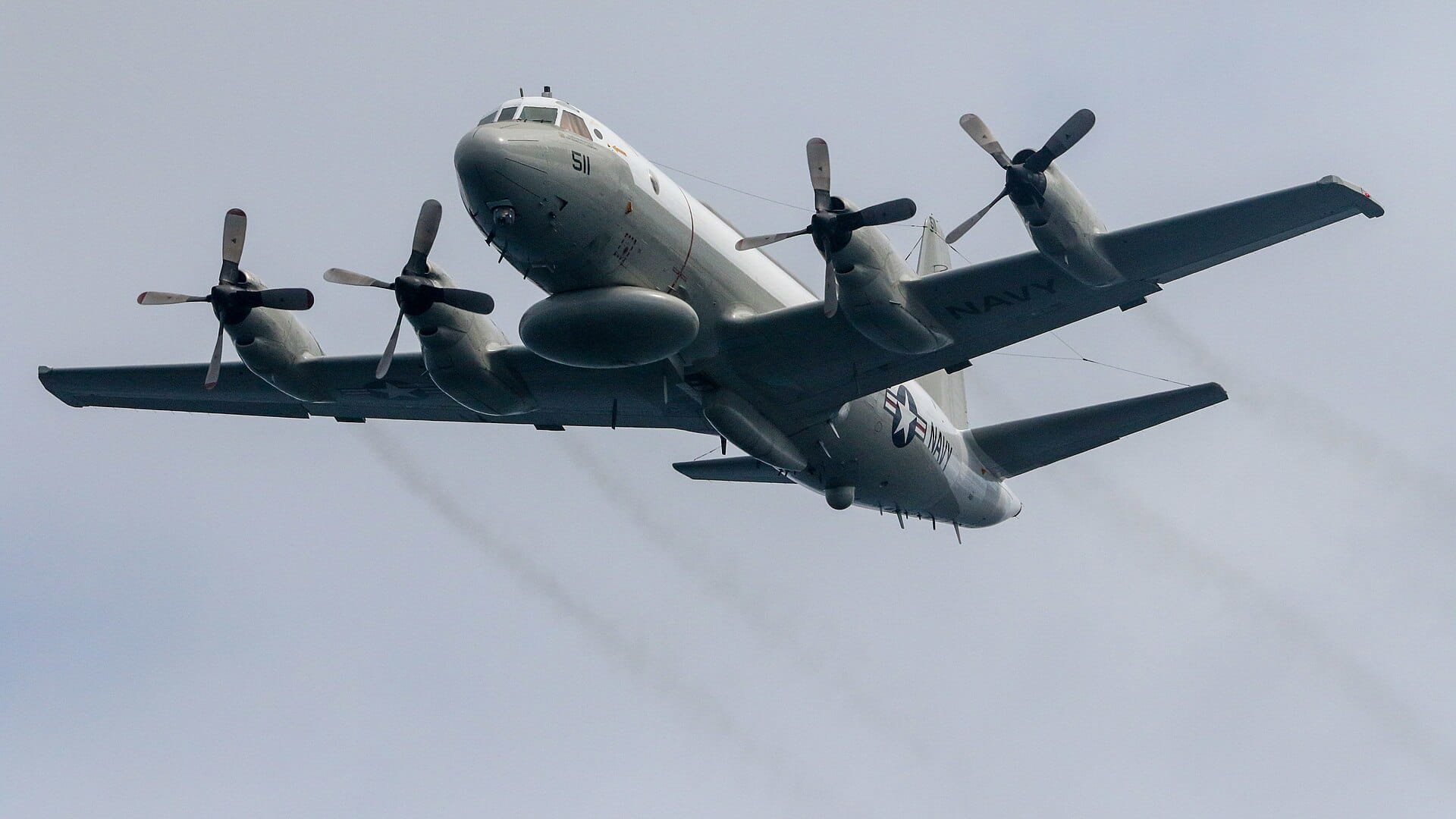
El Día de los Inocentes de 2001, a setenta millas de la isla china de Hainan, un piloto de caza chino calculó mal su tercer ataque a un avión espía estadounidense por apenas unos metros, y estuvo a punto de desencadenar una guerra. La colisión partió por la mitad su interceptor J-8, arrancó el morro de un EP-3E de la Armada estadounidense repleto de 24 tripulantes y el equipo de espionaje más sensible del país, y dio inicio a once días de tensa diplomacia entre dos potencias nucleares.
Un cuarto de siglo después, con aviones estadounidenses y chinos siguiéndose de cerca unos a otros en el Pacífico, el incidente de Hainan se lee menos como un hecho histórico y más como un ensayo.
Datos clave: El incidente de la isla de Hainan
| Fecha | 1 de abril de 2001, aproximadamente a 70 millas al sureste de la isla de Hainan, espacio aéreo internacional |
| Aviones estadounidenses | EP-3E ARIES II, BuNo 156511, escuadrón VQ-1, volando desde Kadena, Okinawa |
| Aviones chinos | Interceptor Shenyang J-8II; el piloto, el teniente comandante Wang Wei, se eyectó y nunca fue encontrado. |
| La caída | El EP-3 se inclinó hasta unos 130° y cayó 8.000 pies antes de ser recuperado. |
| Detención | Veinticuatro tripulantes estuvieron detenidos durante 11 días en Lingshui; fueron liberados tras la “carta de las dos disculpas”.” |
| El avión | Regresó hecho pedazos a bordo de aviones An-124; reconstruido, volvió a volar y fue retirado a un museo en 2024. |
Tres pases
El EP-3E llevaba seis horas realizando una patrulla rutinaria de inteligencia de señales —a baja velocidad, en línea recta y con piloto automático a 22.500 pies— cuando dos J-8 se aproximaron desde Lingshui. Las interceptaciones agresivas se habían convertido en una práctica habitual esa primavera: los comandantes estadounidenses habían registrado docenas en cuatro meses, varias de ellas a menos de diez metros. En su tercer intento, Wang Wei pasó por debajo del ala izquierda del EP-3, calculó mal la distancia y su estabilizador vertical impactó contra la hélice número uno del avión espía. El J-8 se partió en dos; el radomo del EP-3 se desprendió por completo.
El turbohélice de cuatro motores cayó casi invertido a 2400 metros de altura mientras Osborn, de 26 años, luchaba por estabilizarlo. Un miembro de la tripulación describió cómo la estructura del avión temblaba como una toalla mojada en una lavadora en pleno centrifugado. Sin radomo, sin flaps, con dos motores averiados y sin indicador de velocidad, la tripulación se preparó para eyectarse, pero en su lugar optó por la pista más cercana. Resultó ser Lingshui: la base de cazas china desde donde habían despegado sus atacantes.
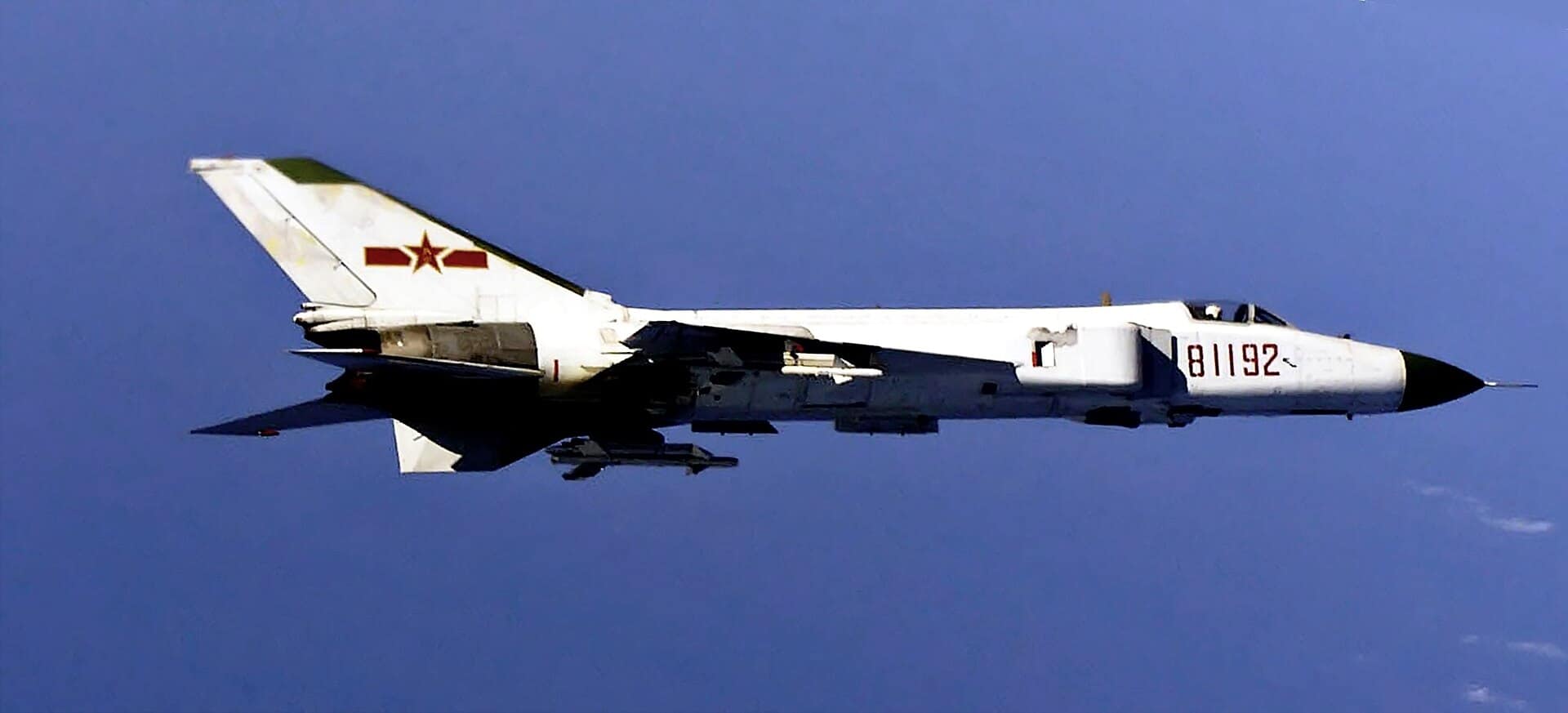
Veintiséis minutos para destruir las joyas de la corona
Entre la colisión y el aterrizaje, la tripulación tuvo aproximadamente veintiséis minutos para destruir la carga del EP-3, y no estaban entrenados ni equipados para ello. Vertieron café recién hecho en las unidades de disco. Atacaron los estantes de equipos con un hacha de supervivencia sin filo. Destrozaron todo lo que pudieron. Al menos quince llamadas de socorro quedaron sin respuesta antes de que Osborn aterrizara el avión averiado a 170 nudos, sin flaps y sin autorización.
No fue suficiente. Evaluaciones posteriores, incluyendo material del archivo de Snowden reportado por The Intercept, concluyeron que la destrucción fue solo parcial: las claves criptográficas, los manuales de señales y los datos del personal se vieron comprometidos. Los 24 estadounidenses —21 hombres y tres mujeres— fueron interrogados mediante privación de sueño y retenidos durante once días mientras Washington y Pekín negociaban un documento que los diplomáticos aún estudian: la "carta de las dos disculpas", en la que Estados Unidos expresó dos veces su "profundo arrepentimiento" sin disculparse explícitamente por nada.
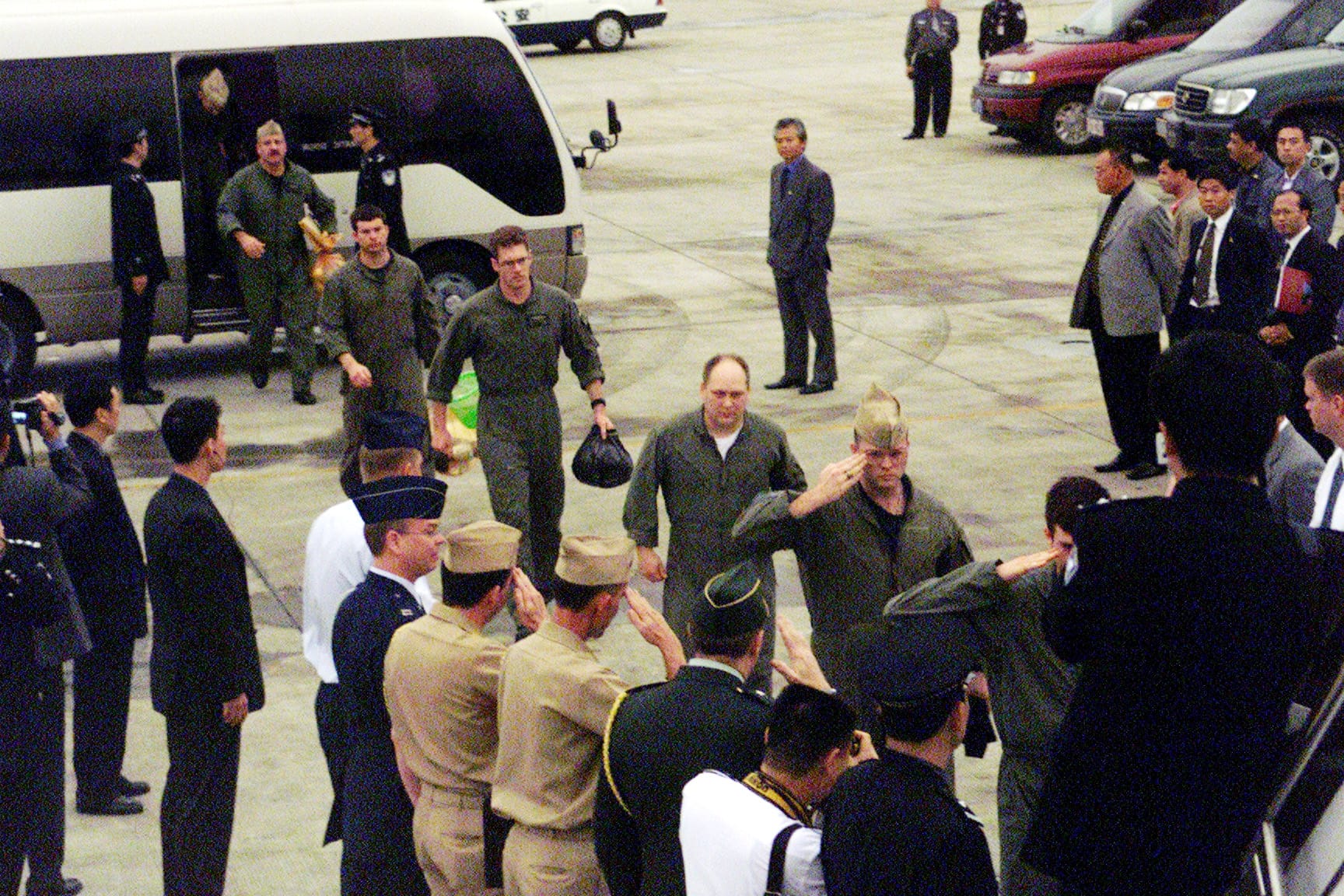
Dos disculpas, un fantasma
China se negó a permitir que el avión regresara a casa. Los ingenieros de Lockheed lo desmantelaron en Lingshui y, en julio de 2001, regresó a Georgia, humillantemente, en la bodega de dos aviones rusos An-124 fletados. Reconstruido, el BuNo 156511 realizó misiones de reconocimiento durante dos décadas más antes de ser trasladado al Museo del Aire y el Espacio de Pima en 2024. Estados Unidos pagó a China exactamente $34,567 por la comida y el alojamiento de la tripulación, y rechazó una factura de $1 millón por "gastos".“
Wang Wei nunca fue encontrado, a pesar de una de las mayores operaciones de búsqueda jamás desplegadas por China. Sigue siendo un "Guardián del Mar y del Cielo" oficial, un mártir cuyo nombre se invoca cada vez que los aviones de vigilancia estadounidenses operan en el Mar de China Meridional, es decir, constantemente. Las interceptaciones nunca cesaron. Solo cambió la gravedad de la situación.
El documental Dark Skies reconstruye la colisión y la diplomacia:
Y en cuanto al vuelo en sí, esta recreación muestra la caída y la recuperación completas de 30 segundos:
Fuentes: Naval Aviation News (septiembre-octubre de 2003); Naval History and Heritage Command; The Aviationist (entrevista del 25.º aniversario, 2026); The Intercept; Air & Space Forces Magazine; Wikipedia
Preguntas relacionadas
¿Qué fue lo que ocurrió en la isla de Hainan?
El incidente de la isla de Hainan fue una colisión en el aire ocurrida el 1 de abril de 2001 entre un avión de vigilancia EP-3E de la Armada estadounidense y un interceptor chino J-8 a unas 70 millas de la isla de Hainan. El caza chino se desintegró y su piloto falleció, mientras que el EP-3, averiado, realizó un aterrizaje de emergencia en Hainan con sus 24 tripulantes, lo que desencadenó un enfrentamiento diplomático de once días entre las dos potencias nucleares.
¿Qué causó la colisión en la isla de Hainan?
Los cazas chinos habían estado interceptando agresivamente los vuelos de vigilancia estadounidenses esa primavera. En su tercer ataque a corta distancia, el teniente comandante Wang Wei, piloto de un J-8, calculó mal el cierre bajo el ala izquierda del EP-3 y su aleta impactó contra la hélice número uno del avión espía, partiendo su reactor en dos y arrancando el radomo de la nariz del EP-3.
¿Qué pasó con la tripulación del EP-3?
La tripulación de 24 personas sobrevivió a una caída casi invertida de 2400 metros antes de que el comandante, el teniente Shane Osborn, recuperara el control y aterrizara en la base aérea de Lingshui, en Hainan. Fueron detenidos por China durante once días y liberados después de que Estados Unidos emitiera su carta de disculpas, redactada con gran cuidado.“
¿Qué hacía el EP-3 cerca de China?
El EP-3E ARIES II estaba realizando una patrulla rutinaria de inteligencia de señales, interceptando comunicaciones chinas, el mismo tipo de reconocimiento peligroso al estilo de la Guerra Fría que anteriormente había costado vidas, como en el Los vuelos del C-130 Ferret fueron derribados décadas antes..
¿Capturó China secretos estadounidenses del misil EP-3?
La tripulación tuvo aproximadamente 26 minutos para destruir equipos sensibles y no estaba entrenada ni equipada para ello, vertiendo café en las unidades de disco y destrozando los bastidores. Las evaluaciones concluyeron que la destrucción fue solo parcial, y que probablemente se vieron comprometidas las claves criptográficas y los manuales. Capturar información de las aeronaves no era nada nuevo; Operación Diamante del Mossad had earlier delivered a Soviet MiG-21 to the West intact.
¿Qué le sucedió al piloto Wang Wei?
El piloto chino, el teniente comandante Wang Wei, se eyectó tras la colisión, pero nunca fue encontrado a pesar de un gran operativo de búsqueda y rescate, y se presume que falleció.
¿Qué sucedió después con el avión EP-3?
En lugar de permitir que volara, China devolvió el avión desmontado a bordo de aviones de transporte rusos An-124. Posteriormente fue reconstruido, reincorporado al servicio estadounidense y finalmente retirado a un museo en 2024.
0 Comentarios