
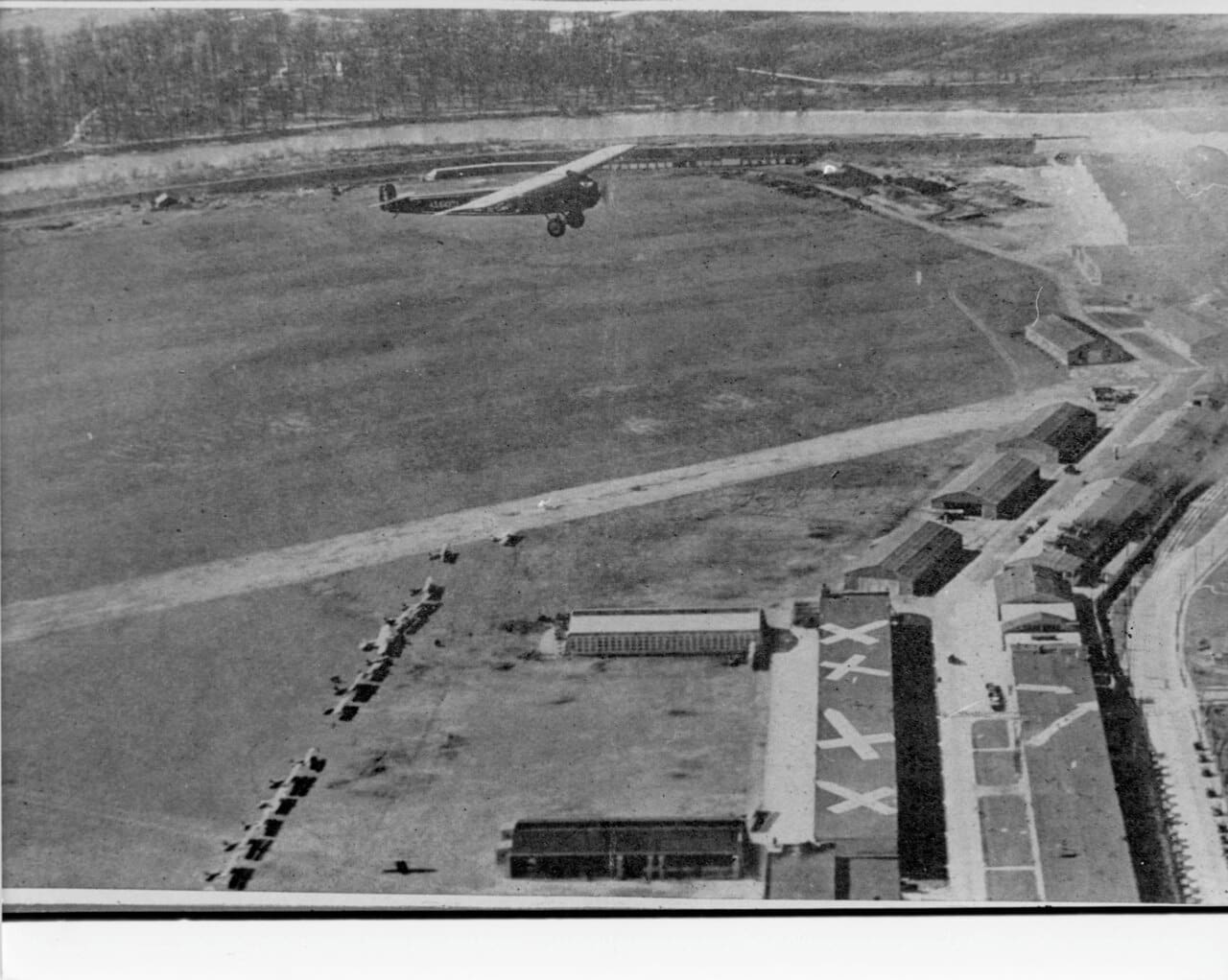
Before there was radar, before there were reliable instruments, before anyone had crossed the United States without landing, there was a quiet Army lieutenant named John Macready — a man who spent the early 1920s collecting aviation "firsts" the way other people collect stamps.
He set the world altitude record. He flew the first crop-dusting mission in history. He made the first nonstop flight across America. He was the first man to bail out of a stricken aircraft at night. And he is the only person ever to win the Mackay Trophy three times. Almost nobody remembers his name.
DATOS RÁPIDOS
| Piloto | Lt. John A. Macready, U.S. Army Air Service (1887–1979) |
| Signature flight | First nonstop US transcontinental flight, 2–3 May 1923 |
| Aeronave | Fokker T-2, single Liberty 12 engine |
| Distancia | ~2,470 miles in 26 hours 50 minutes |
| Ruta | Roosevelt Field, New York to Rockwell Field, San Diego |
| Honores | Only three-time Mackay Trophy winner; world altitude record (1921) |
The man who kept doing things first
In September 1921, Macready climbed a Packard-Le Père biplane to nearly 40,000 feet on bottled oxygen, setting a world altitude record over Dayton. A month earlier, he had flown the world’s very first purpose-built crop-duster, spraying an insecticide over a grove of catalpa trees — quietly inventing agricultural aviation.
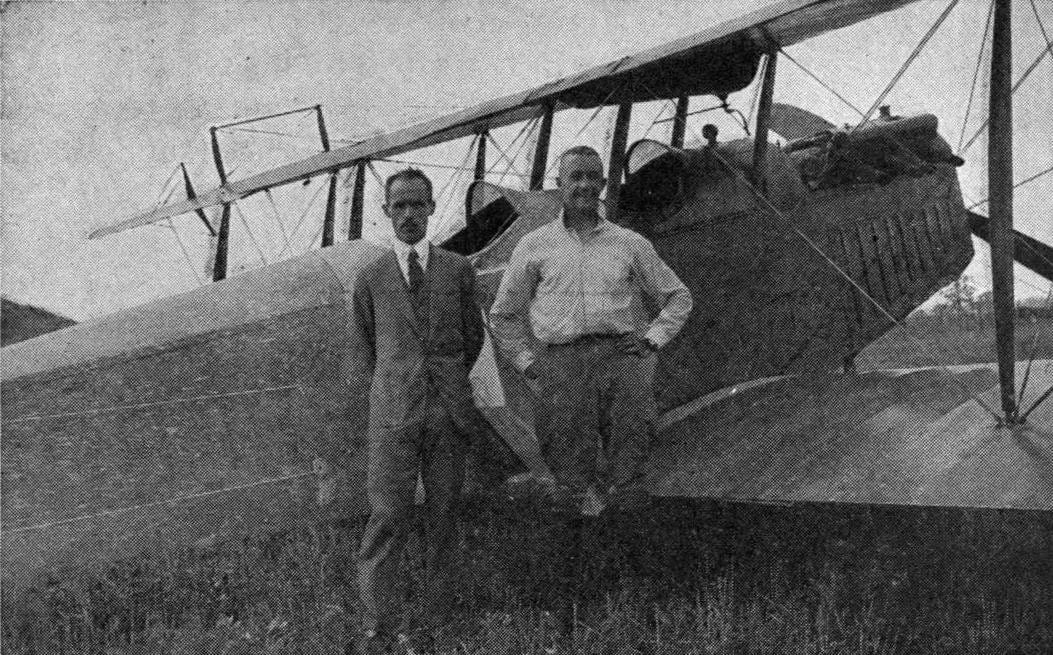
Then he set his sights on the biggest prize of all: flying nonstop from coast to coast. With Lieutenant Oakley Kelly he tried twice from west to east, and failed both times — beaten by fog and a labouring engine. On one aborted attempt, Macready’s patience ran out.
2,470 miles without stopping
They did not stay "through" for long. On 2 May 1923, they took off the other way — east to west, into the prevailing headwinds, from Roosevelt Field on Long Island. Their aircraft was the Fokker T-2, a big single-engine transport crammed with extra fuel. The two men took turns flying, crawling through an internal tunnel to swap between a hidden rear station and the cockpit, passing notes on a string because they could not hear each other over the Liberty engine.

Night fell over the Midwest, and with it came the loneliness that every long-distance aviator of the era dreaded.
They swam through it. Somewhere over the country Macready even made the first in-flight engine repair in Air Service history, replacing a faulty switch to keep the Liberty running. After 26 hours and 50 minutes and 2,470 miles, the T-2 settled onto Rockwell Field in San Diego. America had been crossed without a single stop for the first time. The aircraft they flew hangs today in the Smithsonian.
Macready went on to make the first night emergency parachute jump in 1924, served again in the Second World War, and lived to 91. He belongs in the same breath as Lindbergh and Doolittle — a pioneer who did the impossible so often that the world simply stopped being surprised. He deserves to be remembered.
Sources: National Air and Space Museum; National Museum of the USAF; HistoryNet; This Day in Aviation; Wikipedia.
0 Comentarios