

En el invierno de 1946, Gran Bretaña estaba a tan solo seis meses de convertirse en la primera nación en volar más rápido que el sonido. En un hangar custodiado se encontraba un pequeño reactor con forma de bala llamado Miles M.52, prácticamente terminado, con su piloto de pruebas elegido y sus ensayos supersónicos programados para octubre de ese año. Y entonces, con una sola orden, el gobierno canceló el proyecto.
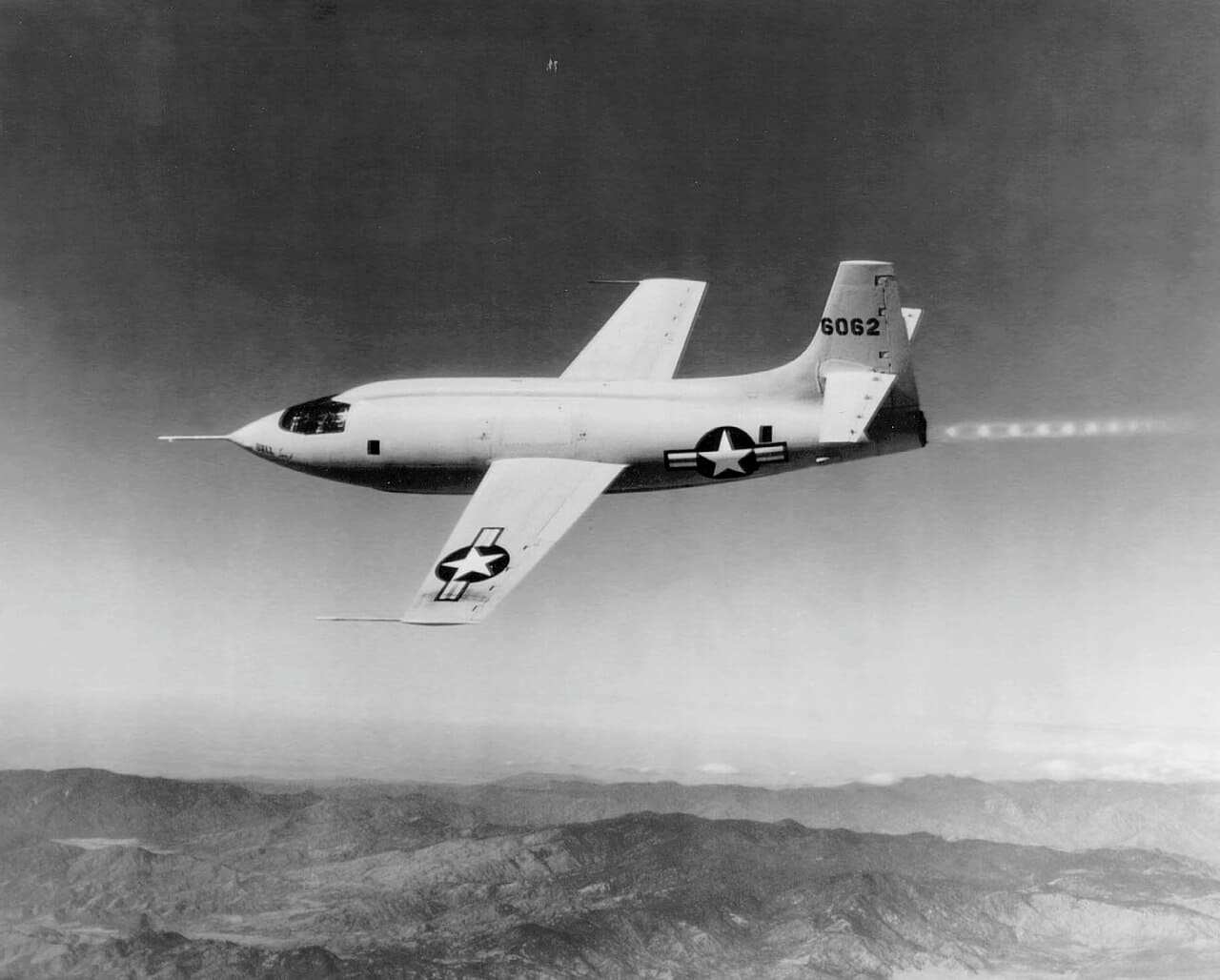
Eighteen months later it was an American, Chuck Yeager, who broke the sound barrier in the rocket-powered Bell X-1 — and the honour Britain had been chasing was gone for good. The story of the M.52 is one of dazzling engineering, official timidity, and one of the most bitterly debated decisions in British aviation history.
Lo que resulta aún más frustrante es que el M.52 casi con toda seguridad habría funcionado. Lo sabemos porque un modelo posterior hizo exactamente lo que el avión estaba diseñado para hacer.
• Aeronave: Miles M.52 — Britain’s secret supersonic research aircraft
• Contrato: December 1943, to Miles Aircraft; engine by Frank Whittle’s Power Jets
• Meta: El primer avión turborreactor tripulado en alcanzar las 1000 mph (aproximadamente Mach 1,5).
• Innovaciones: Alas biconvexas ultrafinas; un plano de cola totalmente móvil; una cápsula de nariz presurizada desechable.
• Cancelado: 12 de febrero de 1946, con el primer avión prácticamente terminado.
• En cambio: Chuck Yeager rompió la barrera del sonido en el Bell X-1 el 14 de octubre de 1947.
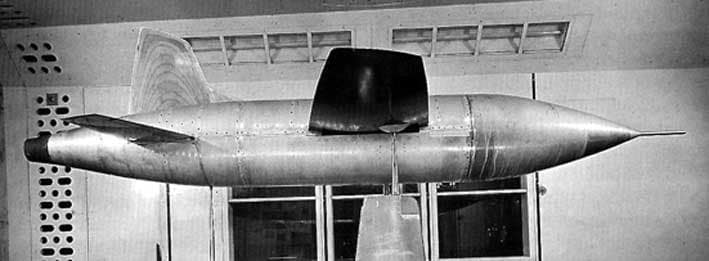
• Vindicación: Un modelo a escala del M.52, propulsado por cohetes y no tripulado, alcanzó Mach 1,38 el 10 de octubre de 1948.
El secreto de las 1000 mph
In December 1943, at the height of the war, the Air Ministry handed a top-secret contract to Miles Aircraft — a small firm known for clever thinking — to build the world’s first piloted aircraft capable of 1,000 mph. The engine would come from Frank Whittle’s Power Jets. With almost no data on how anything behaved beyond the speed of sound, Miles turned to an unlikely source: wind-tunnel tests on rifle bullets and artillery shells. From that they shaped a needle-nosed aircraft with a razor-thin wing.
Una década adelantada a su tiempo.
El M.52 rebosaba de ideas que definirían el vuelo supersónico durante décadas. Sus alas eran extraordinariamente delgadas y de bordes afilados. Su piloto se sentaba en un cono de nariz presurizado y desechable que podía ser despejado en caso de emergencia. Y lo más importante de todo, tenía un plano de cola totalmente móvil — the entire horizontal tail pivoted as one surface, the single most important control breakthrough for staying flyable as an aircraft approaches the speed of sound. In the summer of 1944, controversially, all of this research was handed to the Americans.
La cancelación que aún desconcierta
By early 1946 the first M.52 was all but built and the Fleet Air Arm’s Captain Eric “Winkle” Brown — the most experienced test pilot in Britain — had been named to fly it. Then, on 12 February 1946, Miles was ordered to stop. Officials cited cost and doubts that supersonic flight was even achievable soon. To the men who had built it, the decision was incomprehensible.
Estados Unidos rompe la barrera en su lugar
The glory went across the Atlantic. On 14 October 1947, US Air Force Captain Chuck Yeager rode the rocket-powered Bell X-1 past Mach 1 — and, tellingly, the X-1 used an all-moving tailplane of the kind the M.52 had pioneered, after the Americans had been given Britain’s research. How much that transfer mattered is still argued over, but the timing has never sat comfortably with British engineers.
Proven right — too late
Britain did not entirely abandon the design. Engineers built unmanned, rocket-powered scale models of the M.52 and air-launched them from a Mosquito. On 10 October 1948, one of them held Mach 1.38 in stable, level flight — doing precisely what the full-sized aircraft had been built to do, and proving beyond doubt that the M.52 concept was sound. By then it was a footnote. The aircraft that could have made Britain first through the sound barrier had been scrapped, and its designers were left to wonder what might have been.
Sources: The History Press (“Captain Eric ‘Winkle’ Brown & the gateway to supersonic flight”); Wikipedia (Miles M.52; Bell X-1); The Engineer. The degree to which M.52 research aided the Bell X-1 remains a matter of historical debate.
Preguntas relacionadas
¿Qué era el Miles M.52?
El Miles M.52 fue un avión de investigación supersónico británico de alto secreto, encargado en diciembre de 1943 y diseñado para convertirse en el primer avión turborreactor tripulado en alcanzar las 1000 mph (aproximadamente Mach 1,5). Impulsado por un motor de Frank Whittle’s Power Jets, Estaba prácticamente terminado cuando el gobierno británico lo canceló el 12 de febrero de 1946.
¿Por qué se canceló el Miles M.52?
The M.52 was cancelled on 12 February 1946, with officials citing cost and doubts that supersonic flight was achievable soon — even though the first aircraft was nearly finished and its test pilot had been chosen. Like the later TSR-2, Sigue siendo una de las cancelaciones más polémicas de la historia de la aviación británica.
¿Quién rompió primero la barrera del sonido?
US Air Force Captain Chuck Yeager was first to break the sound barrier, flying the rocket-powered Bell X-1 on 14 October 1947 — about 18 months after Britain cancelled the Miles M.52. Tellingly, the X-1 used an all-moving tailplane of the kind the M.52 had pioneered, after Britain handed its supersonic research to the Americans in 1944.
¿Podría el Miles M.52 haber roto la barrera del sonido?
Almost certainly. On 10 October 1948, an unmanned rocket-powered scale model of the M.52 reached Mach 1.38 in stable flight — doing exactly what the full-size aircraft had been designed to do and vindicating the design two years after its cancellation.
¿Qué innovaciones introdujo el Miles M.52?
The M.52 featured razor-thin biconvex wings shaped using wind-tunnel data from rifle bullets and artillery shells, a jettisonable pressurised nose capsule that could be blown clear in an emergency, and an all-moving tailplane — the single most important control breakthrough for flying near the speed of sound.
¿Qué es un estabilizador horizontal totalmente móvil?
El estabilizador horizontal totalmente móvil es una superficie de cola horizontal que pivota como una sola unidad, en lugar de utilizar un pequeño elevador articulado. Mantiene la aeronave controlable cuando se forman ondas de choque cerca de la velocidad del sonido, donde los elevadores convencionales pierden eficacia. Este diseño, pionero en el Miles M.52, fue adoptado por el Bell X-1 y se convirtió en estándar en las aeronaves supersónicas.
¿Quién fue elegido para pilotar el Miles M.52?
Captain Eric “Winkle” Brown of the Fleet Air Arm, Britain’s most experienced test pilot, was selected to fly the M.52’s supersonic trials. On learning of the cancellation he described “deep disappointment, total frustration, burning anger” among the team that had built it.
¿Utilizaron los estadounidenses la investigación británica sobre tecnología supersónica?
Yes. In the summer of 1944 Britain controversially handed its M.52 research to the United States. When the Bell X-1 broke the sound barrier in October 1947 it flew with an all-moving tailplane — the control breakthrough the M.52 had pioneered — while Britain’s own supersonic programme had been cancelled.
0 Comentarios