
Datos rápidos
Programa: Persistent Airfield Denial (Innovation Challenge 2026-2)
Organisers: NATO Allied Command Transformation + NATO-Ukraine JATEC
Prize pool: €250,000 (split among up to 3 winners)
Fecha límite: 20 July 2026
Finalists announced: 11 August 2026
Pitch day: 3 September 2026, Warsaw
TRL requirement: 5–7 (prototype stage)
"Airfield denial has become the asymmetric equaliser of modern warfare. A single drone swarm costing less than a fighter jet sortie can render a hardened air base unusable for days. NATO is right to crowdsource solutions — the traditional approach of cratering runways with cluster munitions is no longer the only game in town."
Dr. Justin Bronk — Senior Research Fellow, Royal United Services Institute (RUSI)
What NATO Wants
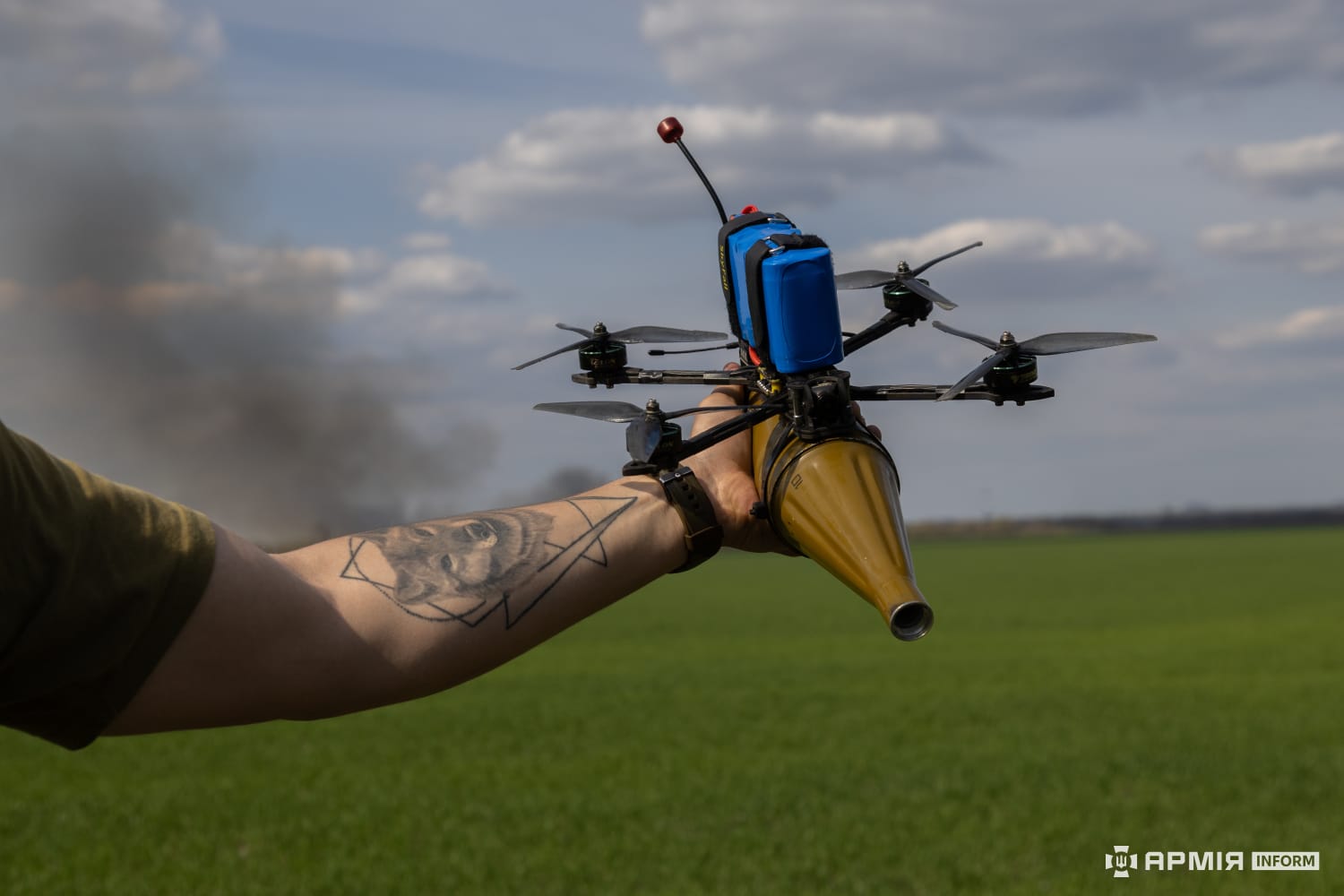
The requirements read like a wish list from the Ukrainian General Staff. The winning solution must destroy or neutralise aircraft on the ground, runways, fuel and lubricant storage, ammunition depots, hangars, and ground support infrastructure. NATO is technology-agnostic — drones of any class, autonomous loitering munitions, swarm systems, and "alternative delivery methods" are all in scope. But the fine print is where it gets hard. Whatever you propose must work at significant range, survive electronic warfare, operate without GPS or operator communication, and function in all weather, year-round. Oh, and they want a minimally functional version within six weeks.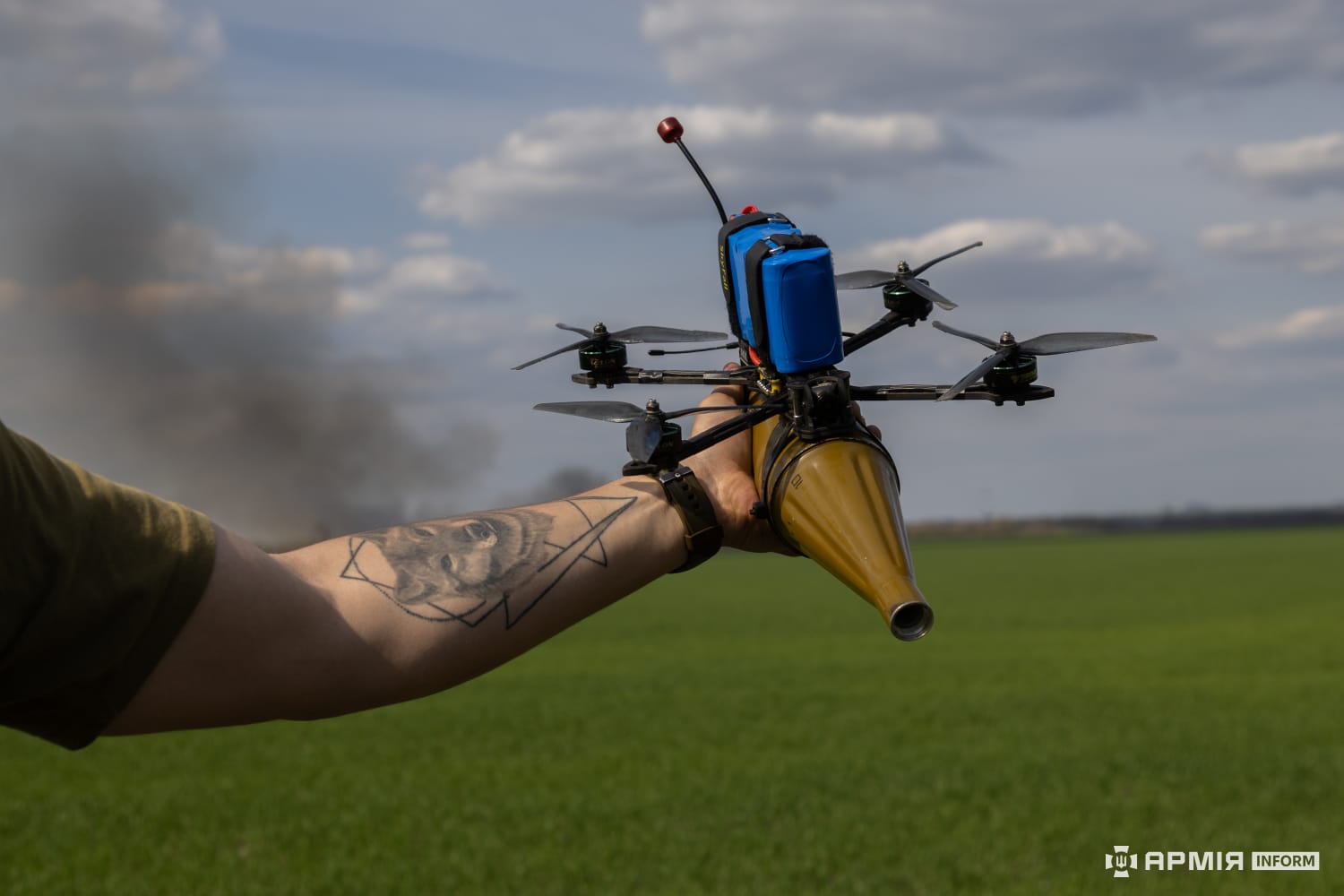
Ukraine Already Proved the Concept
This isn't a thought experiment. In June 2025, Ukraine launched Operation Spiderweb — a coordinated drone strike against multiple Russian strategic bomber bases deep inside the country. Pre-positioned drones hit Tu-95 and Tu-22M3 bombers on the ground, demonstrating that even heavily defended airfields could be reached with enough ingenuity and numbers. The lesson was clear: you don't need stealth fighters or cruise missiles to threaten an airbase. You need cheap, autonomous systems in sufficient quantity. The challenge documents cite that operational experience directly, stating the programme is "informed by Ukrainian operational experience."The Money and the Stakes
The €250,000 prize is modest by defence-industry standards — roughly the cost of a single Storm Shadow cruise missile. But the point isn't the cash. Winners get integration into NATO's defence structures, access to allied testing facilities, and a pipeline to operational deployment. For startups and small defence firms, that's worth more than the cheque. Up to ten finalists will be selected after the July deadline, with an in-person pitch day in Warsaw on 3 September. Eligibility is limited to organisations headquartered in a NATO member nation or Ukraine. The prize splits 10% on selection, 90% after a live demonstration.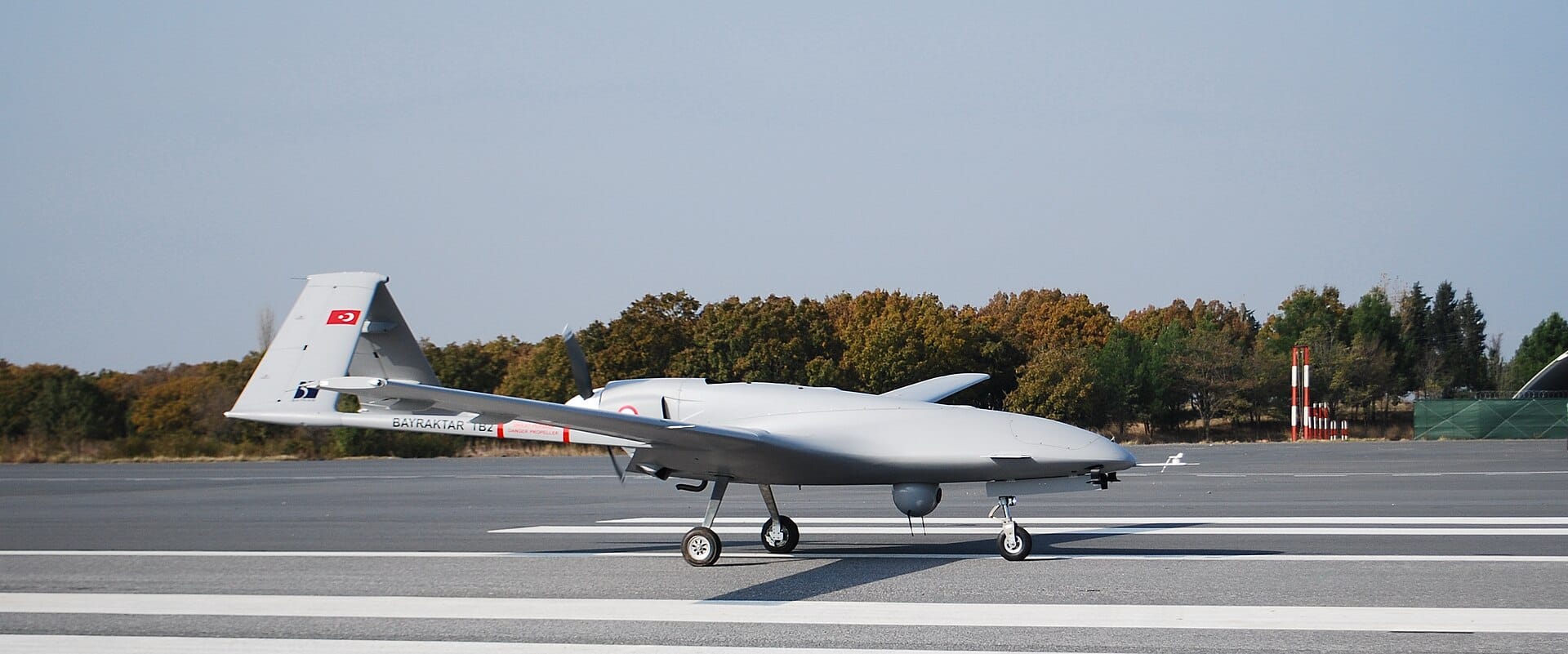
En resumen
NATO is essentially crowdsourcing a way to shut down enemy airfields permanently — and they're looking beyond the usual defence primes. The message to Russia's Aerospace Forces is blunt: those rear-area bases you've been operating from with impunity may have an expiration date.Preguntas relacionadas
What is airfield denial?
Airfield denial is the military strategy of making an enemy airfield unusable without necessarily destroying it permanently. Methods include cratering runways, disabling taxiways, destroying fuel and ammunition depots, and contaminating surfaces to prevent aircraft from taking off or landing safely.
Why is NATO offering a prize instead of developing this internally?
Innovation challenges tap into a wider pool of ideas than traditional defence procurement. The approach has worked for other military problems — DARPA has used similar competitions for autonomous vehicles and robotics. The relatively modest prize money is designed to attract startups and academics who might not normally work on defence problems.
How has Ukraine demonstrated airfield denial in the current war?
Ukraine has used long-range drones and ATACMS missiles to strike Russian air bases hundreds of kilometres behind the front lines, destroying aircraft on the ground and cratering runways. These strikes have forced Russia to relocate aircraft further from the front, reducing sortie rates and response times.
What are the current methods of airfield denial?
Traditional methods include runway-cratering submunitions (like the UK's JP233 or French Durandal), cruise missile strikes on infrastructure, and special forces sabotage. Emerging methods include loitering munitions, drone swarms, cyber attacks on air traffic control systems, and directed-energy weapons targeting parked aircraft.
Publicaciones relacionadas
NATO's Biggest Spring Drill Since the Cold War
El avión de despegue vertical alemán que perdió contra las matemáticas.
Sources: Defense Express, AeroTime, The Defense Post, NATO Allied Command Transformation
0 Comentarios