

No existe maniobra más segura en aviación que una maniobra de aterrizaje frustrado. Los datos son claros: los accidentes evitados gracias a esta maniobra superan con creces los accidentes causados por ella. Sin embargo, los pilotos de todo el mundo se resisten con una obstinación que desconcierta a cualquiera que analice las cifras.
Un aterrizaje frustrado suena sencillo: si la aproximación no es estable, se abandona el aterrizaje y se asciende a altitud para intentarlo de nuevo. Eso es todo. Pero el factor humano lo complica. Cuando un piloto está decidido a aterrizar, ejecutar un aterrizaje frustrado implica dejar de lado meses de impulso, decisiones y expectativas. Significa comunicar al control de tráfico aéreo, a los pasajeros, al responsable de la planificación del vuelo y a su propio orgullo que algo no va bien.
En ocasiones, el coste de no abortar el aterrizaje es catastrófico. Abortarlo siempre supone unos minutos adicionales y algo de combustible. Y, sin embargo, cada año, los pilotos aterrizan en condiciones que deberían haberles hecho cancelar el aterrizaje.
Qué es realmente un Go-around
Una maniobra de aterrizaje frustrado no es un procedimiento de emergencia. Es parte normal del vuelo. Es el procedimiento que se practica en el entrenamiento de vuelo, que se ejecuta con seguridad cientos de veces a lo largo de la carrera y que se debe realizar siempre que la aproximación no cumpla con los criterios de aterrizaje. La mecánica es sencilla: aplicar la máxima potencia, establecer una tasa de ascenso positiva, retraer el tren de aterrizaje, desplegar los flaps progresivamente y ascender a una altitud segura.
La decisión de realizar una maniobra de aterrizaje frustrado puede ser tomada por el piloto al mando, el piloto que supervisa el vuelo, el control de tráfico aéreo o (en algunas aerolíneas) incluso por un sistema como el de alerta de proximidad al terreno. No requiere una avería. Cambios meteorológicos inesperados. Otra aeronave que no abandona la pista. Una aproximación inestable. Una emergencia médica a bordo. Una bandada de pájaros. En las operaciones aéreas, un aterrizaje frustrado no es señal de fallo. Es señal de que los procedimientos están funcionando.
Datos clave: La realidad de Go-Around
- Tasa de aterrizajes frustrados: Las aerolíneas registran un promedio de 0,5 a 1,5 aterrizajes frustrados por cada 1000 aproximaciones.
- Umbral de aproximación inestable: Por debajo de 500 pies en la aproximación final, se aplican límites específicos de velocidad de descenso y alineación.
- Asiana 214 (2013): Los pilotos descendieron por debajo de los criterios de estabilización; no se realizó la maniobra de aterrizaje frustrado.
- Sesgo de continuación del plan: tendencia cognitiva a continuar con los planes comprometidos a pesar de la evidencia en contra.
- Evolución del entrenamiento: Las principales aerolíneas ahora utilizan escenarios de aterrizaje frustrado en casi todas las sesiones de simulador.

La psicología del sesgo de continuación del plan
Llevas meses planeando este vuelo. Has presentado el plan de vuelo, realizado el cálculo de peso y balance, preparado la aproximación, coordinado con el control de aproximación, seguido las instrucciones del ATC, descendido a través de las nubes y salido de la zona de turbulencias. Estás en la aproximación final con la pista a la vista. Has consumido doce mil libras de combustible. Sientes que cada decisión que te trajo hasta aquí fue la correcta.
Y ahora algo no cuadra del todo. El viento ha cambiado. El techo de nubes es más bajo de lo previsto. El descenso es menos pronunciado de lo que debería. En realidad, no hay nada malo. Pero tampoco hay nada del todo bien.
Este es el momento en que el sesgo de continuidad del plan toma el control. No es una elección deliberada. Es un sesgo cognitivo tan poderoso como cualquier otro en psicología. Te has comprometido con un plan: llegar a este aeropuerto, aterrizar en esta pista, realizar esta aproximación. Tu cerebro ha invertido en ese plan. Abandonarlo se siente como una pérdida. El cerebro se resiste naturalmente a la pérdida. Así que los pilotos racionalizan: “Puedo aumentar un poco la pendiente del descenso”. “Puede que el viento amaine”. “La pista es lo suficientemente larga si necesito usarla casi por completo”.”
Y cuanto más te adentras en la aproximación, más se acentúa este sesgo. A 2000 pies, una maniobra de aterrizaje frustrado resulta inconveniente. A 500 pies, resulta embarazosa. A 200 pies, resulta desesperada. Pero el umbral de seguridad no cambia. La inestabilidad a 200 pies sigue siendo inestabilidad a 200 pies.
Los pilotos profesionales lo llaman “la obsesión por llegar a la meta”: ese profundo impulso humano de completar la misión una vez iniciada. Probablemente ha salvado a la humanidad en infinidad de ocasiones. También ha costado la vida a muchos pilotos.
Cuando no tomar una ruta alternativa terminó en desastre
Vuelo 214 de Asiana Airlines, julio de 2013. Un Boeing 777 se aproximaba a San Francisco. Los pilotos desactivaron incorrectamente el acelerador automático, y la aeronave descendió a una senda de planeo menos pronunciada de lo requerido. A 1500 pies de altitud, deberían haber detectado una aproximación inestable. No lo hicieron. A 500 pies, los criterios de estabilización para continuar la aproximación se incumplieron claramente. Aun así, continuaron. La aeronave impactó contra el malecón antes de la pista, causando la muerte de tres pasajeros e hiriendo a decenas. La investigación concluyó que una maniobra de aterrizaje frustrado en cualquier punto después de los 1500 pies habría evitado el accidente por completo.
Vuelo 1951 de Turkish Airlines, febrero de 2009. Un Boeing 737 se aproximaba al aeropuerto de Schiphol en Ámsterdam durante condiciones meteorológicas adversas. El sistema de aterrizaje instrumental (ILS) no funcionaba correctamente, proporcionando información inexacta sobre la senda de planeo. Los pilotos debieron haber abortado el aterrizaje cuando su altitud no coincidía con la configuración de la pista que observaban. Sin embargo, descendieron de todos modos, impactaron contra el suelo a 1 km de la pista y murieron nueve de las 135 personas a bordo. Una maniobra de aterrizaje frustrado cuando la situación no coincidía con el plan habría evitado por completo esta tragedia.
No se trata de anomalías, sino de advertencias. Y siguen ocurriendo porque el sesgo es realmente difícil de superar.

Las estadísticas que explican por qué aún dudamos
Lo que sorprende a todos es que las principales aerolíneas realizan maniobras de aterrizaje frustrado a una tasa de aproximadamente 0,5 a 1,5 por cada mil aproximaciones. Esto parece bajo hasta que se consideran las cifras absolutas. Solo en Estados Unidos hay unos 40 000 vuelos comerciales al día. A razón de 1 aterrizaje frustrado por cada mil aproximaciones, eso son 40 aterrizajes frustrados al día solo en EE. UU. Multipliquemos eso a nivel mundial. La mayoría de los aterrizajes frustrados transcurren sin incidentes. Cambios meteorológicos. Otro avión no cede el paso. Se realiza un aterrizaje frustrado, se recupera la altitud y la siguiente aproximación es estable.
Es mucho más difícil cuantificar las tasas de aterrizajes frustrados en la aviación general, ya que esta no informa de cada aproximación. Sin embargo, los datos de accidentes son reveladores. En las investigaciones de accidentes, las frases "falló el aterrizaje frustrado" o "continuó la aproximación inestable" aparecen con demasiada frecuencia en la sección de causa probable.
El análisis de costo-beneficio es asombroso. Una maniobra de aterrizaje frustrado típica para un vuelo comercial cuesta unos cientos de dólares en combustible y tiempo de servicio de la tripulación, retrasando la llegada quizás 15 minutos. Un accidente por una maniobra de aterrizaje frustrado que no se llevó a cabo cuesta cientos de millones de dólares y vidas que se pierden irreparablemente.
Cómo está evolucionando el entrenamiento para desarrollar el coraje de decir "No"
La formación de pilotos de aerolíneas modernas ha cambiado radicalmente en la última década. Los escenarios de aterrizaje frustrado ya no son un evento ocasional; están integrados en casi todas las sesiones de simulador. No solo se practican los aterrizajes frustrados, sino también aquellos que se producen en situaciones incómodas. Aterrizajes frustrados a 90 metros de altitud cuando el aterrizaje parecía seguro. Aterrizajes frustrados cuando el control de tráfico aéreo autoriza el aterrizaje, pero algo no se percibe correctamente.
El objetivo no es enseñar a los pilotos a abortar el aterrizaje —todos lo saben—. El objetivo es recalibrar su respuesta instintiva ante la incertidumbre. Si un piloto ha dedicado suficiente tiempo de entrenamiento a abortar aproximaciones inestables, entonces, en la pista, abortar el aterrizaje se convierte en la respuesta automática, no en la excepción desesperada.
Algunas aerolíneas incluso han modificado sus políticas sobre cómo se abordan las maniobras de aterrizaje frustrado en los informes posteriores al vuelo. En lugar de preguntar "¿por qué el piloto realizó la maniobra de aterrizaje frustrado?" (dando a entender que era cuestionable), preguntan "¿el piloto realizó la maniobra cuando debía haberlo hecho?" (dando a entender que podría haber sido demasiado tarde). El lenguaje importa. La cultura importa.
En la aviación general, donde la formación es más variable, organizaciones como la Asociación de Propietarios y Pilotos de Aeronaves y las escuelas de vuelo locales están haciendo mayor hincapié en las maniobras de aterrizaje frustrado. Los estándares de competencia de la FAA para pilotos con habilitación para vuelo instrumental ahora incluyen explícitamente las maniobras de aterrizaje frustrado bajo diversas condiciones meteorológicas y de viento.
El momento que lo cambia todo
Todo piloto profesional tiene un momento en el que domina la maniobra de aterrizaje frustrado. Quizás fue un incidente cercano a un aterrizaje forzoso durante la aproximación que le obligó a abortar el aterrizaje. Quizás fue una sesión en el simulador donde el instructor simuló una falla de equipo en la aproximación final. O quizás fue simplemente la centésima vez que realizaba una maniobra de aterrizaje frustrado en el entrenamiento, cuando dejó de parecer una emergencia y empezó a sentirse como algo normal.
Después de ese momento, la decisión se vuelve más fácil. No estás superando el sesgo de continuidad del plan con fuerza de voluntad, sino con el hábito. Y el hábito es más fuerte que el sesgo.
Los pilotos más seguros no son los que nunca se enfrentan a aproximaciones inestables. Son los que reconocen la inestabilidad y se han entrenado tan a fondo en la respuesta de aterrizaje frustrado que la decisión les resulta automática. No temeraria. No conservadora. Simplemente clara.
Fuentes: Informes de accidentes de la Junta Nacional de Seguridad del Transporte (Asiana 214, Turkish Airlines 1951), Circular Consultiva AC 120-71B de la FAA sobre procedimientos de aproximación estabilizada, manuales de entrenamiento de vuelo de fabricantes de aeronaves, investigación sobre sesgos cognitivos en la toma de decisiones en aviación, normas operacionales del Anexo 6 de la OACI.
Preguntas relacionadas
¿Qué es una maniobra de aterrizaje frustrado en aviación?
Un aterrizaje frustrado se produce cuando un piloto aborta un aterrizaje y asciende para intentarlo de nuevo. Es una maniobra de seguridad normal y practicada, no un fallo, que se ejecuta cuando la aproximación es inestable, la pista no está despejada o las condiciones no son las adecuadas. Las aerolíneas realizan, en promedio, entre 0,5 y 1,5 aterrizajes frustrados por cada 1000 aproximaciones.
¿Qué es un enfoque estabilizado?
Una aproximación estabilizada significa que la aeronave está configurada correctamente, en la trayectoria y velocidad adecuadas, y alineada con la pista a una altura determinada, normalmente 500 pies en la aproximación final. Si no se cumplen estos criterios por debajo de esa puerta de embarque, los procedimientos de la aerolínea exigen una maniobra de aterrizaje frustrado inmediata en lugar de continuar el descenso.
¿Qué causó el accidente del vuelo 214 de Asiana Airlines?
El vuelo 214 de Asiana Airlines se estrelló en San Francisco en 2013 después de que los pilotos descendieran por debajo de los criterios de estabilización durante la aproximación y no realizaran una maniobra de aterrizaje frustrado. Se convirtió en un ejemplo clásico del sesgo de continuidad del plan, la tendencia cognitiva a seguir adelante con un plan ya establecido a pesar de la evidencia de que es inseguro.
¿Con qué frecuencia se producen las maniobras de desvío?
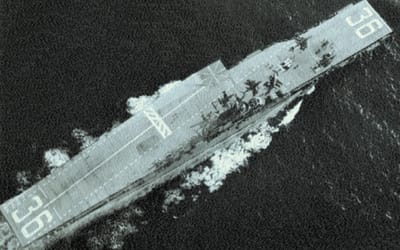
Las maniobras de aterrizaje frustrado son poco comunes pero rutinarias: las aerolíneas realizan un promedio de entre 0,5 y 1,5 por cada 1.000 aproximaciones, y las principales aerolíneas ahora las ensayan en casi todas las sesiones de simulador. La maniobra exige la misma disciplina que otros aterrizajes de alto riesgo, como aterrizajes nocturnos en portaaviones.
¿Por qué los pilotos dudan en dar un rodeo?
Los pilotos a veces dudan debido al sesgo de continuación del plan, el instinto de seguir adelante con un aterrizaje al que se han comprometido a pesar de las crecientes señales de advertencia. El entrenamiento ahora contrarresta esto directamente. El peligro es mayor cuando la fatiga o la presión se combinan con una aproximación al aeropuerto que sea difícil o peligrosa.
0 Comentarios