
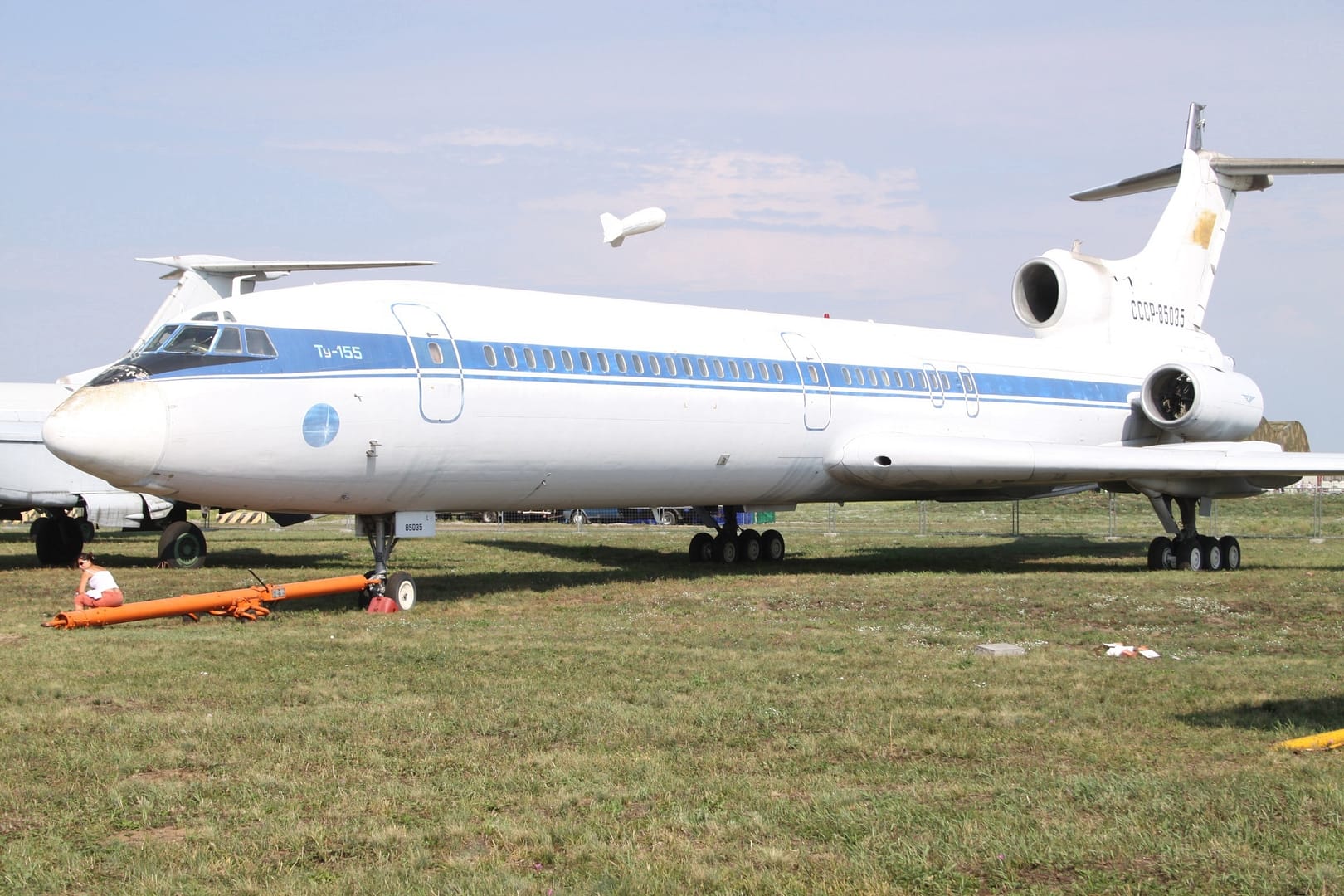
El 15 de abril de 1988, un avión de pasajeros Tupolev Tu-154 modificado despegó del aeródromo Zhukovsky de Moscú con uno de sus tres motores funcionando con hidrógeno líquido. Ascendió a gran altitud, realizó un circuito y aterrizó sin incidentes. La aeronave fue designada Tu-155 y, por un breve e insólito instante, representó el experimento de propulsión más avanzado de la historia de la aviación.
Treinta y ocho años después, mientras Airbus, Boeing y un sinfín de empresas emergentes compiten por desarrollar aviones comerciales propulsados por hidrógeno, el Tu-155 sigue siendo el único avión de pasajeros de tamaño real que ha volado con combustible de hidrógeno. La Unión Soviética fue la primera en lograrlo. Luego colapsó, y el proyecto murió con ella.
El motor criogénico
El programa Tu-155 comenzó en 1980 bajo la dirección de la Oficina de Diseño Tupolev, con el objetivo de demostrar que los combustibles criogénicos —hidrógeno líquido (LH2) y, posteriormente, gas natural licuado (GNL)— podían propulsar un avión comercial. La aeronave anfitriona fue un Tu-154B estándar, el avión de pasajeros de medio alcance más utilizado por la Unión Soviética, al que se le sustituyó el motor de estribor (n.º 3) por un turbofán Kuznetsov NK-88 modificado, diseñado para funcionar con hidrógeno.
Los desafíos de ingeniería fueron formidables. El hidrógeno líquido debía almacenarse a -253 °C, apenas 20 grados por encima del cero absoluto. El tanque de combustible, instalado en la parte trasera del fuselaje donde normalmente se ubicarían los asientos de pasajeros, era un recipiente criogénico con aislamiento al vacío que pesaba más de una tonelada vacío. El sistema de suministro de combustible requería bombas, válvulas y sellos completamente nuevos, capaces de manejar un fluido que hierve a temperatura ambiente y se filtra a través de casi cualquier material. La cámara de combustión del NK-88 se rediseñó para manejar las características de llama drásticamente diferentes del hidrógeno: el hidrógeno arde a mayor temperatura, más rápido y con una llama casi invisible.
A pesar de estos obstáculos, el Tu-155 voló con éxito. En abril de 1988 se realizaron cinco vuelos con hidrógeno líquido, seguidos de más de 100 vuelos con gas natural licuado (GNL) entre 1989 y 1990. Los vuelos con GNL fueron de gran importancia operativa: la aeronave cubrió rutas desde Moscú a Bratislava, Hannover y Niza, demostrando que el combustible criogénico podía mantener un perfil de vuelo comercial normal.
¿Por qué el hidrógeno?
El interés soviético por el hidrógeno se debía más a la seguridad energética que a la preocupación medioambiental. Las vastas reservas de gas natural de la URSS convertían al GNL en una alternativa atractiva al queroseno, cuya producción requería una capacidad de refinación de petróleo que la economía soviética tenía dificultades para mantener. El hidrógeno, que se podía producir mediante electrólisis del agua utilizando electricidad generada por energía nuclear, ofrecía una fuente de combustible aún más independiente desde el punto de vista estratégico.
Pero la física del hidrógeno también ofrecía ventajas de rendimiento reales. El hidrógeno tiene aproximadamente 2,8 veces más energía por kilogramo que el queroseno. Un avión que quema hidrógeno produce únicamente vapor de agua como gases de escape: ni CO2, ni partículas, ni compuestos de azufre. En una época en la que el cambio climático aún no era una prioridad política, los ingenieros soviéticos consideraron estas características como beneficios a largo plazo que merecían ser aprovechados.
El problema —y es uno importante— radica en la densidad. El hidrógeno líquido tiene aproximadamente una cuarta parte de la energía por litro de queroseno. Para transportar la misma energía total, un avión de hidrógeno necesita depósitos de combustible cuatro veces más grandes. Por eso, el depósito de hidrógeno del Tu-155 ocupaba una gran parte de la cabina de pasajeros, y por eso todos los conceptos modernos de aviones de hidrógeno —desde el ZEROe de Airbus hasta empresas emergentes como ZeroAvia y Universal Hydrogen— se enfrentan al mismo dilema fundamental entre el peso y el volumen del combustible.
El Tu-156: El avión de pasajeros que nunca existió.
Animado por el éxito del Tu-155, Tupolev propuso el Tu-156, un avión de pasajeros diseñado específicamente para funcionar con hidrógeno y GNL, basado en la estructura del Tu-204, con los tres motores adaptados para funcionar con combustible criogénico y depósitos de combustible integrados rediseñados. El Tu-156 estaba previsto que entrara en servicio a mediados de la década de 1990, con capacidad para transportar hasta 164 pasajeros en rutas de medio alcance.
Nunca pasó de la fase de diseño. El colapso de la Unión Soviética en 1991 puso fin a la financiación estatal de casi todos los programas de aviación avanzada. La infraestructura de combustible criogénico necesaria —plantas de licuefacción de hidrógeno en aeropuertos, sistemas de repostaje aislados, protocolos de seguridad— nunca se construyó. El prototipo del Tu-155 quedó inmovilizado, finalmente estacionado en el Instituto de Investigación de Vuelo Gromov y prácticamente olvidado.
El eco moderno
Casi cuatro décadas después, la industria aeronáutica ha redescubierto lo que los ingenieros soviéticos ya demostraron: el hidrógeno puede volar. Airbus se ha comprometido a poner en servicio un avión de pasajeros propulsado por hidrógeno para 2035 dentro de su programa ZEROe. Rolls-Royce y easyJet realizaron con éxito pruebas en tierra de un motor turbohélice AE 2100-A de hidrógeno en 2022. ZeroAvia está realizando pruebas de vuelo de sistemas de propulsión de pila de combustible de hidrógeno en aviones de pasajeros Dornier 228 modificados.
Cada uno de estos programas se enfrenta a los mismos desafíos que el equipo del Tu-155 resolvió en la década de 1980: almacenamiento criogénico, suministro de combustible, dinámica de la combustión y el enorme coste volumétrico del hidrógeno líquido. La diferencia radica en que, en 2026, la motivación no es la seguridad energética, sino la supervivencia climática, y las herramientas de ingeniería disponibles (dinámica de fluidos computacional, materiales compuestos avanzados, almacenamiento de hidrógeno en estado sólido) representan una generación anterior a las que tenía el equipo de Tupolev.
El Tu-155 se cita con frecuencia en la literatura moderna sobre aviación con hidrógeno, pero rara vez se le reconoce el mérito que merece. No fue un estudio conceptual. No fue un prototipo a escala reducida. Fue un avión de pasajeros de tamaño real y tres motores que voló con hidrógeno y demostró que el concepto funcionaba, treinta y ocho años antes de que nadie más lo lograra.
El prototipo aún permanece en Zhukovsky, deteriorado y prácticamente olvidado. Si Airbus logra lanzar el ZEROe en 2035, los ingenieros que lo hicieron posible tal vez quieran visitar Moscú y rendirle homenaje. La Unión Soviética llegó primero.
Fuentes: Archivos de la Oficina de Diseño Tupolev, Aviation Week, Flight International, Royal Aeronautical Society
Preguntas relacionadas
¿Qué era el Tupolev Tu-155?
El Tupolev Tu-155 era un avión de pasajeros soviético Tu-154 modificado que se convirtió en el primer avión de pasajeros de gran tamaño en volar con hidrógeno como combustible. El 15 de abril de 1988 despegó del aeródromo Zhukovsky de Moscú con uno de sus tres motores funcionando con hidrógeno líquido, completó un circuito y aterrizó sin incidentes. Sigue siendo el único avión de pasajeros de gran tamaño que ha volado con hidrógeno.
¿Cuándo voló el primer avión de pasajeros propulsado por hidrógeno?
El primer avión de pasajeros propulsado por hidrógeno voló el 15 de abril de 1988, cuando el Tupolev Tu-155 soviético realizó su vuelo inaugural desde el aeródromo de Zhukovsky, cerca de Moscú. En total, se realizaron cinco vuelos con hidrógeno líquido ese mes de abril. La Unión Soviética logró esto casi cuatro décadas antes de que los programas occidentales de aeronaves de hidrógeno llegaran a la fase de pruebas de vuelo.
¿Por qué los soviéticos utilizaban hidrógeno y gas natural como combustible para los aviones?
El interés soviético por los combustibles criogénicos se debía principalmente a la seguridad energética, más que al medio ambiente. Las vastas reservas de gas natural de la URSS convertían al gas natural licuado en una alternativa atractiva al queroseno, cuya producción requería una escasa capacidad de refinación de petróleo. El hidrógeno, que se podía producir mediante electrólisis con electricidad nuclear, ofrecía un combustible aún más independiente desde el punto de vista estratégico, y transporta aproximadamente 2,8 veces más energía por kilogramo que el queroseno.
¿El Tu-155 voló con combustibles distintos al hidrógeno?
Sí. Tras sus vuelos con hidrógeno líquido, el Tu-155 realizó más de 100 vuelos con gas natural licuado (GNL) entre 1989 y 1990. Estos vuelos con GNL fueron operacionalmente importantes, ya que cubrieron rutas desde Moscú a Bratislava, Hannover y Niza, y demostraron que el combustible criogénico podía mantener un perfil de vuelo comercial normal.
¿Qué sucedió con el programa soviético de aviones de hidrógeno?
El programa terminó con la Unión Soviética. Un derivado de producción planificado, el Tu-156, destinado a transportar hasta 164 pasajeros y entrar en servicio a mediados de la década de 1990, nunca pasó de la mesa de dibujo. El colapso soviético de 1991 puso fin a la financiación, la infraestructura criogénica necesaria nunca se construyó y el prototipo quedó en tierra y prácticamente olvidado. Al igual que el Concorde soviético, Fue una idea audaz que la economía superó.
¿Algún avión comercial ha volado con hidrógeno desde el Tu-155?
Ningún avión de pasajeros de tamaño completo ha volado con hidrógeno desde el Tu-155. Sin embargo, los esfuerzos modernos están avanzando: Airbus se ha comprometido a tener un avión de pasajeros propulsado por hidrógeno para 2035 dentro de su programa ZEROe, Rolls-Royce y easyJet realizaron pruebas en tierra de un motor de combustión de hidrógeno en 2022, y empresas emergentes como ZeroAvia están desarrollando sistemas de propulsión de hidrógeno para aeronaves más pequeñas.
¿Cuáles son las ventajas del hidrógeno como combustible para la aviación?
El hidrógeno ofrece dos ventajas principales como combustible para la aviación. En primer lugar, contiene aproximadamente 2,8 veces más energía por kilogramo que el queroseno, lo que mejora la eficiencia energética por peso. En segundo lugar, la combustión del hidrógeno produce únicamente vapor de agua en lugar de dióxido de carbono, eliminando así las emisiones de CO₂ en el punto de uso. Los inconvenientes radican en el almacenamiento y la infraestructura: el hidrógeno debe mantenerse a temperaturas criogénicas y requiere sistemas de repostaje completamente nuevos.

0 Comentarios