
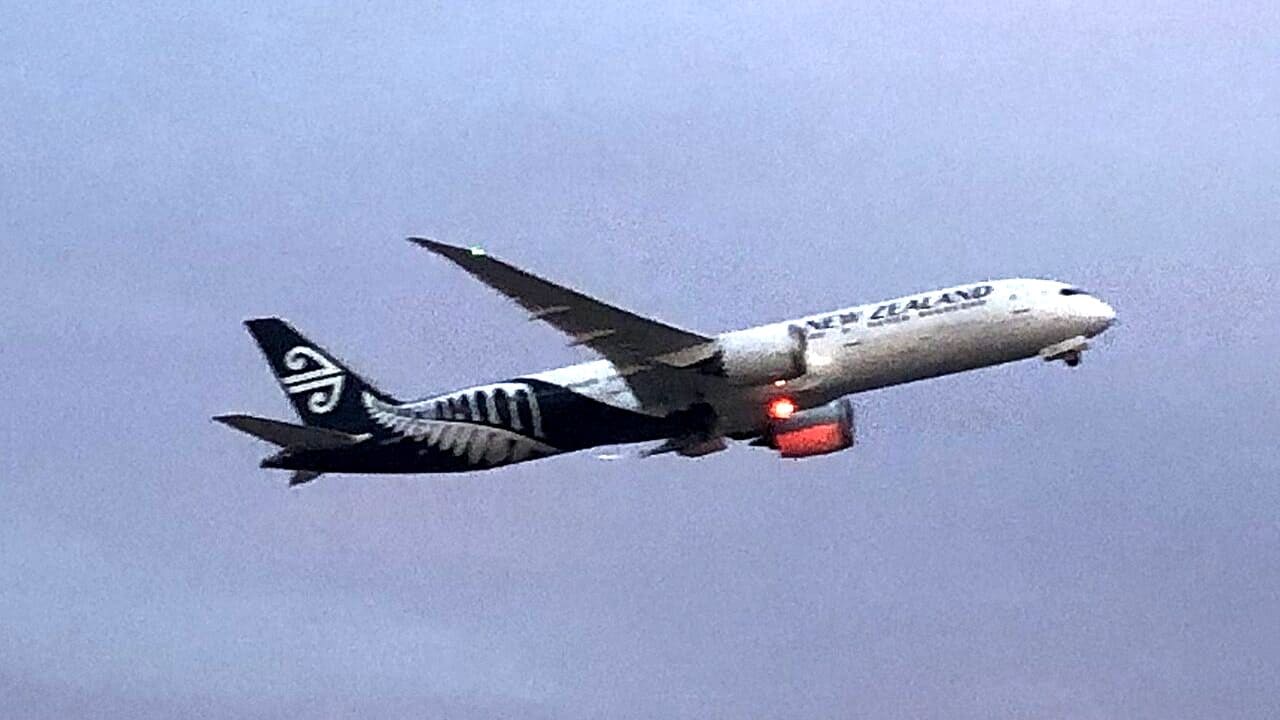
Dans la terre rouge d'Alice Springs, au cœur de l'Outback australien, un Boeing 787-9 est resté immobilisé pendant près d'un an – ni en panne, ni hors service, simplement en attente de moteurs. Le 28 juin, il a finalement rejoint Auckland, et avec lui, Air New Zealand a discrètement tourné la page sur l'un des chapitres les plus frustrants de son histoire : pour la première fois depuis le début de la crise des moteurs Rolls-Royce Trent 1000, la compagnie aérienne n'a plus d'avions gros-porteurs en stockage.
Deux jours plus tard, le Dreamliner de douze ans, immatriculé ZK-NZD, était de retour à sa place — transportant des passagers payants à travers le Pacifique jusqu'à San Francisco.
Informations clés : Récupération des moteurs d'Air New Zealand
| L'étape importante | Aucun avion gros-porteur n'est stocké pour la première fois depuis le début de la pénurie de moteurs Trent 1000. |
| Le dernier est revenu | 787-9 ZK-NZD — stationné à Alice Springs depuis septembre 2025, rapatrié le 28 juin, remis en service le 30 juin |
| Pointe de la crise | Cinq des quatorze Boeing 787-9 d'Air New Zealand immobilisés simultanément |
| La cause | Pénurie mondiale de moteurs Rolls-Royce Trent 1000 et de capacités de révision |
| Et ensuite ? | Deux nouveaux 787-9 seront livrés d'ici fin 2026 ; de nouvelles liaisons seront ouvertes entre Christchurch et Singapour, Tokyo et Perth. |
La crise qui a immobilisé une flotte
Air New Zealand n'a commis aucune faute. Ses Dreamliners fonctionnaient parfaitement. Cependant, les moteurs Trent 1000 qui les équipent constituent un véritable casse-tête mondial depuis des années : leur fragilité engendre des révisions bien plus fréquentes que prévu, et les ateliers de réparation du monde entier étaient tout simplement débordés. Faute de moteurs de rechange, les compagnies aériennes se sont retrouvées dans une situation absurde : des avions en parfait état de marche, mais sans aucune pièce de rechange.
Au plus fort de la crise, cinq des quatorze Boeing 787-9 d'Air New Zealand étaient immobilisés au sol, soit plus d'un tiers de sa flotte long-courrier. Pour un pays insulaire situé au terminus des plus longues liaisons aériennes du monde, il ne s'agissait pas d'un simple désagrément, mais d'un problème structurel majeur pour le tourisme et le commerce.
Changements de moteur dans l'Outback
Le plan de récupération avait une saveur typiquement néo-zélandaise. Le stationnement longue durée étant rare à Auckland et le climat humide de la Nouvelle-Zélande étant défavorable aux avions stockés, les Dreamliners immobilisés ont été transférés vers l'air sec du désert d'Alice Springs. Ensuite, plutôt que de laisser les moteurs inactifs sur les ailes immobilisées, la compagnie aérienne a dépêché des équipes dans l'arrière-pays pour les démonter et les intégrer à la chaîne de révision.
Ça a fonctionné. Un à un, les Dreamliners sont rentrés à leur base, et avec le retour du ZK-NZD, la ligne de stockage à Alice Springs est vide — du moins en ce qui concerne les gros-porteurs d'Air New Zealand.
Mode de croissance, enfin
Avec l'ensemble de sa flotte en service, la compagnie aérienne passe de la gestion des crises à l'expansion : un programme de rénovation des cabines achevé, deux 787-9 flambant neufs arrivant d'ici la fin de l'année et de nouvelles liaisons reliant Christchurch à Singapour, Tokyo et Perth.
Un bémol toutefois : deux Airbus A320neo de la compagnie restent immobilisés au sol en raison de problèmes de moteurs Pratt & Whitney, contre six au plus fort de la crise. L’époque des flottes aériennes en parfait état de fonctionnement ne semble pas encore révolue. Mais après des années de Dreamliners cloués au sol, une semaine sans avions d’Air New Zealand dans l’arrière-pays australien est une excellente nouvelle.
Sources : Air New Zealand, FlightGlobal, AeroTime, Simple Flying
Questions connexes
Qu’était-ce que la crise du Rolls-Royce Trent 1000 ?
La crise des Trent 1000 désigne les problèmes de durabilité des moteurs Trent 1000 de Rolls-Royce qui équipent de nombreux Boeing 787 Dreamliner, obligeant les compagnies aériennes à retirer les moteurs pour des inspections et des révisions répétées. La pénurie qui en a résulté a immobilisé des avions chez des transporteurs comme Air New Zealand, faute de moteurs, un problème qui a persisté pendant des années avant de finalement s'atténuer en 2026.
Pourquoi les Dreamliners d'Air New Zealand ont-ils été immobilisés au sol ?
Les Boeing 787-9 d'Air New Zealand étaient immobilisés non pas en raison de pannes, mais par manque de moteurs Trent 1000 en état de marche, les moteurs étant immobilisés dans une chaîne de révision saturée. Pour un pays insulaire situé au bout des plus longues routes aériennes du monde, l'immobilisation de gros-porteurs constituait un problème structurel majeur pour le tourisme et le commerce.
Pourquoi les avions de chasse étaient-ils entreposés à Alice Springs ?
Air New Zealand a immobilisé ses Dreamliners à Alice Springs, dans l'arrière-pays australien, car les places de stationnement longue durée sont rares à Auckland et le climat humide de la Nouvelle-Zélande est défavorable aux avions stockés. L'air sec du désert préserve les cellules, et des équipes se sont même rendues dans l'arrière-pays pour démonter les moteurs des ailes immobilisées et les intégrer à la chaîne de révision.
Quel moteur équipe le Boeing 787 Dreamliner ?
Le Boeing 787 Dreamliner est proposé avec deux motorisations : le Rolls-Royce Trent 1000 et le General Electric GEnx. La flotte d’Air New Zealand était équipée du Trent 1000, ce qui explique pourquoi les problèmes de fiabilité de ce moteur ont durement touché la compagnie. La fiabilité des moteurs est essentielle à la sécurité, car des incidents graves peuvent survenir. incidents de panne des deux moteurs montrer.
Quand Air New Zealand a-t-elle restitué son dernier 787 stocké ?
Le dernier avion stocké, un 787-9 ZK-NZD de 12 ans, était immatriculé à Alice Springs depuis septembre 2025 et a été rapatrié à Auckland le 28 juin 2026. Deux jours plus tard, il a repris du service en transportant des passagers vers San Francisco, marquant la première fois depuis le début de la crise des Trent 1000 que la compagnie aérienne n'avait aucun gros-porteur en stockage.
Pourquoi la disponibilité des moteurs est-elle si importante pour les compagnies aériennes ?
Pour une compagnie aérienne assurant des liaisons long-courriers à faible trafic, chaque gros-porteur immobilisé au sol représente une perte de capacité considérable et difficile à remplacer, pénalisant les vols réguliers, le tourisme et le commerce. Les pénuries de moteurs peuvent immobiliser des avions en parfait état de marche pendant des mois. Les enjeux économiques liés au stationnement et à la remise en service des gros porteurs rappellent d'autres situations similaires, telles que… L'histoire du retour de l'A380.


0 commentaire