
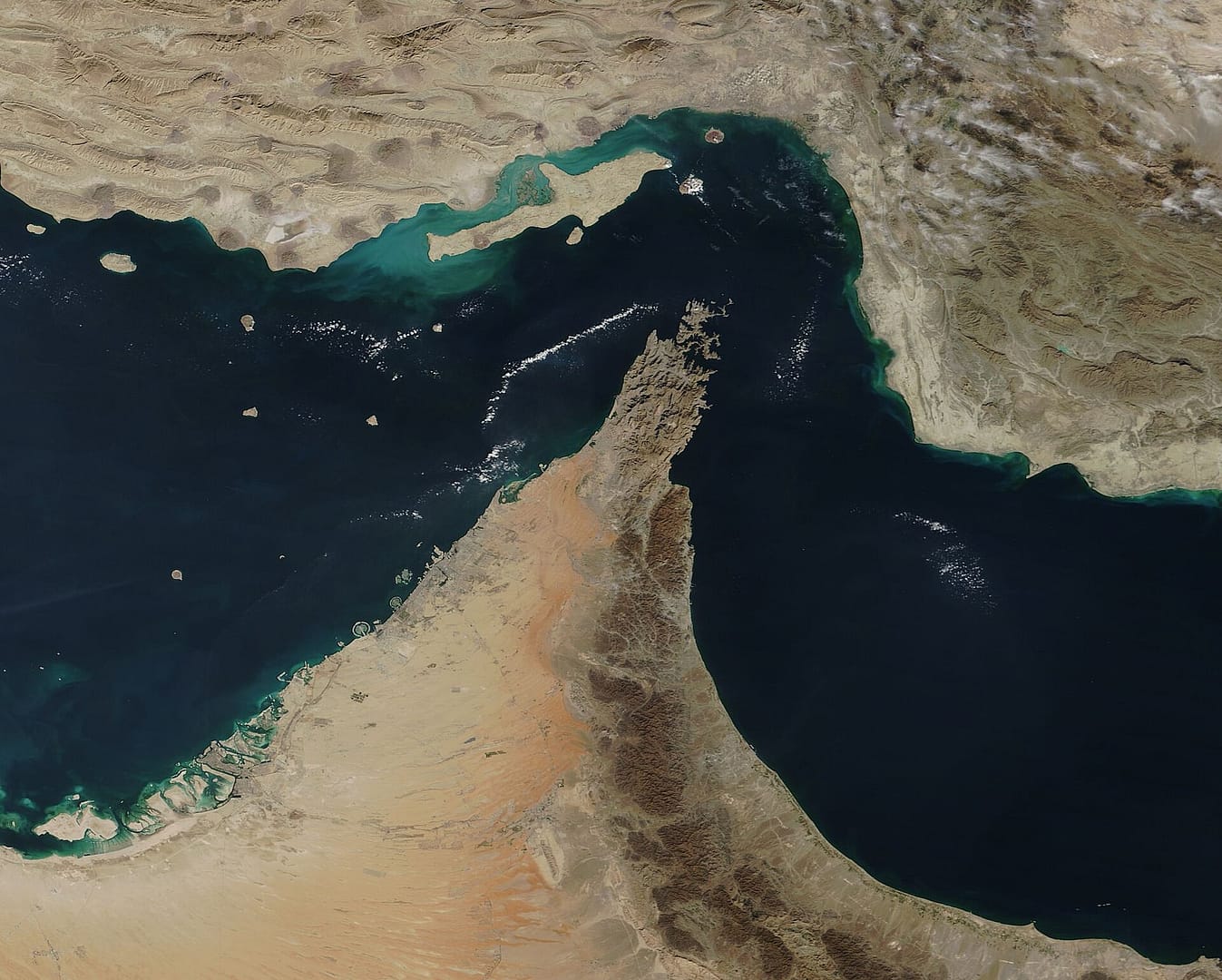
Le Corps des gardiens de la révolution islamique a mené dimanche des frappes contre des installations militaires américaines de l'autre côté du golfe Persique, lançant des missiles balistiques et des drones armés sur des bases au Koweït et à Bahreïn, dans ce que Téhéran a qualifié de riposte directe. Frappes américaines contre des cibles iraniennes près du détroit d'Ormuz la veille. Il s'agissait de l'attaque iranienne la plus dispersée géographiquement contre les forces américaines depuis le début de la guerre, le 28 février.
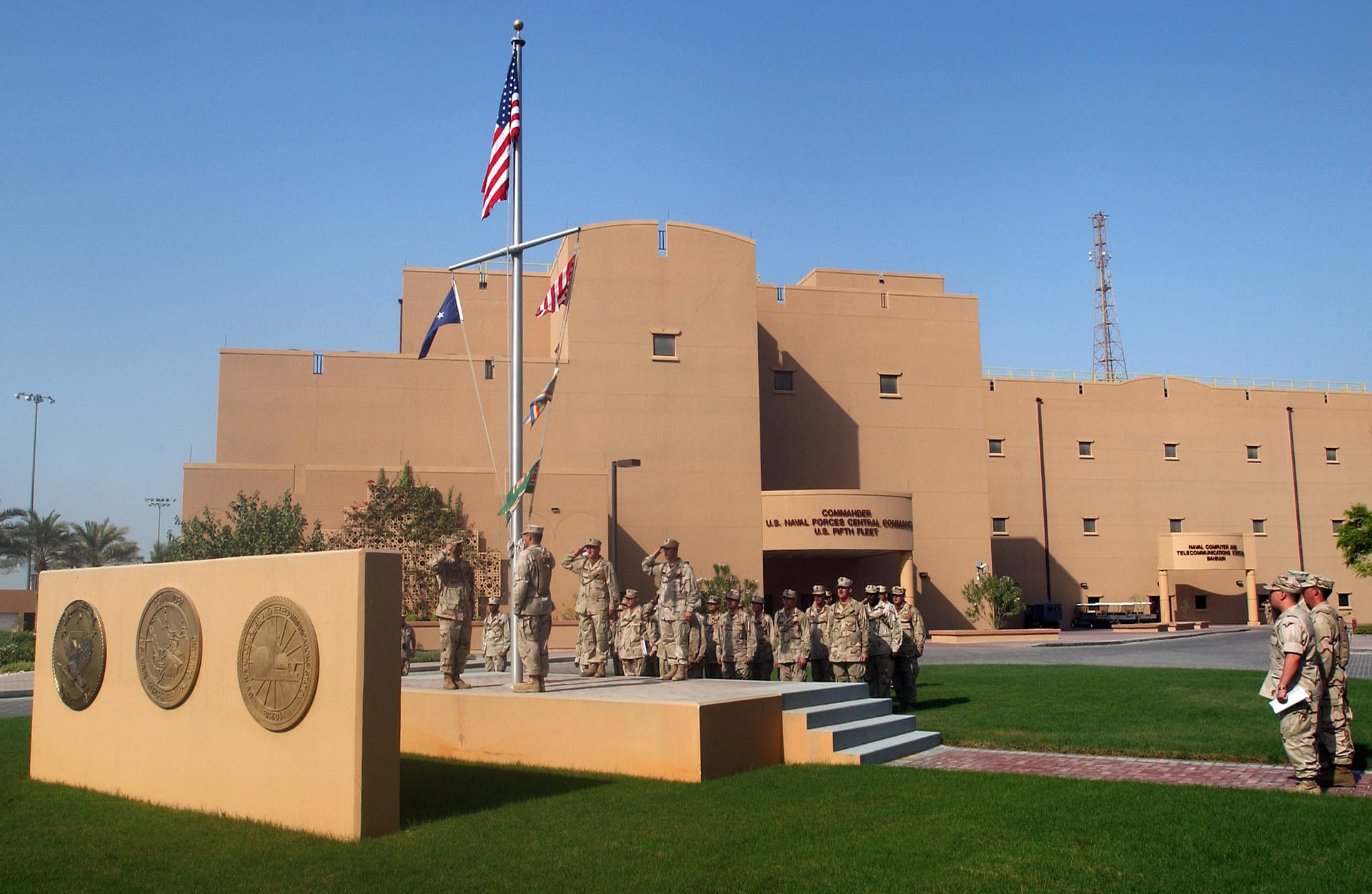
Le Corps des gardiens de la révolution islamique a confirmé qu'il avait ciblé Base aérienne Ali Al Salem et Base aérienne Ahmad Al Jaber au Koweït, ainsi que Base aérienne Sheikh Isa à Bahreïn et le Quartier général de la Cinquième flotte américaine au port Salman. Le ministère de la Défense du Qatar a également signalé que Base aérienne d'Al Udeid Le bâtiment abritant le quartier général avancé du Commandement central américain a été touché, mais aucun blessé n'a été signalé.
La spirale du donnant-donnant
Ces attaques sont survenues à peine 24 heures après que le Commandement central américain (CENTCOM) a frappé dix cibles militaires iraniennes à Sirik, Bandar-e Lengeh et sur l'île de Qeshm – des positions clés pour le contrôle des accès sud du détroit d'Ormuz. Le CENTCOM a indiqué que ces frappes étaient une riposte à une attaque de drone iranienne contre le détroit d'Ormuz. Kiku, un pétrolier battant pavillon panaméen transportant plus de deux millions de barils de pétrole brut à travers le détroit tôt samedi matin.
La veille, l'Iran avait également frappé le porte-conteneurs immatriculé à Singapour. Toujours charmante avec un drone, ce qui a incité l'Organisation maritime internationale à suspendre son plan d'évacuation des navires commerciaux bloqués dans le détroit depuis que l'Iran a bloqué la voie navigable au début de la guerre.
Le Pentagone a fait état de toutes les victimes américaines et d'aucun dégât important sur les installations visées. Mais les répercussions politiques ont été immédiates.
Condamnation régionale
Le Bahreïn a qualifié les attaques d"" escalade dangereuse " et de violation de sa souveraineté. Le Koweït les a décrites comme des agressions " répétées et odieuses " et une " violation flagrante " de sa souveraineté. Le Qatar a condamné les frappes et a appelé toutes les parties à " épargner à la région les conséquences d’attaques injustifiées ". Les Émirats arabes unis les ont qualifiées de " violation flagrante " et de " menace pour la sécurité et la stabilité ". La Jordanie les a qualifiées d"« escalade dangereuse et de violation flagrante du droit international »."
Même Oman, qui a joué un rôle d'intermédiaire discret tout au long de la crise, a publié une déclaration rare " rejetant toutes les actions qui menacent la sécurité et la stabilité de la région "."
Le cessez-le-feu mis à rude épreuve
Le mémorandum d'entente signé par les États-Unis et l'Iran le 17 juin a instauré un cessez-le-feu de 60 jours et a engagé l'Iran à faciliter le passage sécurisé des navires commerciaux dans le détroit d'Ormuz, point de passage stratégique par lequel transite environ 20 % du pétrole mondial. L'Iran avait bloqué cette voie maritime dès le début du conflit, provoquant une crise énergétique mondiale qui a fait grimper les prix du pétrole au-dessus de 1 400 000 dollars le baril.
Le président Trump a publié un message sur les réseaux sociaux samedi soir : " Il se peut qu’un jour nous ne soyons plus en mesure de faire preuve de raison et que nous soyons contraints de mener à bien, par la force militaire, la tâche que nous avons entreprise avec succès. Si cela se produit, la République islamique d’Iran n’existera plus ! "
Le ministre iranien des Affaires étrangères, Abbas Araghchi, s'exprimant depuis l'Irak dimanche, a averti que " le détroit d'Ormuz reste sous le contrôle et la gestion totale de l'Iran " pour les 30 prochains jours et que " tout nouvel événement ne fera qu'exacerber la situation et retarder l'ouverture du détroit "."
La dimension de l'aviation
Pour les forces aériennes impliquées, les événements du week-end ont mis en évidence la vulnérabilité persistante des forces aériennes américaines déployées en avant dans le Golfe. Présentation d'Ali Al Salem. F-16 Fighting Falcons et A-10 La base aérienne d'Al Udeid est une plateforme pour les ravitailleurs KC-135, les avions de surveillance E-8 JSTARS et les drones RQ-4 Global Hawk. La base aérienne de Sheikh Isa, à Bahreïn, soutient les opérations de l'US Navy et de l'US Air Force.
La capacité du Corps des gardiens de la révolution islamique (CGRI) à frapper simultanément cinq bases réparties dans trois pays à l'aide de missiles balistiques et de drones souligne une capacité dont les planificateurs occidentaux mettent en garde depuis longtemps : l'arsenal massif de missiles balistiques à moyenne portée de l'Iran — estimé à plus de 3 000 — peut saturer les défenses aériennes à travers le Golfe d'une manière que des frappes individuelles ne peuvent pas.
L'analyste de la défense Wolfgang Pusztai a déclaré à Al Jazeera que, même si aucune des deux parties n'a intérêt à une escalade plus large, " si un plus grand nombre de civils sont tués dans les États arabes du Golfe, si une base américaine est gravement touchée et que des soldats américains sont tués, la situation pourrait facilement devenir incontrôlable "."
Onze jours des soixante jours prévus par le protocole d'accord étant déjà écoulés et le détroit toujours effectivement fermé, la question est de savoir si la diplomatie peut échapper au cycle de représailles réciproques, ou si la prochaine salve iranienne, ou la prochaine riposte américaine, poussera les deux parties au-delà du point de non-retour.
En rapport: Des avions de chasse embarqués frappent l'Iran au-dessus d'un pétrolier du Pacifique.
Sources : Al Jazeera, CNN, NPR, NBC News
Questions connexes
Qu'est-ce que le détroit d'Ormuz ?
Le détroit d'Ormuz est un passage maritime étroit à l'embouchure du golfe Persique par lequel transite environ 20 % du pétrole mondial. Son importance stratégique en fait un point de tension récurrent ; l'Iran a bloqué le détroit lors du conflit qui a débuté en février 2026, perturbant ainsi le trafic maritime commercial international.
Qu'est-ce que le Corps des gardiens de la révolution islamique (IRGC) ?
Le Corps des gardiens de la révolution islamique (CGRI) est une branche des forces armées iraniennes. Lors de l'escalade de juin 2026, il a lancé des missiles balistiques et des drones armés sur des bases militaires américaines dans le golfe Persique, présentant ces frappes comme une riposte à des attaques antérieures. Frappes américaines sur des cibles iraniennes.
Où se trouve la base aérienne d'Al Udeid ?
La base aérienne d'Al Udeid, située au Qatar, sert de quartier général avancé au Commandement central des États-Unis. Le ministère qatari de la Défense a indiqué que la base avait été touchée lors des attaques iraniennes de juin 2026, mais qu'il n'y avait eu aucune victime.
Quelles bases américaines l'Iran a-t-il ciblées en juin 2026 ?
Le Corps des gardiens de la révolution islamique (CGRI) a déclaré avoir ciblé les bases aériennes Ali Al Salem et Ahmad Al Jaber au Koweït, la base aérienne Sheikh Isa et le quartier général de la Cinquième flotte américaine à Port Salman, au Bahreïn, ainsi que la base aérienne Al Udeid au Qatar. Le Pentagone a fait état d'aucune victime américaine et d'aucun dégât important sur les installations.
Qu’est-ce qui a déclenché l’escalade des tensions entre les États-Unis et l’Iran en juin 2026 ?
Ces frappes faisaient suite à une escalade de représailles liées au trafic maritime dans le détroit d'Ormuz. Après des attaques de drones iraniens contre le pétrolier Kiku et le porte-conteneurs Ever Lovely, le Commandement central américain a frappé dix cibles militaires iraniennes, provoquant une riposte massive des Gardiens de la révolution. Ces tensions s'inscrivent dans le contexte d'une guerre qui a débuté le 28 février 2026, rappelant des événements antérieurs. points chauds dans le détroit.
0 commentaire