
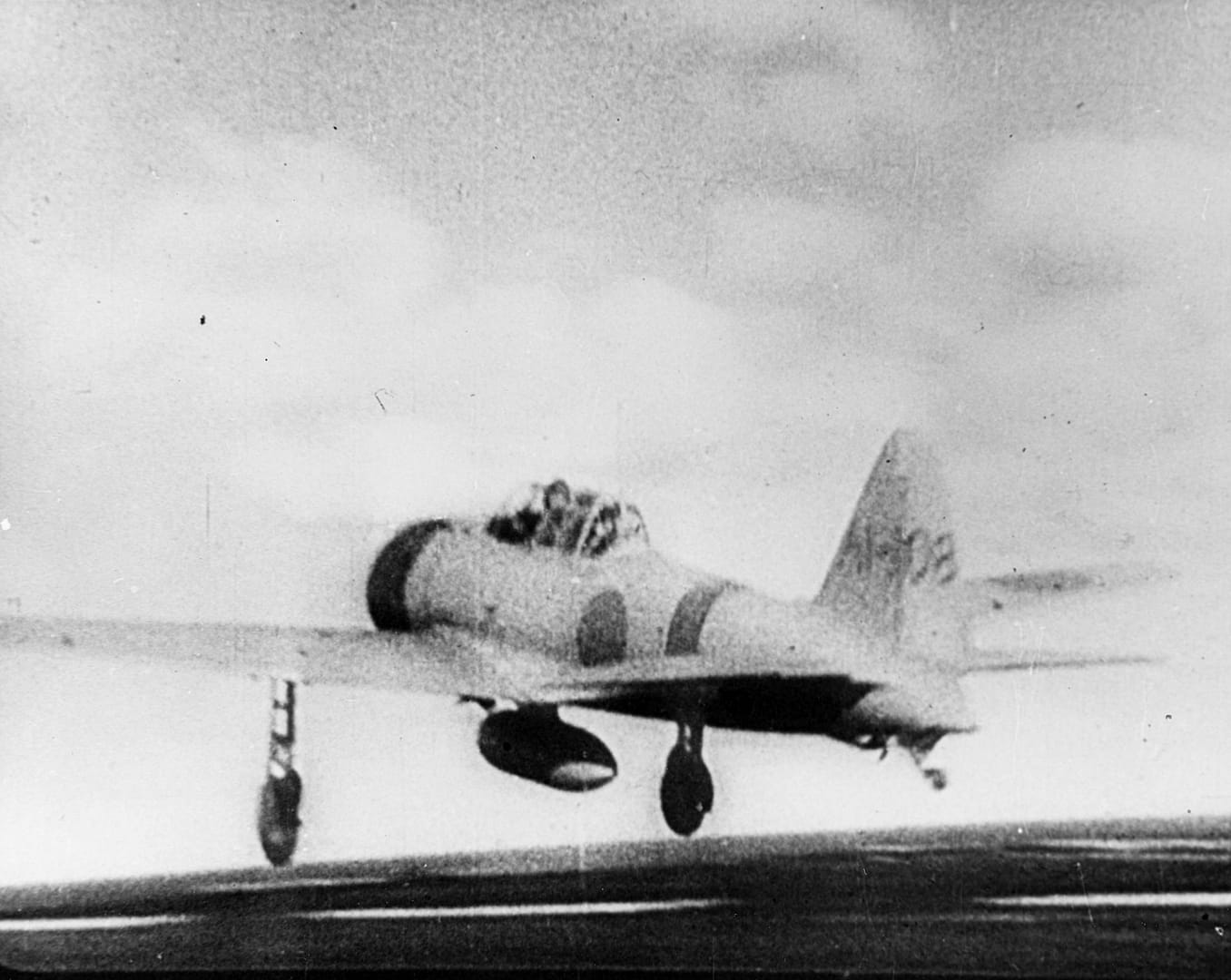
Le 7 août 1942, au-dessus d'une île que les Américains avaient envahie le matin même, une balle de calibre .30 traversa le crâne de Saburō Sakai. Elle le rendit aveugle de l'œil droit et le paralysa du côté gauche. Il se trouvait à 560 milles nautiques de chez lui, seul, en guerre, à bord d'un chasseur sans blindage ni pilote automatique.
Ce qui suivit est l'un des exploits de pilotage les plus extraordinaires jamais enregistrés : quatre heures et quarante-sept minutes de vol, à moitié aveugle et ensanglanté, naviguant entre les sommets volcaniques au-dessus de l'océan, pour atterrir à Rabaul avec une telle précision que ses camarades d'escadrille ne se rendirent compte de rien. Puis il fit son rapport de mission et s'effondra.
Informations rapides : Saburō Sakai
| Né | 25 août 1916, préfecture de Saga, Japon — descendant de samouraïs devenus agriculteurs |
| Service | Marine impériale japonaise, 1933-1945 ; formation de pilote en 1937, premier de sa promotion |
| Aéronef | Mitsubishi A5M au-dessus de la Chine, puis A6M Zero avec le Tainan Kōkūtai |
| Victoires | Environ 28 selon les archives officielles japonaises — jusqu'à 64 selon les sources occidentales |
| La plaie | 7 août 1942, au-dessus de Guadalcanal : touché à la tête, vol de retour à Rabaul de 4 h 47. |
| Décédé | Le 22 septembre 2000, lors d'un dîner de la marine américaine donné en son honneur, à l'âge de 84 ans |
Premier de sa classe
Sakai s'engagea à seize ans et travailla comme canonnier sur un cuirassé avant de réussir à intégrer une formation de pilote en 1937. Il sortit major de sa promotion et reçut une montre en argent de l'empereur Hirohito. Il abattit son premier avion au-dessus de la Chine, fut blessé, mais revint au combat et, en décembre 1941, pilotait le Zero depuis Formose lors des premières attaques contre les Philippines.
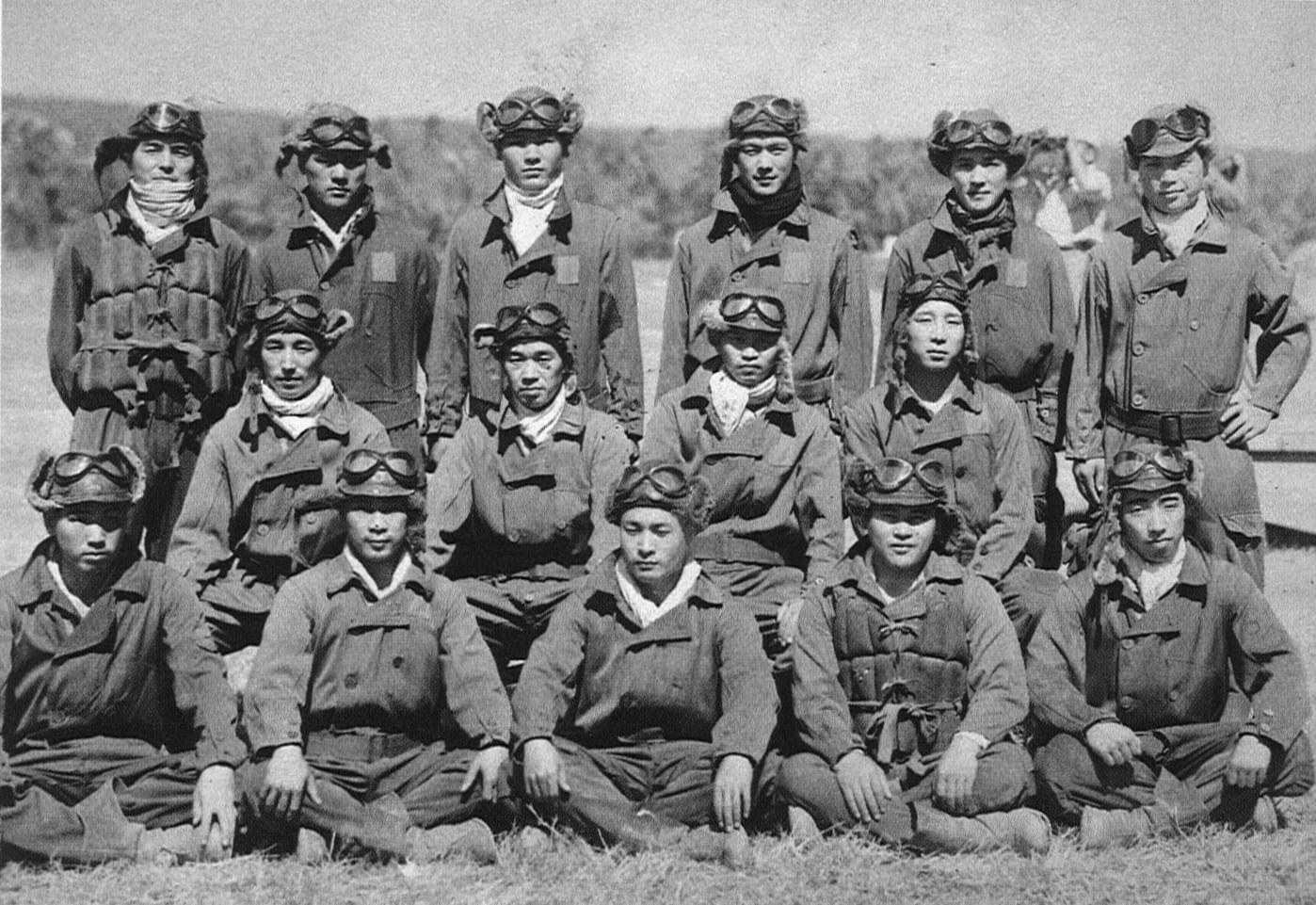
À la mi-1942, il était l'un des meilleurs pilotes du Tainan Kōkūtai à Lae, en Nouvelle-Guinée – une unité si talentueuse qu'elle alignait Hiroyoshi Nishizawa, le plus grand as japonais, et Toshio Ōta, sur Sakai. Le trio devint célèbre pour sa redoutable efficacité dans la guerre aérienne acharnée qui faisait rage au-dessus de Port Moresby.
Le vol le plus long
Le 7 août 1942, lors du débarquement des Marines américains à Guadalcanal, l'escadrille Tainan décolla de Rabaul pour l'une des plus longues missions de chasse de la guerre : environ 560 milles nautiques aller-retour. Au-dessus de la tête de pont, Sakai abattit un Wildcat piloté par “ Pug ” Southerland lors d'un duel dont les deux hommes survécurent et purent témoigner, puis détruisit un bombardier en piqué. Quelques minutes plus tard, il repéra huit appareils qu'il prit pour d'autres Wildcats et se glissa derrière eux.
C'étaient des bombardiers en piqué Dauntless, et chacun avait un mitrailleur arrière. Les tirs croisés l'ont atteint au visage. Ce qu'il fit ensuite, il le décrivit plus tard avec le fatalisme des histoires de samouraïs qui avaient bercé son enfance :
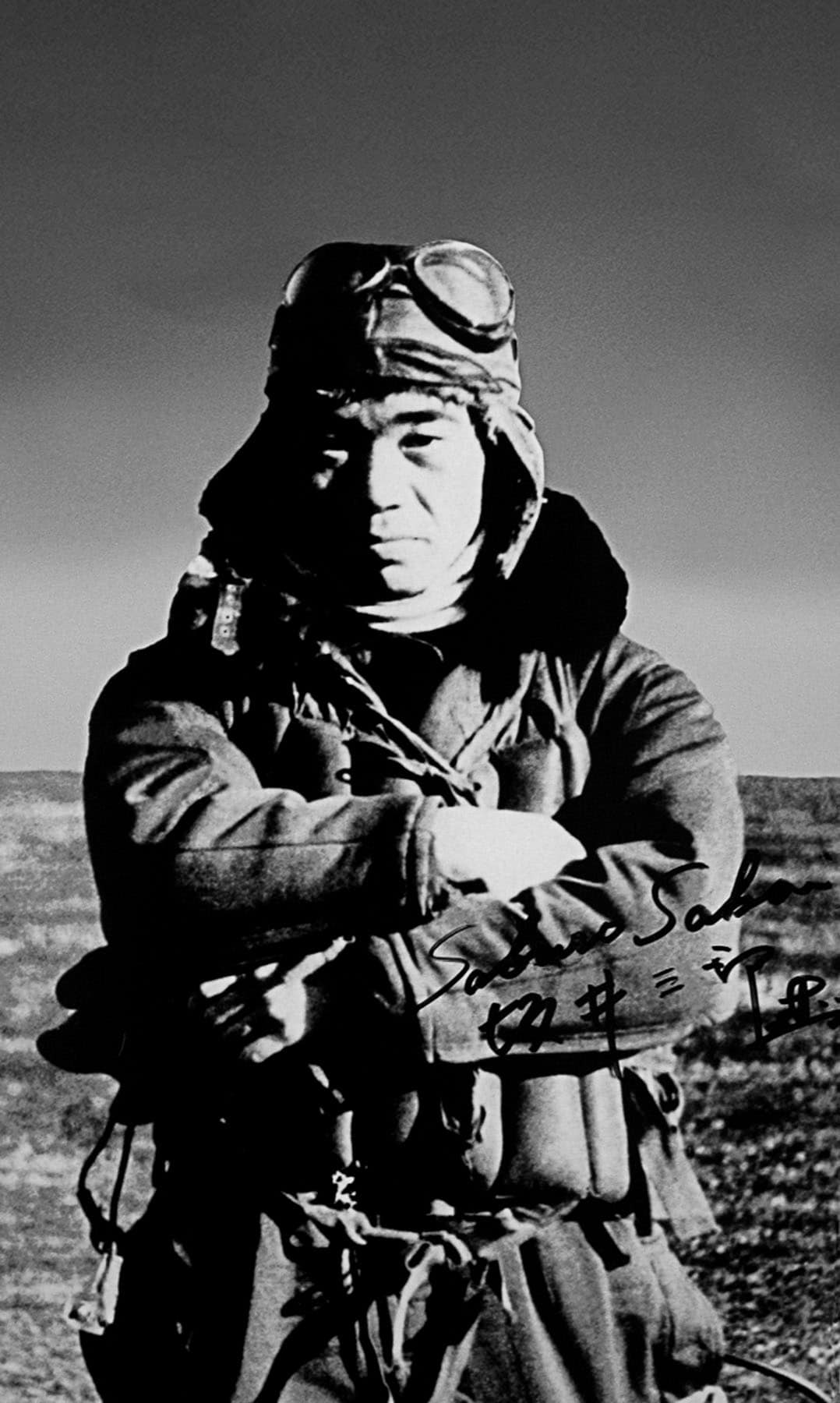
Le piqué vers une mission suicide lui permit de se recentrer, et avec lui la rigueur implacable de la survie. Pilotant de la main gauche, ses blessures se consolidant dans le sillage du drone, luttant contre l'inconscience en frappant son visage meurtri, il ramena le Zero à bon port grâce aux repères volcaniques et à l'estime, effectua deux tours de Rabaul et atterrit à la seconde tentative, le réservoir vide. Des chirurgiens japonais l'opérèrent plus tard sans anesthésie. Son œil droit ne revint jamais.
L'as qui a refusé de mourir — ou de tuer à nouveau
À moitié aveugle, Sakai parvint à regagner un poste de pilotage. Au-dessus d'Iwo Jima, en juin 1944, il survécut à un combat aérien solitaire contre quinze Hellcats, et, durant les dernières semaines de la guerre, il effectua des interceptions nocturnes contre des B-29. Son jugement d'après-guerre fut plus dur que n'importe quel combat aérien : il se convertit au bouddhisme et jura de ne plus jamais tuer d'être vivant.
Il tint parole pendant cinquante-cinq ans et passa ces années à tisser des liens d'amitié avec les hommes qui lui avaient tiré dessus, notamment Harold “ Lew ” Jones, le mitrailleur du Dauntless dont l'explosion avait failli le tuer. Il le rencontra lors d'une réunion en 1982, son casque de vol brisé à la main. Quant aux bombardements américains qui mirent fin à la guerre, le vieil as se montra d'une franchise déconcertante :
Saburō Sakai est décédé le 22 septembre 2000, d'une crise cardiaque, lors d'un dîner officiel donné en son honneur par la marine américaine à Atsugi. Difficile d'imaginer une plus belle fin : l'homme, abattu d'une balle dans la tête par des artilleurs américains en 1942, quittant la scène en tant qu'invité d'honneur de la marine américaine, sans avoir plus jamais tué.
Le documentaire « Forgotten History » retrace l'ensemble de cet arc narratif en vingt minutes :
Et Sakai lui-même, face caméra à la fin de sa vie — cela vaut le coup d'œil même avec les sous-titres :
Sources : HistoryNet ; Warfare History Network ; PBS ; Pacific Wrecks ; Wikipédia ; Sakai & Caidin, Samurai ! (1957 — avec les réserves habituelles concernant les embellissements de Caidin)
Questions connexes
Qui était Saburō Sakai ?
Saburō Sakai (1916-2000) fut l'un des plus grands as de l'aviation japonaise, crédité d'environ 28 victoires selon les archives officielles japonaises et jusqu'à 64 selon les sources occidentales. Pilote de Mitsubishi A6M Zero au sein de la Marine impériale japonaise, il devint célèbre pour avoir survécu à une grave blessure à la tête et parcouru près de cinq heures en avion pour regagner sa base.
Comment Saburō Sakai a-t-il survécu à une balle dans la tête ?
Le 7 août 1942, au-dessus de Guadalcanal, une balle de calibre .30 traversa le crâne de Sakai, le rendant aveugle de l'œil droit et le paralysant du côté gauche. À moitié aveugle et ensanglanté, il pilota son Zero pendant 4 heures et 47 minutes — soit environ 560 milles nautiques — en naviguant grâce aux sommets volcaniques pour regagner Rabaul, remit son rapport de mission, puis s'effondra.
Quel avion pilotait Saburō Sakai ?
Au début de sa carrière, Sakai a piloté le Mitsubishi A5M au-dessus de la Chine, puis le légendaire Mitsubishi A6M Zero au sein du Tainan Kōkūtai. Le Zero était rapide et agile, mais dépourvu de blindage et de réservoirs de carburant auto-obturants – un contraste frappant avec les robustes chasseurs américains comme le F4U Corsair Elle était orientée vers le Pacifique.
Combien d'avions Saburō Sakai a-t-il abattus ?
Les archives japonaises attribuent à Sakai environ 28 victoires confirmées, tandis que certains récits occidentaux avancent le chiffre de 64. Les totaux exacts sont incertains car la marine impériale japonaise attribuait souvent les victoires aériennes à des unités plutôt qu'à des pilotes individuels.
Avec qui Saburō Sakai a-t-il volé ?
Il a volé au sein du Tainan Kōkūtai, l'une des escadrilles de chasse les plus redoutables jamais alignées par le Japon, aux côtés des plus grands as japonais Hiroyoshi Nishizawa et Toshio Ōta. Leur réputation les place parmi les pilotes de chasse les plus légendaires de la guerre, tous camps confondus, à l'instar de l'as soviétique Lydia Litvyak.
Quand Saburō Sakai est-il mort ?
Sakai est décédé le 22 septembre 2000, à l'âge de 84 ans, lors d'un dîner de la marine américaine organisé en son honneur – une fin surprenante pour un homme qui avait passé la Seconde Guerre mondiale à combattre la marine américaine dans le Pacifique.
0 commentaire