
Dans la plupart des formations de frappe modernes, on trouve un avion qui ne transporte pas de bombes, n'a jamais abattu de chasseur et ne figurera jamais sur une affiche de recrutement. Il s'agit généralement d'un appareil converti, souvent peu esthétique, et s'il échoue, c'est toute l'escadrille qui périt.
La guerre électronique est la discipline la moins visible de la guerre aérienne et sans doute la plus décisive. Le Japon vient de commencer les essais en vol d'un nouveau système. Il est important de comprendre son fonctionnement réel, car la plupart des descriptions courantes sont erronées.
Informations clés
La mission : Attaque électronique aéroportée, dégradation des radars, des communications et des liaisons de données ennemies
Plateforme classique : Le Grumman EA-6B Prowler, en service pendant près de quatre décennies, du Vietnam à l'Afghanistan
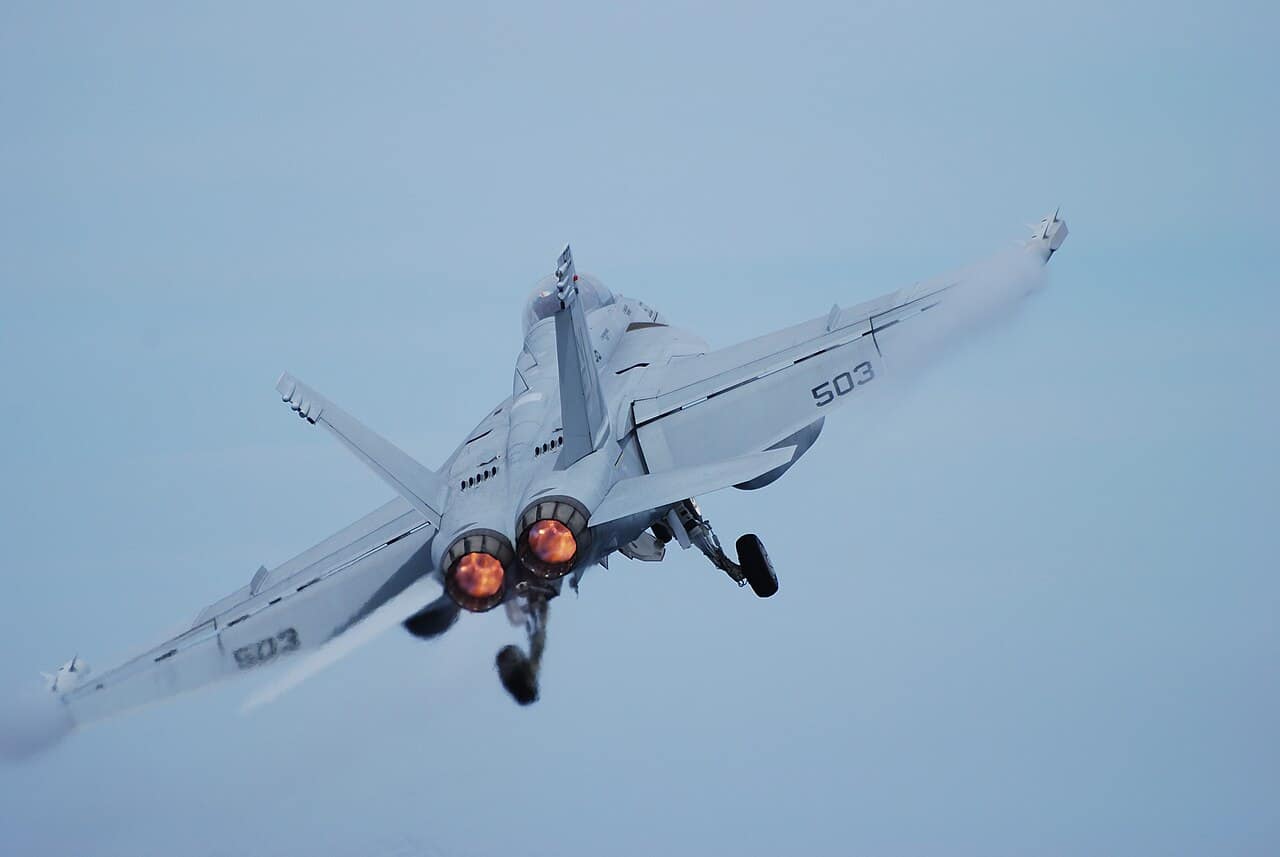
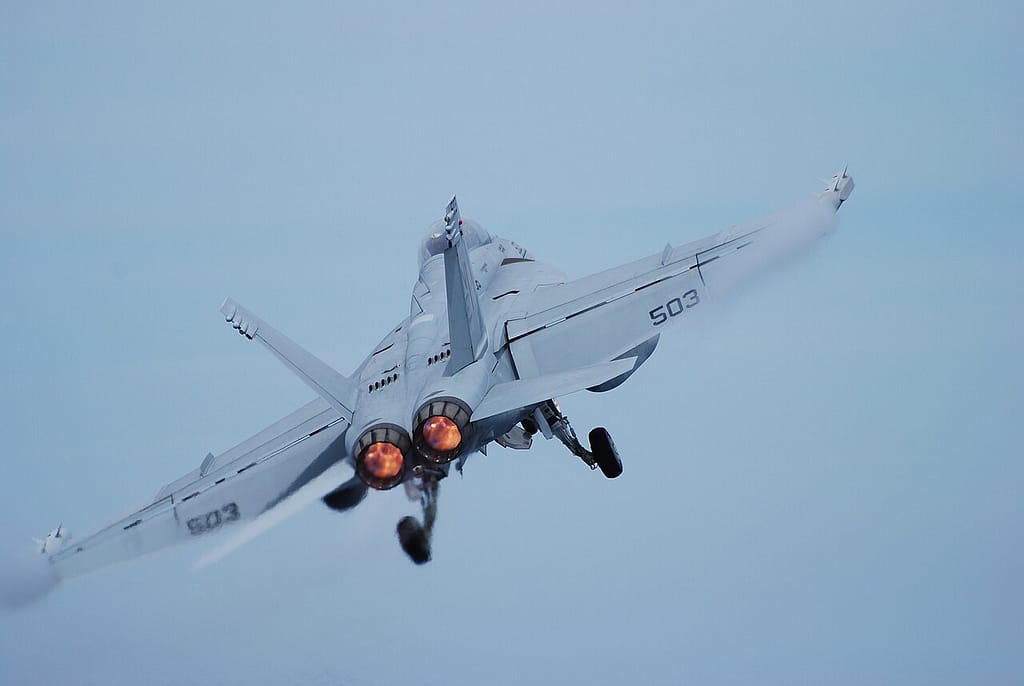
Plateforme américaine actuelle : Le Boeing EA-18G Growler, qui a remplacé le Prowler dans la Marine
Le module de travail principal : Système de brouillage tactique AN/ALQ-99, capacité opérationnelle initiale 1971
Son remplaçant : Brouilleur de nouvelle génération pour la bande moyenne, AN/ALQ-249, IOC en 2021
Deux saveurs : Le brouillage d'escorte, embarqué avec le dispositif de frappe, et le brouillage à distance, opérant hors de la zone de menace
Nouveaux inscrits : L'EC-2 japonais, le Hava SOJ turc, le MC-55A Peregrine australien, l'EA-37B Compass Call américain et l'Archange français
Qu'est-ce que le jamming en réalité ?
L'image répandue est celle d'un interrupteur magique qui éteint l'écran. En réalité, il s'agit d'un problème de rapport signal/bruit.
Un radar fonctionne en émettant de l'énergie et en détectant la faible fraction réfléchie par une cible. L'écho est extrêmement faible. Un brouilleur n'a qu'à injecter suffisamment de bruit dans la même bande de fréquences, depuis la même direction, pour que l'opérateur ne puisse plus distinguer l'écho.
Il s'agit de brouillage, et c'est sa version la plus rudimentaire. Son principal inconvénient est évident : un écran saturé de bruit indique précisément à l'ennemi la position du brouilleur, or le relèvement du signal est une solution de ciblage.
Le travail sophistiqué consiste donc à tromper plutôt qu'à brouiller les pistes. Il s'agit de recevoir le signal ennemi, de le modifier et de le retransmettre afin que le radar détecte une cible inexistante ou calcule une distance erronée pour une cible existante. Correctement exécuté, le procédé est infaillible : l'opérateur ne se rend pas compte qu'il est trompé. Il voit des avions au mauvais endroit et tire dans le vide.

Escorte contre impasse
Ce sont deux métiers différents et cette distinction influence toute la conception de l'appareil.
Un brouilleur d'escorte accompagne le dispositif d'attaque, pénétrant dans la zone de menace et protégeant les aéronefs environnants. Il doit être suffisamment rapide et manœuvrable pour suivre les chasseurs, ce qui implique qu'il s'agit d'un chasseur. C'est pourquoi le Growler est un Super Hornet : la mission exigeait un appareil capable de suivre le rythme de sa cible.
Un brouilleur à distance fonctionne à l'inverse. Positionné hors de portée des défenses aériennes ennemies, il émet des signaux vers l'intérieur, dégradant la perception de l'ennemi sur une vaste zone pendant une période prolongée. Il n'a pas besoin d'être rapide ni agile. Ce dont il a besoin, c'est de puissance électrique, de capacité de refroidissement, d'une grande surface d'antenne et d'une autonomie importante, autant de caractéristiques qui favorisent un gros aéronef.
C’est pourquoi les brouilleurs à distance sont des avions de transport et de ligne convertis, et c’est ce qui explique leur apparence. L’EC-2 japonais est un cargo Kawasaki C-2 transformé. L’EA-37B Compass Call est un jet d’affaires. Le MC-55A Peregrine est un Gulfstream. Personne ne conçoit ces appareils de A à Z, car la mission requiert en réalité une centrale électrique volante avec un espace pour les consoles.
Le problème ALQ-99
Pendant un demi-siècle, l'attaque électronique américaine a principalement reposé sur un seul système : l'AN/ALQ-99, qui a atteint sa capacité opérationnelle initiale en 1971.
Relisez cette date. Une nacelle conçue pour contrer les radars soviétiques de l'époque du Vietnam est restée en service de première ligne pendant toute la carrière du Prowler, puis a été transférée sur le Growler, déployée sur le nouvel appareil en 2010. Elle a été mise à jour à plusieurs reprises, mais son architecture sous-jacente date d'une époque où les radars étaient analogiques, à balayage mécanique et relativement simples à caractériser.
Les menaces modernes, elles, ne le sont pas. Un radar AESA peut changer de fréquence d'impulsion en impulsion, répartir son énergie sur une bande de fréquences pour se confondre avec le bruit de fond et adapter sa forme d'onde lorsqu'il détecte des interférences. Face à cela, un brouilleur conçu pour identifier un émetteur connu et lui envoyer une réponse préenregistrée se trompe de cible.
D'où le brouilleur de nouvelle génération. L'élément de bande moyenne, l'AN/ALQ-249, a atteint sa capacité opérationnelle initiale en 2021 et repose sur une technologie AESA propriétaire, lui permettant de diriger l'énergie électroniquement, de cibler plusieurs émetteurs simultanément et de s'adapter beaucoup plus rapidement que le système qu'il remplace. Il s'agit de l'un des programmes les plus importants de la puissance aérienne occidentale, et pourtant, il est méconnu du grand public.
Pourquoi tout le monde en achète soudainement un
La vague actuelle de programmes de brouillage à distance n'est pas le fruit du hasard. Elle répond à un problème précis : les réseaux de défense aérienne intégrés sont devenus véritablement difficiles à pénétrer.
La menace ne se limite plus à un radar et à un lanceur. Elle réside dans un réseau maillé de capteurs fonctionnant sur différentes bandes de fréquences et reliés par des liaisons de données, de sorte qu'aucun système n'a besoin de surveiller une cible en permanence et que la destruction d'un seul nœud ne paralyse pas le réseau. Face à cela, la solution traditionnelle consistant à envoyer des missiles Wild Weasels détruire les radars est coûteuse, lente et dangereuse.
Attaquer les liens entre les nœuds est moins coûteux et réversible. Si l'on parvient à perturber la capacité du réseau à fusionner ses propres données, il n'est pas nécessaire de détruire quoi que ce soit. Il suffit que les données soient erronées pendant la durée de l'attaque.
La partie que personne ne publie
Un article honnête sur la guerre électronique doit se terminer par la reconnaissance du peu de connaissances publiques qui s'y rattachent.
Un brouillage efficace repose entièrement sur une connaissance précise des émetteurs adverses : fréquences exactes, intervalles de répétition des impulsions, schémas de balayage, comportements spécifiques de chaque radar. Ce type de renseignement est parmi les plus précieux que chaque État possède, car il devient obsolète dès que l’adversaire apprend que vous le détenez. Si un adversaire découvre quelles formes d’onde vous pouvez neutraliser, il les modifie, et votre avantage disparaît du jour au lendemain.
C’est pourquoi les capacités de guerre électronique ne sont décrites publiquement qu’en termes très vagues, et pourquoi les nations les conçoivent elles-mêmes plutôt que de les acheter. Le Japon a choisi de développer l’EC-2 localement précisément pour cette raison : le spectre électromagnétique est un domaine trop sensible pour dépendre d’un tiers.
L'avion qui décide du sort d'une mission de frappe est dépourvu d'armement, et son succès se mesure à l'absence d'incident. Aucun missile n'est tiré. Aucun radar ne détecte la cible. Tous rentrent chez eux et il n'y a aucune image.
C'est la mission la moins photogénique de l'aviation et l'une des rares où l'échec se mesure à l'aune des appareils d'autrui.
Sources : Naval Air Systems Command, US Navy, Ministère de la Défense japonais, The Aviationist, TWZ, Boeing.
0 commentaire