
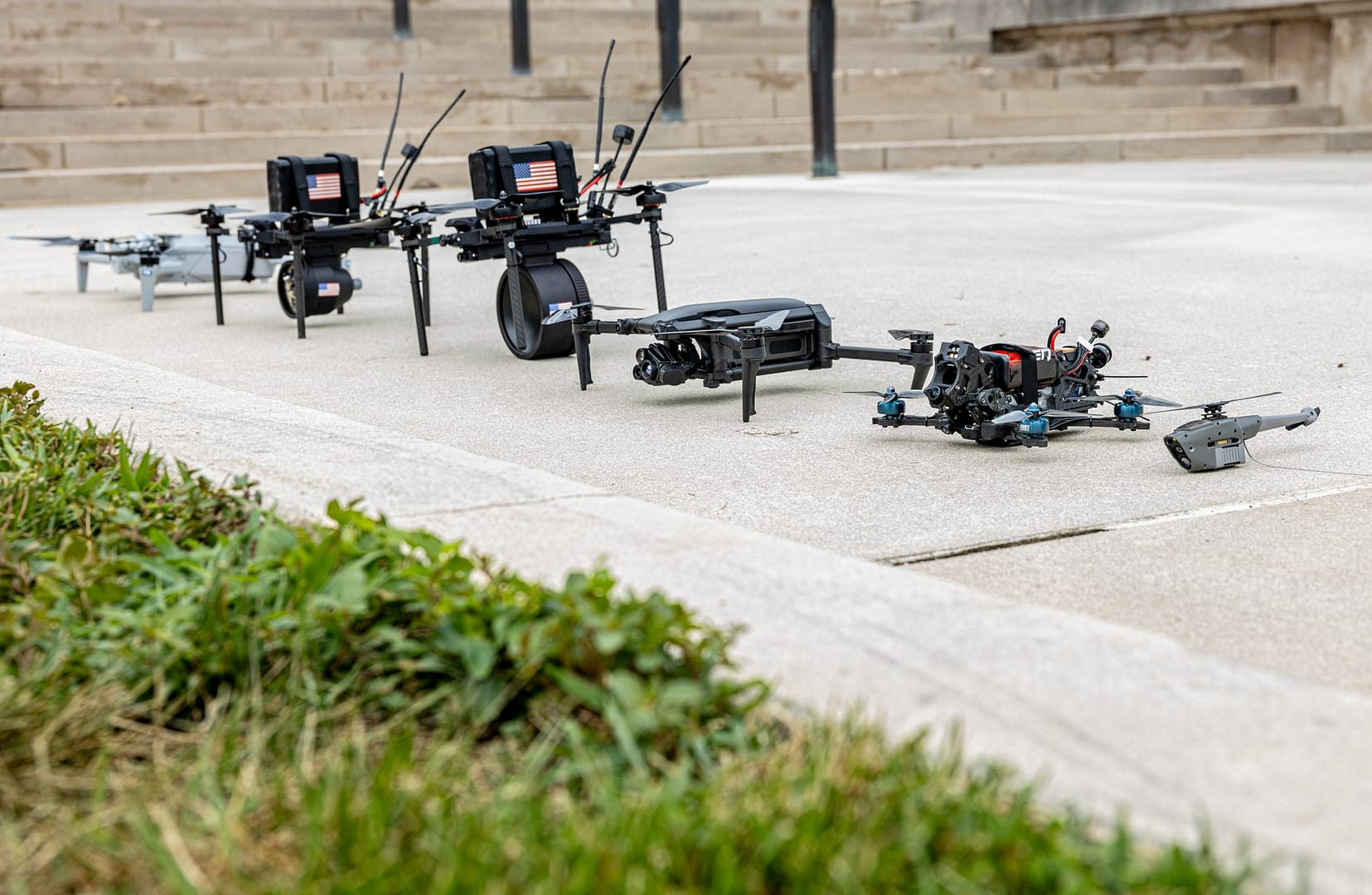
The Pentagon just did something it almost never does: it took power away from the Army, Navy and Air Force all at once. In a memo dated 29 June and made public this week, Defense Secretary Pete Hegseth created a single office with authority over virtually every drone program in the US military — and gave it the bureaucratic muscle to overrule the services that used to run them.
The new organisation carries one of the least catchy names in Washington — the Direct Reporting Portfolio Manager for Unmanned Systems, or DRPM-UxS — and one of the biggest mandates. Defense News, which reported the memo on 2 July, describes it as the “single joint integrator” for all unmanned and autonomous systems across the Department.
Quick Facts: The Pentagon’s New Drone Office
| Name | Direct Reporting Portfolio Manager for Unmanned Systems (DRPM-UxS) |
| Created | Hegseth memo dated 29 June 2026, public 1–2 July |
| Reports to | Deputy Defense Secretary Stephen Feinberg; director not yet named |
| Controls | Group 1–3 drones, counter-drone systems, naval and ground robots, swarming software |
| Stays with services | CCA robot wingmen, MQ-25, MQ-4C Triton, the Navy’s MUSV |
| Budget context | Roughly $54 billion for autonomous systems in the FY27 request |
What the Drone Czar Actually Controls
The fine print is sweeping. The office gets milestone decision authority over small and medium drone programs (Groups 1 through 3), unmanned surface vessels, underwater robots, ground robots, counter-drone systems and the AI software that binds swarms together. It can direct service contracting, order money moved through the comptroller, and even halt fielding decisions. It absorbs the JIATF-401 counter-drone task force and the mass-production effort descended from Replicator. Its hiring is exempt from freezes.
There is one more clause with teeth: every Pentagon component must now clear its drone plans with the new office before talking to Congress. For the services, that is not coordination — that is a leash.
The exemptions matter too. The Air Force keeps its Collaborative Combat Aircraft robot wingmen, the Navy keeps the MQ-25 tanker drone and the MQ-4C Triton. The big exotic stuff stays put; it is the cheap, numerous, attritable drones — the kind rewriting warfare from Ukraine to the Red Sea — that get a single boss.
From Memo to Machine
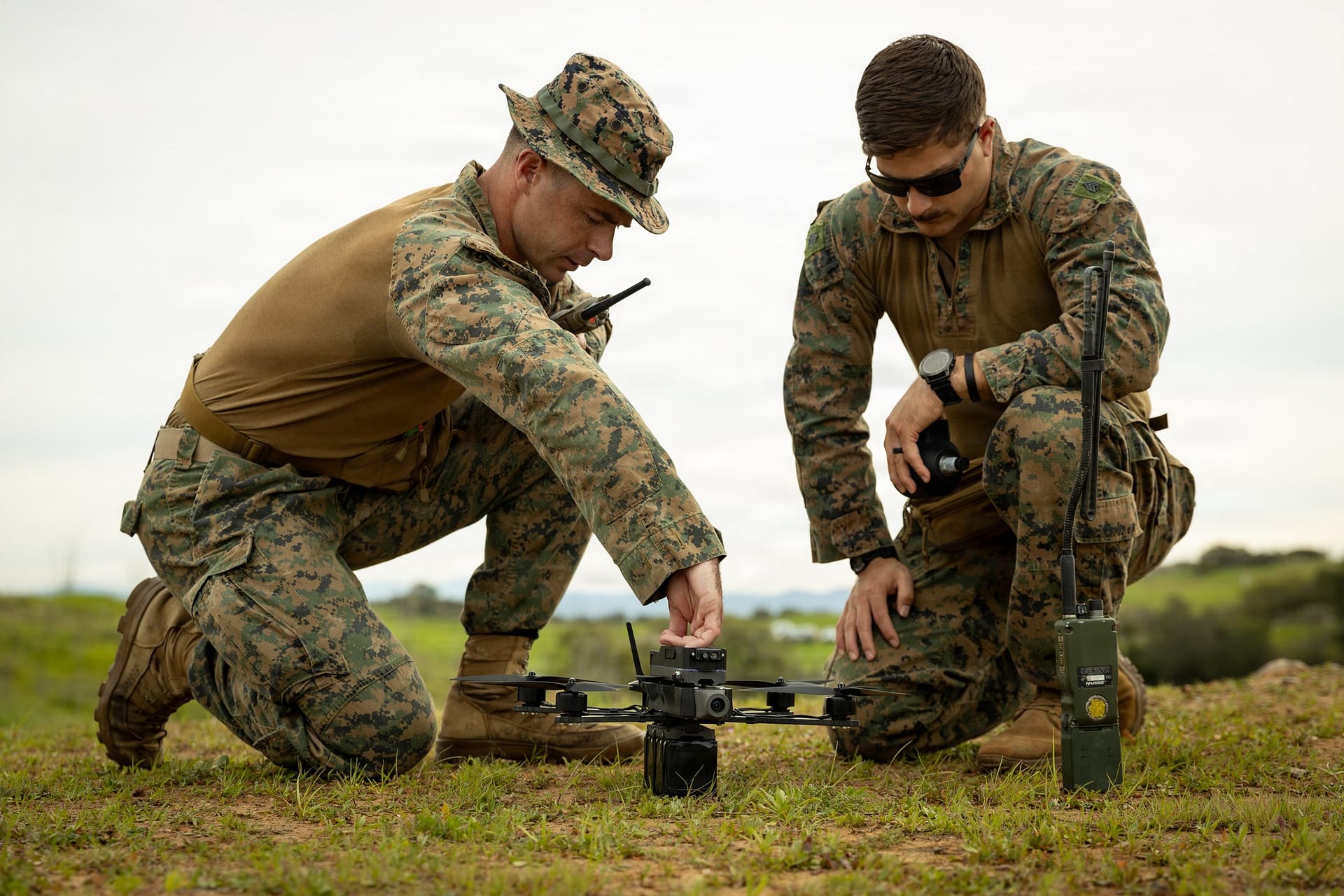
This is the institutional sequel to Hegseth’s July 2025 “Unleashing US Military Drone Dominance” memo, which promised every squad its own drones by the end of 2026 and set off a procurement sprint worth roughly a billion dollars across hundreds of thousands of airframes. A year later, the department is betting that a single portfolio manager can do what 340,000 drone orders couldn’t: make the whole system move at one speed.
Pentagon spokesman Sean Parnell called drones “the most consequential battlefield innovation of this generation.” The timeline is aggressive: hiring within 30 days of a director being named, an organisational plan in 60, and a list of programs to be transferred within 90.
The Catch
Not everyone is cheering. The Government Accountability Office warned on 1 July that the department’s speed-to-delivery push is outrunning its test oversight — the testing office has shrunk from 126 staff to 30 while watching only a fraction of fast-tracked programs. Centralising authority may fix the Pentagon’s drone sprawl. Whether it fixes the checks that keep bad drones off the battlefield is another question — one the still-unnamed drone czar will inherit on day one.
Fox News’ report on the shake-up captures how abruptly the drone race has reordered Pentagon priorities:
Sources: Defense News; USNI News; DefenseScoop; Department of War release; GAO; Fox News
Related Questions
What is the Pentagon's drone czar office?
The Direct Reporting Portfolio Manager for Unmanned Systems (DRPM-UxS) is a Pentagon office created by a 29 June 2026 memo from Defense Secretary Pete Hegseth. It consolidates authority over most US military drone programs into a single joint integrator that can overrule the individual services, direct contracting and even halt fielding decisions.
Who controls US military drone programs?
As of mid-2026, the new DRPM-UxS office holds decision authority over most US military drone programs. It reports to Deputy Defense Secretary Stephen Feinberg and oversees small and medium drones, counter-drone systems and unmanned ground, surface and underwater robots. Larger programs such as the MQ-25 Stingray tanker stay with the services.
What are Group 1 to 3 drones?
The US military sorts drones into five groups by weight and altitude. Groups 1 through 3 cover the smallest to medium unmanned aircraft — from hand-launched systems up to around 1,320 pounds — used mainly for reconnaissance and strike. The Pentagon's 2026 drone office was given authority over these smaller categories.
What is the Pentagon's Replicator initiative?
Replicator is a US Department of Defense effort to field thousands of low-cost, expendable autonomous systems quickly, offsetting an adversary's advantage in mass. In 2026 its mass-production mission was folded into the new DRPM-UxS drone office, reflecting the military's push toward cheap, attritable drones produced at scale.
Which drone programs stay with the military services?
Even after the Pentagon centralised drone oversight in 2026, several major programs remained with the individual services: the Air Force's collaborative combat aircraft, the MQ-25 Stingray carrier tanker, the MQ-4C Triton surveillance drone and the Navy's unmanned surface vessel. The Navy's robot wingman for carriers is among them.

0 Commenti