
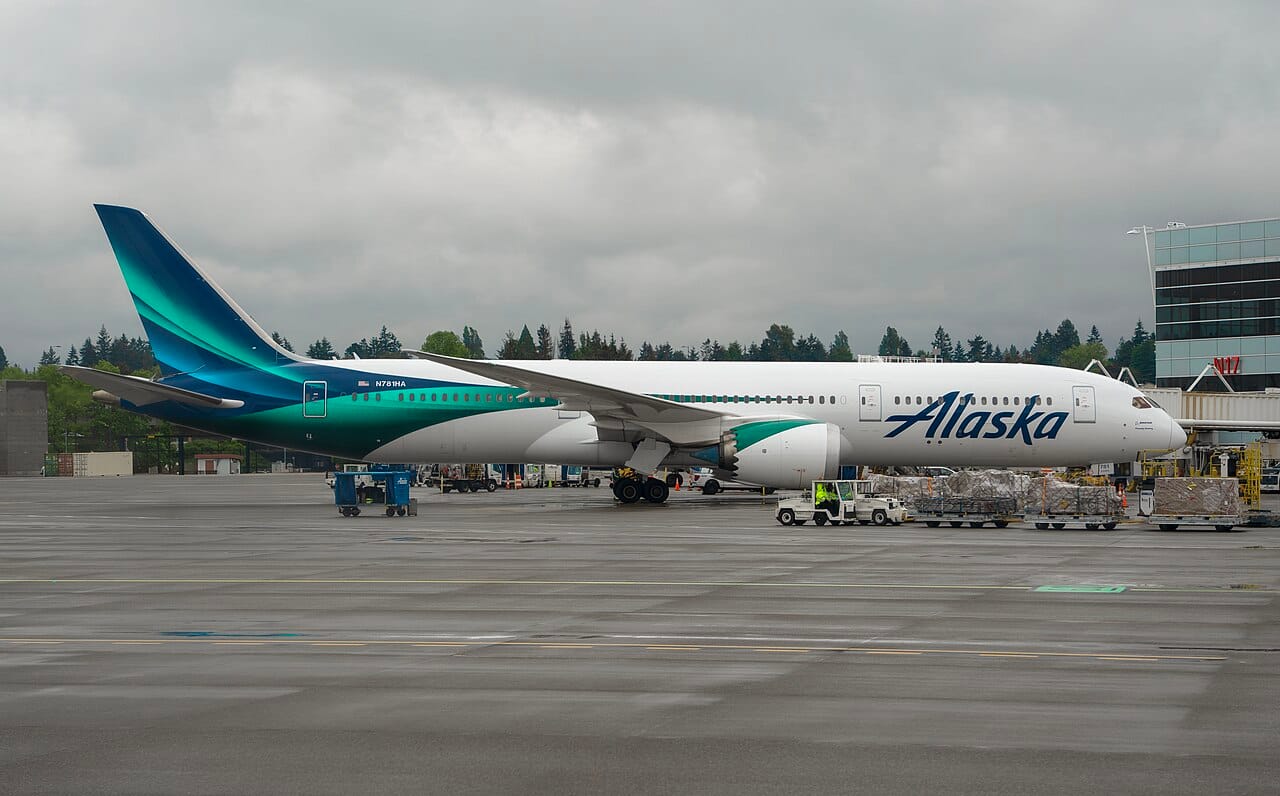
A due ore da Roma, da qualche parte sopra il sud-est dell'Inghilterra, il volo 181 dell'Alaska Airlines ha invertito la rotta.
Il Boeing 787-9 era decollato da Fiumicino alle 15:45 di domenica pomeriggio, diretto a Seattle, era salito a 34.000 piedi e si dirigeva a nord-ovest attraverso la Francia. Poi la traiettoria sui siti web di tracciamento dei voli si è invertita di 180 gradi, l'aereo è sceso di 25.000 piedi e il transponder ha iniziato a emettere il codice 7700, le quattro cifre che indicano un'emergenza generale e che invitano a lasciare la rotta a qualsiasi altro aereo.
Cinque ore e mezza dopo la partenza, è atterrato nello stesso punto di partenza.
Informazioni rapide
| Volo | Volo Alaska Airlines AS181, da Roma Fiumicino (FCO) a Seattle-Tacoma (SEA), domenica 19 luglio 2026 |
| Aeromobili | Boeing 787-9 Dreamliner, immatricolazione N780HA |
| Partenza | 15:45 CEST, salita a FL340 sopra lo spazio aereo francese. |
| La svolta | Dopo circa due ore di volo, si effettua un'inversione a U sorvolando l'Inghilterra sud-orientale, seguita da una discesa a 25.000 piedi. |
| Emergenza | L'equipaggio ha impostato il codice transponder 7700 mentre l'aereo sorvolava nuovamente la costa atlantica della Francia. |
| Approdo | Di ritorno a Fiumicino sulla pista 16R dopo 5 ore e 30 minuti di volo, poi un parcheggio remoto. |
| Lesioni | Nessuno. Alaska ha cancellato il volo dopo ulteriori valutazioni. |
| Causa segnalata | Vibrazioni del motore, secondo AirLive. Alaska ha descritto solo "un problema meccanico".“ |
Cosa fa effettivamente il codice squawk 7700
Vale la pena spiegarlo, perché è il dettaglio che trasforma un problema tecnico in una notizia. Un codice transponder di 7700 segnala l'aeromobile sullo schermo di ogni controllore di volo nel raggio d'azione. Il traffico viene deviato. Viene predisposta la gestione prioritaria. I servizi di emergenza vengono messi in stato di allerta a destinazione.
Ciò non significa che l'aereo sia in pericolo imminente. Significa che l'equipaggio desidera la piena attenzione del sistema e non intende negoziare per ottenerla. La stessa dichiarazione di Alaska Airlines ha fatto esattamente questa distinzione.
Un dettaglio spesso ripetuto è errato e merita di essere corretto: l'incidente non è avvenuto in mezzo all'Atlantico. L'aereo non ha mai iniziato la traversata oceanica. La virata è avvenuta sopra l'Inghilterra e l'emergenza è stata dichiarata mentre rientrava sorvolando la costa francese, motivo per cui l'equipaggio aveva la possibilità di tornare in un importante hub europeo con ancora a bordo carburante sufficiente per cinque ore di volo.
Perché ci sono volute cinque ore e mezza
Perché un Boeing 787-9 che ha appena fatto il pieno per una tratta transatlantica di dieci ore è troppo pesante per atterrare. Il peso massimo all'atterraggio è ben al di sotto del peso massimo al decollo, e la differenza è dovuta al carburante.
Quindi l'equipaggio ha fatto quello che fanno gli equipaggi: se ne è sbarazzato. I passeggeri hanno descritto di aver visto del vapore fuoriuscire dalle ali e un'assistente di volo ha spiegato che il carburante doveva essere scaricato sull'acqua piuttosto che sulla terraferma. Il 787 è dotato di un sistema di sgancio rapido e la traiettoria era compatibile con uno scarico deliberato di carburante prima dell'avvicinamento.
Ciò spiega la maggior parte del tempo trascorso. L'emergenza stessa, secondo quanto affermato dalla compagnia aerea, è stata risolta a terra piuttosto che in volo.
La causa e ciò che non sappiamo
La spiegazione relativa alle vibrazioni del motore proviene da AirLive, che l'ha riportata domenica sera ed è stata la fonte di praticamente tutte le successive segnalazioni. Alaska Airlines non l'ha confermata. Nessuno ha affermato che un motore sia stato spento e nulla nei documenti pubblici supporta la parola "guasto".“
Le vibrazioni del motore su un bimotore sono una condizione normale, non una catastrofe. Vengono monitorate continuamente, hanno limiti definiti e il superamento di tali limiti fornisce all'equipaggio un valido motivo per interrompere la rotta verso le 4.000 miglia di oceano aperto. Il 787-9 vola con due motori GE GEnx-1B ed è certificato per attraversare quell'oceano con uno solo di essi, ma l'ETOPS è un margine da preservare, non da spendere.
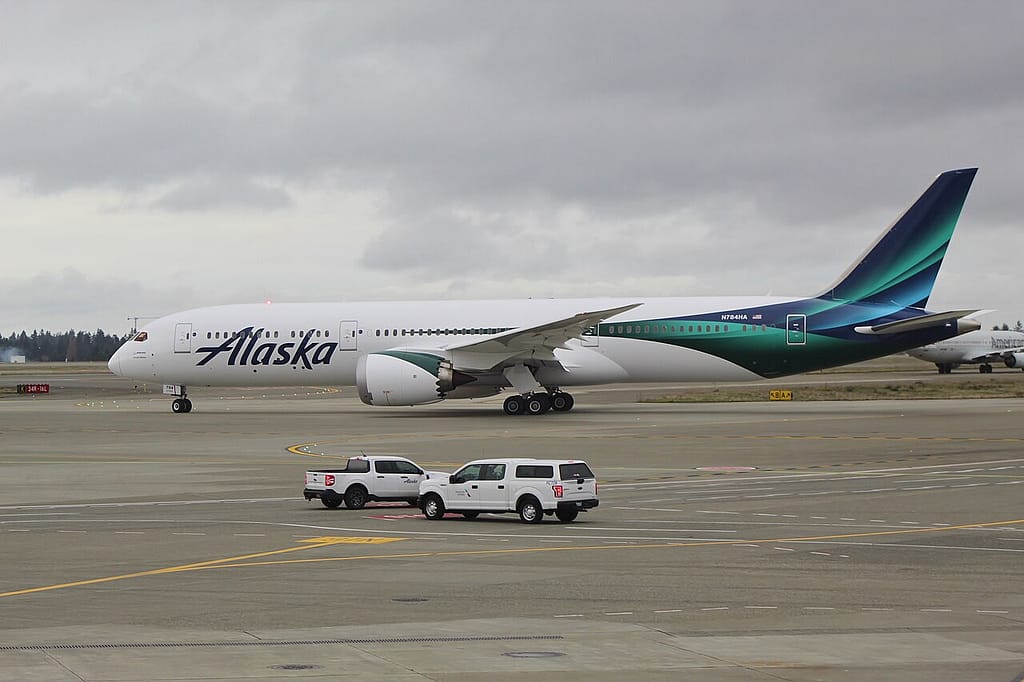
L'N780HA è uno dei soli cinque Boeing 787-9 operati da Alaska Airlines, tutti ereditati da Hawaiian Airlines dopo la fusione del 2024 e riverniciati con la nuova livrea Global di Alaska. La rotta Roma-Seattle è stata inaugurata ad aprile come servizio stagionale giornaliero, attivo fino a fine ottobre. L'aeromobile dovrebbe essere sottoposto a ispezioni tecniche prima di tornare in servizio.
Fonti: AirLive, FOX 13 Seattle, IBTimes UK, Simple Flying.
0 Commenti