
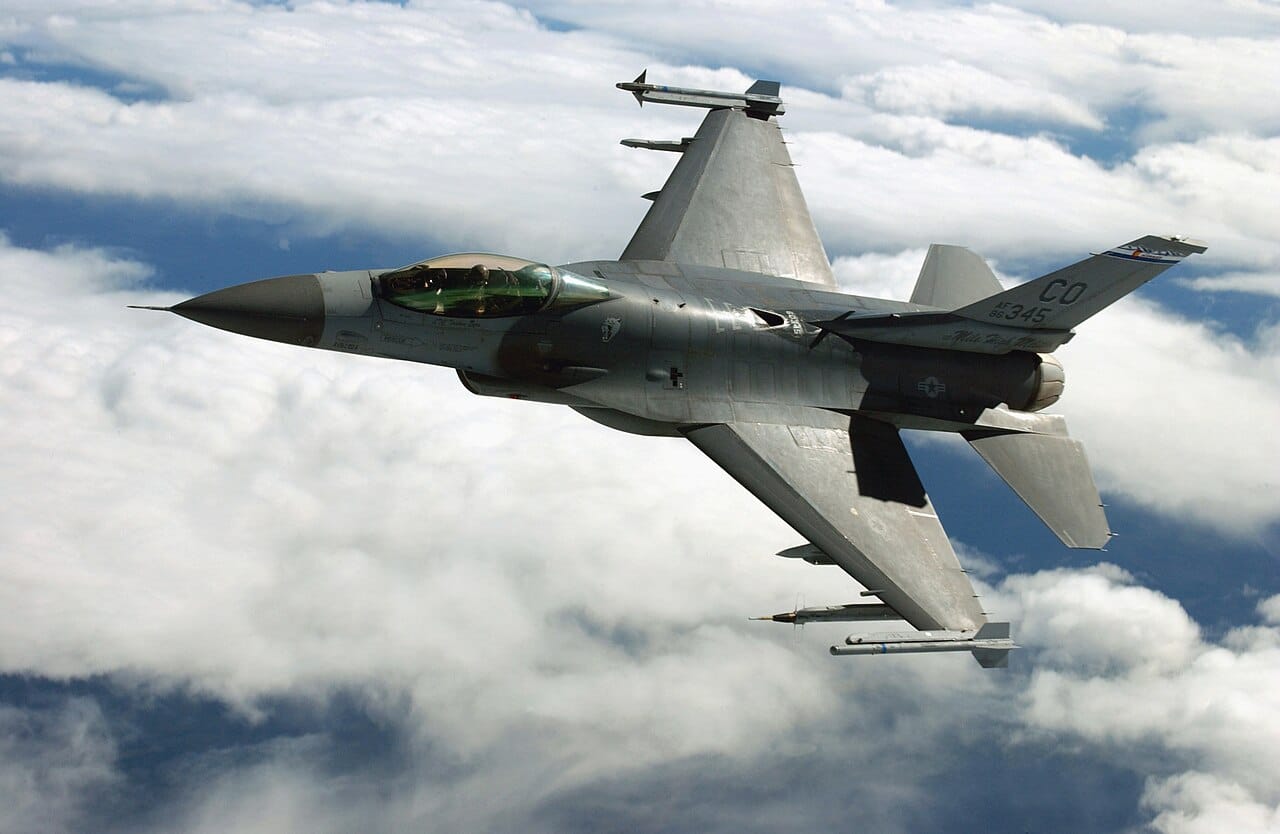
Per due anni i jet sono rimasti in un hangar alla base aerea di Eglin, mentre gli ingegneri ne smontavano le fusoliere e li addestravano a "pensare". Questa settimana uno di essi ha finalmente volato, e per lunghi tratti del volo non c'era nessun essere umano ai comandi.
L'aeronautica militare statunitense e la DARPA hanno messo il primo F-16 Dotato del kit di autonomia VENOM, il velivolo è decollato con un agente di intelligenza artificiale ai comandi, mentre un pilota collaudatore si limitava a osservare. È stato il momento in cui la lunga e cauta marcia del Pentagono verso i caccia robotizzati ha smesso di essere una simulazione ed è diventata un vero e proprio jet sopra la penisola della Florida.
INFORMAZIONI RAPIDE
| Programma | VENOM-AFT — Modello di sperimentazione e operazioni di nuova generazione per il velivolo Viper, banco di prova per il volo autonomo |
| Partner | Aeronautica militare statunitense e DARPA, nell'ambito del programma Air Combat Evolution (ACE). |
| Aeromobili | F-16C/D Fighting Falcon: 3 esemplari modificati a Eglin, fino a 6 in programma. |
| Casa | Eglin AFB, Florida — 96° Stormo di Test e 53° Stormo |
| Pietra miliare | Primo volo controllato da un agente autonomo, luglio 2026 |
| ruolo umano | “Uomo in pista” — un pilota è sempre a bordo |
| Scopo | Sostieni il programma di addestramento dei droni Collaborative Combat Aircraft (CCA) per il supporto logistico ai droni. |
Due anni di chirurgia, una sortita storica
L'idea è ingannevolmente semplice: prendere un caccia collaudato in combattimento, installarci un computer in grado di pilotarlo e usare il jet come laboratorio volante per il software che un giorno piloterà velivoli senza pilota. La parte difficile è farlo senza uccidere nessuno.
Nel 2024 e nel 2025, tre F-16 arrivarono a Eglin per essere ricostruiti e trasformati in banchi di prova nell'ambito del programma VENOM-AFT, e furono consegnati al 96° Stormo di Test e al 53° Stormo. I jet ripresero a volare a giugno per dimostrare di essere ancora idonei al volo dopo le modifiche. Poi, a luglio, il team superò la soglia decisiva: un agente di intelligenza artificiale prese il controllo in volo e pilotò l'aereo, con l'essere umano a bordo che passò dal ruolo di pilota a quello di supervisore.

Non si tratta di una conversione in drone nel senso di abbandonare la cabina di pilotaggio. Il pilota rimane al suo posto. Ciò che cambia è chi ha i comandi in un determinato punto di prova e con quale rapidità l'Aeronautica Militare può testare un nuovo software di autonomia su un velivolo reale per verificarne la resistenza alle complesse leggi della fisica del volo.
L'essere umano non esce mai dal ciclo
La parola che l'Aeronautica Militare continua a ripetere è "human-on-the-loop" (uomo in sala di controllo). Significa che un pilota è sempre presente, osserva il funzionamento degli algoritmi e ha l'autorità di avviarli o arrestarli in tempo reale. VENOM non prevede cabine di pilotaggio vuote, almeno non ancora.
La cautela è proprio il punto cruciale. Più velocemente l'Aeronautica Militare riuscirà a dimostrare che un comportamento autonomo è sicuro su un F-16 con equipaggio, più velocemente potrà fidarsi dello stesso codice su un velivolo senza equipaggio. Gagnon ha descritto l'obiettivo come "velocità di decollo" – andare il più velocemente possibile in sicurezza, in modo che i droni che seguono arrivino prima.
Perché un aereo da combattimento degli anni '70 sta addestrando i droni di domani
VENOM alimenta direttamente il programma Collaborative Combat Aircraft, la flotta di droni gregari economici e semi-autonomi che l'aeronautica militare vuole far volare insieme al F-35 e il futuro F-47. Ogni lezione appresa dai banchi di prova dell'F-16 — come un'IA gestisce una fusione, una formazione, un passaggio di armi — è una lezione che i CCA ereditano.
Le basi sono state gettate dal programma ACE della DARPA e dal suo jet X-62A VISTA, che nel settembre 2023 ha effettuato il primo combattimento aereo ravvicinato in assoluto tra un F-16 controllato dall'IA e uno pilotato da un essere umano. VENOM riprende questa dimostrazione di fattibilità e la trasforma in una linea di produzione ripetibile per i test di autonomia sui normali aerei da combattimento di prima linea.
Due anni fa si trattava di presentazioni PowerPoint e simulazioni. Questa settimana, invece, si tratta di un Fighting Falcon grigio che decolla da Eglin, pilotandosi autonomamente, con un pilota umano a bordo. I robot non sostituiscono ancora il pilota. Ma stanno imparando in fretta, e ora lo stanno facendo nel cielo reale.
Gli agenti di intelligenza artificiale della DARPA pilotano un F-16 contro un pilota umano: il lavoro svolto nell'ambito del progetto ACE che ha gettato le basi per VENOM.
Fonti: Air & Space Forces Magazine; ufficio stampa della base aerea di Eglin; DefenseScoop; Aerospace Testing International; Defense News.
0 Commenti