
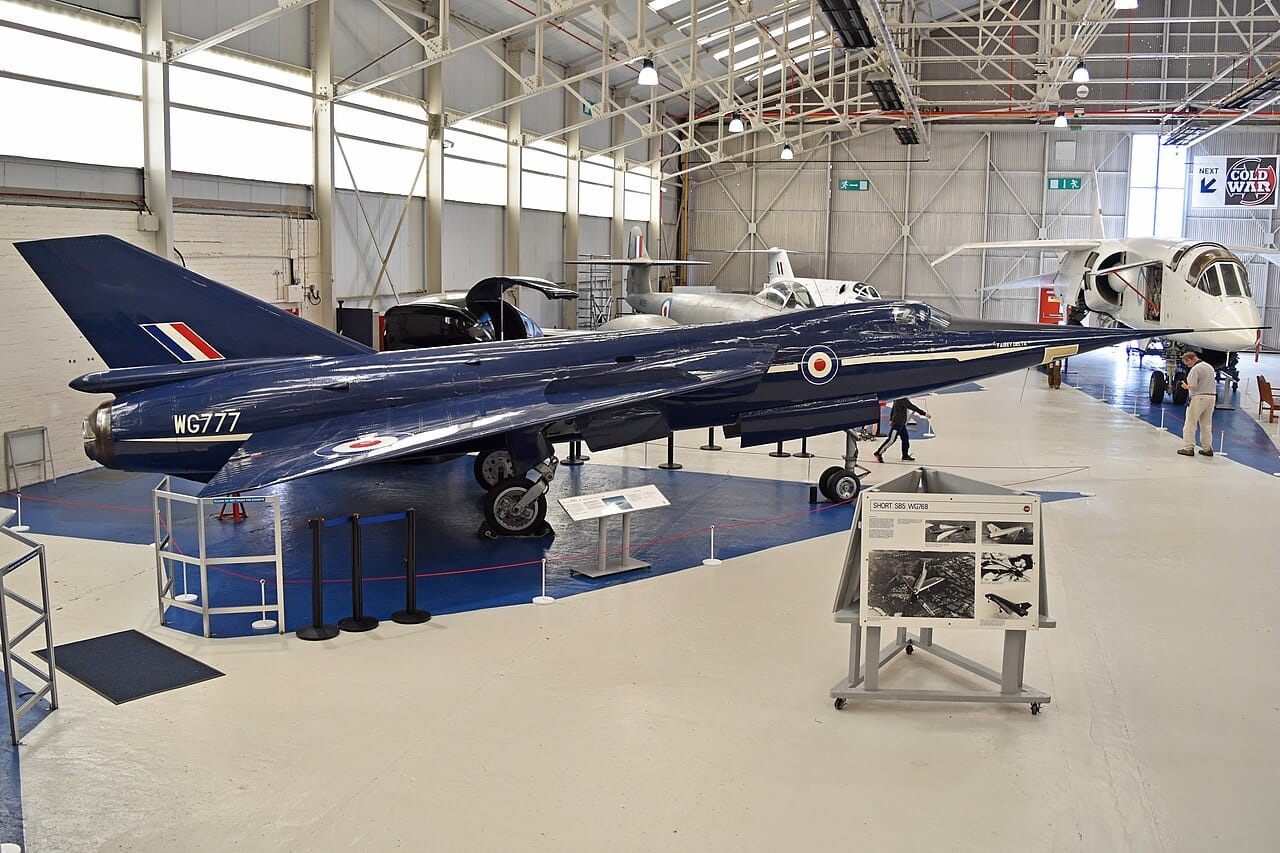
Il 10 marzo 1956, un'elegante delta britannica sfrecciò lungo una rotta prestabilita sopra la costa meridionale inglese e compì un'impresa mai realizzata prima da nessun altro aereo: superò i 1.000 miglia orarie in volo orizzontale. Quando i cronometristi terminarono i loro calcoli, il Fairey Delta 2 non si limitò a battere il record mondiale di velocità aerea, lo frantumò.
Il nuovo record era di 1.132 miglia orarie. Il precedente, detenuto da un F-100 Super Sabre americano, era di 822. Nessuno era mai riuscito a migliorare il record di un margine neanche lontanamente simile. E il pilota che ci riuscì, Peter Twiss, due anni prima aveva effettuato un atterraggio di emergenza con lo stesso aereo dopo che il motore si era spento in volo.
INFORMAZIONI RAPIDE
| Aeromobili | Fairey Delta 2 (FD.2) — Delta sperimentale britannico |
| Primo volo | 6 ottobre 1954 (Peter Twiss) |
| Documentazione | 1.132 mph (1.822 km/h), 10 marzo 1956 |
| Margine | Circa 300 miglia orarie più veloce del record precedente: un salto di 37% |
| Primo | Primo aereo a superare le 1.000 miglia orarie in volo orizzontale. |
| Costruito | Solo 2 aerei |
| Eredità | Il suo muso cadente prefigurava il Concorde |
Un aereo da ricerca, non un'arma.
L'FD.2 non era mai stato concepito come un caccia. Era un aereo puramente sperimentale, costruito per esplorare il volo al limite della barriera del suono e oltre, con un'ala a delta a freccia accentuata e un lungo muso affusolato. Ne furono costruiti solo due esemplari. Eppure, in termini di velocità pura, surclassava qualsiasi aereo a reazione operativo sulla Terra.
La sua caratteristica più famosa era più pratica che estetica. Data la ripida inclinazione del muso necessaria a un aereo a delta per l'atterraggio, il pilota non poteva vedere nulla davanti a sé, quindi Fairey incernierò l'intero muso in modo che si abbassasse per il decollo e l'atterraggio. Quindici anni dopo, gli ingegneri che costruirono il Concorde ripresero esattamente quella stessa idea.

La storia del piccolo delta britannico che ha battuto ogni record.
L'uomo che ha bloccato un razzo
Peter Twiss non era nuovo ai guai. Pilota della Fleet Air Arm durante la Seconda Guerra Mondiale – aveva abbattuto aerei nemici sui convogli diretti a Malta e partecipato a missioni notturne di incursione sui Mosquito – entrò a far parte della Fairey come collaudatore nel 1946 e avrebbe poi pilotato oltre 140 modelli diversi. Il 17 novembre 1954, il motore dell'FD.2 si guastò, danneggiando anche l'impianto idraulico. Twiss riuscì a far planare il jet senza motore fino all'atterraggio a Boscombe Down, salvando l'aereo e guadagnandosi un encomio reale.
Quella stessa cellula riparata lo ha portato a entrare nel libro dei record. Il team sospettava da tempo, in silenzio, di cosa fosse capace.
Il tentativo di record prevedeva due passaggi su un percorso prestabilito in direzioni opposte, ad alta quota, con la successiva media dei risultati. Twiss li eseguì in modo impeccabile. Il margine di vantaggio fu talmente ampio da stupire persino gli addetti al controllo dei record.

Il record sprecato dalla Gran Bretagna
Ecco il risvolto malinconico. La Gran Bretagna possedeva l'aereo più veloce del mondo, ma non ne fece quasi nulla. L'FD.2 era destinato esclusivamente alla ricerca; da esso non venne mai sviluppato un caccia, e il Libro Bianco della Difesa del 1957 tagliò drasticamente i progetti di aerei da combattimento con equipaggio a bordo. Un FD.2, il WG774, fu in seguito ricostruito come BAC 221 con un'ala a delta a profilo ogee per contribuire alla progettazione del Concorde: un secondo atto, in fondo appropriato, ma in modo discreto.
Twiss visse fino a 90 anni, apparve in film pilotando un pesce spada in Affondate la Bismarck!, e vide il suo record diventare il simbolo di ciò che la Gran Bretagna del dopoguerra poteva costruire quando osava. Per un giorno del 1956, un jet sperimentale in due esemplari, prodotto da un'azienda più nota per i biplani, fu, semplicemente, la cosa più veloce con le ali.
La Fairey Delta 2 e il suo record di velocità di 1.132 miglia orarie.
Filmati d'epoca relativi al record del 1956.
Fonti: Flight Magazine (1956); Guinness World Records; Fleet Air Arm Museum; necrologi di Peter Twiss pubblicati su The Guardian e Telegraph.
0 Commenti