
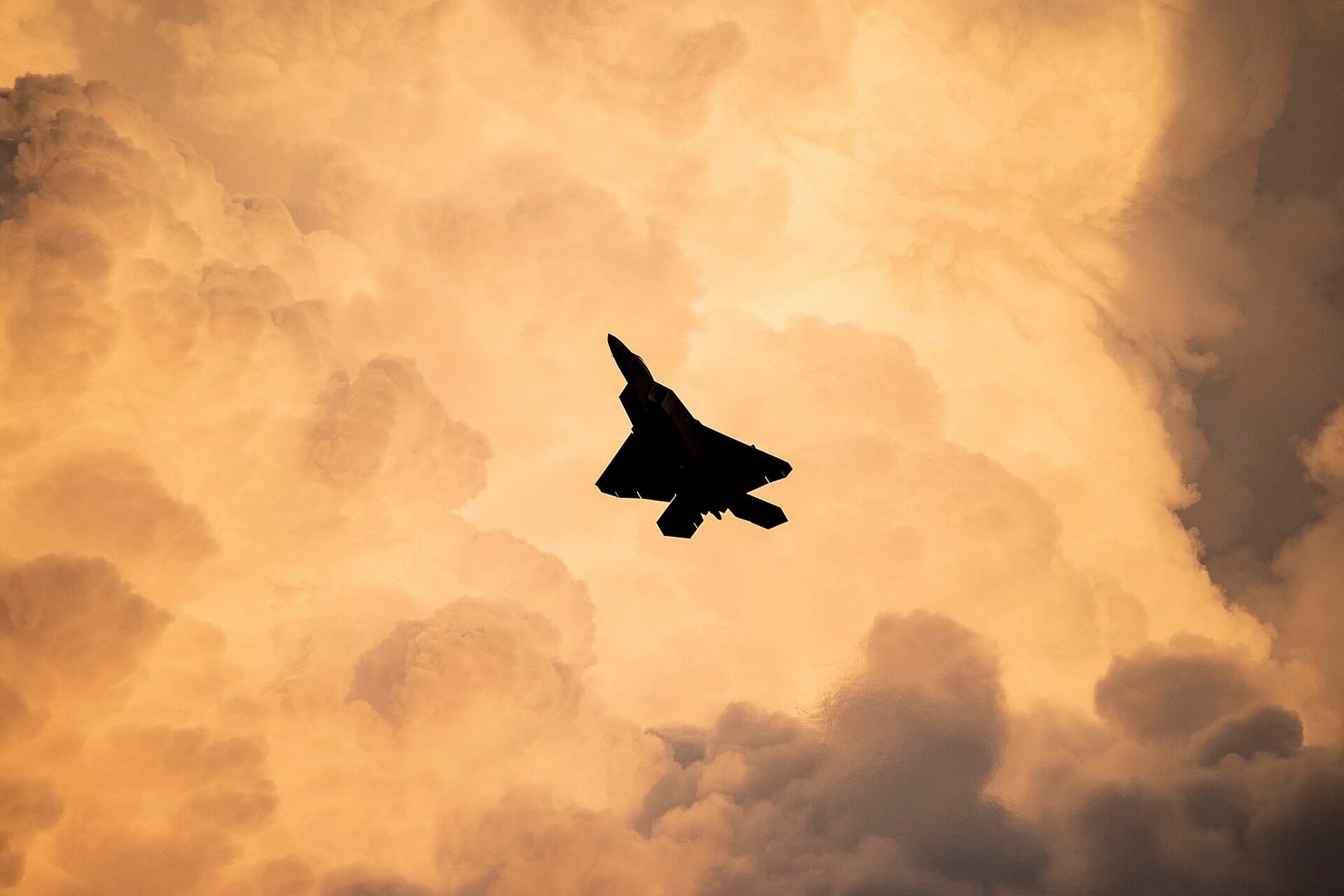
Il capitolo iniziale di Ali di guerra: dagli Zeppelin alla sesta generazione, la nostra serie su come è stata inventata l'aviazione militare, un'innovazione alla volta.
È il primo novembre 1911 e un giovane tenente italiano di nome Giulio Gavotti sta pilotando un fragile monoplano Etrich Taube sopra il deserto vicino a Tripoli, in Libia. Sulle ginocchia tiene in equilibrio una piccola borsa di cuoio. Al suo interno ci sono quattro granate, ciascuna grande quanto un pompelmo e del peso di circa due chili.
A circa 180 metri di altitudine sopra l'oasi di Ain Zara, Gavotti afferra i comandi tra le ginocchia, infila la mano nella sacca, avvita a mano il detonatore alla prima granata e la lascia cadere fuori dall'aereo. Poi la seconda. Poi la terza e la quarta, su un accampamento turco sottostante. Non c'è mirino, né rastrelliera per le bombe, né un vero e proprio sistema di puntamento: solo un uomo in un aereo di legno e tela che lancia esplosivi fuori dalla cabina di pilotaggio a mani nude.
È la prima volta nella storia che delle bombe vengono sganciate su un nemico da un aereo. Tutto il futuro della guerra aerea – il Blitz, Hiroshima, il missile da crociera, il drone armato – è racchiuso in quella piccola custodia di cuoio. E quasi nessuno se ne accorge.
Poco più di un secolo dopo, i discendenti delle granate al pompelmo di Gavotti sono jet stealth in grado di attraversare un continente senza essere visti e di piazzare un'arma attraverso una finestra specifica. Questa è la storia di come siamo passati dall'uno all'altro – ed è, ancora e ancora, la stessa storia: una nuova idea, inventata quasi nello stesso momento da nazioni rivali, e conquistata non da chi l'ha pensata per primo, ma da chiunque fosse in grado di realizzarla. costruiscilo e usalo su larga scala.
LE CINQUE EPOCHE IN SINTESI (tocca un'epoca per saltare)
Epoca 1 — Nascita (1900-1918): i primi lavori in cielo
Quando la prima guerra mondiale iniziò nel 1914, l'aeroplano aveva appena dieci anni e la maggior parte dei generali lo considerava un giocattolo. Il suo primo valore militare non fu affatto il combattimento, ma vedere.
Ricognizione Era questo il compito originario. Piccoli aerei biposto ronzavano sopra le trincee, con i loro osservatori intenti a disegnare e fotografare le posizioni nemiche. Nelle prime settimane di guerra, gli aviatori alleati avvistarono le armate tedesche che viravano a est di Parigi: informazioni che contribuirono a salvare la città nella battaglia della Marna. Il generale che aveva scartato l'aereo improvvisamente non poté più farne a meno.
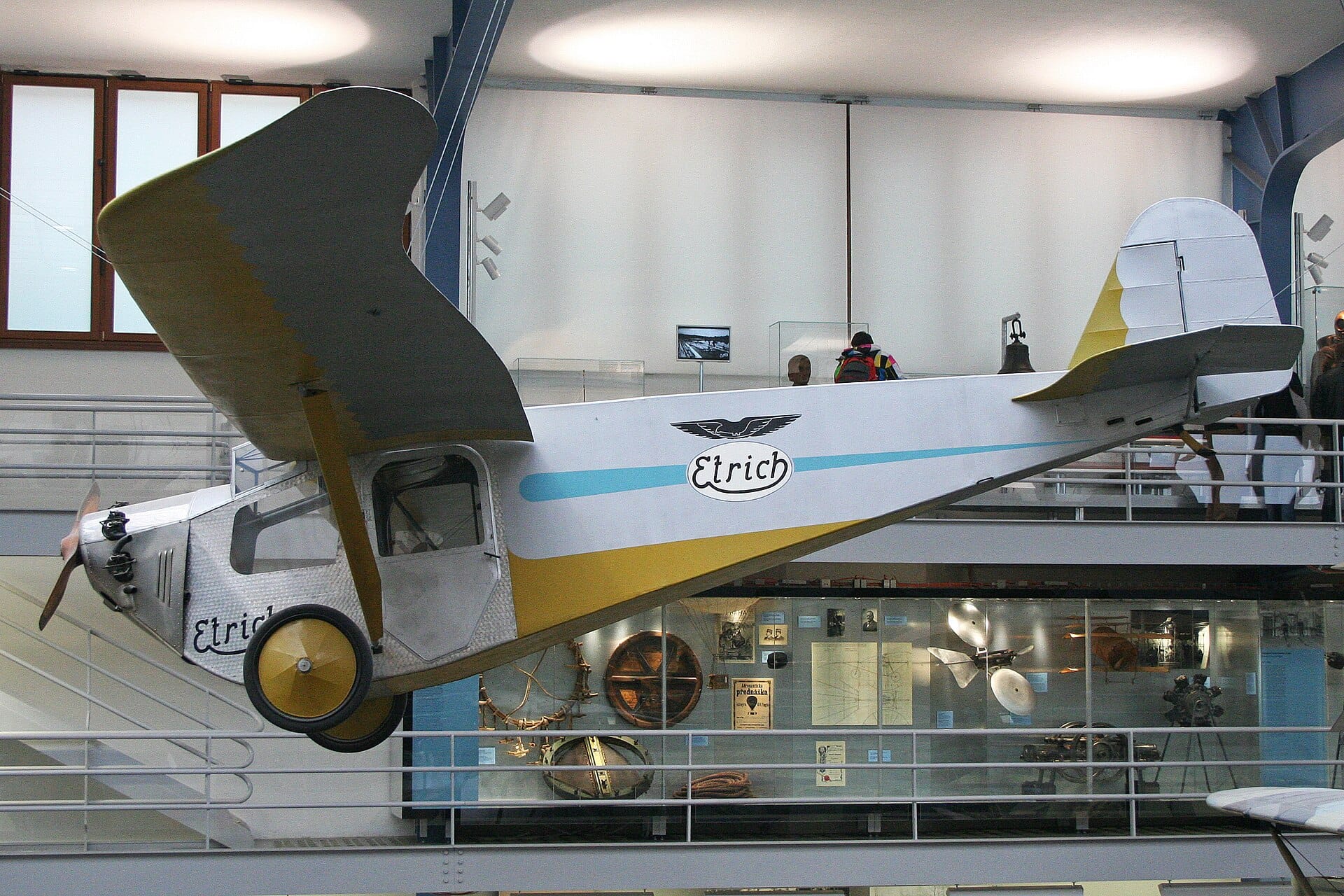
Bombardamento Arrivò sorprendentemente presto, addirittura prima del caccia stesso. Già nel 1911, prima ancora che iniziasse la Prima Guerra Mondiale, il tenente italiano Giulio Gavotti si sporse da un Taube come quello raffigurato sopra e sganciò a mano le prime bombe della storia. Nei primi anni di guerra, gli equipaggi si limitavano a trasportare piccole bombe e granate in quota e a lanciarle fuori dal finestrino. Era un metodo estremamente impreciso, ma l'idea di un attacco dall'alto era già diffusa.
Il combattente Fu l'ultimo dei tre ruoli a comparire, e arrivò proprio per fermare gli altri due. Se gli aeroplani potevano vedere e bombardare, entrambe le parti avevano urgente bisogno di un modo per abbattere quelli nemici. La svolta, intorno al 1915, fu un meccanismo per sparare con una mitragliatrice direttamente attraverso l'elica in rotazione senza distruggerla: il merito fu oggetto di una vera e propria contesa tra un brevetto tedesco, un progetto francese e la famosa versione di produzione della Fokker. Una volta che la Germania lo mise in servizio, il "Flagello Fokker" diede alle Potenze Centrali un vantaggio letale, e nacquero i combattimenti aerei.
Da lì il bombardiere crebbe rapidamente. Le granate lanciate a mano lasciarono il posto a macchine costruite appositamente — il Gotha bimotore e il "Gigante" quadrimotore — che potevano attraversare il mare e colpire le città. La prima efficace campagna di bombardamenti strategici cadde su Folkestone nel maggio del 1917, una storia che racconteremo per intero nel primo approfondimento di questa serie.
POTENZE A CONFRONTO — PRIMA GUERRA MONDIALE — POTENZE CENTRALI CONTRO ALLEATI
| I contendenti | Germania e Austria-Ungheria contro Gran Bretagna, Francia, Italia e Stati Uniti |
| Chi ha guidato | Germania: prima con il cannone sincronizzato, lo Zeppelin e il bombardiere pesante |
| Chi ha risposto | Gli Alleati — superarono la Germania nella produzione e inventarono la difesa aerea organizzata (e, in Gran Bretagna, la prima forza aerea indipendente, la RAF) |
| Il verdetto | Nel 1918 ogni missione moderna — ricognizione, caccia, bombardamento — esisteva già in forma embrionale |
Era 2 — Le dure lezioni (1919–1945): il radar, la portaerei, il jet
Tra le due guerre, il biplano lasciò il posto all'elegante monoplano interamente metallico, e teorici come l'italiano Giulio Douhet sostenevano che flotte di bombardieri avrebbero potuto vincere le guerre da sole, radendo al suolo le città. Con lo scoppio della Seconda Guerra Mondiale, queste idee furono messe alla prova e si rivelarono disastrose.
La battaglia d'Inghilterra del 1940 fu decisa non solo da Spitfire e uragani, ma causati da qualcosa di invisibile: radar. La rete Chain Home britannica era in grado di individuare gli incursori in alto mare e di indirizzare i caccia per intercettarli: fu la prima volta che una nazione combatté una battaglia aerea con un'immagine del cielo in tempo reale. Anche la Germania possedeva il radar; la Gran Bretagna lo integrò semplicemente meglio.
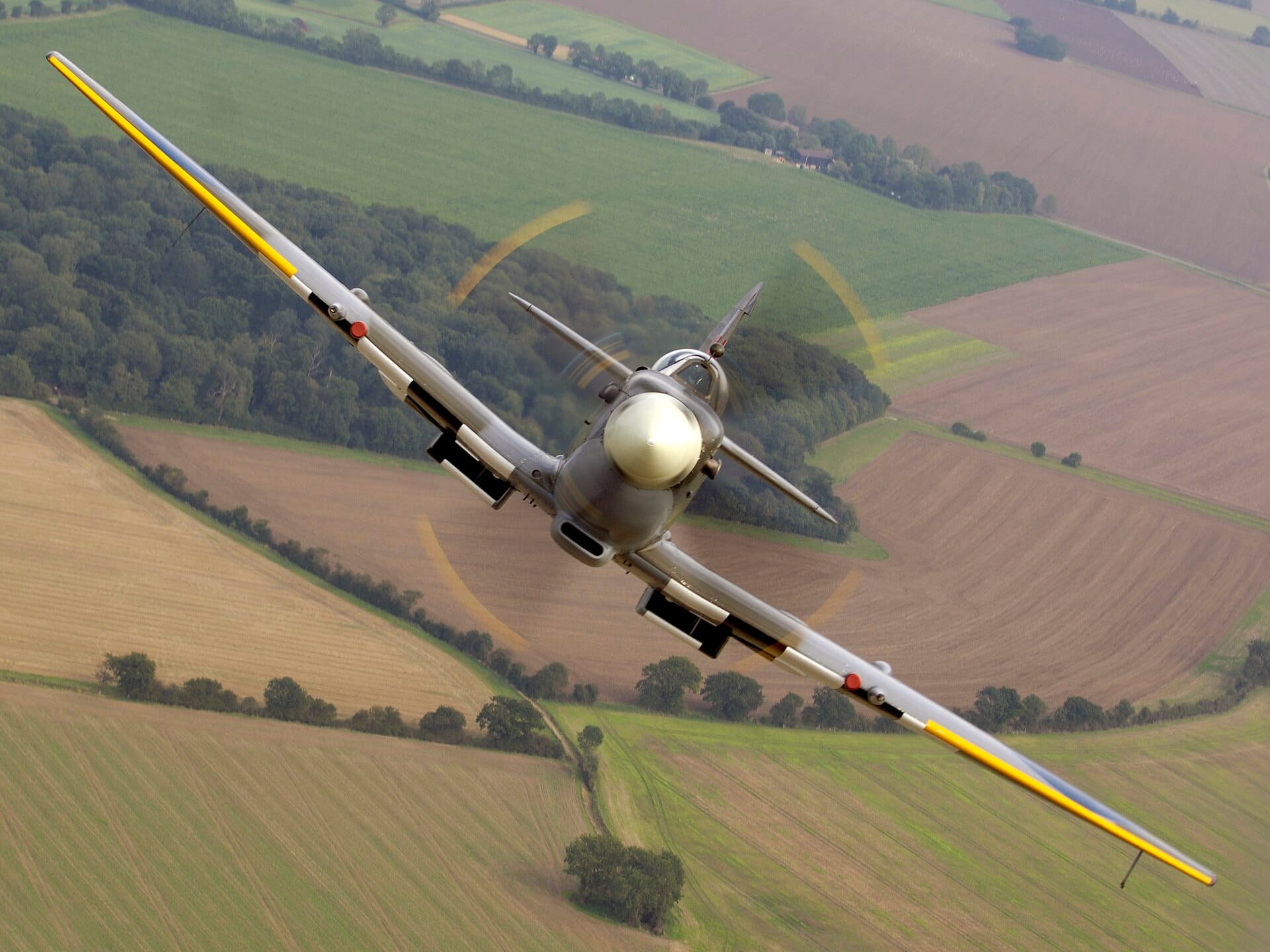
In mare, la portaerei spodestò la corazzata: a Taranto, Pearl Harbor e Midway, gli aerei lanciati dalle navi decisero il destino delle flotte. E il bombardamento strategico raggiunse una maturità terrificante, con formazioni di migliaia di bombardieri Lancaster, B-17 e B-29 che incendiarono le città di Germania e Giappone: la logica di Folkestone, moltiplicata per mille.
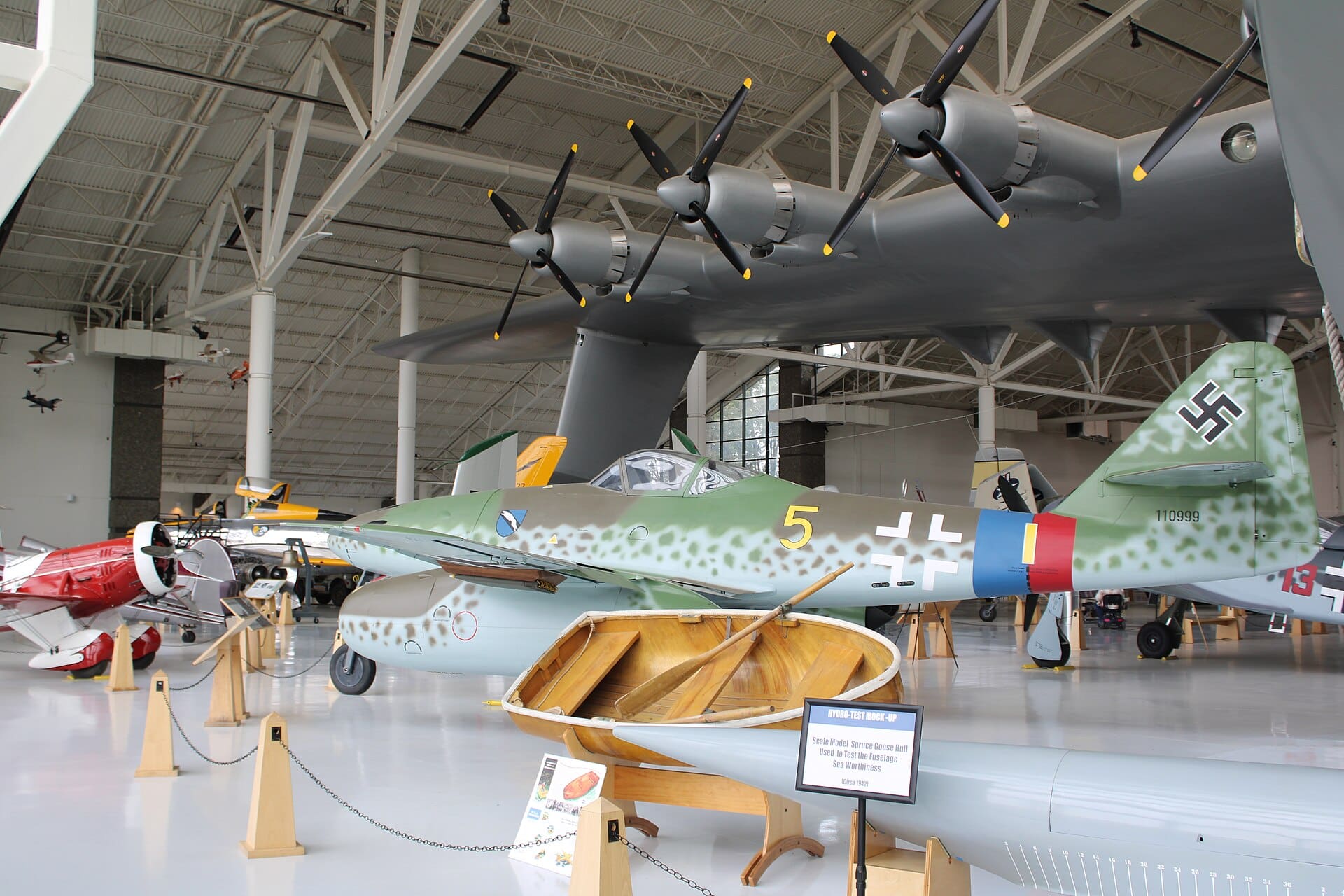
Poi, negli ultimi anni della guerra, arrivarono due rivoluzioni che avrebbero definito tutto ciò che sarebbe seguito. In Gran Bretagna, Frank Whittle, e in Germania, Hans von Ohain, avevano inventato ciascuno indipendentemente il motore a reazione; La Germania ha schierato il primo caccia a reazione operativo, il Messerschmitt Io 262, Nel 1944, dai poligoni di tiro tedeschi nacquero i primi missili da crociera e balistici, i V-1 e i V-2, antenati di ogni arma guidata e razzo spaziale venuto dopo.
POTENZE A CONFRONTO — SECONDA GUERRA MONDIALE — ASSE CONTRO ALLEATI
| I contendenti | Germania nazista, Giappone e Italia contro Gran Bretagna, Stati Uniti e Unione Sovietica |
| Chi l'ha inventato? | La Germania era all'avanguardia nello sviluppo del jet, del razzo e dei primi radar; il motore a reazione apparve in Gran Bretagna nello stesso periodo. |
| Chi l'ha fatto meglio? | Gli Alleati: integrazione dei radar, aviazione imbarcata e pura massa industriale (URSS e USA superarono tutti in termini di capacità produttive) |
| Il verdetto | La Germania ha inventato il futuro e ha perso il presente; il jet e il razzo sono arrivati troppo tardi per salvarla |
Era 3 — La Guerra Fredda (1945-1991): più veloce, più alta, più letale
Il motore a reazione e la bomba atomica si fusero in un'unica, terrificante idea: il bombardiere a propulsione nucleare in grado di radere al suolo una città in un pomeriggio. Per decenni la sopravvivenza del mondo si basò su una "triade" composta da bombardieri, missili terrestri e sottomarini, nonché sugli aerei costruiti per trasportare, dissuadere e spiare.
I caccia hanno superato la barriera del suono e hanno continuato a salire. Sopra la Corea, gli americani F-86 Sabres duellarono con veicoli di costruzione sovietica MiG-15 nel primo combattimento aereo su larga scala al mondo. La competizione si trasformò in un'implacabile scalata di velocità e altitudine, culminata in macchine come la Lockheed SR-71 Blackbird: un aereo da ricognizione così veloce e così alto che nessun missile è mai riuscito a raggiungerlo.
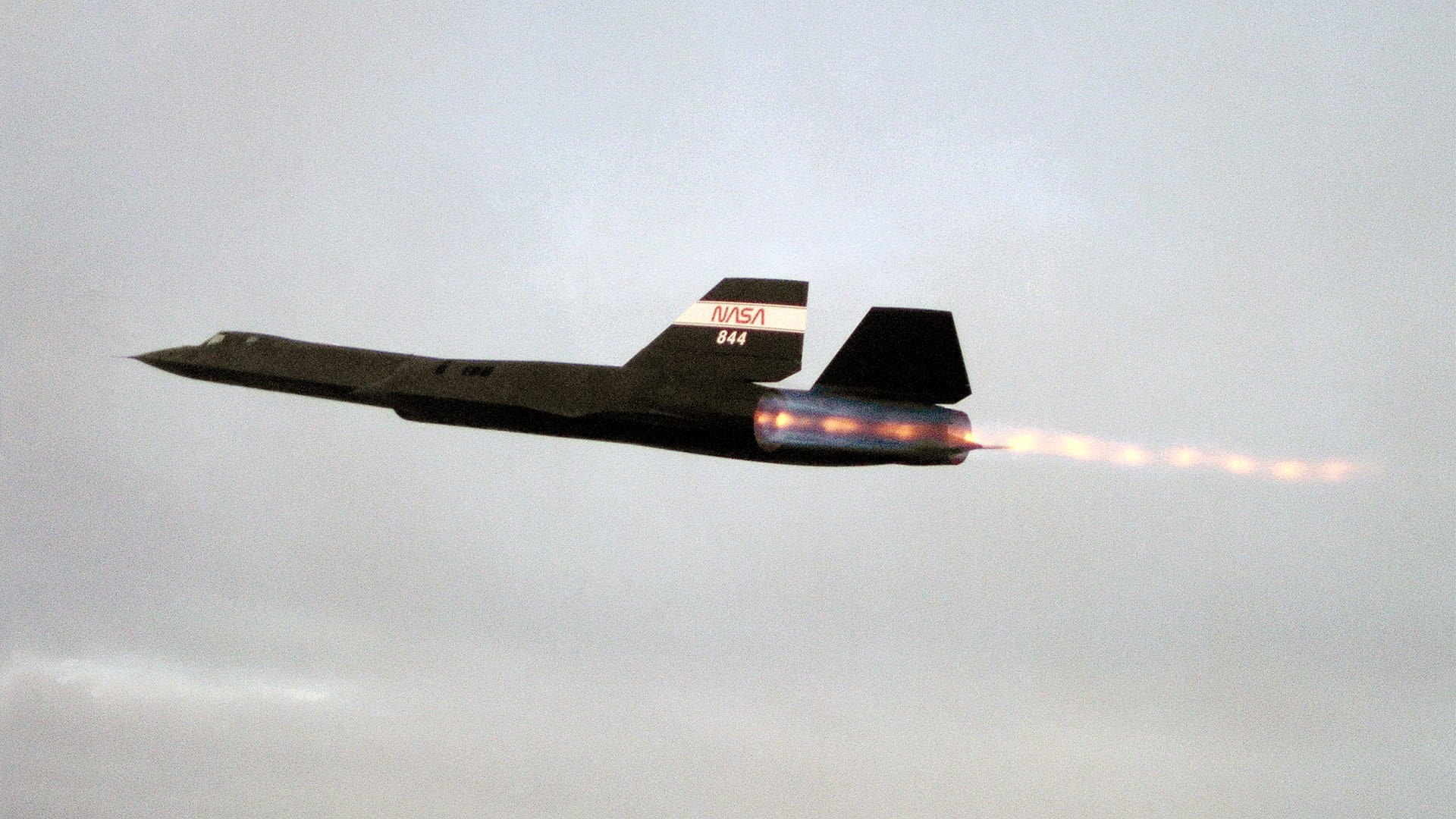
Ma l'aereo più importante della Guerra Fredda potrebbe non aver avuto né pilota né ali. Nel 1960, dopo la U-2 Un aereo spia venne abbattuto sopra l'URSS, il primo satellite da ricognizione americano, Corona, riportò in orbita la sua prima capsula di pellicola, recuperata sopra il Pacifico da un aereo di passaggio. In un solo passaggio fotografò una porzione dell'Unione Sovietica maggiore di quella fotografata da tutti i voli U-2 messi insieme. I sovietici avevano il loro, Zenit. Il punto più alto di tutti era stato conquistato, ed era in orbita.
POTENZE A CONFRONTO — LA GUERRA FREDDA — NATO CONTRO IL PATTO DI VARSAVIA
| I contendenti | Gli Stati Uniti e la NATO contro l'Unione Sovietica e il Patto di Varsavia |
| Chi ha inventato cosa? | Una vera e propria corsa agli armamenti di invenzione parallela: per ogni SR-71 un MiG-25, per ogni Corona uno Zenit |
| Chi l'ha fatto meglio? | In generale, l'Occidente deteneva un vantaggio nell'elettronica, nei motori e nella ricerca stealth; i sovietici nella robusta produzione di massa |
| Il verdetto | Nessuna delle due parti ha "vinto" nello spazio aereo, ma le tecnologie che hanno sviluppato in quella corsa contro il tempo definiscono oggi la guerra moderna. |
Era 4 — L'era dell'informazione (1991-2015): l'invisibile e il preciso
Nella notte d'apertura della Guerra del Golfo del 1991, aerei che i radar riuscivano a malapena a individuare sorvolarono Baghdad e sganciarono bombe attraverso i condotti di ventilazione, mentre le difese della città sparavano alla cieca in un cielo vuoto. Due idee erano giunte a maturazione contemporaneamente.
Il primo era furtività. In una delle grandi ironie della storia, la matematica che lo ha reso possibile proveniva da un articolo di un fisico sovietico che l'URSS ignorò e che gli ingegneri americani lessero, producendo la struttura sfaccettata F-117 e, più tardi, il B-2 E F-22. Il secondo era precisioneGrazie alle bombe guidate da laser e satelliti, un singolo aereo poteva ora compiere l'impresa che un tempo richiedeva mille aerei, e farlo senza radere al suolo l'area circostante.
E silenziosamente, sul terreno iniziò una terza rivoluzione. drone — ideato come strumento di ricognizione da Israele e trasformato in cacciatore-killer dai modelli americani Predator e Reaper — ha messo il pilota in un rimorchio a migliaia di chilometri dal fronte, cambiando la natura morale e politica della guerra stessa.
POTENZE A CONFRONTO — L'ERA DELL'INFORMAZIONE — L'OCCIDENTE E IL RESTO DEL MONDO
| I contendenti | Gli Stati Uniti e la NATO all'apice del loro dominio e le potenze che li studiano in silenzio. |
| Chi l'ha inventato? | Gli Stati Uniti erano all'avanguardia nella tecnologia stealth, nei droni di precisione e nei droni armati; Israele è stato pioniere dei droni da ricognizione da combattimento. |
| Chi sta recuperando | Cina e Russia, che hanno seguito da vicino l'Operazione Desert Storm e si sono prefissate di copiarla e contrastarla |
| Il verdetto | Per due decenni l'Occidente ha dominato il cielo; il resto del mondo ha trascorso quegli stessi decenni imparando a riconquistarlo. |
Era 5 — Presente e futuro (2015–): la sesta generazione
La tecnologia stealth non è più un monopolio americano. La Russia utilizza il Su-57, e la Cina non solo ha schierato il J-20 ma hanno rivelato le forme senza coda e con tre motori di quelli che sembrano veri e propri progetti di sesta generazione, intravisti per la prima volta, non a caso, nelle riprese dei telefoni cellulari mostrati dagli spettatori a Chengdu.
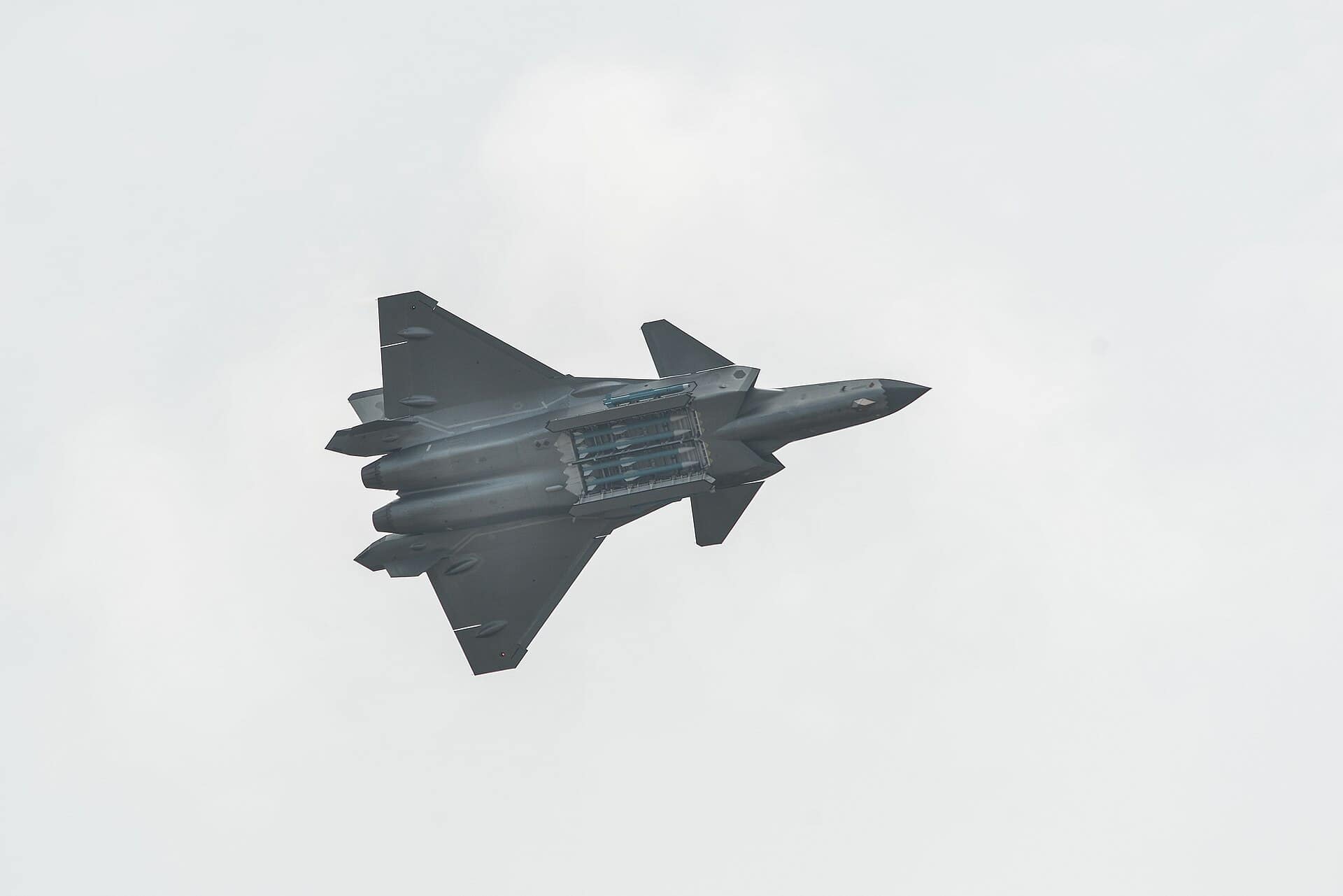
La sesta generazione di caccia – gli F-47 e NGAD americani, i GCAP e FCAS europei, i nuovi prototipi cinesi – non si limita ad aumentare la velocità. La caratteristica distintiva è il lavoro di squadra: un caccia con equipaggio che coordina una flotta di droni autonomi ed economici, veri e propri "gregari", con il pilota che assume sempre più il ruolo di gestore di macchine piuttosto che di gladiatore solitario. Lo spazio, nel frattempo, è diventato un vero e proprio campo di battaglia, costellato di satelliti che rendono possibile tutto ciò che si trova al di sotto di essi.
Da un uomo che lancia granate a mano da 180 metri di altezza a un pilota che comanda uno sciame di robot da una cabina di pilotaggio invisibile, il filo conduttore non è mai cambiato. A vincere è chi prende una nuova idea e la industrializza più velocemente, e questa corsa è ora una sfida a tre tra NATO, Russia e Cina.
POTENZE A CONFRONTO — OGGI E NEL FUTURO — NATO, RUSSIA E CINA
| I contendenti | Gli Stati Uniti e i loro alleati (compresi i programmi europei GCAP/FCAS) contro la Cina contro la Russia |
| Chi lo sta inventando? | Tutti e tre sono impegnati nella corsa verso i caccia di sesta generazione e i gregari autonomi; la Cina si sta muovendo a una velocità sorprendente. |
| Chi può costruirlo? | La questione decisiva è questa: i jet di ultima generazione sono validi solo quanto l'industria in grado di produrli in serie. |
| Il verdetto | Per la prima volta dal 1945, il dominio dello spazio aereo occidentale è realmente contestato |
Lo schema sottostante a tutto ciò
Nel corso di un secolo e cinque epoche, lo stesso ritmo si ripete. Il cannone sincronizzato, il motore a reazione, il radar, la tecnologia stealth: ognuno di questi è stato inventato in due o tre luoghi quasi simultaneamente, perché gli stessi problemi producono le stesse soluzioni. I vincitori raramente sono stati gli inventori. Sono stati coloro che hanno trasformato un'idea brillante in migliaia di velivoli, li hanno integrati in un sistema e hanno addestrato le persone al loro utilizzo.
Nelle prossime settimane, questa serie racconterà per intero ciascuna di queste storie: il dirigibile, il caccia, il bombardiere, la ricognizione, il satellite, il drone, la tecnologia stealth, il missile guidato, la guerra elettronica e la corsa alla sesta generazione; e ognuna inizierà, come questa, con il singolo momento in cui tutto ha avuto inizio. Benvenuti a Ali della guerra.
Fonti: Imperial War Museum; Archivi Nazionali degli Stati Uniti; NASA; National Air and Space Museum; storie standard dell'aviazione. Cifre e primati sono verificati con più fonti; laddove l'attribuzione di un'invenzione sia contestata, lo specifichiamo.
| 1. | Il dirigibile in guerra | Come lo Zeppelin portò per la prima volta la guerra nei cieli |
| 2. | Il primo incarico: la ricognizione. | Gli occhi che vinsero la Marna e salirono in orbita |
| 3. | Il combattente | La centenaria ricerca del controllo dell'aria |
| 4. | Folkestone, 1917 | Il giorno in cui nacque il bombardamento strategico |
| 5. | La rivoluzione della precisione | Quando bombe e missili impararono a puntare da soli |
| 6. | La guerra dei maghi | Come la guerra elettronica ha imparato ad accecare il nemico |
| 7. | Occhi in orbita | Come lo spionaggio si è spostato nello spazio |
| 8. | furtività | Come gli aerei hanno imparato a scomparire dai radar |
| 9. | L'ascesa dei droni | Guerra senza pilota nella cabina di pilotaggio |
| 10. | La sesta generazione | Quando il caccia imparò a volare da solo |
LETTURE CORRELATE
Wilbur e Orville Wright: dodici secondi che hanno cambiato il mondoBoeing si aggiudica il contratto NGAD per gli F-47, ma crescono le critiche.Domande correlate
Quando furono sganciate per la prima volta delle bombe da un aereo?
Il primo bombardamento aereo ebbe luogo il 1° novembre 1911, quando il tenente italiano Giulio Gavotti sganciò a mano quattro granate dal suo monoplano Etrich Taube sulla Libia. Accadde quattro anni prima ancora che esistesse un vero aereo da caccia: il primo esempio di attacco aereo.
Come si è evoluta l'aviazione militare dalla Prima Guerra Mondiale?
In poco più di un secolo, gli aerei militari sono passati da velivoli in legno e tela i cui equipaggi sganciavano bombe a mano a jet stealth che attraversano i continenti senza essere visti e lanciano un'arma attraverso un singolo finestrino. Ogni passo avanti – il caccia, il radar, il jet, la tecnologia stealth, le armi di precisione e ora la collaborazione tra droni – ha ridefinito il modo in cui si combattono le guerre.
Cosa è nato prima, il caccia o il bombardiere?
Il bombardiere venne prima. Già nel 1911, prima dell'inizio della Prima Guerra Mondiale, gli equipaggi sganciavano bombe e granate a mano. Il caccia fu l'ultimo dei tre ruoli principali a comparire, inventato specificamente per sostituire gli altri due, una volta che gli aerei furono in grado sia di vedere che di bombardare.
Che ruolo ebbe il radar nella Battaglia d'Inghilterra?
Il radar fu decisivo. La rete britannica Chain Home rilevò gli aerei nemici tedeschi in alto mare e indirizzò i caccia per intercettarli: fu la prima volta che una nazione combatté una battaglia aerea con un'immagine del cielo in tempo reale. Anche la Germania possedeva il radar, ma la Gran Bretagna lo integrò nei suoi sistemi di difesa in modo molto più efficace.
Chi ha inventato il motore a reazione?
Il motore a reazione fu sviluppato indipendentemente in Gran Bretagna e in Germania alla fine degli anni '30, rispettivamente da Frank Whittle in Gran Bretagna e da Hans von Ohain in Germania. La Germania schierò il primo caccia a reazione operativo, il Me 262, ma arrivò troppo tardi nella Seconda Guerra Mondiale per cambiarne l'esito.
Cos'è la triade nucleare?
La triade nucleare è il trio di sistemi su cui una potenza nucleare fa affidamento per la deterrenza: bombardieri a lungo raggio, missili terrestri e sottomarini lanciamissili. Durante la Guerra Fredda, la sopravvivenza del mondo si fondava su questa triade e sugli aerei costruiti per trasportare, dissuadere e spiare.
Quando è stata utilizzata per la prima volta la furtività in combattimento?
Gli aerei stealth dimostrarono per la prima volta la loro efficacia la notte di apertura della Guerra del Golfo del 1991, sorvolando Baghdad e sganciando bombe di precisione mentre le difese della città sparavano alla cieca in un cielo vuoto. Questo evento segnò l'avvento simultaneo di due tecnologie: la tecnologia stealth e le armi a guida di precisione.
Chi ha inventato la tecnologia stealth?
La matematica alla base della tecnologia stealth deriva da un articolo del fisico sovietico Pyotr Ufimtsev, che l'URSS ignorò: gli ingegneri americani lo sfruttarono per progettare il primo aereo stealth. La tecnologia stealth non è più un monopolio americano: la Russia utilizza il Su-57 e la Cina il J-20.
Che cos'è un caccia di sesta generazione?
I caccia di sesta generazione rappresentano la classe più recente di velivoli da combattimento, tra cui gli americani F-47/NGAD, gli europei GCAP e FCAS e i nuovi prototipi cinesi. La loro caratteristica distintiva non è la pura velocità, bensì la capacità di operare in team: un aereo con equipaggio controlla uno stormo di droni autonomi, con il pilota che funge da responsabile delle macchine.
Che cos'è un fedele drone gregario?
Un gregario leale è un drone economico e autonomo che vola a fianco di un caccia con equipaggio sotto il controllo del pilota. Può svolgere funzioni di ricognizione, trasportare sensori o armi e assorbire i rischi davanti al jet con equipaggio. La collaborazione tra gregari leali e aerei da combattimento è il concetto cardine della potenza aerea di sesta generazione.
0 Commenti