
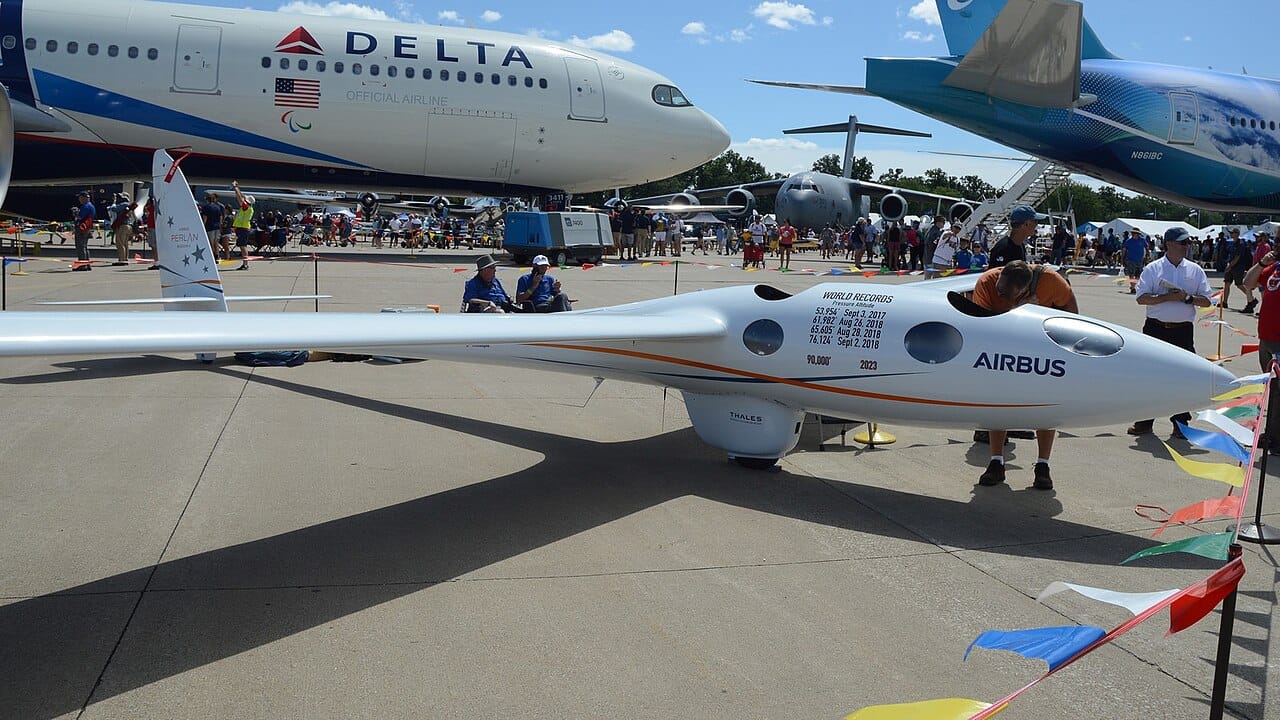
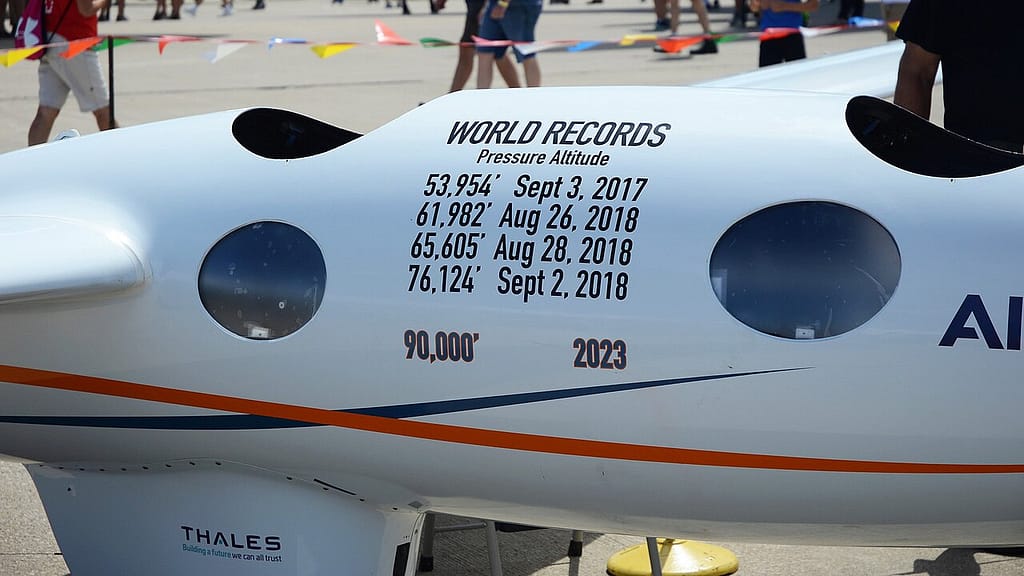
No engine. No jet fuel. No rocket. Just a slender white sailplane, its long wings feeding on invisible rivers of rising air, climbing higher than a U-2 spy plane into the freezing black of the stratosphere. In 2018, the engineless Perlan 2 glider soared to 76,124 feet over the mountains of Patagonia, the highest altitude a winged aircraft has ever reached in sustained level flight.
It is one of the purest feats in all of aviation: reaching the doorstep of space using nothing but the wind and a deep understanding of how the atmosphere moves.
Quick Facts: The Perlan Project
- Aeromobili: Perlan 2, a pressurized, engineless glider
- Documentazione: 76,124 feet, 2 September 2018
- Higher than: The U-2 spy plane’s 73,737-foot ceiling
- Dove: El Calafate, Argentina, over the Andes
- Come: Riding stratospheric mountain waves
- Ultimate goal: 90,000 feet
Riding the wave
The secret is a phenomenon called the stratospheric mountain wave. When strong winds pour over a mountain range, they can set up enormous standing waves of air that ripple upward for miles. In a few places on Earth, and at a few times of year, the polar vortex amplifies these waves so they reach deep into the stratosphere. Over the Andes near El Calafate, a glider can hitch a ride on them almost to the edge of space. The Perlan 2, weighing just 1,500 pounds and sealed like a spacecraft with its own closed-loop breathing system, is towed aloft and then simply soars.
Higher than a spy plane
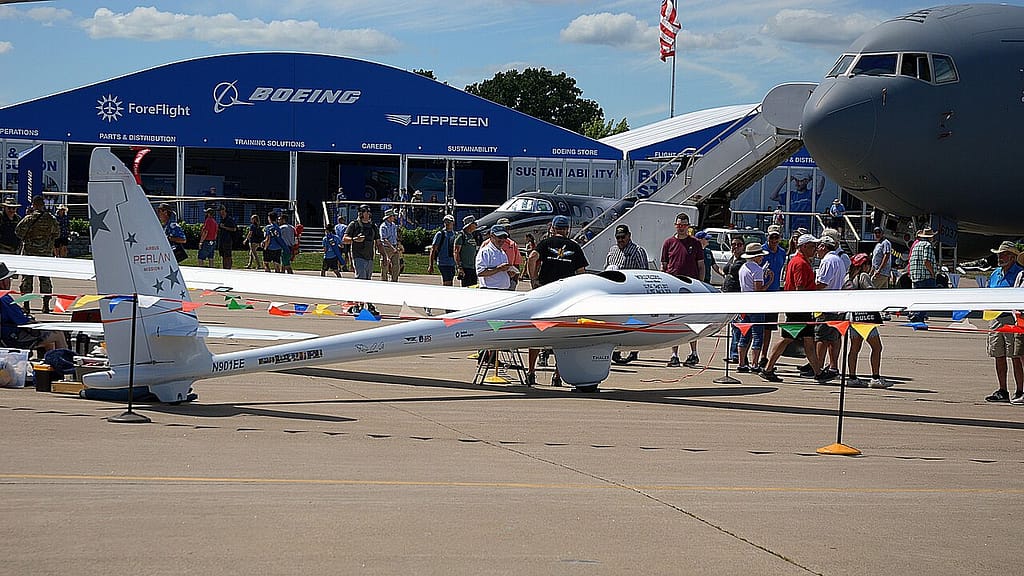
The project was the dream of Einar Enevoldson, a former NASA test pilot convinced that gliders could ride these waves far higher than anyone believed. In 2006 he and adventurer Steve Fossett flew the unpressurized Perlan 1 to 50,727 feet. Twelve years later, on 2 September 2018, pilots Jim Payne and Tim Gardner took the new Perlan 2 to 76,124 feet, shattering that record and climbing past the sustained ceiling of the Lockheed U-2. An engineless glider had out-climbed one of the most famous high-altitude aircraft ever built.
Why fly a glider to space
It is not just a stunt. Backed by Airbus, the Perlan team uses these flights to study the stratospheric waves themselves, the ozone layer and the mechanics of climate. And because the air at 76,000 feet is about as thin as the surface atmosphere of Mars, the glider is a flying laboratory for how wings behave in near-vacuum, knowledge that could one day help aircraft fly on other planets. The team’s dream of 90,000 feet remains, waiting for the perfect wave.
Sources: Airbus, Fédération Aéronautique Internationale, The Perlan Project, Smithsonian.
0 Commenti