
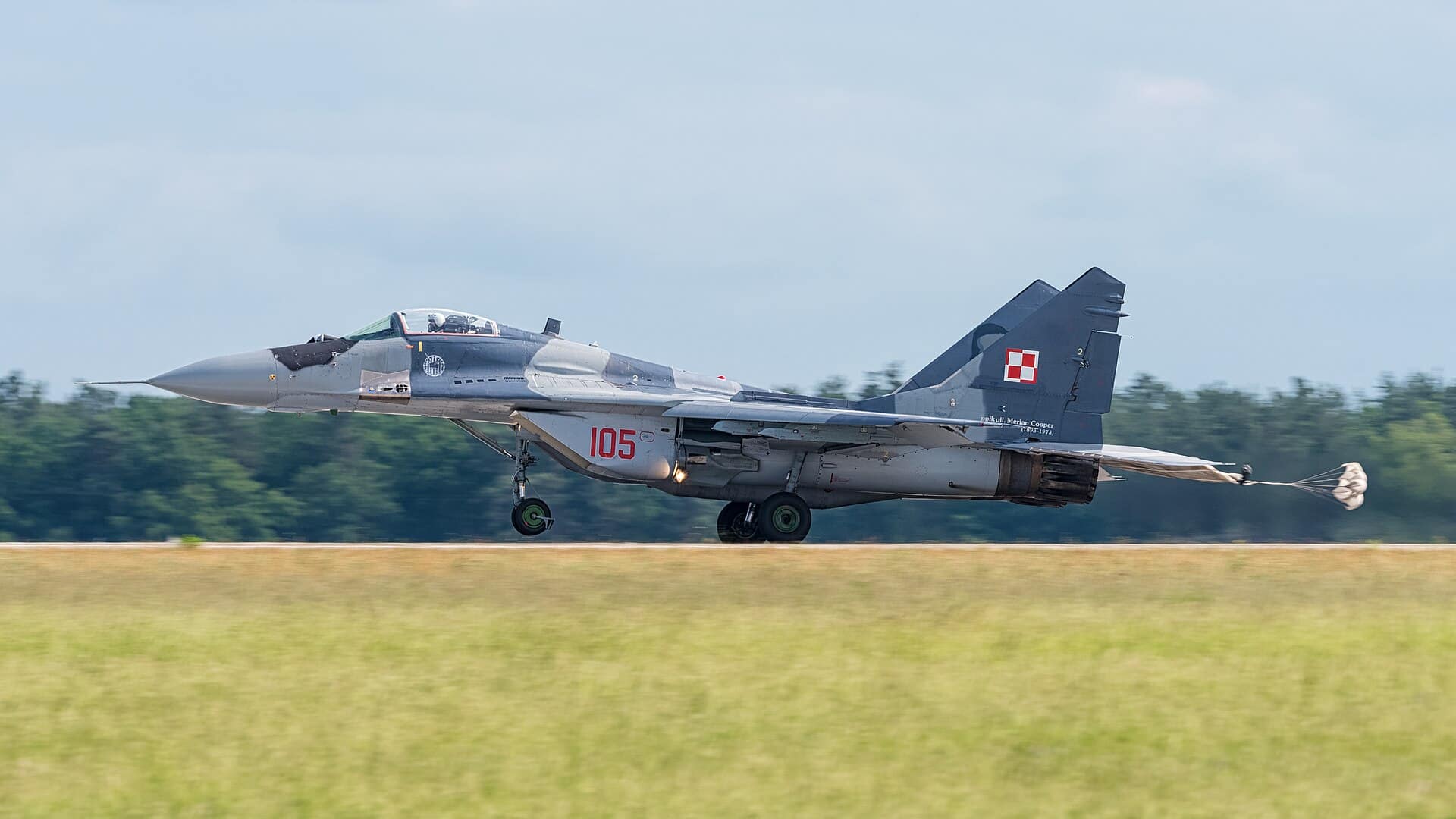
Nella primavera del 2023, la Polonia è diventata il primo paese della NATO a inviare aerei da combattimento in Ucraina: quattordici MiG-29, ceduti mentre le altre capitali stavano ancora discutendo. Tre anni dopo, gli ultimi quattordici Fulcrum in servizio in Polonia avrebbero dovuto seguirli verso est. Questa settimana, Varsavia ha detto di no.
Il ministro della Difesa Władysław Kosiniak-Kamysz ha confermato a Polsat News il 29 giugno che il trasferimento è stato interrotto, e la sua spiegazione dice molto sullo stato delle relazioni tra Polonia e Ucraina quanto qualsiasi comunicato. I jet, ha affermato, facevano parte di un accordo: MiG in cambio di tecnologia ucraina per droni. Secondo la versione di Varsavia, Kiev ha accettato l'accordo, per poi ritirarsi dalla sua parte.
Informazioni rapide: L'accordo sul fulcro congelato
| Annunciato | 29 giugno 2026, il ministro della Difesa Kosiniak-Kamysz su Polsat News |
| Jet | 14 MiG-29 del 41° Squadrone Tattico, 22ª Base Aerea, Malbork |
| L'accordo | “MiG per i droni”: aerei da combattimento per la tecnologia ucraina contro i droni e i sistemi anti-drone, accordo di principio entro dicembre 2025. |
| La rivendicazione | L'Ucraina "inizialmente aveva dato il suo consenso, ma poi non ha rispettato" l'accordo di condivisione tecnologica (governo polacco; Kiev non ha rilasciato commenti). |
| Destino riportato | Reuters riferisce che i jet potrebbero ora essere considerati irrecuperabili e rottamati. |
| la sostituzione della Polonia | Gli FA-50 subentreranno a Malbork; il ritiro dei MiG-29 è previsto entro la fine del 2026. |
Uno scambio andato male
La logica dell'accordo originale era elegante. La Polonia sta comunque ritirando i suoi MiG-29; l'Ucraina utilizza questo tipo di velivolo in combattimento e ne smonta ogni cellula possibile. L'Ucraina, nel frattempo, è diventata la potenza mondiale più esperta nell'uso dei droni, esattamente l'esperienza di cui la Polonia ha bisogno dopo che i droni russi hanno violato il suo spazio aereo nel settembre 2025. Aerei in cambio di know-how: entrambe le parti ci guadagnano.
Secondo Kosiniak-Kamysz, ciò che ha fatto scattare l'accordo è stata la diplomazia dei droni di Kiev in altri paesi. L'Ucraina ha firmato accordi di tecnologia per la difesa con il Kuwait e sta corteggiando Arabia Saudita, Emirati Arabi Uniti e Qatar, clienti paganti, mentre la Polonia si aspettava termini di partnership. Secondo il ministro, un'Ucraina già in grado di vendere droni al Kuwait e di trarne profitto anche in tempo di guerra potrebbe certamente ricambiare il favore a chi le fornisce attrezzature.
Il governo ucraino non ha risposto pubblicamente alla versione polacca dei fatti, e The War Zone osserva che le affermazioni non possono essere confermate in modo indipendente. Ci sono due versioni di questa storia; finora solo una ha parlato.
Il grande freddo
I jet congelati sono un sintomo, non la malattia. Da quando il presidente Karol Nawrocki si è insediato nell'agosto del 2025 promettendo una "partnership strategica simmetrica", le relazioni si sono deteriorate a causa di controversie sul grano, della dolorosa storia della Volinia e di uno straordinario scambio avvenuto a giugno: Nawrocki ha revocato l'Ordine dell'Aquila Bianca al presidente Zelensky, e Zelensky ha restituito le sue onorificenze polacche. Tra paesi vicini la cui sicurezza è così strettamente interconnessa, il simbolismo è agghiacciante: i droni russi non controllano i passaporti quando si dirigono verso ovest.
Per l'aeronautica militare ucraina, la perdita effettiva è reale ma in diminuzione. Il suo futuro è occidentale: F-16 E Mirage anni 2000 in servizio, sedici Gripen Es ordinato questa settimana, e si parla di Rafales. Quattordici Fulcrum con molte ore di volo alle spalle, alcuni dei quali a quanto pare già destinati alla rottamazione, non avrebbero mai potuto decidere l'esito della guerra. Ma i pezzi di ricambio e le cellule mantengono in volo una flotta di MiG-29 malconcia, e Oryx conta almeno 38 Fulcrum ucraini persi finora.
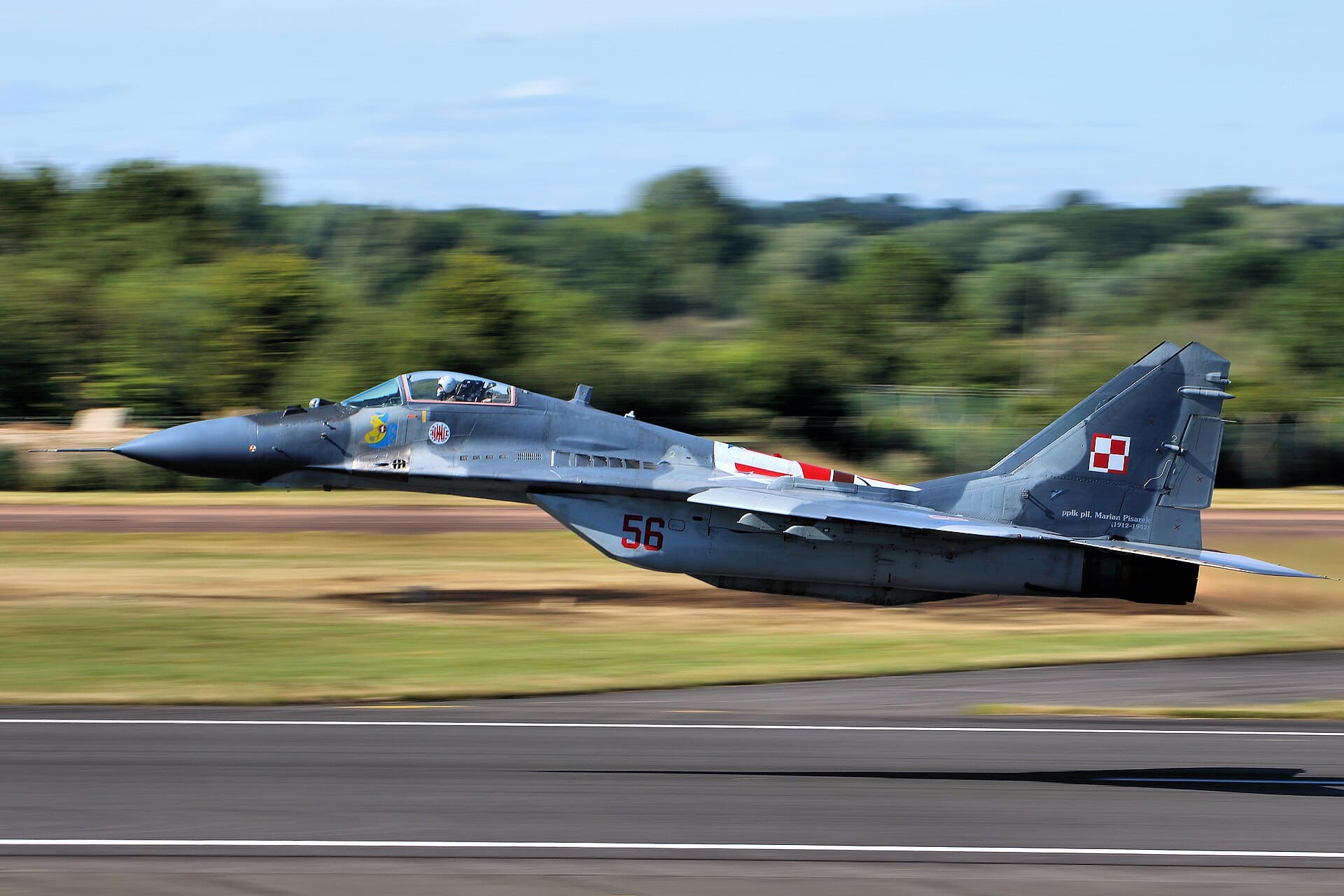
I Malbork Fulcrum nel loro elemento, provenienti dalla stessa comunità della 22ª base aerea:
Fonti: The War Zone; Kyiv Post; Kyiv Independent; Ukrainska Pravda; Reuters (tramite PRM); Notes from Poland; The Defense Post
Domande correlate
La Polonia ha smesso di inviare MiG-29 in Ucraina?
Sì. Il 29 giugno 2026, il ministro della Difesa polacco Wladyslaw Kosiniak-Kamysz ha confermato a Polsat News che il trasferimento degli ultimi 14 MiG-29 polacchi all'Ucraina era stato interrotto. Ha affermato che i jet avrebbero dovuto essere scambiati con tecnologia ucraina per droni e sistemi anti-drone, in base a un accordo di principio raggiunto nel dicembre 2025, ma che Kiev non aveva rispettato i termini dell'accordo.
Quanti MiG-29 ha fornito la Polonia all'Ucraina?
Nella primavera del 2023, la Polonia è diventata il primo Paese NATO a inviare aerei da combattimento in Ucraina, consegnando quattordici MiG-29 Fulcrum, mentre le altre capitali erano ancora indecise. Gli ultimi quattordici Fulcrum in servizio con l'aeronautica polacca, di stanza presso il 41° Squadrone Tattico di Malbork, avrebbero dovuto seguire, ma il trasferimento è stato bloccato nel giugno del 2026.
Perché la Polonia ha bloccato il trasferimento dei MiG-29 all'Ucraina?
Secondo il ministro della Difesa Kosiniak-Kamysz, i jet facevano parte di un accordo che prevedeva lo scambio di MiG con l'esperienza ucraina nel settore dei droni, richiesta dalla Polonia dopo che i droni russi avevano violato il suo spazio aereo nel settembre 2025. Ha affermato che l'Ucraina ha firmato accordi di tecnologia per la difesa con il Kuwait e ha corteggiato gli stati del Golfo come clienti paganti senza ricambiare nei confronti della Polonia, spingendo Varsavia a interrompere la cessione.
Cos'è il MiG-29 Fulcrum?
Il MiG-29, nome in codice NATO Fulcrum, è un caccia bimotore di progettazione sovietica introdotto negli anni '80 come aereo da superiorità aerea di prima linea. Diversi stati della NATO hanno ereditato flotte dall'era del Patto di Varsavia, tra cui la Polonia e Bulgaria, i cui MiG-29 sono ancora in stato di allerta. L'Ucraina utilizza questo tipo di arma in combattimento contro la Russia.
L'Ucraina ha risposto alle affermazioni della Polonia?
Al momento della stesura del rapporto, il governo ucraino non aveva ancora risposto pubblicamente al resoconto polacco e i media hanno notato che le affermazioni non potevano essere verificate in modo indipendente. La disputa riflette una tensione più ampia nelle relazioni tra Polonia e Ucraina. I combattenti sono stati a lungo una preziosa risorsa diplomatica, un tema ricorrente negli episodi della Guerra Fredda come la defezione di un MiG-21 iracheno a favore di Israele nel 1966.
0 Commenti