
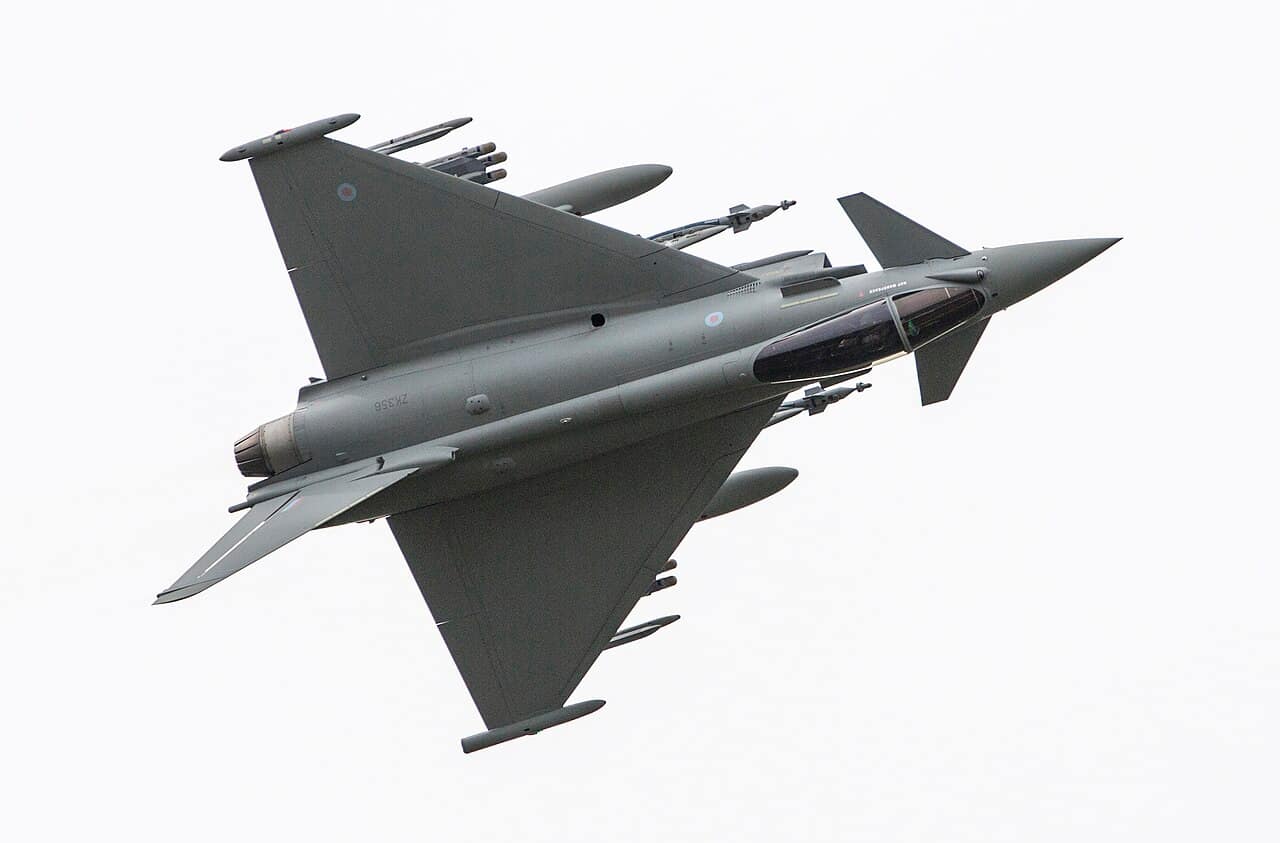
Britain has put a number on its future: £298 billion. That is the size of the Defence Investment Plan unveiled at the end of June, the government’s four-year blueprint for rebuilding an armed forces bent on fighting “the wars of today and tomorrow.”
It is a genuinely large figure — enough to push UK defence spending from £54 billion a year to almost £80 billion by 2029, and to 2.7 percent of GDP, the highest share in three decades. The harder question, the one defence-watchers seized on immediately, is how much of that headline is new steel in the sky and how much is clever bookkeeping.
| Piano | Piano di investimenti per la difesa del Regno Unito, pubblicato il 30 giugno 2026 |
| Totale | £298 billion over four years (incl. £15bn new) |
| Percorso di spesa | £54bn/yr → ~£80bn/yr by 2029; 2.7% of GDP |
| Combattente di sesta generazione | >£8bn for GCAP with Japan & Italy |
| droni | >£5bn for a “drone transformation” |
Ciò che ottiene la RAF
Air power runs through the plan. More than £8 billion over four years goes to the Global Combat Air Programme — the sixth-generation stealth fighter Britain is building with Japan and Italy, and which we covered when the £8.6 billion was pledged. On top of that, the UK will buy 12 F-35A jets and join NATO’s nuclear mission, pour more than £5 billion into drones and autonomy, and spend £790 million hardening the homeland against air, drone and missile attack — including directed-energy weapons and a new Integrated Air, Space and Missile Defence Operations Centre.
There is money for munitions too: £11 billion to refill stockpiles emptied by the aid flowing to Ukraine, with at least six new explosives factories promised by 2030. The picture is of an RAF rebuilt around crewed jets, robot wingmen, AI-driven targeting and layered air defence.
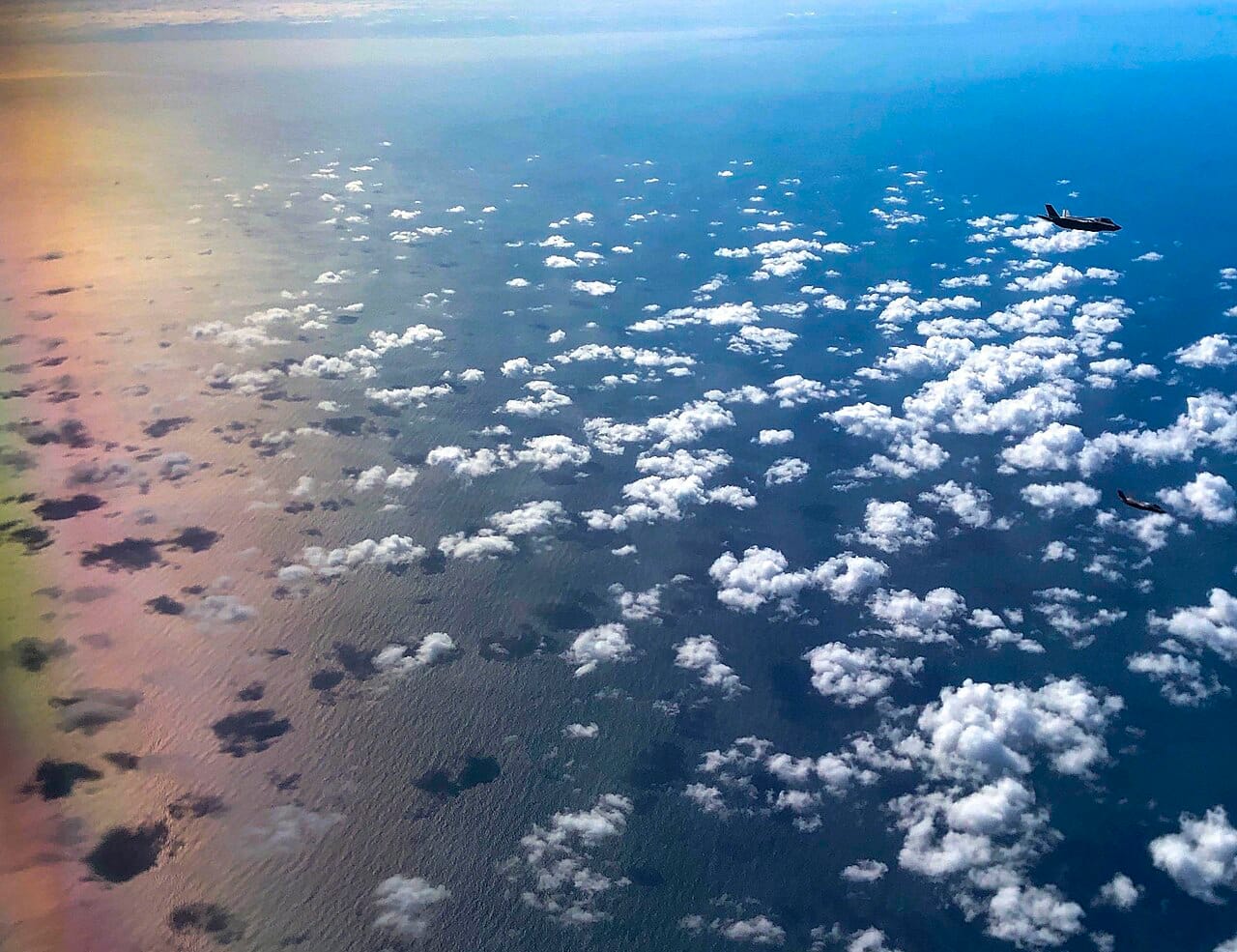
Forza della sesta generazione o contabilità creativa?
Here is where the scepticism creeps in. Of the £15 billion in genuinely new money, the Defence Secretary himself acknowledged that most is not for shiny hardware at all — it is day-to-day spending to keep existing ships and aircraft available and crews trained. Vital, unglamorous, and not the same thing as a new fighter.
That candour cuts both ways. Readiness has been the British military’s quiet crisis for years — jets that cannot fly for want of spares, ships alongside for lack of crew — so spending on availability is arguably overdue. But it also means the eye-catching £298 billion total blends new investment with the cost of simply keeping the current force running, which is why analysts asked whether the plan is a leap in capability or a repackaging exercise.
Il segnale
Whatever the accounting, the direction is unmistakable. Britain is betting that the next war will be won by crewed jets flying with drones, by AI that picks targets faster than a human can, and by air defences that can swat a swarm out of the sky. The GCAP demonstrator is due to fly in 2027, with the operational fighter targeted for 2035. Between now and then, the test is simple: does the hardware arrive, or does the £298 billion turn out to be mostly the sound of a treasury balancing its books?
Fonti: GOV.UK / Ministero della Difesa; The Aviationist; FlightGlobal; Biblioteca della Camera dei Comuni.
Domande correlate
Cos'è il Piano di investimenti per la difesa del Regno Unito?
Il Piano di investimenti per la difesa del Regno Unito, pubblicato il 30 giugno 2026, è un programma quadriennale per la ricostruzione delle forze armate britanniche. Con un valore di 298 miliardi di sterline, mira a preparare le forze armate alle guerre di oggi e di domani, finanziando un mix di aerei con equipaggio, droni, sistemi di puntamento basati sull'intelligenza artificiale e una difesa aerea a più livelli. Il piano porterebbe la spesa per la difesa al suo più alto livello in rapporto al PIL degli ultimi trent'anni.
Quanto spende il Regno Unito per la difesa?
Secondo il piano, la spesa per la difesa del Regno Unito aumenterà da circa 54 miliardi di sterline all'anno a quasi 80 miliardi entro il 2029, pari a circa il 2,7% del PIL, la quota più alta degli ultimi trent'anni. La cifra principale è di 298 miliardi di sterline in quattro anni, di cui circa 15 miliardi sono considerati fondi effettivamente nuovi.
Che implicazioni ha il piano di difesa del Regno Unito per la RAF?
La potenza aerea è al centro del piano. Più di 8 miliardi di sterline in quattro anni vanno al Programma globale di combattimento aereo (GCAP), Il programma britannico per lo sviluppo di un caccia stealth di sesta generazione, in collaborazione con Giappone e Italia, prevede anche un finanziamento di 5 miliardi di sterline per la trasformazione dei droni. La RAF riceve inoltre 12 F-35A aggiuntivi e viene integrata più profondamente nella missione nucleare della NATO.
Che cos'è GCAP?
Il GCAP, Global Combat Air Programme, è un progetto congiunto per un caccia di sesta generazione tra Regno Unito, Giappone e Italia. Il suo obiettivo è quello di realizzare un aereo da combattimento stealth avanzato, progettato per volare in equipaggio con droni. Il Piano di investimenti per la difesa del Regno Unito per il 2026 destina oltre 8 miliardi di sterline al programma in quattro anni, una delle voci di spesa più consistenti per la potenza aerea.
I 298 miliardi di sterline del Regno Unito sono tutti di nuova emissione?
No. Dei 298 miliardi di sterline indicati, solo circa 15 miliardi sono effettivamente nuovi fondi, e il Segretario alla Difesa, Dan Jarvis, ha riconosciuto che la maggior parte di questi è spesa ordinaria per mantenere disponibili navi e aerei esistenti e addestrare gli equipaggi, piuttosto che per nuove attrezzature. Le attrezzature più costose sono finanziate attraverso programmi separati di lunga durata come i contratti multimiliardari per i motori F-35.

0 Commenti