
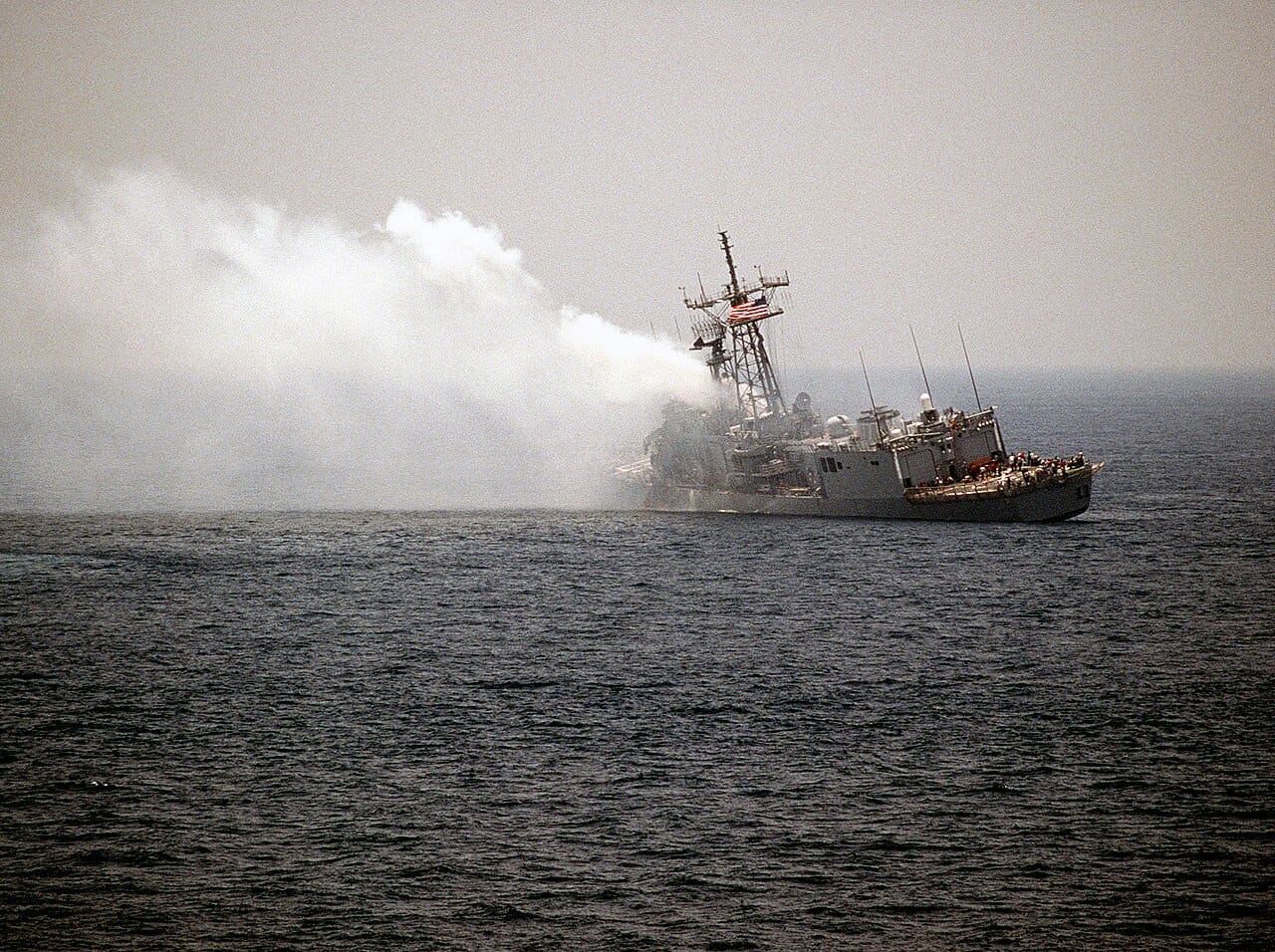
Il 17 maggio 1987, nel 2005, la fregata lanciamissili USS Stark ricevette la segnalazione che un aereo iracheno aveva lasciato la terraferma e si dirigeva verso sud, lungo il Golfo Persico. La notizia non destò particolare allarme. Gli aerei iracheni compivano questo tipo di sortite quasi tutte le notti, dando la caccia alle petroliere che trasportavano petrolio iraniano, e lo facevano da anni.
Centosessantasette minuti dopo, trentasette marinai americani erano morti.
Ciò che rende il ritorno alla Stark a quasi quarant'anni di distanza degno di nota non è solo il modo in cui è accaduto, sebbene la cronaca minuto per minuto sia davvero dolorosa da leggere. È il fatto che la questione più fondamentale dell'attacco non ha mai trovato risposta. Ancora oggi, fonti attendibili non concordano sul tipo di aereo che ha lanciato i missili.
Informazioni rapide
Data: 17 maggio 1987, Golfo Persico centrale
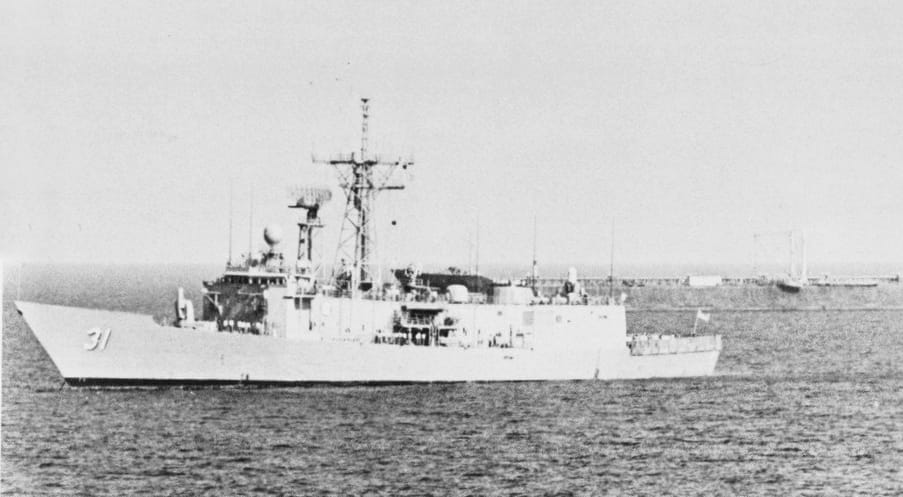
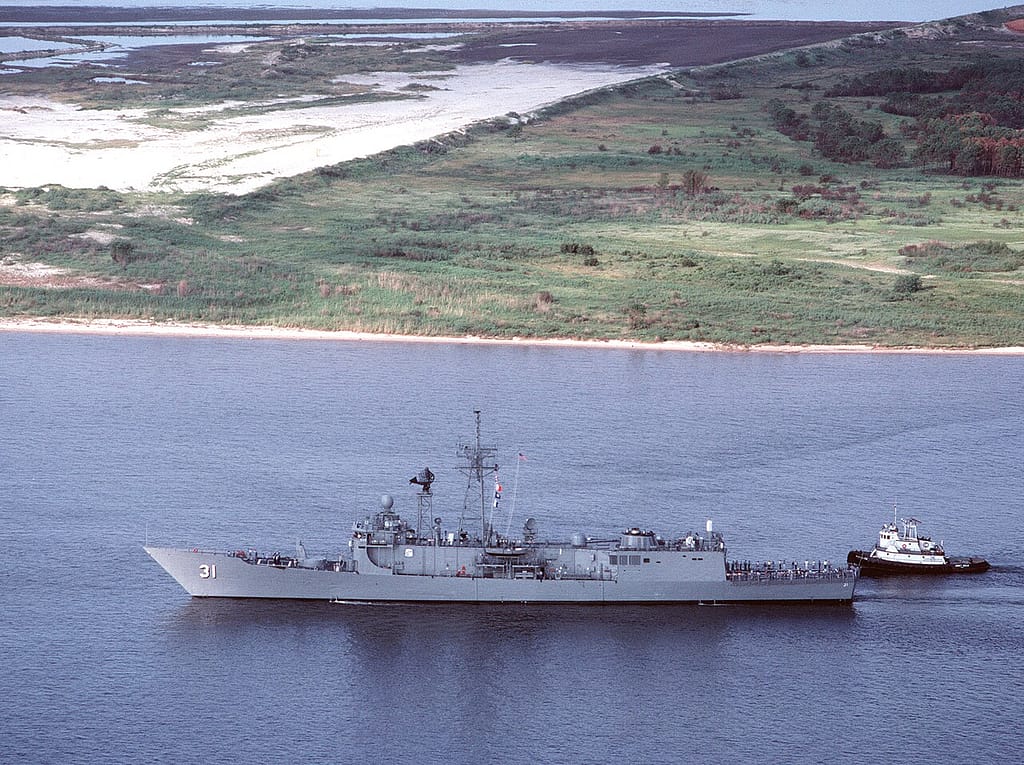
Nave: USS Stark (FFG-31), fregata lanciamissili di classe Oliver Hazard Perry
Arma: due missili antinave Aerospatiale AM39 Exocet lanciati dall'aria
Gittata di lancio: il primo a circa 22,5 miglia nautiche, il secondo a circa 15
Vittime: 37 membri della Marina statunitense uccisi, 21 feriti.
Aerei d'attacco: Ufficialmente un Dassault Mirage F1. Analisi successive indicano che si tratta di un jet executive Dassault Falcon 50 modificato.
Spiegazione irachena: il pilota scambiò la fregata per una petroliera iraniana
Destino della nave: salvata dal suo equipaggio, riparata e rimessa in servizio nel 1988
La guerra che nessuno stava combattendo
Per capire perché una nave da guerra americana si trovasse nel mezzo di tutto questo, bisogna comprendere la dinamica della guerra delle petroliere.
L'Iraq voleva strangolare le esportazioni di petrolio iraniano, quasi tutte convogliate attraverso l'isola di Kharg, nella parte settentrionale del Golfo Persico. Pertanto, aerei iracheni sorvolarono la costa occidentale del Golfo, virarono verso est quando il loro radar individuò una nave e aprirono il fuoco. L'Iran, non avendo navi irachene da attaccare per rappresaglia, colpì invece le petroliere che commerciavano con gli stati arabi del Golfo. Il risultato fu uno specchio d'acqua pieno di imbarcazioni civili prese di mira da entrambe le parti.
Il contrammiraglio Harold Bernsen, all'epoca comandante della Forza per il Medio Oriente, ha fornito la sua descrizione delle tattiche di puntamento irachene, una frase fondamentale per comprendere cosa accadde alla Stark.
Gli equipaggi iracheni non controllavano il bersaglio delle loro mitragliatrici. Individuavano un segnale radar e lanciavano il missile. Nella maggior parte delle notti, questo si traduceva in una petroliera in fiamme e nessuna notizia. Quella notte, invece, si trattò di una fregata americana.
Sessantasette minuti di piccole decisioni
La cronologia ricostruita negli Atti dell'Istituto Navale degli Stati Uniti si presenta come un caso di studio su come un disastro si costruisca a partire da scelte singolarmente difendibili.
Il capitano Glenn Brindel venne informato dell'arrivo dell'aereo nel 2005, quando si trovava a duecento miglia di distanza. Gliene venne ricordato nel 2015. Alle 20:55 chiese perché non ci fosse ancora un'immagine radar dell'aereo, e il centro informazioni di combattimento impostò il radar di ricerca aerea sulla sua portata di ottanta miglia. Riuscirono a individuare l'aereo a settanta miglia di distanza.
Alle 21:02, il radar di intercettazione aerea Cyrano dell'aereo è stato rilevato e per diversi secondi si è agganciato allo Stark. Un aggancio radar non lascia spazio a dubbi. Significa che qualcuno ti sta osservando specificamente.
Alle 21:03, l'operatore radar chiese al responsabile delle operazioni tattiche, il tenente Basil Moncrief, il permesso di inviare l'allarme standard. Moncrief rispose: "No, aspetta"."
Alle 21:05 l'aereo virò verso la nave a 32,5 miglia, mantenendo una rotta costante con distanza decrescente, il classico segnale di qualcosa che sta arrivando per ucciderti. Il CIC non lo vide. Alle 21:07 il primo Exocet si staccò dal binario a 22,5 miglia. Una vedetta vide il lancio e lo segnalò come un contatto di superficie. Brindel fu contattato ma non fu trovato.
Alle 21:08 lo Stark trasmise finalmente una richiesta di soccorso sulla frequenza aerea militare. Il pilota iracheno stava lanciando il suo secondo missile proprio mentre il messaggio veniva trasmesso. Il sistema d'arma a corto raggio Phalanx, l'ultima difesa automatica contro questa specifica minaccia, fu messo in stato di standby. Alle 21:09 una vedetta segnalò l'arrivo di un missile. La segnalazione non raggiunse mai l'ufficiale addetto alle operazioni tattiche.
2112
Il tenente Art Conklin era l'assistente addetto al controllo danni della nave. Il suo resoconto fu pubblicato negli Atti l'anno successivo.
Il primo missile penetrò nello scafo sotto l'ala del ponte di sinistra, a due metri e mezzo sopra la linea di galleggiamento, a oltre 960 chilometri orari. La sua testata non esplose. Non fu un atto di pietà. Avendo percorso solo 35 chilometri, trasportava ancora gran parte del suo carburante e disperse diverse centinaia di chili di propellente in fiamme nei compartimenti degli alloggi, nel barbiere, nell'ufficio postale e negli alloggi dei sottufficiali prima di fermarsi.
L'incendio che ne seguì raggiunse una temperatura di oltre 3.500 gradi Fahrenheit, circa il doppio della temperatura normalmente considerata il limite massimo per un incendio a bordo di una nave. Fusionò la struttura.
Circa trenta secondi dopo, il secondo missile colpì il bersaglio a circa due metri e mezzo di distanza dal primo, penetrando per un metro e mezzo ed esplodendo come previsto. Gran parte dell'onda d'urto si propagò verso l'esterno attraverso lo scafo, aprendo un grosso squarcio nella nave e, paradossalmente, salvandola non dirigendo l'energia verso l'interno.
Nel giro di pochi minuti, quasi un quinto dell'equipaggio era morto.
Ciò che accadde dopo è la parte della storia di cui la Marina ha il diritto di essere orgogliosa. Il sottufficiale di terza classe Mark Samples trascorse dodici ore a spruzzare acqua di raffreddamento nel deposito missili della nave. Se fosse esploso, la Stark sarebbe affondata con tutti ancora a bordo. Il marinaio Mark Caouette continuò a lavorare per garantire la tenuta stagna nonostante gravi ustioni, ferite da schegge e una gamba amputata. Il tecnico elettronico di terza classe Wayne Weaver morì mentre portava in salvo altri uomini dalla zona dell'esplosione. Il sottufficiale di seconda classe Francis Burke rianimò i feriti per inalazione di fumo, applicando le tecniche di primo soccorso apprese durante le esercitazioni.
Hanno salvato la nave. È stata riparata ed è tornata in mare per le prove di navigazione nell'agosto del 1988.
Quindi, che tipo di aereo era?
È qui che il record si interrompe.
Il Comando Centrale degli Stati Uniti identificò l'attaccante come un Dassault Mirage F1, e tale identificazione è stata ripetuta da allora, anche nella retrospettiva per il trentesimo anniversario del Naval Institute. I tecnici di guerra elettronica a bordo rilevarono un radar Cyrano, che è quello del Mirage F1, quindi l'identificazione non fu casuale.
Il problema è aritmetico. La variante F1EQ-5 utilizzata dall'Iraq poteva trasportare esattamente un missile Exocet. Lo Stark fu colpito da due missili, sparati dallo stesso aereo a circa un minuto di distanza l'uno dall'altro.
Un'altra possibile spiegazione è che l'attentatore fosse un Dassault Falcon 50, un jet executive trimotore modificato dall'Iraq con un radar Cyrano nel muso, un pod di puntamento sull'asse centrale e un punto di attacco sotto ciascuna ala. Ciò spiegherebbe sia la traccia radar che il secondo missile. Nel 1989 la televisione di stato irachena trasmise filmati di un aereo identico, che rappresentano la prova pubblica più convincente a sostegno di questa teoria.
Non siamo in grado di risolvere la questione, e non lo è nemmeno chiunque altro al di fuori degli archivi competenti. Quel che si può dire è che l'identificazione ufficiale e le prove tecniche non coincidono, e che la discrepanza non è mai stata risolta pubblicamente. Se si trattava di un Falcon 50, allora l'attacco antinave più letale contro la moderna Marina degli Stati Uniti è stato condotto da un aereo da trasporto executive modificato.
Quanto è costato e cosa ha causato
Una commissione d'inchiesta presieduta dal contrammiraglio Grant Sharp stabilì che la Stark si trovava in uno stato di scarsa prontezza difensiva in un'area ad alto rischio. Il capitano Brindel fu sollevato dal comando e raccomandato per la corte marziale insieme al tenente Moncrief. Entrambi ricevettero infine una sanzione non giudiziaria e lettere di rimprovero. Brindel si ritirò anticipatamente e, non avendo ricoperto il grado per un periodo sufficiente, si ritirò con il grado di comandante.
Il giudizio di Bernsen sul fallimento fu schietto e non si limitò a criticare il giovane ufficiale.
C'è un epilogo cupo. Quattordici mesi dopo, l'incrociatore USS Vincennes, operando nelle stesse acque e ancora ancorato alla memoria di quanto accaduto a una nave che aveva aspettato troppo a lungo, abbatté il volo Iran Air 655, uccidendo 290 civili. Lo stesso Brindel in seguito fece il collegamento, suggerendo che la Stark fosse entrata a far parte del calcolo mentale di ogni comandante nel Golfo.
Anni dopo, a Bernsen fu chiesto cosa gli fosse rimasto impresso. Non si trattava né dell'inchiesta né della politica.
Mi trovavo sulla pista dell'aeroporto internazionale del Bahrain, a guardare trentasei bare avvolte nella bandiera americana salire sulla rampa di un C-141 per il volo di ritorno a casa. Trentasei, non trentasette. Un uomo era finito in mare e non era mai stato ritrovato.
Fonti: US Naval Institute (Atti, Storia navale, testimonianze orali del contrammiraglio Harold J. Bernsen e dell'ammiraglio Frank Kelso), USNI News, Brad Peniston, No Higher Honor, Naval History and Heritage Command, The Aviation Geek Club.
0 Commenti