
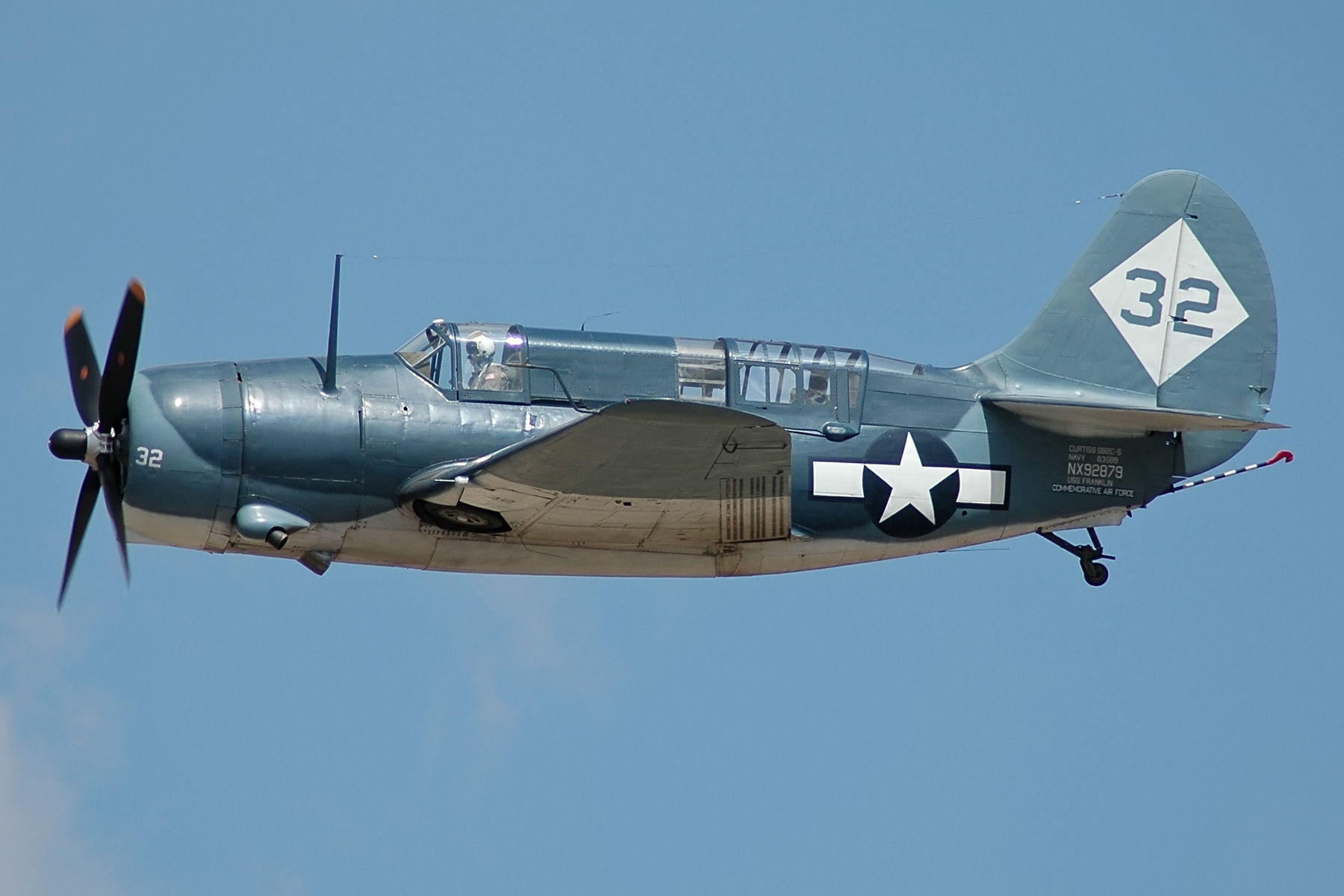
SB2C Helldiver
“The Beast” that sank the battleships
The US Navy’s troubled carrier dive bomber — cursed by its crews, plagued in development, and yet the aircraft that helped send the super-battleships Yamato and Musashi to the bottom.
The Helldiver: from “The Beast” to battleship-killer
By the early 1940s the US Navy needed a new dive bomber. The Douglas SBD Dauntless had won the Battle of Midway and was loved by its crews, but it was small and slow, and the Navy wanted something that could carry a heavier load faster and further — and still fit two aircraft on a carrier deck-edge elevator. Curtiss won the contract with the SB2C Helldiver.
Its development was a nightmare. The prototype crashed, the aircraft came out overweight and unstable, its structure was too weak, and its handling — especially at low speed near the carrier — was treacherous. The Navy demanded some 880 modifications before it would accept the type, and crews gave it names to match: “The Beast,” and, punning on its designation, “Son of a Bitch, 2nd Class.”
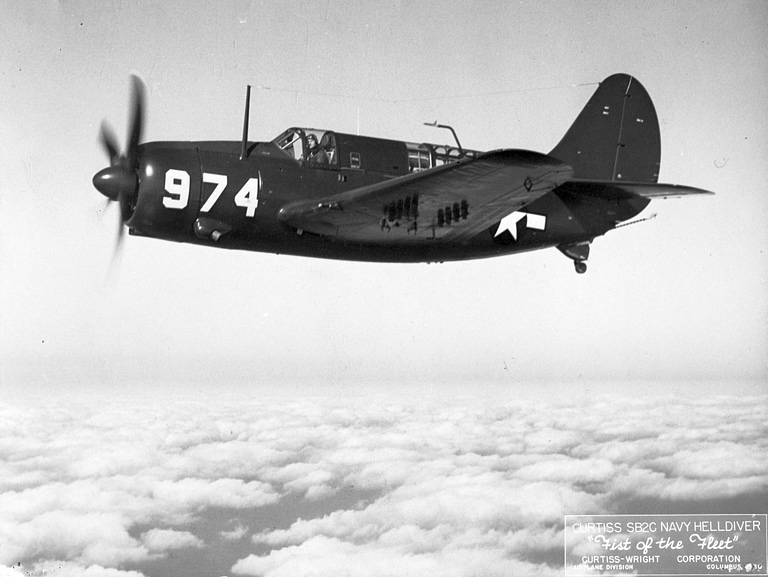
And yet, once the worst of the bugs were worked out, the Helldiver delivered what the Navy had asked for. It carried its bombs internally, mounted 20 mm cannon in the wings, and could haul a heavier load faster and further than the Dauntless it replaced. From late 1943 it became the US Navy’s standard carrier dive bomber.
Helldivers were at the heart of the great Pacific carrier battles of 1944–45 — the Marianas “Turkey Shoot,” the vast clash at Leyte Gulf, the strikes on the Japanese home islands. Most famously, Helldiver dive bombers helped sink the two largest battleships ever built: the Musashi in 1944 and her sister, the Yamato, in 1945.
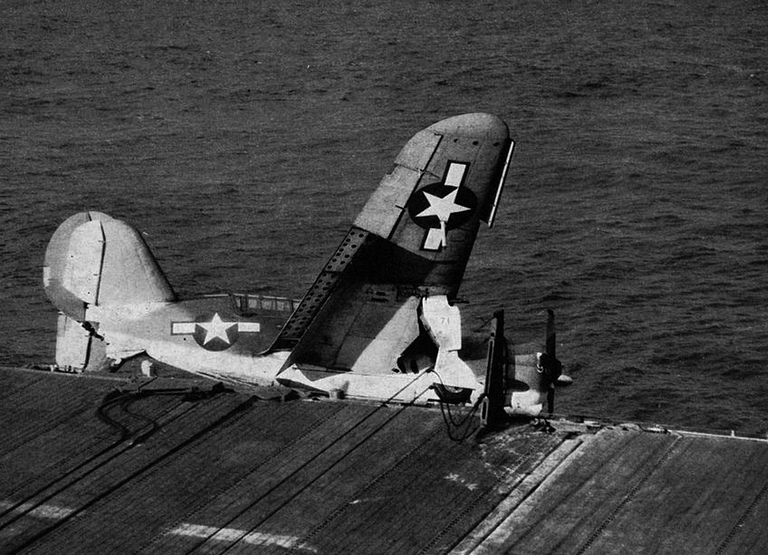
It was very much a machine of its moment: a two-man aircraft with a pilot and a rear gunner, a perforated dive brake for near-vertical attacks, and wings that folded for the crowded carrier deck. The Helldiver was the last of the classic American carrier dive bombers — a breed that the war itself was already making obsolete.
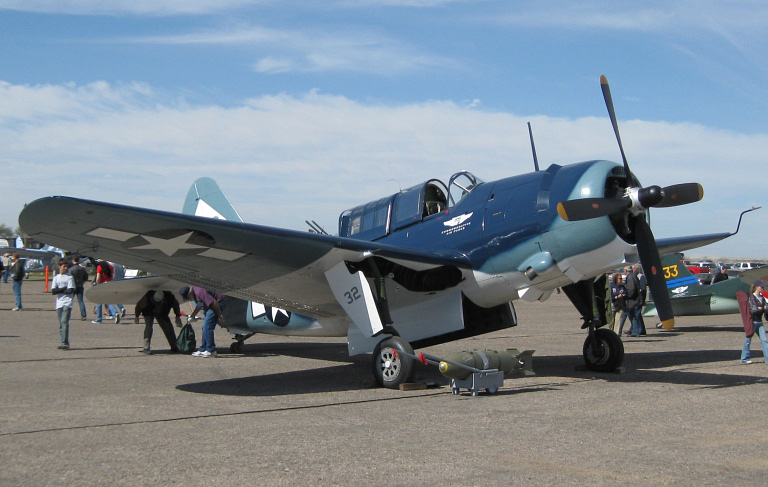
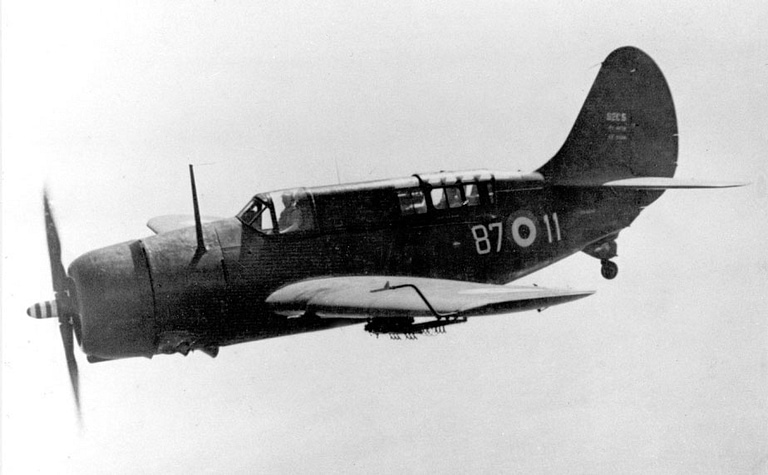
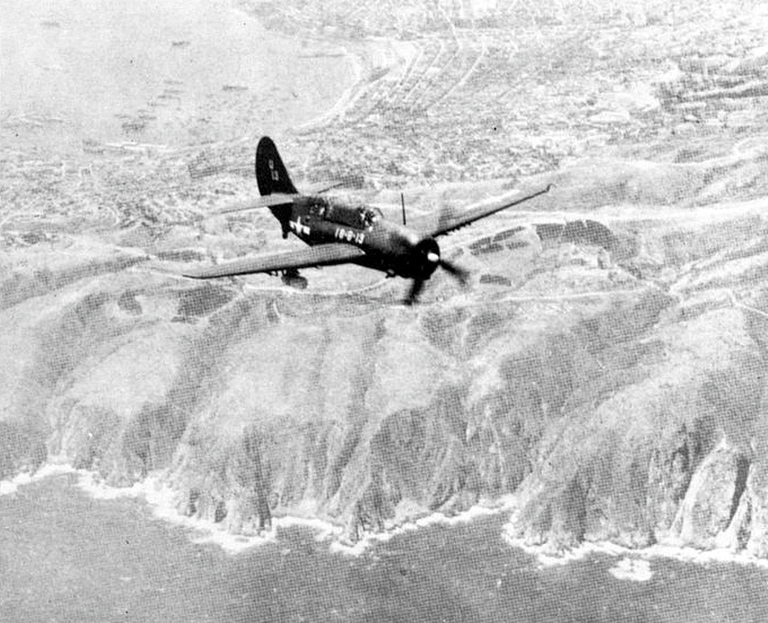
Some 7,140 were built, including Canadian production. After the war the type served with France, Italy, Greece and others before the US Navy retired it in 1947, as the pure dive bomber gave way to multi-role attack aircraft. A single Helldiver still flies today, preserved by the Commemorative Air Force.
01Why the Helldiver mattered: a troubled aircraft that still did the job
The SB2C is remembered as much for its flaws as its feats, and both are real. It was genuinely difficult and disliked, and a better-developed aircraft might have reached the fleet sooner and killed fewer of its own crews in accidents. But it also arrived exactly when the US Navy’s carrier striking power was reaching its peak, and it carried that striking power to the enemy’s heaviest ships.
The Helldiver is a reminder that war rarely waits for perfection. An imperfect aircraft, available in numbers and flown by superbly trained crews, helped win the Pacific carrier war — and then quietly bowed out as the technology of naval air power moved on.
How Curtiss tried to out-do the Dauntless
Bigger, but boxed in
The Helldiver was designed to carry more bombs faster and further than the SBD Dauntless — but it also had to fit two aircraft on a carrier deck-edge elevator. Squeezing a heavier, more powerful aircraft into that footprint drove a stubby, deep fuselage and folding wings, and helped make the early SB2C overweight and awkward.
Bombs inside, cannon outside
Unusually for a dive bomber, the Helldiver carried its main load in an internal bomb bay — up to 2,000 lb, or a torpedo — keeping it clean in the dive. Two 20 mm cannon in the wings gave it real strafing punch, backed by a rear gunner to fend off fighters.
“The Beast”
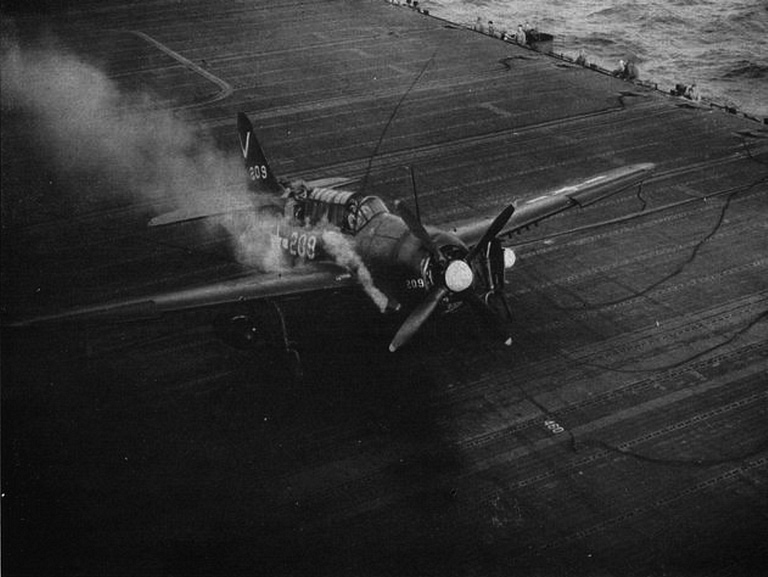
The early SB2C was structurally weak and unstable, and dangerous to handle at the low speeds of a carrier approach. The US Navy demanded roughly 880 modifications before it would accept the aircraft — and crews, unimpressed, nicknamed it “The Beast” and worse.
02The dive brakes and the vertical attack
Dive bombing demanded that an aircraft point almost straight down at a target, hold a steady aim through a screaming dive, and then pull out low without tearing off its wings or flying into the sea. The Helldiver used perforated split flaps as dive brakes, holding its speed in check so the crew could aim precisely before releasing and hauling out.
Done right, it was devastatingly accurate — accurate enough to plant heavy bombs onto the decks of manoeuvring warships. It was also physically brutal and utterly unforgiving of mistakes, which is part of why the Helldiver’s early structural weaknesses were taken so seriously.
Curtiss SB2C Helldiver — by the numbers
Airframe & performance
- Bemanning
- 2 (pilot, rear gunner)
- Lengte
- 11.18 m (36 ft 8 in)
- Spanwijdte
- 15.17 m (49 ft 9 in)
- Leeggewicht
- ~4,780 kg (10,547 lb)
- Max takeoff weight
- ~7,550 kg (16,616 lb)
- Max speed
- ~475 km/h (295 mph)
- Serviceplafond
- ~8,870 m (29,100 ft)
- Bereik
- ~1,875 km (1,165 mi) with a 1,000 lb bomb
Powerplant, armament & programme
- Motor
- Wright R-2600-20 Twin Cyclone radial, ~1,900 hp
- Bewapening
- 2 × 20 mm cannon (wings) + 2 × .30 in (rear); internal bay up to 2,000 lb of bombs, or a torpedo
- First flight
- 18 December 1940
- Built
- 7,140 (1943–1945, incl. Canadian production)
- Operators
- US Navy; postwar France, Italy, Greece, Portugal & Thailand
- Cost per flight hour
- Not recorded — retired from US service in 1947
- Variants
- SB2C-1 to -5; Canadian SBW/SBF; USAAF A-25 Shrike
03A big, complicated family
The Helldiver went through a long line of marks, from the early, troublesome SB2C-1 to the refined SB2C-5, plus Canadian-built SBW and SBF versions and a land-based US Army variant, the A-25 Shrike. Weights, equipment and armament shifted across the run, so the figures above are representative of the mature carrier Helldiver rather than any single sub-type.
From a crashed prototype to the sinking of the Yamato
Replacing the Dauntless
The US Navy sets out to replace the SBD. The XSB2C-1 prototype first flies on 18 December 1940 — and is soon lost in a crash, the first of many troubles.
Fixing “The Beast”
Overweight and unstable, the Helldiver needs some 880 modifications before the Navy will accept it, delaying its combat debut until November 1943 over Rabaul.
The carrier war’s peak
Helldivers fight through the great carrier battles of 1944 — the Marianas and Leyte Gulf — and help sink the giant battleship Musashi.
Yamato and the home islands
In April 1945 Helldivers join the strike that sinks the Yamato, the largest battleship ever built, and pound targets across the Japanese home islands.
Postwar and retirement
With the war over, surplus Helldivers pass to France, Italy, Greece and others, while the US Navy retires the type in 1947.
One still flies
A single airworthy Helldiver survives, kept flying by the Commemorative Air Force — the last of more than seven thousand.
Eight chapters in the Helldiver’s war
The plane the crews loved to hate
Few American aircraft of the war were as disliked by their own crews as the early Helldiver.
The full story
The Navy’s long list
Before it would accept the Helldiver, the US Navy handed Curtiss a staggering list of required fixes.
The full story
Following the Dauntless
The Helldiver had the unenviable job of succeeding one of the most successful dive bombers ever built.
The full story
Sinking the giant
In October 1944, Helldivers helped send one of the two largest battleships ever built to the bottom.
The full story
The last battleship dies
Six months later, the Helldivers were there again — for the death of the Musashi’s even more famous sister.
The full story
How dive bombing worked
The Helldiver’s whole reason for existing was to point almost straight down and place a bomb on a moving ship.
The full story
Foreign Helldivers
When the US Navy was done with the Beast, several other air forces were glad to take it on.
The full story
The last of the Beasts
Of more than seven thousand built, a single Helldiver remains airworthy today.
The full story
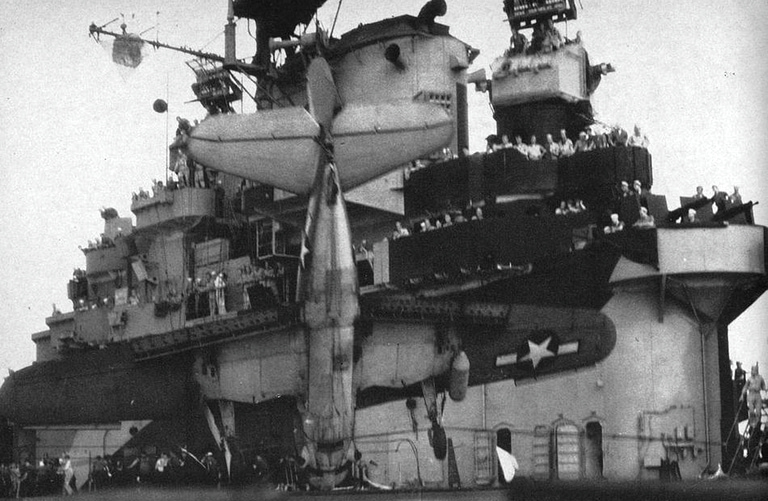
The Helldiver in pictures
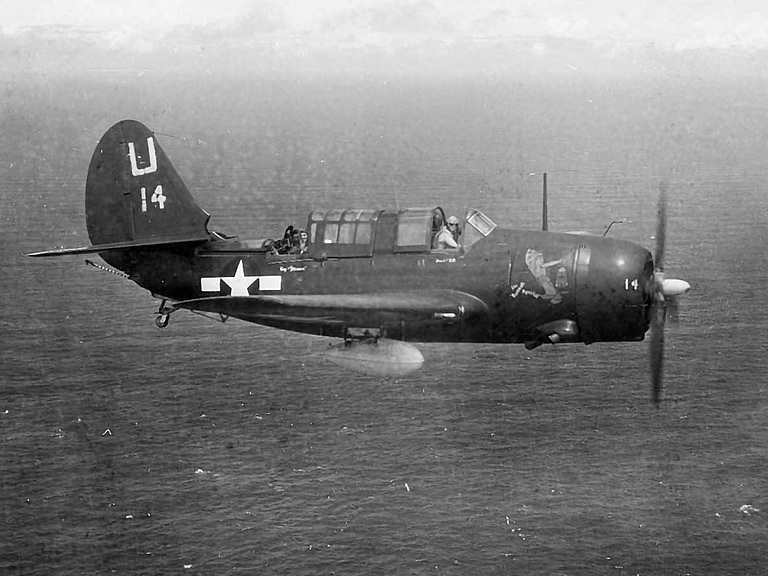
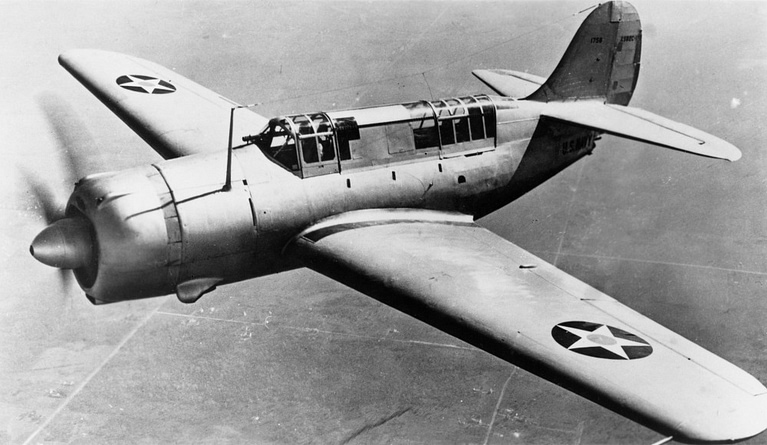
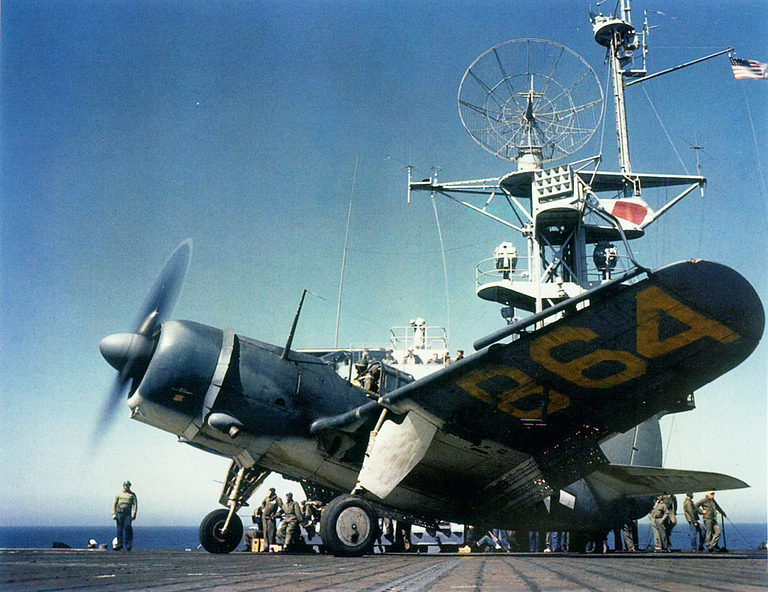
See the Helldiver in context
How did an aircraft this troubled end up sinking the world’s biggest battleships? This detailed history follows the SB2C from its disastrous early testing through the hundreds of fixes to its hard-fought Pacific career.
Video: “A Bomber So Bad It Took 800+ Changes To Fix — Curtiss SB2C Helldiver” by Rex’s Hangar (~376,000 views). Embedded via YouTube.
Where the Helldiver fought
The Helldiver, by the numbers
For all the trouble of its birth, the SB2C ended the war as the US Navy’s standard carrier dive bomber, flying from the fast carriers through the climactic battles of the Pacific. Its record is inseparable from that of the carrier task forces it served: a story of overwhelming, precisely-delivered striking power in the war’s final two years.
The great warship sinkings of 1944–45 were combined efforts by many aircraft types; the Helldiver’s role was central but shared with the Avenger torpedo bombers and others. Figures above reflect the type’s scale and key actions.
Curtiss SB2C Helldiver — questions & answers
Can you fly a Curtiss SB2C Helldiver today?
Only one Helldiver remains airworthy — kept flying by the Commemorative Air Force — and it appears at airshows rather than carrying passengers. If you want to fly a real fighter yourself, MiGFlug offers cockpit experiences in genuine jet fighters you can actually strap into.
Why was the Helldiver called “The Beast”?
The early SB2C was overweight, unstable and difficult to handle, especially near the carrier, and its crews disliked it intensely. “The Beast” — and a ruder pun on its SB2C designation — stuck, even after the aircraft was much improved.
Did the Helldiver sink the battleship Yamato?
Helldiver dive bombers were part of the huge US carrier strike that sank the Yamato in April 1945, attacking alongside Avenger torpedo bombers. They had earlier helped sink her sister ship, the Musashi, at Leyte Gulf in 1944.
Was the SB2C better than the SBD Dauntless it replaced?
On paper, yes — it carried a heavier load, faster and further, with an internal bomb bay and 20 mm cannon. But it was far more troublesome and less loved than the Dauntless, and the debate over which was the better aircraft continued long after the war.
How many Helldivers survive?
A handful survive in museums, and just one remains airworthy, flown by the Commemorative Air Force in the United States.
You can’t fly a Helldiver — but you can fly a fighter jet
The Helldiver’s war belongs to history, but the thrill of flying a real combat aircraft doesn’t. With MiGFlug you can strap into a genuine jet fighter — from the L-39 Albatros to a MiG-29 at the edge of space — with an experienced fighter pilot beside you.
 Fly the L-39 AlbatrosThe world’s most-flown jet trainer — aerobatics included
 Fly the F-104 Starfighter“The missile with a man in it”
 Fly the MiG-21The Cold War’s most-produced jet
 Vlieg met de T-33 Shooting StarAmerica’s first jet trainer
 Fly the DH VampireA piece of early jet history
 Fly the S.211Agile Italian jet trainer
 Fly the MB-326The classic Aermacchi jet
 Fly the MiG-15The Soviet legend of the Korean War
Related aircraft
Where these facts come from
- Smithsonian NASM — Curtiss SB2C-5 HelldiverSurviving airframe & type history
- Naval History and Heritage CommandOfficial US Navy photography
- HistoryNet — The Last Dive BomberDevelopment & combat history
- San Diego Air & Space MuseumArchive photography of the type
Figures are drawn from museum and official naval sources and cross-checked; where sources differ, the most commonly cited value is given. Production totals include Canadian-built aircraft, and specifications varied between the many Helldiver marks.