
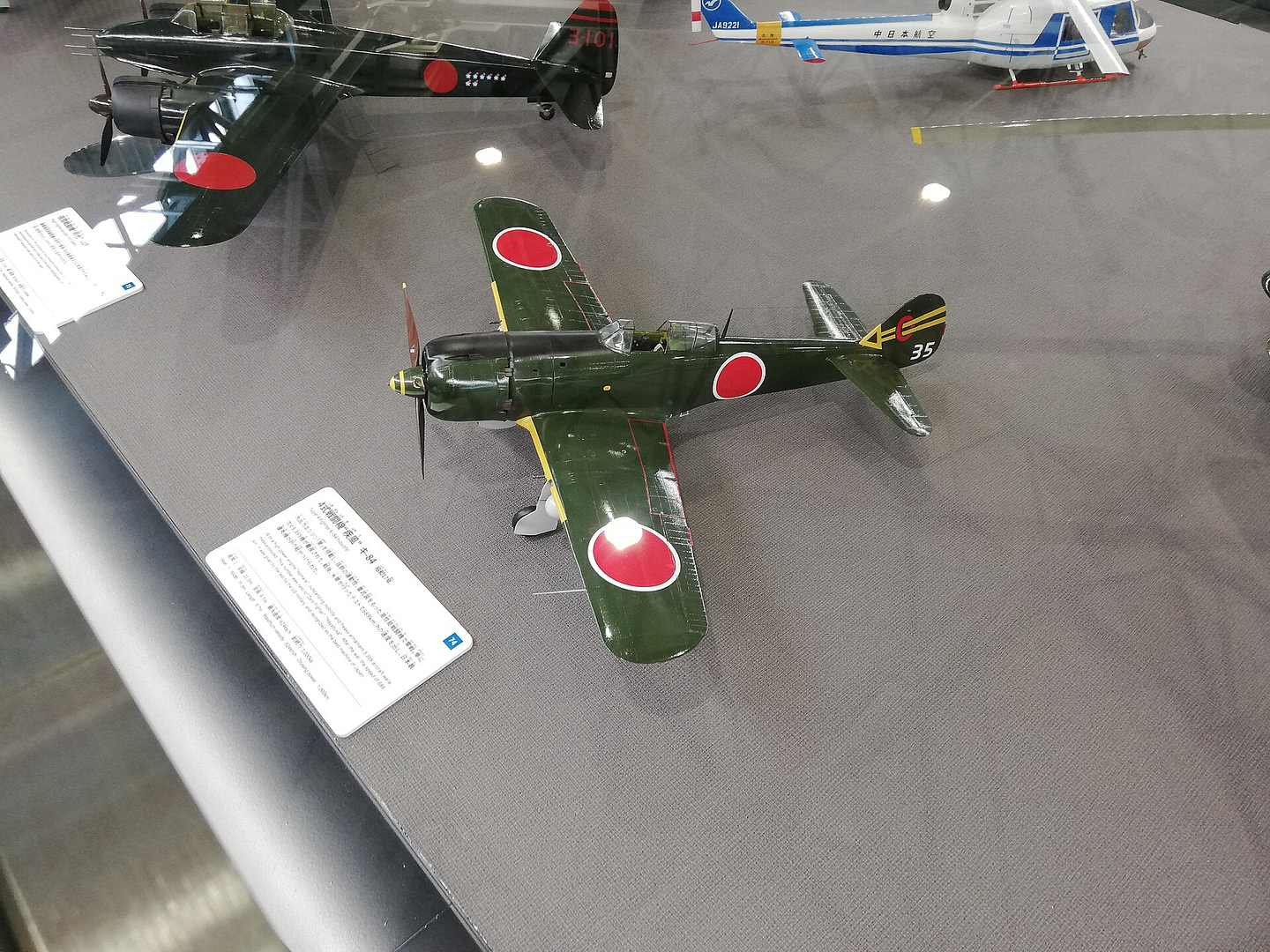
Nakajima Ki-84 Hayate
“Frank”
The Imperial Japanese Army’s premier late-war fighter — fast, hard-climbing and, unusually for a Japanese aeroplane, armoured — widely rated Japan’s best mass-produced fighter when it was well-built and well-fuelled.
Japan’s best fighter — when it worked
By late 1941 the Imperial Japanese Army could see the shape of the coming air war. Its nimble but lightly built fighters — the Ki-43 Oscar above all — traded armour and firepower for range and agility, a bargain that was starting to look dangerous against heavier, faster Allied types. On 29 December 1941 the Army issued a specification for a new fighter that would keep the manoeuvrability but add real speed, heavy guns, pilot armour and self-sealing tanks. Nakajima’s design team under Yasumi Koyama began work in early 1942, and the aircraft that emerged — the Ki-84 Hayate, or “Gale” — first flew in April 1943.
On paper, and in the right hands, it was formidable. Built around the powerful Nakajima Ha-45 “Homare” radial, the Hayate could climb hard, dive fast and hit around 624–687 km/h, carrying two 20 mm cannon and two heavy machine guns. Crucially it protected its pilot — a break with Japanese practice. Allied pilots who met a well-flown Ki-84 found an opponent that could stay with a P-51 Mustang or P-47 Thunderbolt in many parts of the envelope, and out-climb and out-turn them in others.
The catch was that many Hayates were not well-built or well-fuelled. The Homare engine was demanding, and Japan’s collapsing wartime industry — bombed factories, poor-quality low-octane fuel, unskilled labour and scarce materials — meant a large share of aircraft ran below their rated power, suffered engine and landing-gear failures, and never matched the numbers the design promised. The Ki-84 is therefore remembered two ways at once: as arguably the finest fighter Japan mass-produced in the war, and as a machine whose reputation was blunted by the country’s inability to build and feed it properly. Around 3,500 were completed; it fought over China, the Philippines, Okinawa and the Home Islands until the surrender.
01The Nakajima Ki-84 Hayate’s design brief: why Japan wanted an armoured fighter
Early-war Japanese fighters were optimised for range and dogfighting agility, achieved by keeping them light — which usually meant no armour and no self-sealing fuel tanks. That doctrine worked in 1941–42 but grew costly as Allied aircraft became faster, tougher and better armed. The December 1941 requirement behind the Ki-84 deliberately reversed the priorities: the new fighter had to be fast and heavily armed e survivable, with cockpit armour and protected tanks, while still manoeuvring well. Delivering all of that in one airframe made the Hayate heavier and more complex than its predecessors — and far more dependent on a powerful, reliable engine to carry the extra weight, which is exactly where wartime Japan struggled most.
What makes it special
Balanced speed, climb and protection
The Hayate’s design goal was to stop trading survivability for agility. It paired a strong airframe and heavy armament with genuine pilot armour and self-sealing fuel tanks — rare on Japanese fighters — while still climbing and turning well. The result was one of the few Japanese types that could meet late-war Allied fighters across much of the performance envelope rather than in a narrow niche.
The Homare radial: power against reliability
Power came from the Nakajima Ha-45 “Homare,” an 18-cylinder radial rated near 1,900–1,990 hp — a lot of output from a compact engine. But it was highly strung and needed skilled maintenance and good fuel. On the low-octane fuel and rushed servicing of 1944–45, many engines never reached rated power, so real-world performance varied widely from one aircraft to the next.
A home-defence interceptor against the B-29
As American B-29s began raiding Japan, the Hayate’s speed and climb made it one of the better interceptors available. It could reach bomber altitudes faster than older types and hit hard with its 20 mm cannon. Fuel shortages, engine troubles and the sheer scale of the raids limited what any single fighter could achieve, but the Ki-84 was among the aircraft Japan leaned on to defend its cities.
02The Nakajima Ki-84’s Homare engine: why the same aircraft could feel fast or feeble
The Ha-45 Homare packed a great deal of power into a small, light package — on paper an ideal fighter engine. In practice it demanded high-octane fuel, precise manufacture and careful maintenance, none of which wartime Japan could reliably supply by 1944. Low-grade fuel forced reduced boost, poor quality control produced engines that varied unit to unit, and overworked ground crews could not keep them in tune. Two Hayates off the same line could therefore behave very differently: one near its rated ~1,900 hp and genuinely fast, another down on power and sluggish. Much of the type’s uneven combat reputation traces back to this engine rather than the airframe.
03The Nakajima Ki-84’s postwar reckoning: how fast it really was on good fuel
After the war the United States tested captured Hayates. Running on high-grade American fuel and properly maintained, an example reportedly reached around 687 km/h (about 427 mph) — markedly better than the figures many wartime aircraft had managed, and competitive with contemporary Allied fighters. These tests are often cited as evidence of what the Ki-84 was capable of when its engine was fed and serviced properly. They should be read with care: a single well-prepared airframe on premium fuel is not the same as a squadron of war-weary machines, and exact test figures vary between sources. Still, they support the common view that the design itself was excellent, and that Japan’s industrial decline — not the aeroplane — was its main limitation.
Full specifications
Airframe & Performance (Ki-84-I)
- Equipe
- 1
- Comprimento
- ~9.92 m
- Envergadura
- ~11.24 m
- Altura
- ~3.39 m
- Peso vazio
- ~2,660 kg
- Max takeoff weight
- ~3,890 kg
- Max speed
- ~624–687 km/h (varied with fuel & build)
- Taxa de subida
- ~5,000 m in ~6 min
- Teto de serviço
- ~10,500–11,800 m
- Faixa
- ~1,695 km
Powerplant, Armament & Programme
- Motor
- 1 × Nakajima Ha-45 “Homare” 18-cyl radial
- Power
- ~1,900–1,990 hp (rated)
- Armamento
- 2 × 20 mm Ho-5 cannon · 2 × 12.7 mm Ho-103 MGs
- Bombs
- up to 2 × 250 kg
- First flight
- April 1943
- Service
- 1944–1945
- Built
- ~3,500 (commonly cited 3,382–3,514)
- Unit cost
- Wartime state production — no meaningful figure
- Cost per flight hour
- No reliable public figure
04The Nakajima Ki-84’s costs and numbers: why no dollar price exists
The Ki-84 was a state product of a wartime command economy, built in bulk against a losing war rather than sold on any market, so there is no meaningful flyaway unit price or cost-per-flight-hour for it in the modern sense. What can be said is that it was produced in quantity — roughly 3,500 airframes in about 17 months across Nakajima’s plants and a Manchurian line — and that output and quality both fell as US bombing, material shortages and fuel scarcity bit in 1945. Precise production totals differ between sources (figures around 3,382 to 3,514 are commonly cited), which is itself a reflection of how chaotic late-war Japanese record-keeping had become.
From design brief to sole survivor
The requirement
On 29 December the Imperial Japanese Army issues a specification for a fast, heavily armed and — unusually — armoured fighter to succeed the Ki-43.
Design begins
Nakajima’s team under Yasumi Koyama starts work; a prototype is ordered in the spring.
First flight
The first Ki-84 prototype flies in April; testing proceeds quickly and the type is ordered into production.
Combat debut over China
The 22nd Sentai takes the Hayate into action over China in the late summer, initially with success.
The Philippines
Multiple Ki-84 units are committed over the Philippines around the Leyte landings — the type’s largest battle.
Home defence
Hayates fly as interceptors against B-29 raids on Japan and fight over Okinawa; some are used in special-attack roles.
Industry collapses
Bombing, fuel shortages and poor materials cut both output and quality; many aircraft perform below their design potential.
Tested, then preserved
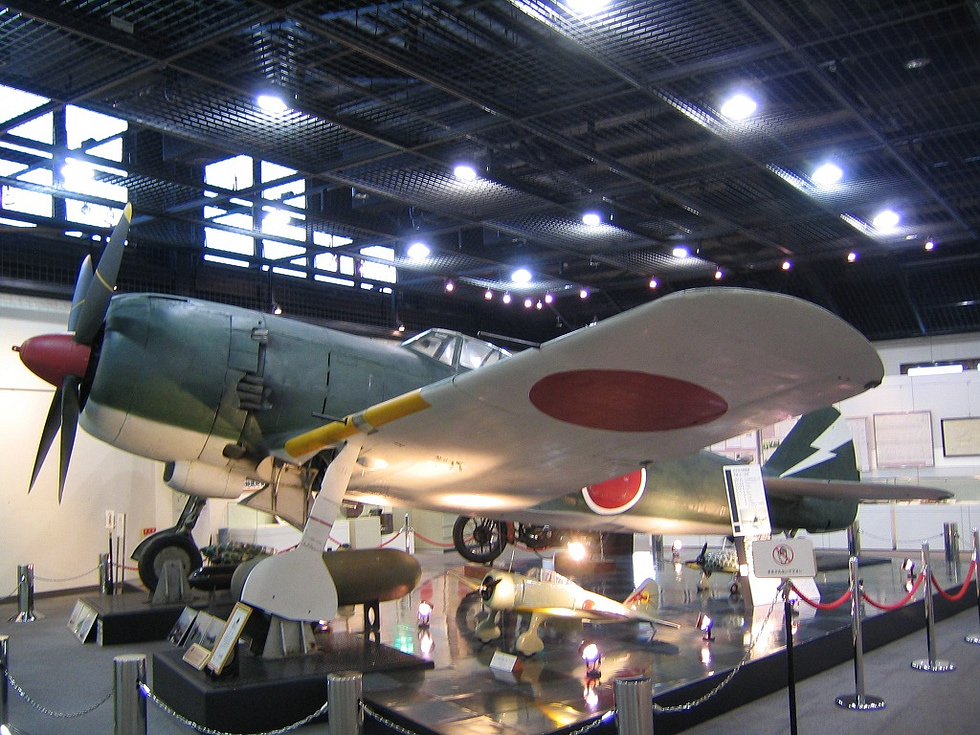
The US tests captured Hayates — one reportedly near 687 km/h on good fuel. The sole survivor returns to Japan in 1973 and is displayed, non-airworthy, at Chiran.
From the record: twelve Hayate stories
The brief that broke with doctrine
Japan’s Army asked for speed, heavy guns AND armour — a deliberate reversal of its light-fighter tradition.
Read the full story
The Homare’s promise
The Ha-45 packed nearly 1,900–1,990 hp into a compact radial — on paper an ideal fighter engine.
Read the full story
The octane problem
Low-grade wartime fuel forced reduced power — a fast fighter often flown slow.
Read the full story
Armour for the pilot
Self-sealing tanks and cockpit armour set the Hayate apart from earlier Japanese fighters.
Read the full story
Combat debut
The 22nd Sentai took the Hayate into action over China in the late summer of 1944.
Read the full story
The Leyte battles
Seven Hayate units were thrown into the Philippines — the type’s biggest fight.
Read the full story
Chasing the B-29
The Hayate’s climb and speed made it one of Japan’s better bomber-interceptors.
Read the full story
The landing gear
Alongside the engine, the Hayate’s undercarriage was a recurring source of trouble.
Read the full story
Built worse as the war got worse
Bombed factories and unskilled labour meant later Hayates were often lower quality.
Read the full story
What it could really do
On American high-octane fuel, a captured Hayate reportedly hit around 687 km/h.
Read the full story
“Japan’s best” — with caveats
Many historians rate the Hayate Japan’s finest mass-produced fighter of the war.
Read the full story
The last Hayate
One complete Ki-84 survives — static, not airworthy — at the Chiran Peace Museum.
Read the full story
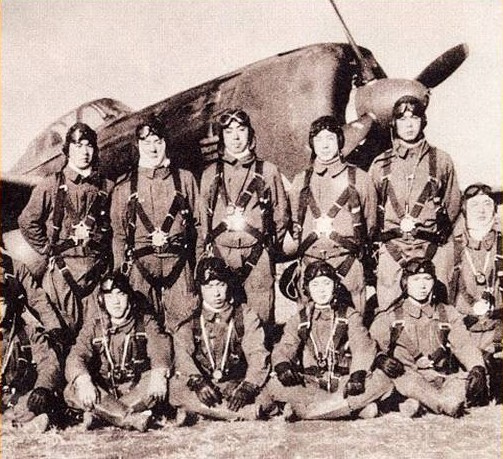
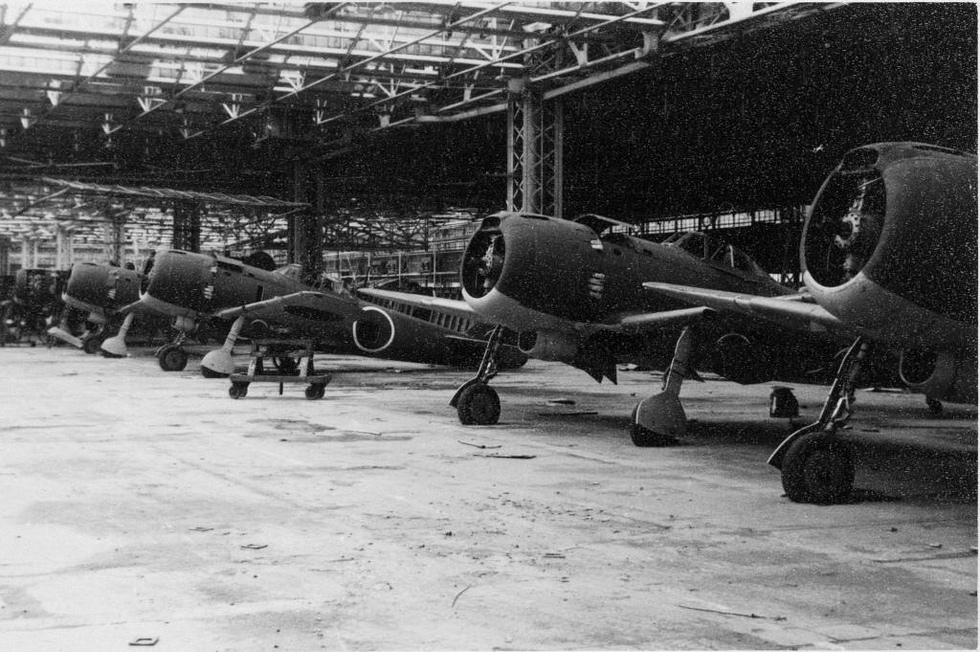
The Hayate in pictures
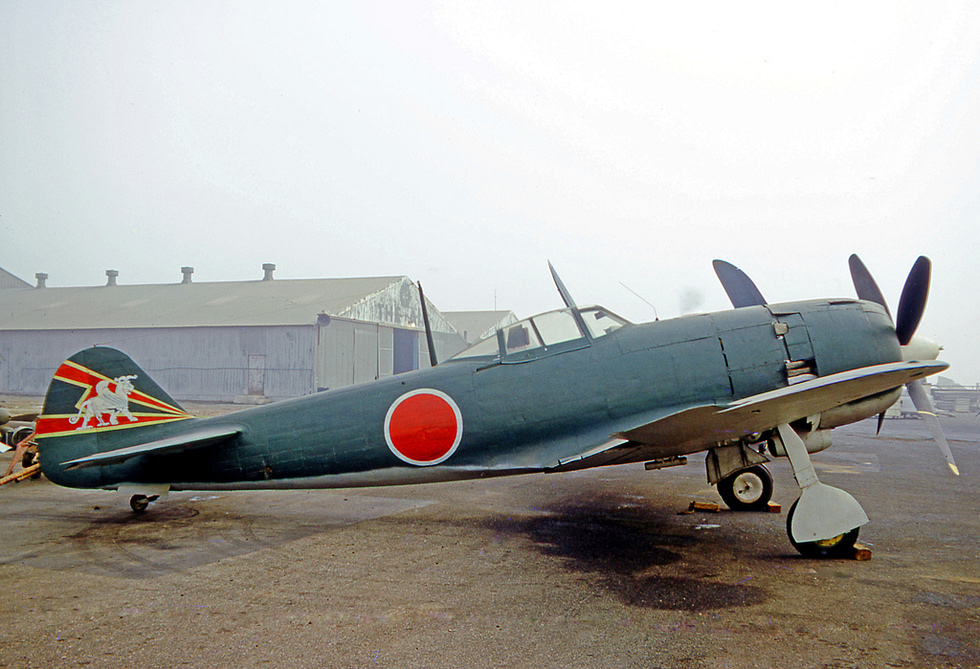
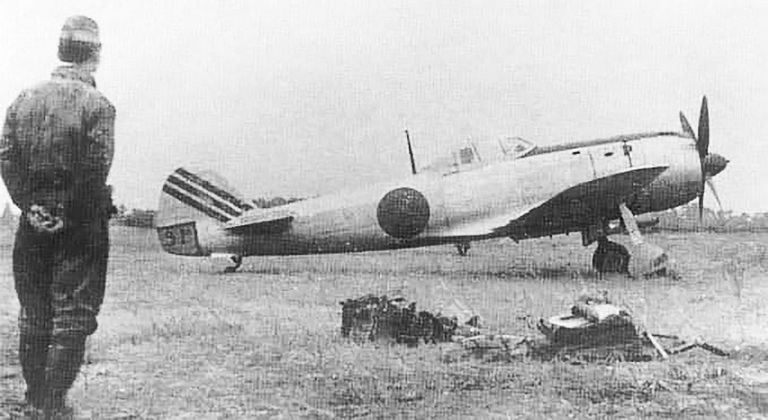
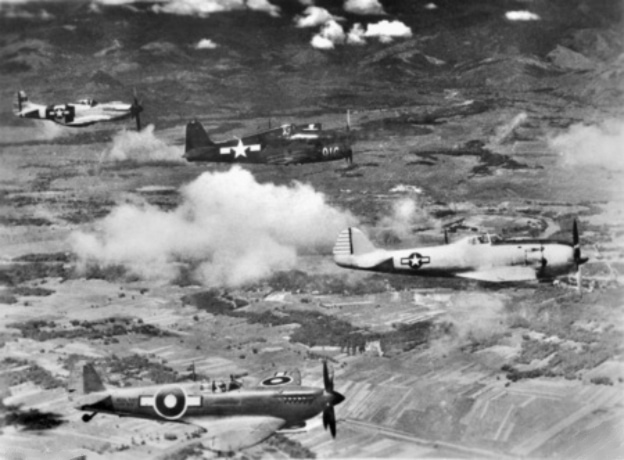
The Hayate in motion
A verified, high-authority video feature on the Ki-84 Hayate is coming soon to this exhibit. In the meantime, explore the photo gallery above and the stories from the type’s brief but intense combat career.
Where the Hayate flew
The score that defines it
The Ki-84 arrived late, when Japan had already lost air superiority, so its record is one of hard local fighting rather than sweeping victory. In capable hands it was respected by Allied pilots; overall its impact was limited by small numbers of fully serviceable aircraft, fuel shortages and the overwhelming strength ranged against it. Precise kill tallies for the type are not reliably documented.
Compare the combat record of every military aircraft.
Everything people ask about the Ki-84 Hayate
Can I fly in a Ki-84?
How fast was the Ki-84 Hayate?
Was the Ki-84 better than the P-51 Mustang?
Why was the Ki-84 considered unreliable?
What armament did the Ki-84 carry?
Did the Ki-84 have armour?
How many Ki-84s were built, and do any survive?
What do “Hayate” and “Frank” mean?
You can’t fly the Hayate.
These, you can.
Some legends only live in museums — others are fuelled and waiting. MiGFlug has put civilians in real military jet cockpits since 2004.
 Fly the L-39 AlbatrosThe world’s most-flown jet trainer — aerobatics included
 Fly the F-104 Starfighter“The missile with a man in it”
 Fly the MiG-21The Cold War’s most-produced jet
 Pilote o T-33 Shooting StarAmerica’s first jet trainer
 Fly the DH VampireA piece of early jet history
 Fly the S.211Agile Italian jet trainer
 Fly the MB-326The classic Aermacchi jet
 Fly the MiG-15The Soviet legend of the Korean War
Continue the tour
Every fact, checked
- Smithsonian National Air and Space MuseumCollection record for the NASM Ki-84 — design, service and preservation notes.
- History of War — J. RickardDevelopment, production figures, combat deployment and the reliability problems.
- Military FactoryDimensions, weights, performance and armament reference data.
- The Aviation Geek ClubPostwar US evaluation of captured Hayates and comparisons with Allied fighters.
- The National WWII MuseumContext on late-war Japanese air power and the Home Islands air defence.
- Simple FlyingOverview of the Hayate’s performance, engine troubles and the sole survivor.
- Chiran Peace MuseumHome of the only surviving Ki-84 airframe — preserved, non-airworthy.
- Wikimedia CommonsSource of the licensed period and museum photographs used in this exhibit.