
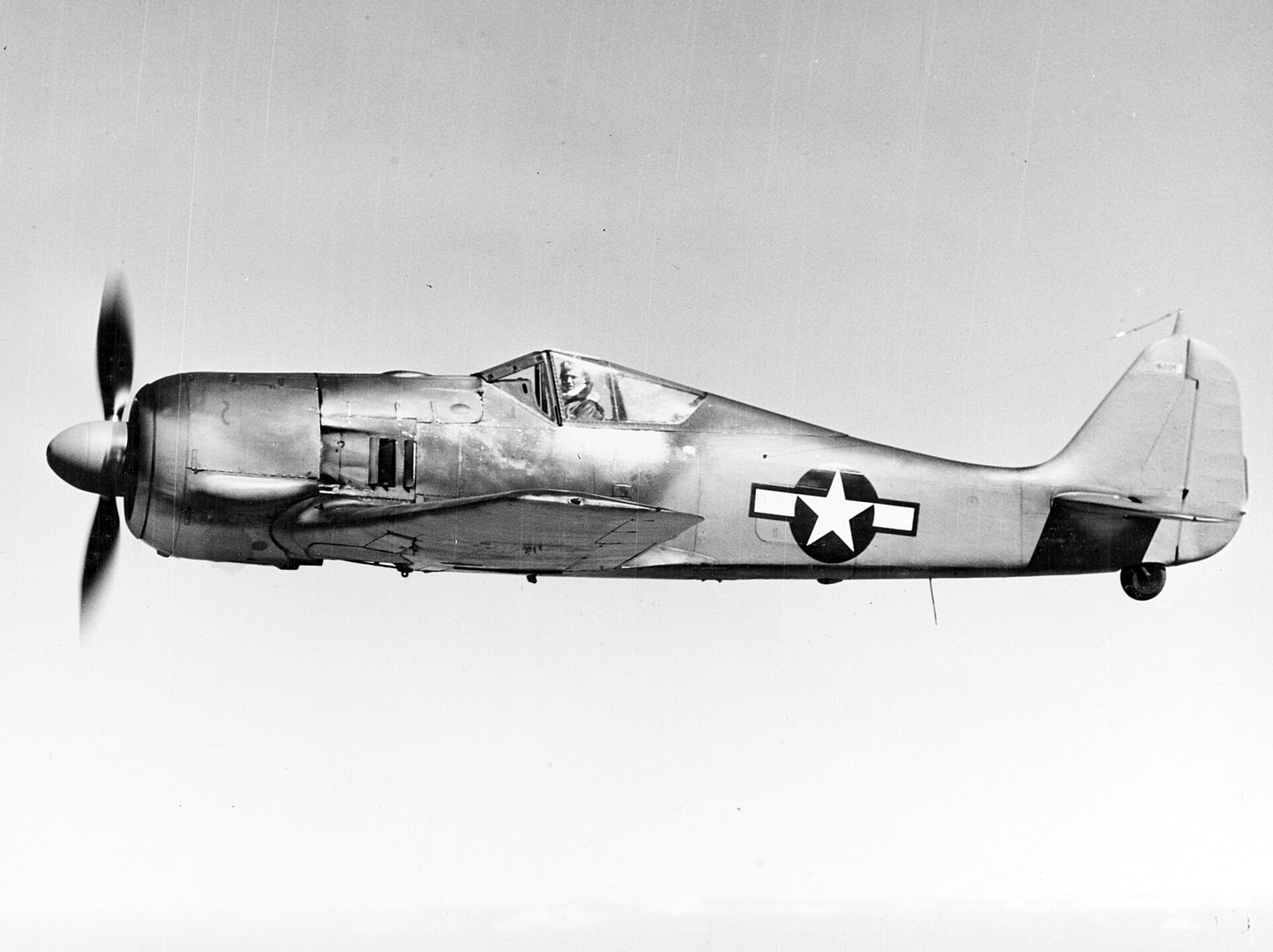
Focke-Wulf Fw 190
“Würger”
Kurt Tank’s radial-engined “Butcher Bird” — the fighter that shocked the RAF on its 1941 debut, hit hard, rolled superbly on a wide-track undercarriage, and evolved into the long-nose Dora and the high-altitude Ta 152.
The fighter that shocked the RAF
When Focke-Wulf’s new fighter appeared over the Channel in the late summer of 1941, RAF pilots flying the Spitfire Mk V met something they could not out-fly. The Fw 190 — designed by a team under Kurt Tank — rolled faster, dived harder and was quicker at low and medium altitude than the best fighter the RAF then had. For roughly a year, until the Spitfire Mk IX arrived, the Fw 190 held a clear edge in the daylight air battle over occupied Europe.
What made it work was an unusual choice for a fighter of its day: a big, air-cooled BMW 801 radial engine rather than the slim inline V12 favoured by most 1930s designers. Tank wanted a rugged, easy-to-maintain warhorse that could absorb battle damage and operate from rough fields, and he got it. The radial was paired with a Kommandogerät — an automatic engine-control unit that managed fuel, mixture, boost, timing and propeller pitch from a single throttle lever, sparing the pilot a cockpit full of levers during combat.
The Fw 190 became one of the Luftwaffe’s two mainstay fighters alongside the Messerschmitt Bf 109, and served on every front — as a day fighter, a fast fighter-bomber, a heavily armed “Sturmbock” bomber-destroyer against American formations, and a ground-attack aircraft in the East. Its nickname, Würger (the shrike, a bird that impales its prey), gave it the English tag “Butcher Bird.” Around 20,000 were built. Late in the war the design was stretched into the inline-engined Fw 190 D-9 “Dora” and the high-altitude Ta 152, both among the finest German piston fighters ever flown — though they arrived far too late, and in far too few numbers, to change the outcome.
01The Fw 190’s shock debut: how it outclassed the Spitfire Mk V
The Fw 190 entered squadron service with Jagdgeschwader 26 in the second half of 1941. In combat over northern France its advantages were immediate: a roll rate no contemporary Allied fighter could match, a strong dive, heavy cannon armament and excellent speed below about 6,000 m. RAF Fighter Command, which had held the initiative since 1940, suddenly found its Spitfire Mk Vs outclassed in most of the flight envelope.
The alarm was serious enough that Supermarine rushed the Spitfire Mk IX — essentially a Mk V airframe with a two-stage Merlin 61 — into service in 1942 largely to restore parity. The Allies got their first intact example of the new German fighter almost by accident in June 1942, when a disoriented pilot landed his Fw 190 A-3 at an RAF airfield in Wales. Test flights of that aircraft confirmed what the squadrons already knew: the Würger was a formidable opponent.
What makes it special
A radial engine and an automatic “brain”
Most fighters of the era used slim inline engines; the Fw 190 was built around the fat, air-cooled BMW 801 twin-row 14-cylinder radial, giving roughly 1,700 PS in the A-8. To tame its complexity Focke-Wulf fitted the Kommandogerät, an electro-hydraulic unit that automatically set mixture, boost, ignition timing and propeller pitch — so the pilot flew the engine with a single lever and could concentrate on fighting.
Roll rate, firepower and forgiving gear
The Fw 190 rolled superbly — commonly cited around 162° per second, among the best of any WWII fighter — letting pilots flick out of trouble faster than opponents could follow. It hit hard, too: the A-8 carried four 20 mm cannon plus two 13 mm machine guns. Its wide-track undercarriage, retracting inward, made it far more forgiving on the ground than the narrow-tracked Bf 109.
The Dora and the Ta 152
By 1944 the radial A-series was losing its edge at height. The answer was to graft an inline Junkers Jumo 213 V12 onto a lengthened nose, creating the Fw 190 D-9 “Dora,” a much faster high-altitude fighter. Tank pushed the idea further into the long-winged Ta 152 high-altitude interceptor — superb performers that reached service too late and in too small numbers to matter.
02The Fw 190’s Kommandogerät: the single lever that flew the engine
The BMW 801 radial was powerful but demanding, with many variables a pilot would normally juggle by hand — fuel mixture, supercharger gear, boost pressure, ignition timing and propeller pitch. Focke-Wulf’s solution was the Kommandogerät (“command device”), an early electro-hydraulic engine-control computer that read altitude and throttle position and set all of those parameters automatically. The pilot moved one lever; the unit did the rest. It cut cockpit workload dramatically and let a relatively new pilot get full performance from a complex engine — a genuinely advanced piece of engineering for the early 1940s.
03The Fw 190 D-9 “Dora” and Ta 152: the long-nose developments
The radial-engined Fw 190 was outstanding low down but faded at high altitude, where escorting American fighters increasingly operated. Rather than redesign the aircraft, Focke-Wulf fitted the liquid-cooled inline Junkers Jumo 213, its annular radiator disguising the change so the nose still looked almost radial. The resulting Fw 190 D-9 — the “Langnasen-Dora,” or long-nose Dora — reached service in 1944 and could top roughly 685 km/h. Kurt Tank then stretched the concept into the Ta 152, a high-altitude interceptor with long wings and a Jumo 213E, reportedly capable of around 755 km/h at height. Both were excellent, but only a few hundred Doras and a few dozen Ta 152s were completed before the war ended.
Full specifications
Airframe & Performance (Fw 190 A-8)
- Equipe
- 1
- Comprimento
- ~8.95 m
- Envergadura
- ~10.51 m
- Altura
- ~3.95 m
- Max takeoff weight
- ~4,900 kg
- Max speed
- ~656 km/h at ~6,000 m
- Roll rate
- ~162°/s (exceptional)
- Teto de serviço
- ~11,400 m
- Faixa
- ~800 km
- First flight
- 1 June 1939
Propulsion, Armament & Production
- Motor
- 1 × BMW 801 D-2 14-cyl radial
- Power
- ~1,700 PS (~1,677 hp)
- Engine control
- Kommandogerät (automatic)
- Armament (A-8)
- 4 × 20 mm MG 151/20 + 2 × 13 mm MG 131
- Later variants
- Jumo 213 inline V12 (D-9 / Ta 152)
- Built
- ~20,000 (all variants, 1941–1945)
- Unit cost
- Wartime state product — no reliable figure
- Cost per flight hour
- No operator today — not applicable
04The Fw 190’s cost: why no reliable price exists
The Fw 190 was a wartime German state product, mass-produced across a dispersed network of factories and forced-labour plants under a command economy, and never sold on any open market. As a result there is no reliable flyaway unit price in the public record, and no meaningful cost-per-flight-hour figure — the type has no operator today. What is well documented is scale: around 20,000 airframes were built between 1941 and 1945, making the Würger one of the most-produced German fighters of the war alongside the Bf 109. Any precise money figure attached to an individual Fw 190 should be treated as an estimate.
From drawing board to long-nose Dora
Design begins
The German air ministry contracts Focke-Wulf; Kurt Tank’s team chooses the air-cooled BMW radial over an inline engine for ruggedness.
First flight
The prototype Fw 190 V1 flies on 1 June 1939, showing promise despite early engine-cooling troubles.
Combat debut
The Fw 190 enters service and quickly outclasses the RAF’s Spitfire Mk V over occupied Europe.
An intact example
In June a disoriented pilot lands an Fw 190 A-3 at RAF Pembrey in Wales, handing the Allies their first flyable Würger.
Bomber-destroyer
Heavily armed and armoured “Sturmbock” Fw 190s are fielded against USAAF heavy-bomber formations; F-series aircraft take up ground attack in the East.
The Dora arrives
The inline-engined Fw 190 D-9 “long-nose Dora” enters service, restoring competitive performance at higher altitude.
Ta 152 and war’s end
The high-altitude Ta 152 reaches limited service in the final months. Production ends with the German surrender; around 20,000 Fw 190s had been built.
Warbirds and replicas
A handful of original airframes survive in museums; restored originals and new-build Flug Werk reproductions keep the type flying at airshows.
Twelve stories of the Butcher Bird
The RAF meets its match
For a year the Spitfire V had no answer to the new Focke-Wulf fighter.
Read the full story
The Fw 190 that landed itself into Allied hands
A disoriented German pilot put an intact Fw 190 A-3 down at an RAF airfield in Wales.
Read the full story
Why they called it the Butcher Bird
“Würger” is German for the shrike — a small bird that impales its prey.
Read the full story
The single lever that flew the engine
The Kommandogerät automatically managed a complex radial engine.
Read the full story
The gear that saved pilots
A wide-track undercarriage made the Fw 190 forgiving where the Bf 109 was lethal.
Read the full story
The roll that shook off pursuers
An exceptional roll rate let Fw 190 pilots reverse a fight in an instant.
Read the full story
The Sturmbock bomber-killers
Heavily armed, armoured Fw 190s were sent head-on at American bomber boxes.
Read the full story
The Fw 190 in the mud
On the Eastern Front the F-series became a rugged close-support aircraft.
Read the full story
Enter the long-nose Dora
The inline-engined Fw 190 D-9 restored high-altitude performance.
Read the full story
Kurt Tank and the Ta 152
The designer reportedly used his own fighter’s speed to escape Mustangs.
Read the full story
The Jabo raids on England
Fast, low fighter-bombers dashed across the Channel to hit coastal towns.
Read the full story
What survives today
Few originals remain, but the Würger still flies.
Read the full story
The Würger in pictures
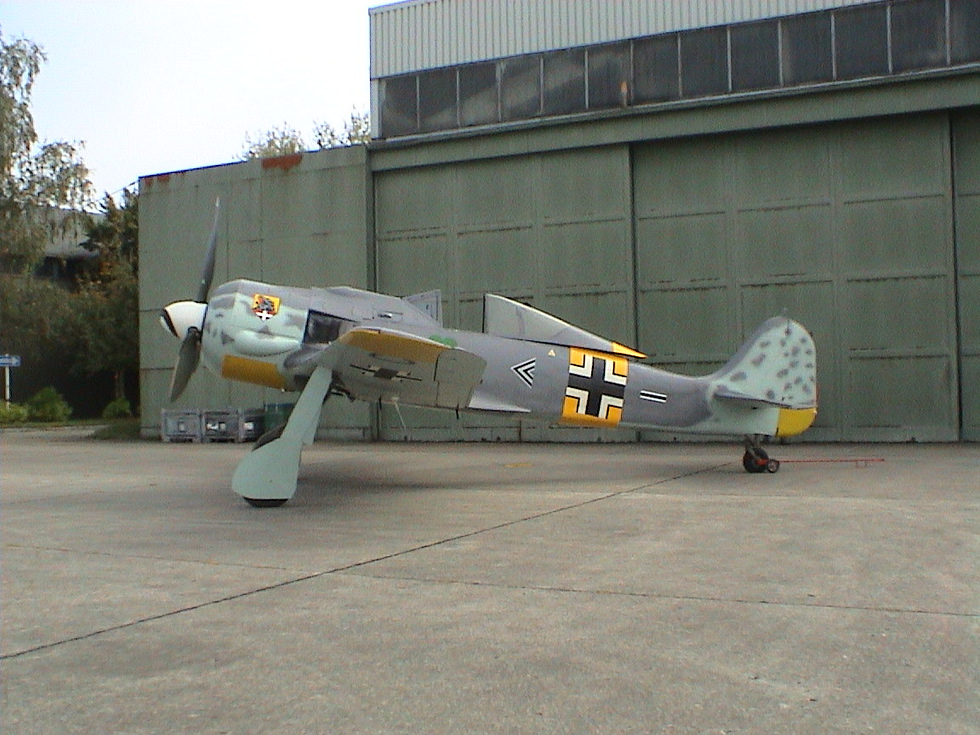
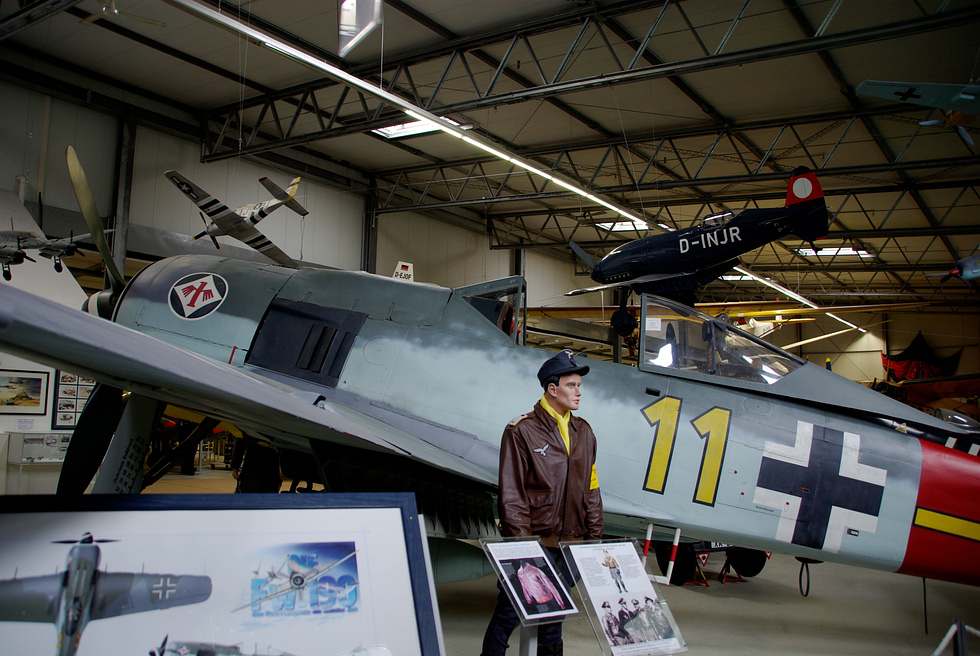
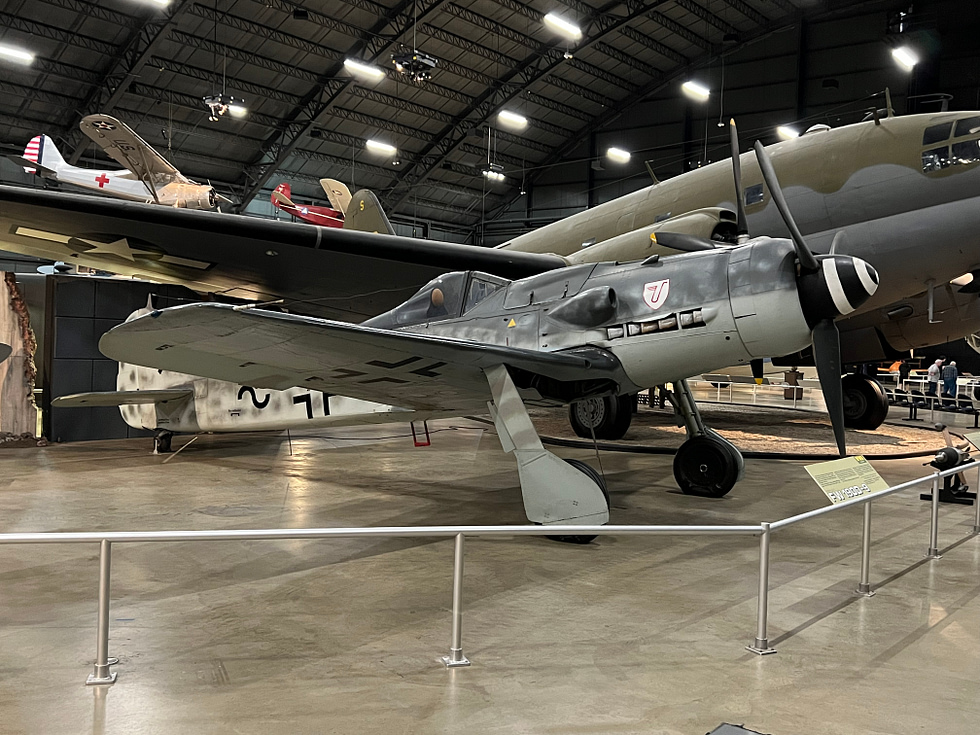
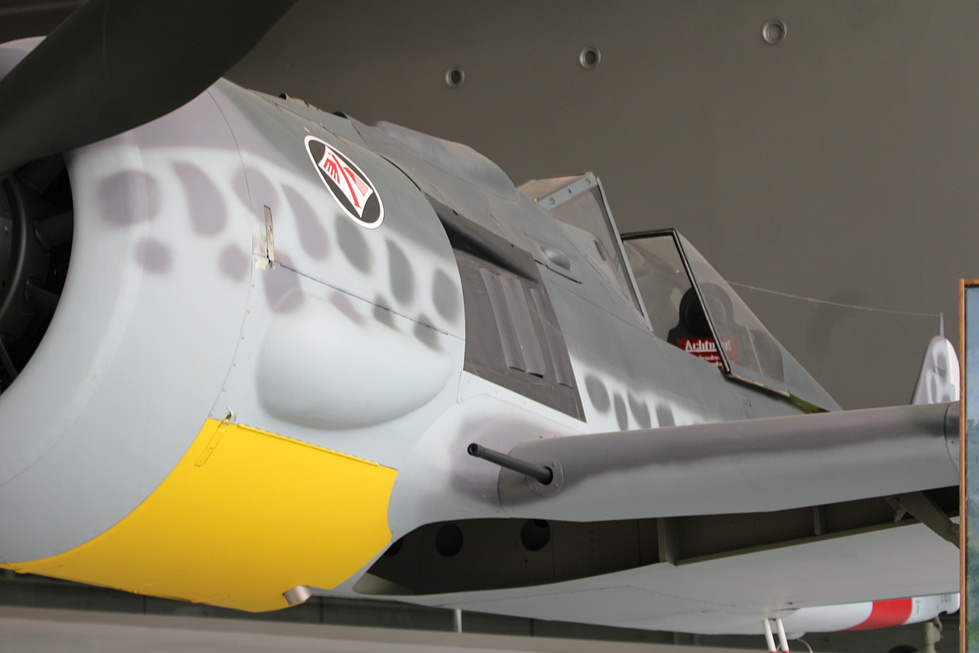
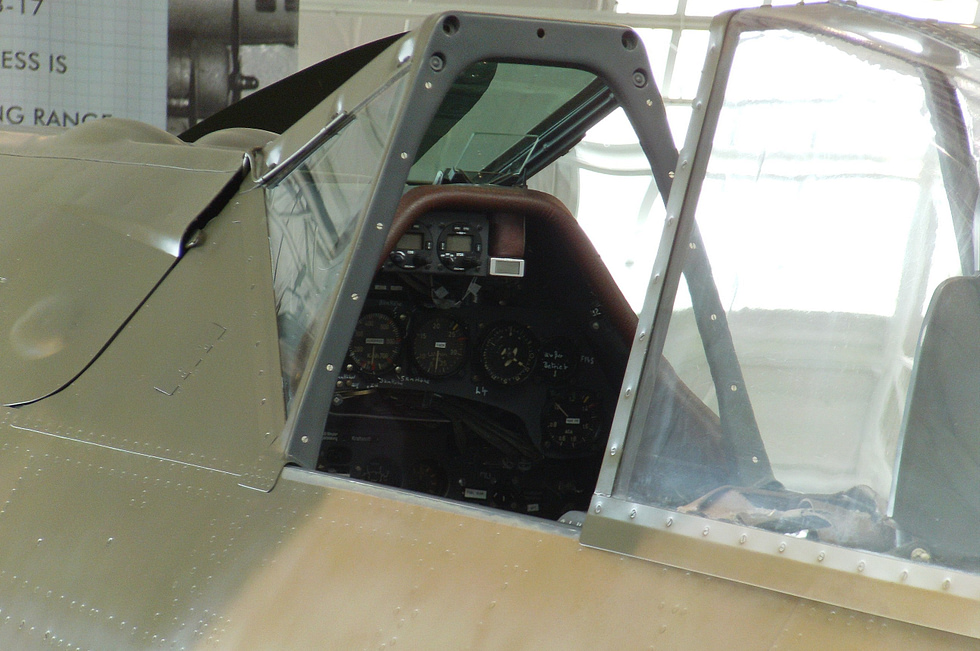
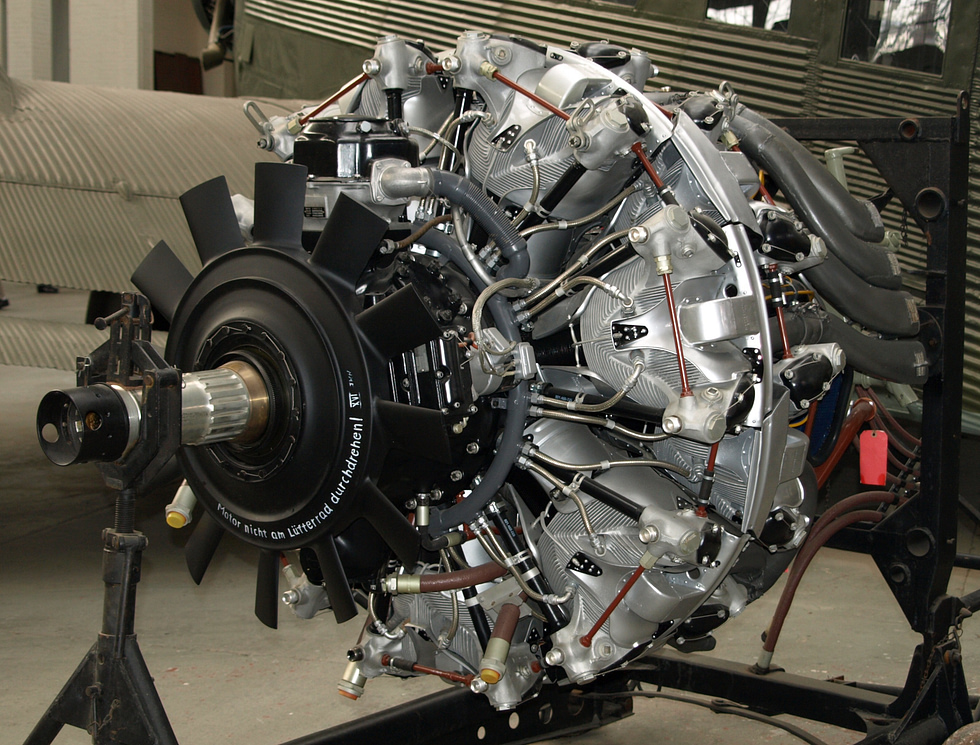
The Fw 190 in motion
A curated Fw 190 video feature is coming soon. In the meantime, explore the photo gallery above and the full story of the Würger below.
Where the Fw 190 fought
A mainstay on every front
The Fw 190 was one of the Luftwaffe’s two principal fighters for most of the war, serving alongside the Bf 109 from the Channel to the Eastern Front and in the defence of Germany itself. It fought as a day fighter, a fighter-bomber, a bomber-destroyer and a ground-attack aircraft, and many of Germany’s highest-scoring pilots flew it. Precise, verifiable kill totals for a single type are difficult to isolate and are best treated with caution.
Compare the combat record of every military aircraft. Figures as of July 2026.
Everything people ask about the Fw 190
Can I fly in an Fw 190?
What made the Fw 190 so good when it appeared?
Why is the Fw 190 called the “Butcher Bird”?
What engine did the Fw 190 use?
What was the “long-nose” Dora?
What was the Ta 152?
How many Fw 190s were built?
Are any Fw 190s still flying?
You can’t fly the Fw 190.
These, you can.
Some legends only live in museums — others are fuelled and waiting. MiGFlug has put civilians in real military jet cockpits since 2004.
 Fly the L-39 AlbatrosThe world’s most-flown jet trainer — aerobatics included
 Fly the F-104 Starfighter“The missile with a man in it”
 Fly the MiG-21The Cold War’s most-produced jet
 Pilote o T-33 Shooting StarAmerica’s first jet trainer
 Fly the DH VampireA piece of early jet history
 Fly the S.211Agile Italian jet trainer
 Fly the MB-326The classic Aermacchi jet
 Fly the MiG-15The Soviet legend of the Korean War
Continue the tour
Every fact, checked
- Imperial War MuseumsThe Fw 190 in RAF hands and the 1942 Pembrey landing that gave the Allies an intact example.
- Smithsonian National Air and Space Museum — Fw 190 F-8Airframe history and the preserved F-8 ground-attack variant.
- Smithsonian NASM — Ta 152 H-0The sole surviving Ta 152 and the high-altitude development story.
- The National WWII MuseumContext on the daylight air war over Europe and German fighter operations.
- Royal Air Force MuseumReference for the preserved Fw 190 airframe and RAF evaluation of the type.
- Key.AeroDevelopment history of the BMW 801 radial, the Kommandogerät and the D-9 Dora.
- The Aviation Geek ClubKurt Tank, the Ta 152 and the anecdote of out-running P-51 Mustangs.
- HistoryNet / Aviation HistoryThe Würger nickname, the Sturmbock bomber-destroyers and Fw 190 combat use.