
Armstrong Whitworth Siskin
One of the RAF’s principal fighters of the 1920s — and a genuine milestone. The Siskin III was one of the first all-metal-structured fighters to enter RAF service, a decisive break from the wooden aeroplanes of the Great War. A nimble radial-engined sesquiplane, it became the star of the interwar air-display circuit and served on both sides of the Atlantic.
The Story
The Armstrong Whitworth Siskin: the RAF’s first all-metal fighter
The Armstrong Whitworth Siskin is not one of the famous names of aviation history, but it deserves to be far better known, because it marks a genuine turning point. The Siskin III, which entered Royal Air Force service in 1924, was one of the very first fighters with an all-metal structure to serve with the RAF — a decisive step away from the wood-and-wire aeroplanes of the First World War and towards the all-metal machines of the future. For that alone it holds an important place in the story of the fighter aircraft. It was also one of the RAF’s principal fighters throughout the 1920s, and one of the great stars of the golden age of air displays.
The Siskin’s origins go back to the immediate aftermath of the Great War. It began as a design by the Siddeley-Deasy company, which became part of Armstrong Whitworth, and the earliest Siskins of around 1919 had wooden structures like their wartime predecessors. The crucial change came in the early 1920s, when the design was reworked with a structure built from metal — a framework of steel and light alloy, still covered in fabric in the manner of the day, but fundamentally a metal aeroplane. This was the Siskin III, and it was this metal-structured version that the RAF adopted.
Why did metal matter so much? Wooden airframes, for all their wartime success, had real drawbacks: timber warped, glue joints deteriorated, and aircraft left out in the weather or shipped to hot and humid climates could quietly rot. A metal structure was more durable, more consistent, easier to maintain in the field and better suited to the demands of a peacetime air force that expected its aircraft to last for years. The Air Ministry actively encouraged the move to metal construction in the early 1920s, and the Siskin was one of the aircraft that led the way. In adopting it, the RAF was taking a real step into the future.
“A metal skeleton under fabric skin, a radial up front and a gift for aerobatics — the Siskin carried the RAF out of the wooden age.”— the Armstrong Whitworth Siskin in a sentence
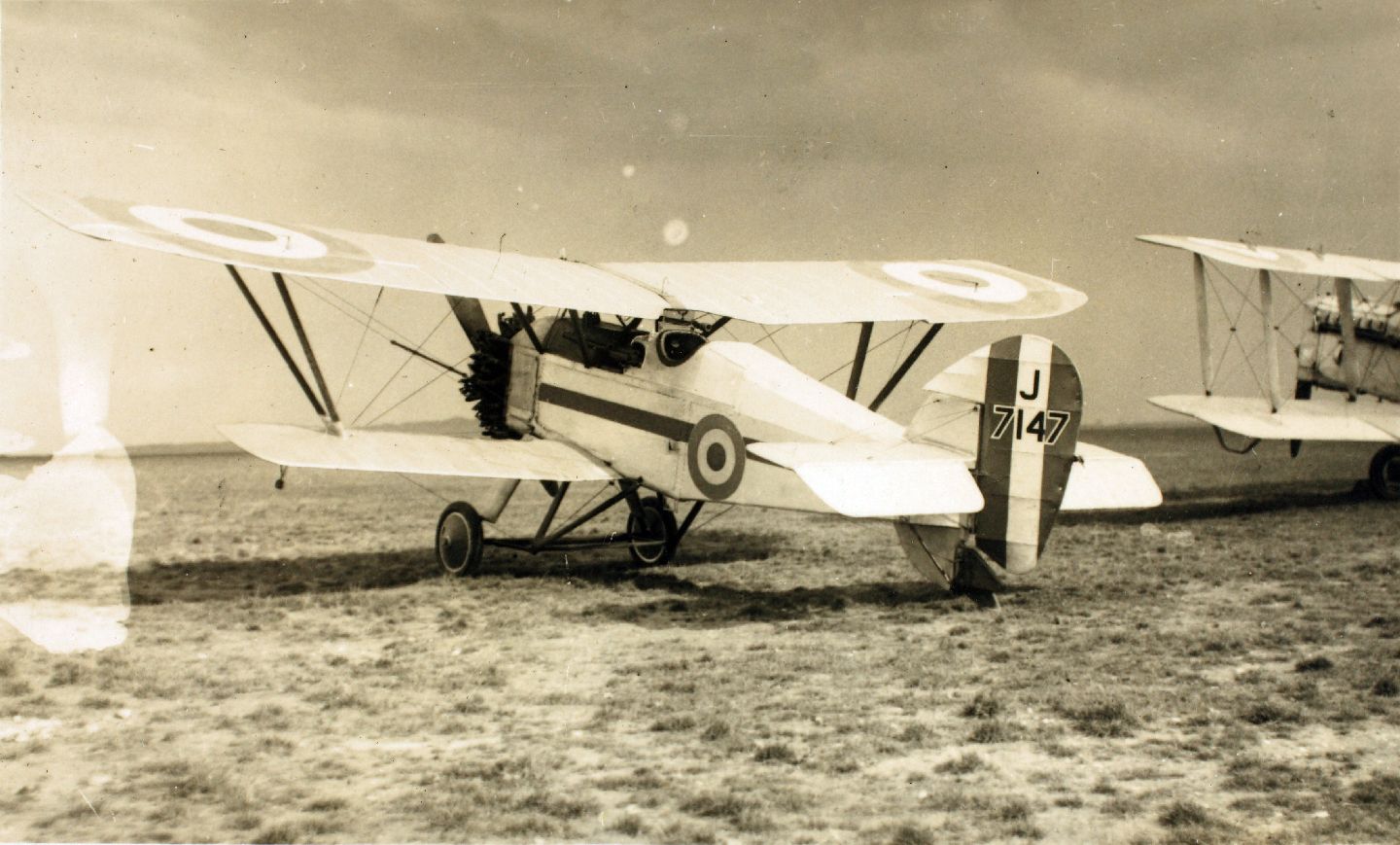
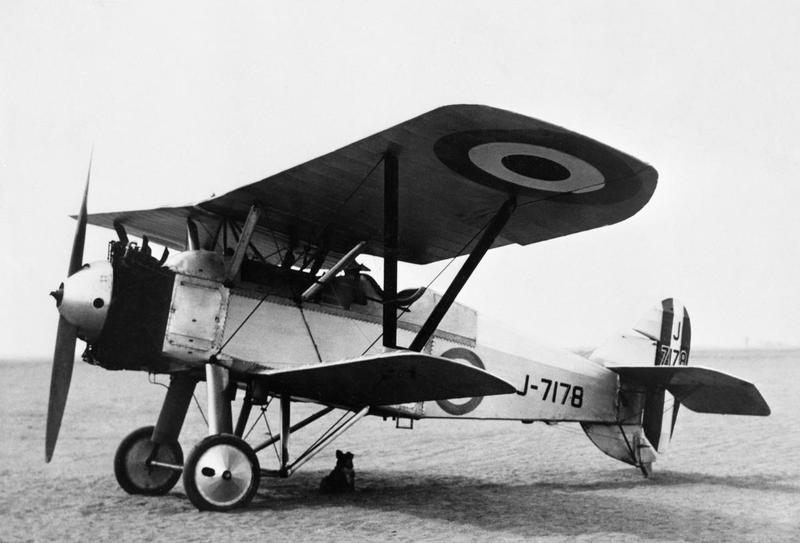
In configuration the Siskin was a single-seat sesquiplane — a biplane whose lower wing was much smaller than the upper, giving the aircraft its distinctive look, with the slender lower wing carrying broad vee-form interplane struts up to the main upper wing. Power came from the Armstrong Siddeley Jaguar, an air-cooled radial engine, another forward-looking choice at a time when many fighters still used liquid-cooled inline engines. The combination of a compact radial and a light, strong metal structure gave the Siskin lively performance and, above all, superb agility.
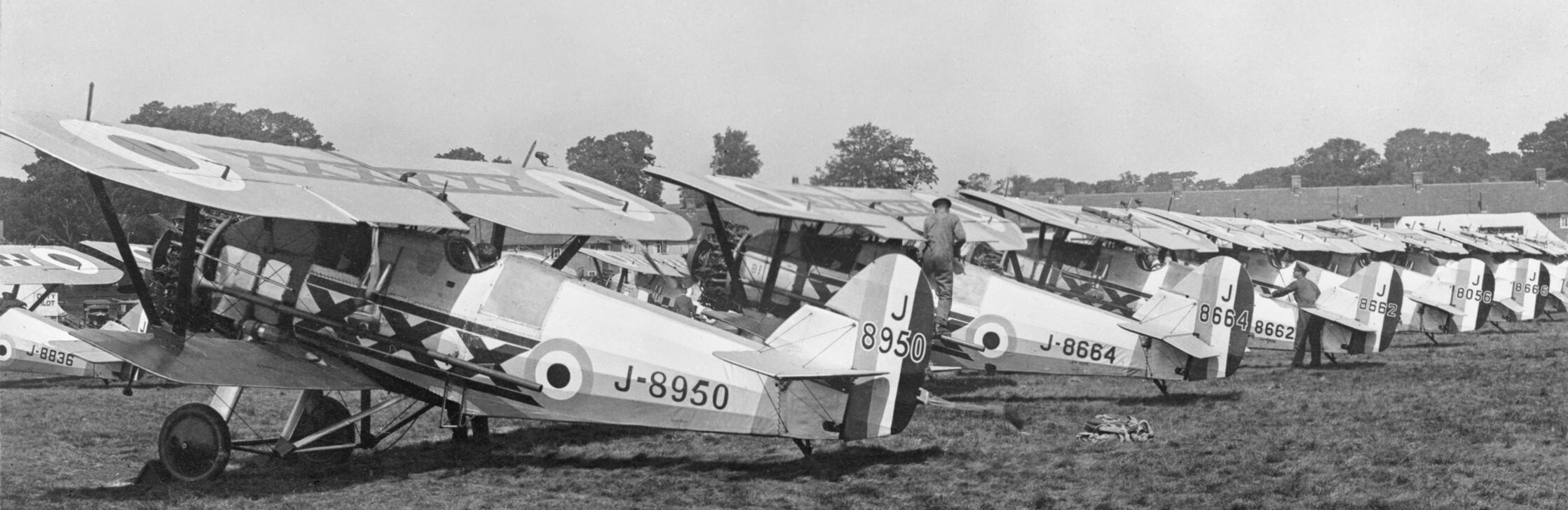
The definitive version was the Siskin IIIA, which appeared in the mid-1920s with a more powerful, supercharged Jaguar engine and revised details. It was the IIIA that became the true mainstay, equipping a large number of RAF home-defence fighter squadrons through the second half of the 1920s and into the early 1930s. For several years the Siskin IIIA was one of the backbones of Britain’s air defence, and it was built in substantial numbers — something over four hundred and fifty Siskins of all types in total.
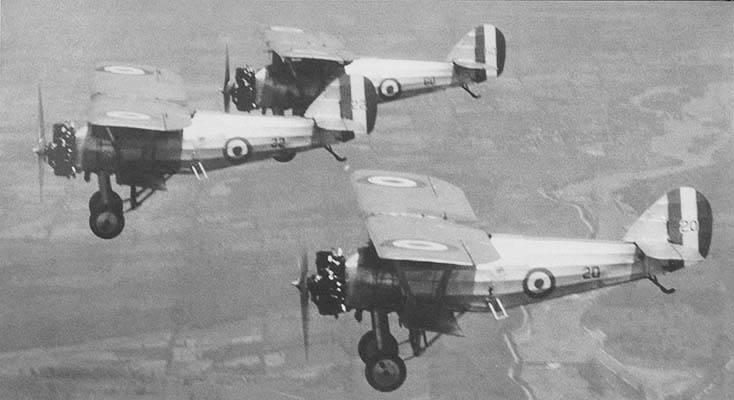
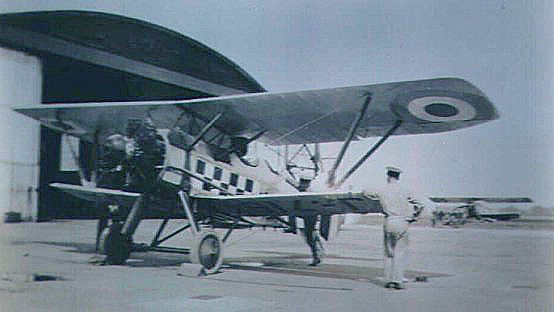
It is for aerobatics that the Siskin is best remembered by those who know it at all. The 1920s and early 1930s were the golden age of the great RAF air pageants at Hendon, spectacular public displays that drew vast crowds, and the agile Siskin was one of their stars. Siskin squadrons performed dazzling formation aerobatics, and the type became famous for the extraordinary feat of “tied-together” formation aerobatics — whole formations of Siskins flying loops and rolls with their wingtips literally connected by lengths of elastic cord or rope, a display of precision flying that thrilled the crowds and demonstrated the aircraft’s handling and the pilots’ skill. Squadrons such as No. 43, the “Fighting Cocks,” built their reputations on such displays.
This was a distinctive era in the RAF’s history. In the long peace between the wars, with no enemy to fight, the fighter squadrons honed their skills and kept the service in the public eye through these great set-piece displays. The Siskin, nimble, reliable and forgiving, was ideally suited to the role, and it became one of the emblematic aircraft of that confident, sunlit interwar air force. If you picture RAF fighters of the 1920s looping over a cheering Hendon crowd, you are very likely picturing Siskins.
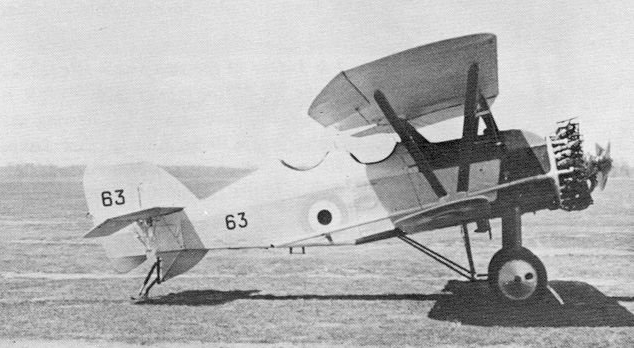
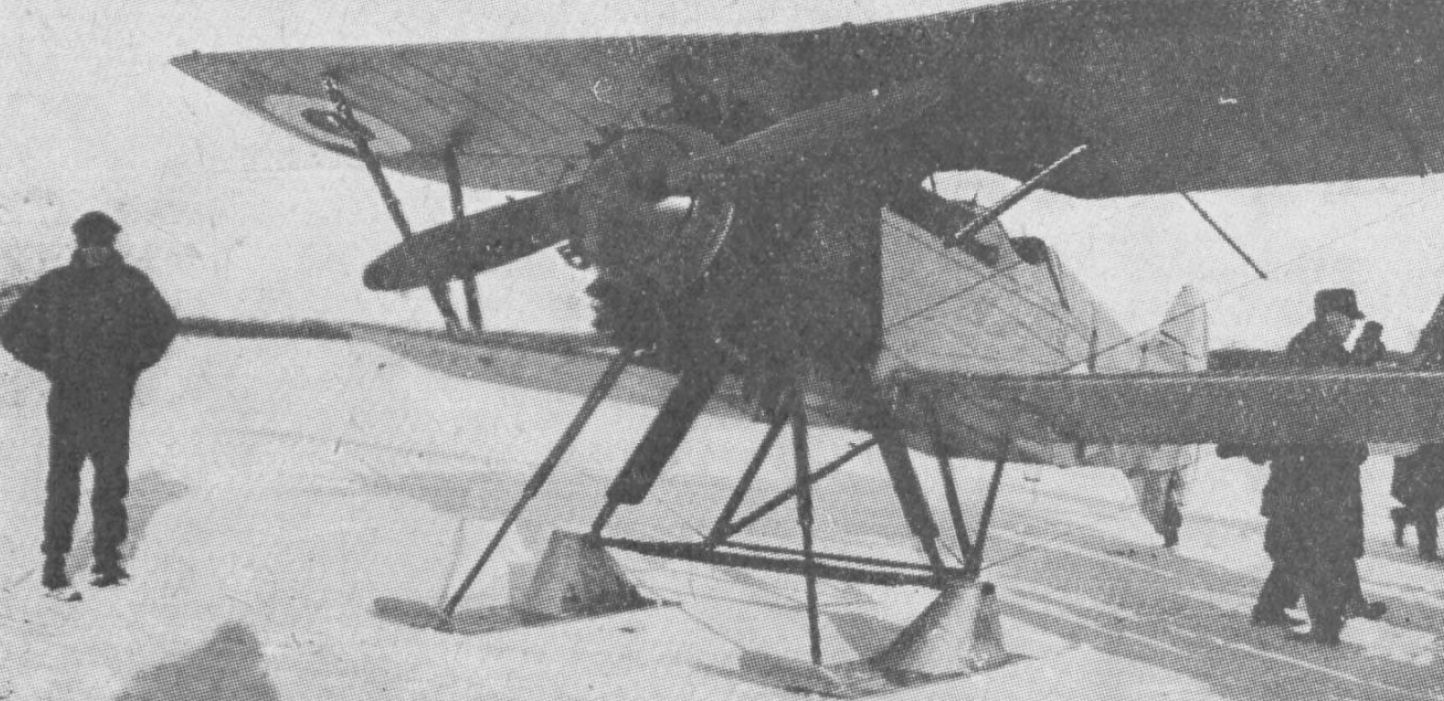
The Siskin also crossed the Atlantic. The Royal Canadian Air Force adopted the type and operated Siskins as front-line fighters into the 1930s — indeed the Siskin was for a time one of the RCAF’s principal fighters. The Canadians, too, formed a famous Siskin aerobatic team, and they flew the type in the demanding Canadian climate, including on skis in winter. For a young air force building up its capabilities between the wars, the rugged, all-metal Siskin was a sensible and capable choice.
Alongside the single-seat fighters ran a two-seat dual-control trainer version, which allowed pilots to be converted onto the type and gave instructors a Siskin of their own. This was typical of the way a successful fighter of the period would spawn a small family of variants, and it extended the Siskin’s usefulness across the training role as well as front-line service.
What the Siskin never did was fight a real war. It was a creature of the interwar peace, and by the time the storm clouds gathered in the 1930s it had already been superseded. The pace of fighter development, though slower than it would become, was still relentless, and from the late 1920s newer designs began to replace it — above all the Bristol Bulldog, which took over the home-defence role, and later the Gloster Gauntlet and Gladiator and ultimately the monoplane Hurricanes and Spitfires. The Siskin was progressively withdrawn from front-line service in the early 1930s.
Its lack of combat should not obscure its importance. The Siskin’s real significance is technological and historical: it was one of the aircraft that carried the RAF from the wooden biplane of 1918 towards the all-metal fighter of the future, proving in everyday squadron service that a metal-structured fighter was durable, practical and effective. It was also one of the defining aircraft of the interwar RAF’s public face, the star of the Hendon pageants and the tied-together aerobatics that are among the most charming images in the service’s history.
Today the Siskin is remembered mainly by enthusiasts and museums. A small number of Siskins are preserved, including an example in the collection of the Royal Air Force Museum in Britain and one at the Canada Aviation and Space Museum, reflecting the type’s service on both sides of the Atlantic. For an aircraft that never fired its guns in anger, the Armstrong Whitworth Siskin left a surprisingly deep mark — as a pioneer of metal construction, as a mainstay of 1920s air defence, and as one of the great display aircraft of aviation’s golden age.
01All-metal structure: why the Siskin III mattered+
The Siskin III’s great claim to importance is that it was one of the first fighters with an all-metal structure to enter RAF service. Where the fighters of the First World War were built of wood and wire, the Siskin III had a framework built from steel and light alloy — still covered in fabric, in the fashion of the day, but fundamentally a metal aeroplane.
This mattered because wood had real drawbacks: it warped, its glued joints deteriorated, and airframes could rot in damp or tropical conditions. A metal structure was more durable, more consistent and easier to maintain, and far better suited to a peacetime air force that needed its aircraft to last. The Air Ministry encouraged the switch to metal in the early 1920s, and the Siskin was one of the aircraft that led it.
02From wooden Siddeley Siskin to the metal Siskin III+
The Siskin began just after the First World War as a design by the Siddeley-Deasy company, which was absorbed into Armstrong Whitworth. The earliest Siskins of around 1919 had conventional wooden structures, like the wartime fighters they were meant to succeed.
The decisive change came in the early 1920s, when the design was reworked around a metal structure to become the Siskin III. It was this metal-structured version that the RAF adopted from 1924, and it is the Siskin III and its successor the IIIA that matter historically — the point at which a promising wooden design was transformed into a pioneering metal one.
03The sesquiplane layout and the Armstrong Siddeley Jaguar+
The Siskin was a single-seat sesquiplane — a biplane whose lower wing was much smaller than the upper. The slender lower wing carried distinctive broad vee-form interplane struts up to the main upper wing, giving the aircraft its characteristic appearance.
Power came from the Armstrong Siddeley Jaguar, an air-cooled radial engine — itself a forward-looking choice when many fighters still used liquid-cooled inline engines. The combination of a compact radial and a light, strong metal structure gave the Siskin lively performance and, above all, the superb agility that made it such a fine display aircraft.
04The Siskin IIIA: the definitive mainstay+
The definitive version of the type was the Siskin IIIA, which appeared in the mid-1920s. It introduced a more powerful, supercharged version of the Jaguar engine and various detail refinements, and it was significantly more capable than the earlier Siskin III.
It was the IIIA that became the true mainstay of the type, equipping a large number of RAF home-defence fighter squadrons through the second half of the 1920s and into the early 1930s. For several years it was one of the backbones of Britain’s air defence, and it accounts for the majority of the four hundred and fifty or more Siskins built.
05The great age of the Hendon air pageants+
The 1920s and early 1930s were the golden age of the RAF air pageants at Hendon — spectacular annual public displays that drew enormous crowds and were a highlight of the London social calendar. In the long peace between the wars, these pageants kept the RAF in the public eye and showcased the skill of its pilots.
The agile Siskin was one of the stars of these displays. Siskin squadrons performed dazzling formation aerobatics that thrilled the crowds, and the type became one of the emblematic aircraft of the interwar RAF’s confident public face. To picture RAF fighters looping over Hendon in the 1920s is very often to picture Siskins.
06“Tied-together” formation aerobatics+
The Siskin is especially remembered for one extraordinary feat: “tied-together” formation aerobatics. Whole formations of Siskins would fly loops and rolls with their wingtips literally connected by lengths of elastic cord or light rope, staying joined throughout the manoeuvres.
It was a breathtaking display of precision flying, demanding perfect coordination and superb handling, and it became one of the signature spectacles of the Hendon era. Squadrons such as No. 43, the famous “Fighting Cocks,” built their reputations on such displays. Few images better capture the daring and showmanship of the interwar RAF.
07The Siskin in Royal Canadian Air Force service+
The Siskin also served across the Atlantic. The Royal Canadian Air Force adopted the type and operated Siskins as front-line fighters into the 1930s; for a time the Siskin was one of the RCAF’s principal fighter aircraft, a significant type for a young and growing air force.
The Canadians, like the RAF, formed a celebrated Siskin aerobatic team, and they flew the type through the demanding Canadian climate, including fitted with skis for winter operations from snow. The Siskin’s rugged, all-metal structure made it well suited to these conditions, and its Canadian service is an important part of the type’s story.
08The two-seat Siskin trainer+
Alongside the single-seat fighters, the Siskin was also built in a two-seat dual-control trainer version. This allowed pilots to be converted onto the type under instruction, and gave training units a Siskin of their own for conversion and continuation flying.
A trainer variant of this kind was typical of a successful interwar fighter, and it extended the Siskin’s usefulness beyond the front-line squadrons into the training role. It is a reminder that a service aircraft of the period was usually a small family of related types rather than a single model.
09Armament and performance+
The Siskin was armed, in the standard fashion of the period, with two fixed, forward-firing Vickers .303-inch machine guns synchronised to fire through the propeller arc. This was the near-universal fighter armament of the 1920s, and it remained standard in the RAF for many years.
Performance was modest by later standards but respectable for its day: a top speed of somewhere around 150 to 156 mph and a good rate of climb and ceiling, thanks to the supercharged Jaguar of the IIIA. What really distinguished the Siskin, though, was not raw speed but agility — the light, strong metal structure and radial engine gave it the handling that made it such a superb aerobatic mount.
10Superseded: the Bulldog and the march of progress+
The Siskin’s front-line career was relatively short, because fighter development, though slower than it would later become, was still relentless. From the late 1920s newer designs began to replace it in RAF service — above all the Bristol Bulldog, which took over much of the home-defence role at the turn of the decade.
The Bulldog was followed by the Gloster Gauntlet and Gladiator, and ultimately by the monoplane Hurricane and Spitfire. The Siskin was progressively withdrawn from front-line service in the early 1930s, having done its job: it had helped carry the RAF through the transition to metal construction and had served as a reliable mainstay for the better part of a decade.
11No war: the Siskin as a creature of the interwar peace+
Unlike many aircraft in this collection, the Siskin never fought a war. It was designed, built and flown entirely in the long peace between 1918 and 1939, and by the time the Second World War came it had long since left front-line service. It has, therefore, no combat record to speak of.
This is not a mark against it but simply a fact of its timing. The Siskin’s importance lies elsewhere — in its pioneering metal structure and in its role as one of the defining fighters and display aircraft of the interwar RAF. It is a reminder that an aircraft can matter a great deal without ever firing its guns in anger.
12The Siskin’s place in the story of the fighter+
The Armstrong Whitworth Siskin sits at an important hinge in the history of the fighter aeroplane. Behind it lay the wooden biplanes of the First World War; ahead lay the all-metal, stressed-skin monoplanes of the Second. The Siskin, with its metal framework under a fabric skin and its air-cooled radial engine, was a genuine step along that road.
It proved, in everyday squadron service and in the glare of the Hendon pageants, that a metal-structured fighter was durable, practical and effective. In doing so it helped ease the RAF’s transition from the wooden age to the metal one — a quiet but genuine contribution to the development of the modern fighter.
Design & Engineering
How the Armstrong Whitworth Siskin was built: metal structure, radial power
A single-seat sesquiplane fighter with a pioneering all-metal framework under fabric skin, powered by the air-cooled Armstrong Siddeley Jaguar radial — durable, agile, and a decisive step beyond the wooden fighters of the Great War.
All-metal structure
A framework of steel and light alloy under fabric covering — one of the first such fighters in RAF service, and far more durable than wood.
Sesquiplane layout
A small lower wing with broad vee-form struts up to the larger upper wing — the source of the Siskin’s distinctive look and fine agility.
Jaguar radial
The air-cooled Armstrong Siddeley Jaguar, supercharged in the IIIA — a forward-looking choice that gave lively, aerobatic performance.
Specifications
Armstrong Whitworth Siskin specifications: dimensions, performance and cost
Figures describe the Siskin IIIA with the supercharged Armstrong Siddeley Jaguar IVA, the main production version and the one that equipped eleven RAF squadrons between 1927 and 1932. Deltas for the earlier Siskin III and for the two-seat IIIDC trainer in grey. Published Siskin figures vary more than they should for a 1920s type: production totals in particular are quoted as anything between 348 and 412 aircraft depending on whether trainers, conversions and export machines are counted.
Dimensions & weights
- Crew
- 1 (2 in tandem on the Siskin IIIDC dual-control trainer)
- Wingspan
- 10.11 m (33 ft 2 in), upper wing
- Length
- 7.72 m (25 ft 4 in)
- Height
- 3.10 m (10 ft 2 in)
- Wing area
- 27.2 m² (293 sq ft), both wings
- Wing layout
- Sesquiplane — the lower wing far smaller in chord and area than the upper, built on a single spar with V interplane struts
- Empty weight
- 935 kg (2,061 lb)
- Maximum take-off weight
- 1,366 kg (3,012 lb)
- Useful load
- 431 kg (951 lb)
- Bomb load
- 36 kg (80 lb) — four 20 lb bombs on underwing racks
- Primary structure
- All-metal: high-tensile steel strip rolled into sections and riveted into built-up spars and members, with duralumin ribs, the whole covered in doped fabric
- Siskin III
- Broadly the same airframe and dimensions; the difference between the marks is the engine, not the structure
Performance
- Maximum speed
- 251 km/h (156 mph) at sea level
- Speed at altitude
- The supercharged Jaguar IVA held its power well above 3,050 m (10,000 ft), where the unsupercharged Siskin III fell away. Below that height the two marks were near-identical.
- Climb to 3,050 m
- 7 min 5 s to 10,000 ft
- Service ceiling
- 8,200 m (27,000 ft) — genuinely high for 1927, and the reason No. 111 Squadron became the RAF's first high-altitude fighter unit
- Endurance
- 1 h 12 min — short even by the standards of the day, and a real operational limitation
- Range
- 450 km (280 miles)
- Wing loading
- 50.2 kg/m² (10.3 lb/sq ft)
- Power loading
- 3.5 kg/hp (7.8 lb/hp)
- Aerobatic qualities
- Light, responsive and structurally strong — the type's outstanding characteristic and the basis of its display career
- Contemporary comparison
- Bristol Bulldog IIA, 280 km/h (174 mph); Hawker Fury I, 333 km/h (207 mph). Both entered service within five years of the Siskin IIIA and both left it far behind.
- Rate of climb
- Some sources quote an initial 15 m/s (2,950 ft/min). That is hard to reconcile with the measured 7 min 5 s to 10,000 ft and should be treated with caution; period practice quoted time-to-height, which is the figure given above.
Propulsion & systems
- Engine
- 1 × Armstrong Siddeley Jaguar IVA, 14-cylinder two-row air-cooled radial, supercharged, 385 hp (287 kW)
- Siskin III engine
- Unsupercharged Jaguar IV of the same nominal rating. The IIIA was specified with the Jaguar IV and given the IVA instead.
- Supercharger
- Geared centrifugal blower, of little benefit below 3,050 m (10,000 ft) and increasingly valuable above it
- Cowling
- None over the cylinders — the two rows sat in the airstream, which cooled well and cost speed
- Propeller
- Two-blade fixed-pitch wooden airscrew
- Airframe material
- Steel and duralumin throughout, fabric covered. The Siskin IIIA was the first all-metal-structure aircraft procured in quantity for the RAF.
- Why metal
- Air Ministry policy from the early 1920s was to order only all-metal airframes: good spruce was scarce and expensive after the war, and wooden structures glued and doped in Britain came apart in the heat and damp of Iraq, India and Egypt
- Fuel system
- Gravity feed from a fuselage tank; no provision for external tanks, which is why the endurance is what it is
- High-altitude equipment
- Oxygen apparatus fitted for interception work at the top of the aircraft's band
- Undercarriage
- Fixed divided main units with a tailskid and no wheel brakes, in common with RAF fighters of the period; grass aerodromes and into-wind landings were assumed
- Ancestry
- Designed by Major F. M. Green, formerly chief engineer of the Royal Aircraft Factory, as the Siddeley-Deasy S.R.2 around the ABC Dragonfly radial — an engine so bad it nearly killed the design
13The Siskin variants: III, IIIA and the trainer+
The important Siskins were the metal-structured versions. The Siskin III entered RAF service in 1924 as one of the first all-metal-structured fighters in the service. The Siskin IIIA followed in the mid-1920s with a more powerful supercharged Jaguar engine and refinements, and became the definitive and most numerous version.
Alongside the single-seat fighters was a two-seat dual-control trainer version for conversion and instruction. Earlier, wooden-structured Siskins had existed from around 1919, but it is the metal Siskin III and IIIA that matter historically. Together the family accounts for something over four hundred and fifty aircraft.
14The Armstrong Whitworth Siskin’s cost: what the records show+
As with most RAF aircraft of the 1920s, there is no reliable, transparent public figure for the Siskin’s unit cost, cost per flight hour or total programme cost. It was procured across several years under the tight defence budgets of the period, and consistent lifetime cost data does not survive in a usable, comparable form.
Rather than repeat an invented number, we list the cost fields here as “not reliably recorded.” As a compact single-engined biplane of metal-and-fabric construction, the Siskin would have been relatively economical, which helped the RAF field it in useful numbers as a mainstay home-defence fighter during the lean interwar years.
15Why the Armstrong Whitworth Siskin matters+
The Siskin’s importance rests on two things. First, it was one of the first all-metal-structured fighters to enter RAF service, helping carry the service from the wooden aeroplanes of the First World War towards the all-metal fighters of the future — a genuine technological milestone. Second, it was one of the principal RAF fighters of the 1920s and one of the defining aircraft of the great age of air displays.
That it never saw combat does not diminish this. The Siskin’s significance is that of a pioneer and a mainstay: an aircraft that proved metal construction in everyday service and that gave the interwar RAF one of its most enduring public images, looping over the crowds at Hendon.
16Survivors: the preserved Siskins+
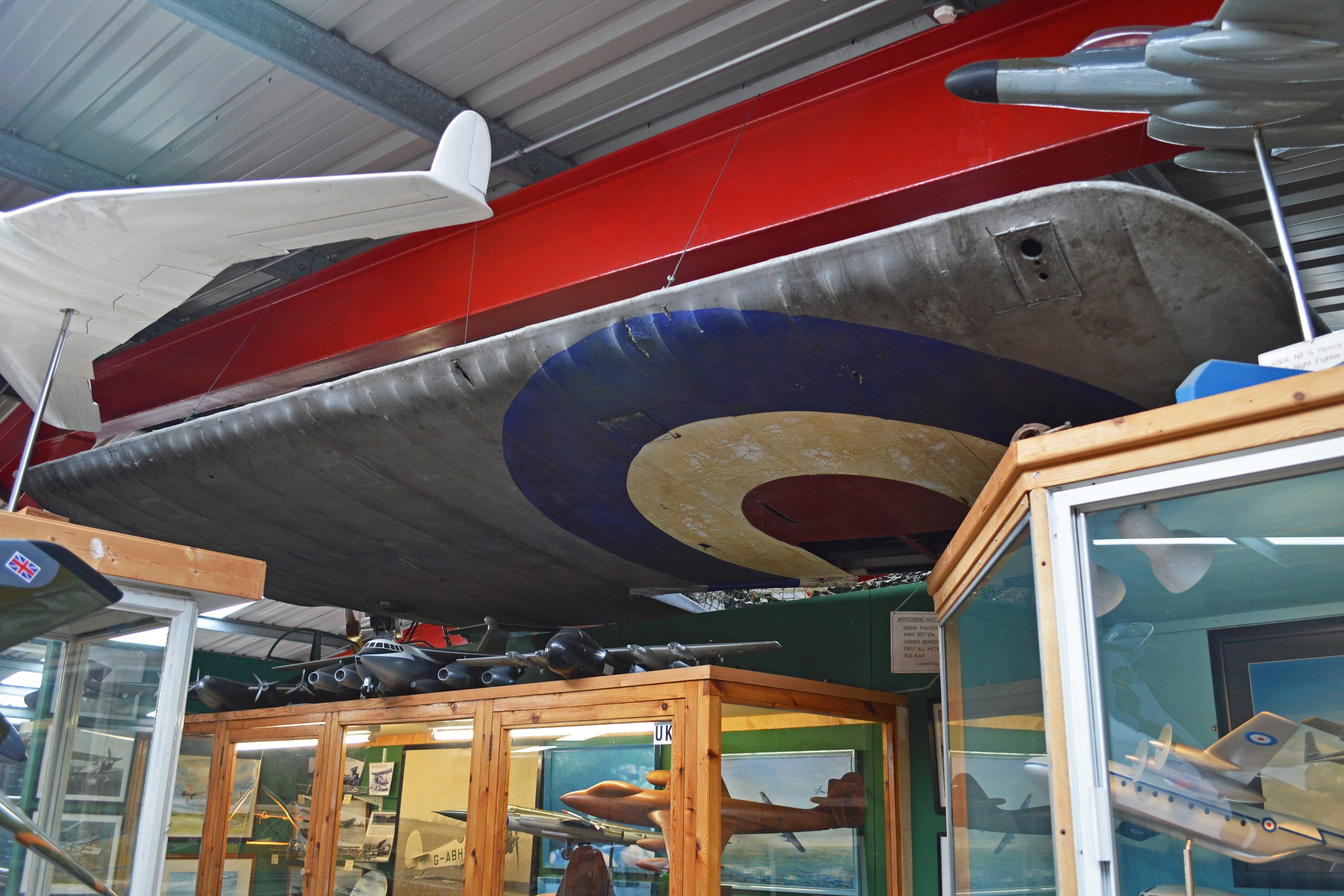
A small number of Armstrong Whitworth Siskins survive, reflecting the type’s service on both sides of the Atlantic. An example is preserved in the collection of the Royal Air Force Museum in Britain, and another at the Canada Aviation and Space Museum, recalling the type’s RCAF service.
Given how few interwar fighters were preserved — most were scrapped once obsolete, long before anyone thought them worth saving — these survivors are precious. They are rare tangible links to a pioneering aircraft that helped bring the fighter out of the wooden age and that thrilled the crowds of aviation’s golden age.
Armament & payload
The Siskin carried the same two Vickers guns the RAF had been flying since 1917
Nothing about the Siskin's armament was new, and nothing was meant to be. Two synchronised .303 in Vickers guns firing through the propeller disc, a ring-and-bead sight, and racks for four 20 lb Cooper bombs: this was the standard British single-seat fighter fit of the Great War, carried forward essentially unchanged into the late 1920s. The innovation on this aeroplane is in the structure and the supercharger, not in what it shot with.
That matters, because it explains why the Siskin dated so quickly. Two rifle-calibre guns were adequate against fabric-covered biplanes and hopeless against anything else, and the RAF knew it. Specification F.7/30 was issued in 1930 while Siskins were still in squadron service, and within four years the Air Ministry had settled on eight guns as the new minimum. Bomb racks were fitted for army co-operation and armament practice camps rather than as a standard front-line fit, and many squadron aircraft flew without them.
Guns
- Two .303 in Vickers machine guns, belt-fed, fixed and firing forward
- Mounted in troughs in the fuselage sides, breeches accessible to the pilot in the cockpit
- Cyclic rate around 450 rounds per minute each
- Rifle calibre only — no cannon, and no heavier machine gun, was ever fitted
- The same pair of Vickers guns the Sopwith Camel had carried a decade earlier
Synchronisation gear
- Constantinesco-Colley CC gear, the hydraulic system adopted across the RAF from 1917
- Pressure pulses sent down an oil-filled pipe from an engine-driven generator to the gun trigger motor
- Far more reliable than the mechanical gears of 1916 and largely indifferent to engine speed
- Remained the RAF standard until fighters stopped firing through the disc altogether
- Fired both guns from a single control column trigger
Sights and ammunition
- Ring-and-bead sight as the primary aiming reference, with an Aldis telescopic sight on some aircraft
- Ammunition boxes in the fuselage feeding by chute to the guns
- Ball, tracer and armour-piercing rounds mixed on the belt for practice and for service
- No reflector sight; the RAF did not standardise one until the 1930s
- Gun stoppage drills formed a substantial part of Siskin pilot training
Bombs
- Four 20 lb Cooper bombs on underwing racks, 80 lb total
- Intended for ground attack and for armament practice camp work, not as a primary role
- Negligible by any standard other than that of a single-seat interceptor of the period
- Racks were frequently removed to save weight and drag
- No provision for larger stores, drop tanks or reconnaissance pods of any kind
What the guns were for
- Day interception of bomber formations at height — the doctrine the ceiling and supercharger served
- No. 111 Squadron became the RAF's first high-altitude fighter squadron on the type
- Air defence of Great Britain exercises against Virginia and Hyderabad bombers
- Home-based service only in RAF hands; no Siskin squadron went to war
- RCAF Siskins were the only fighters Canada had, and never fired a shot in anger either
What it did not carry
- No armour, no self-sealing tanks and no protection of any kind for pilot or fuel
- No radio in early service; wireless telephony spread through RAF fighters only in the 1930s
- No night-fighting equipment beyond basic instrument lighting
- No cannon and no heavier armament option, though the airframe could probably have taken more
- No external fuel, which capped a sortie at little over an hour
Three typical loadouts
- Day interception
- Two Vickers with full ammunition, no bombs, full internal fuel, oxygen. Roughly an hour on task and a climb to 10,000 ft in seven minutes. The role the aircraft existed for.
- Armament practice camp
- Two Vickers loaded for air-to-ground and towed-target work, four 20 lb practice bombs on the underwing racks. Sutton Bridge and the annual gunnery detachments.
- Display flying
- Guns and racks removed, minimum fuel, smoke or streamers fitted. The Hendon and Wembley displays, and the tied-together formation aerobatics for which the type is now chiefly remembered.
Ammunition capacities for interwar RAF fighters are inconsistently recorded and are often carried across from Great War types with the same guns. Figures should be treated as indicative. What is not in doubt is the calibre and the number of guns, which stayed at two rifle-calibre Vickers from first delivery to withdrawal.
Variants
The Siskin was bought for its structure, and everything else about it was ordinary
The Armstrong Whitworth Siskin is one of the few fighters whose significance lies almost entirely in what it was made of. The Air Ministry had decided that British military aircraft would be built of metal, for two unglamorous reasons: the supply of aircraft-quality spruce had collapsed after 1918 and was expensive to replace, and wooden airframes serving in Iraq, India and the Sudan warped, shrank and glued themselves apart in ways that grounded squadrons. Armstrong Whitworth redesigned the wood-and-fabric Siskin around rolled steel strip, and in doing so produced the first all-metal-structure aircraft the RAF bought in quantity.
As a fighter it was unremarkable. The performance was fair rather than good, the endurance was poor, the armament was a decade old and the Jaguar was fussy to maintain. What the Siskin genuinely was, was a superb aerobatic aeroplane, and between 1925 and 1931 it became the public face of the RAF at the Hendon displays: three aircraft tied together at the interplane struts with cords, looping and rolling in formation without breaking the ties, is the image the type is remembered by. The RCAF formed its first official display team on Siskins at Camp Borden in 1929.
It was also superseded almost immediately. Bristol Bulldogs replaced RAF Siskins from 1932 and Hawker Furies arrived at the same time, both faster and better armed. The Siskin's real legacy is that every British fighter after it was made of metal.
- Siddeley-Deasy S.R.2 Siskin (1919–21 / 3)
- The original F. M. Green design, wood and fabric, around the 320 hp ABC Dragonfly radial. The Dragonfly was a catastrophe and the aircraft went nowhere until re-engined with the Jaguar.
- Siskin II (1922–24 / 2)
- Interim civil and experimental machines with a steel-tube fuselage and wooden wings — the halfway house between the wooden original and the all-metal production aircraft.
- Siskin III (1923–25 / 64 for the RAF)
- The first all-metal version, flown in May 1923, with the unsupercharged Jaguar IV. Delivered to No. 41 Squadron at Northolt in May 1924 as the RAF's first all-metal fighter.
- Siskin IIIA (1926–31 / about 348, of which some 340 for the RAF)
- The definitive version, with the supercharged Jaguar IVA, revised fin and a longer fuselage. Eleven RAF squadrons; withdrawn from front-line service in October 1932. Some sources give 387 or more, counting trainers and conversions differently.
- Siskin IIIB (1927 / 1)
- Single prototype with an uprated Jaguar for altitude research. Not adopted.
- Siskin IIIDC (1929–32 / 53 new plus 32 conversions)
- Two-seat dual-control trainer, the second cockpit replacing fuel and equipment. Built for the RAF, the RCAF, Air Service Training and Estonia, and converted from surplus Siskin IIIs. Many pilots met the type in this form.
- Siskin IV (1925 / 1)
- Civil racing conversion. Siskins raced regularly and won; a Siskin V flown by Flight Lieutenant Barnard took the 1925 King's Cup.
- Siskin V (1925–27 / 65 ordered, about 10 completed)
- Export fighter developed for Romania. The order was largely unfulfilled and the surviving airframes went to civil and racing use in Britain.
- Siskin IIIA, RCAF (1926–39 / 12)
- Canada's first modern fighters, tested in winter conditions in 1926 and operated by the Fighter Flight at Camp Borden and Trenton, which became No. 1 (Fighter) Squadron in 1937. Retired for Hurricanes at the outbreak of war. RCAF totals are quoted as both 8 and 12 depending on whether trainers are included.
- Estonian Siskins (1929–30 / 2)
- Two IIIDC trainers, the only European export sale the type achieved.
Survivors: none that can properly be called an aircraft. No complete original Siskin of any mark is known to be preserved in a public collection anywhere, and the type has no survivors section in the standard references; what remains is fragmentary — components, fittings and the occasional Armstrong Siddeley Jaguar in an engine collection. Nor is there a completed reproduction: rebuilding a Siskin has been discussed by British enthusiasts for years without a flyable or static airframe resulting,. Around 400 were built and, so far as the record shows, not one survives entire. Anyone offered a Siskin should assume it is a reproduction or a model until the provenance says otherwise.
Timeline
The Armstrong Whitworth Siskin through the years
The Siddeley Siskin first flies as a wooden-structured fighter in the immediate post-war years.
The design is reworked with an all-metal structure to become the Siskin III, at the Air Ministry’s urging.
The Siskin III enters service as one of the first all-metal-structured fighters in the RAF.
The definitive supercharged Siskin IIIA appears and becomes the mainstay home-defence fighter.
Siskin squadrons star at the RAF Hendon pageants, famous for tied-together formation aerobatics.
The Royal Canadian Air Force adopts the Siskin as a front-line fighter, with its own aerobatic team.
A dual-control two-seat trainer version enters service for conversion and instruction.
The Siskin IIIA equips a large number of RAF fighter squadrons at the peak of its service.
The Bristol Bulldog and later types replace the Siskin, which is withdrawn from front-line service.
Surviving Siskins are preserved at the Royal Air Force Museum and the Canada Aviation and Space Museum.
Stories & Eyewitnesses
The Armstrong Whitworth Siskin in stories: the moments that defined it
A pioneer of metal construction, a mainstay of 1920s air defence, and the star of the tied-together aerobatics at Hendon — the Siskin’s history through the moments that stuck.
Metal PioneerOut of the wooden age
First all-metal RAF fighter.
The Siskin III was one of the first all-metal-structured fighters to enter RAF service.
A decisive break from the wood of the Great War.
OriginsSiddeley to metal
From wood to steel.
The Siskin began as a wooden design around 1919 before being reworked with a metal structure.
It was the metal Siskin III the RAF adopted.
Why MetalDurable and consistent
No more warping or rot.
Metal structures resisted the warping, rot and deterioration that plagued wooden airframes.
Ideal for a long-serving peacetime air force.
SesquiplaneOne-and-a-half wings
A distinctive look.
A small lower wing and broad vee-struts gave the Siskin its unmistakable shape.
And superb agility for aerobatics.
The JaguarRadial power
Air-cooled and forward-looking.
The air-cooled Armstrong Siddeley Jaguar radial gave the Siskin lively performance.
Supercharged in the definitive IIIA.
The IIIAThe mainstay
Backbone of the 1920s.
The supercharged Siskin IIIA equipped many RAF home-defence squadrons.
For years it was a backbone of Britain’s air defence.
HendonThe great pageants
Stars of the show.
The agile Siskin was one of the stars of the famous RAF air pageants at Hendon.
A highlight of aviation’s golden age.
Tied TogetherAerobatics on a string
Wingtips joined by cord.
Siskin formations looped and rolled with their wingtips tied together by elastic cord.
A breathtaking feat of precision flying.
Fighting CocksNo. 43 Squadron
Display fame.
Squadrons such as No. 43, the “Fighting Cocks,” built their reputations on Siskin aerobatics.
Showmanship and skill in equal measure.
CanadaRCAF Siskins
Across the Atlantic.
The Royal Canadian Air Force flew the Siskin as a front-line fighter into the 1930s.
Complete with its own aerobatic team.
On SkisCanadian winters
Snow operations.
Canadian Siskins were flown on skis in winter, their rugged metal structure suiting the climate.
A very different world from sunny Hendon.
No WarA peacetime fighter
It never fought.
The Siskin was entirely a creature of the interwar peace and saw no significant combat.
Its importance lies in pioneering, not fighting.
SurvivorsPreserved on two continents
Rare and precious.
Siskins are preserved at the RAF Museum and the Canada Aviation and Space Museum.
Rare links to a pioneering fighter.
Photo Gallery
The Armstrong Whitworth Siskin in photographs
Archival and museum photographs of the Armstrong Whitworth Siskin, each credited to its source and licence. Click any photo to enlarge.
On Film
The Armstrong Whitworth Siskin on video: a closer look
A detailed look at the lines of the Armstrong Whitworth Siskin III — the RAF’s pioneering all-metal-structured sesquiplane fighter of the 1920s — through a scale model of the type.
A close look at the Armstrong Whitworth Siskin III and its distinctive configuration, via a detailed scale model. Source: Al Wood’s Modelling Mayhem (YouTube). No dedicated archival documentary of the Siskin is readily available online.
Operations Overview
Where the Armstrong Whitworth Siskin flew: an operator map
The Armstrong Whitworth Siskin was flown by two air forces: Britain’s Royal Air Force, which was its designer, builder and principal operator, and the Royal Canadian Air Force, which flew it as a front-line fighter into the 1930s. This map shows the United Kingdom as origin and main operator, Canada as the second operator, and both countries as homes of preserved survivors. Hover or tap a country for detail.
Categories: Design, Manufacture & RAF Service (United Kingdom) · Operator: RCAF (Canada) · Surviving Aircraft (United Kingdom and Canada). The Siskin was operated only by the RAF and the RCAF; preserved examples survive in both countries.
Service Record
The Armstrong Whitworth Siskin’s record: metal pioneer and display star
The Siskin’s significance lies in its pioneering all-metal structure, its role as a mainstay RAF and RCAF fighter of the 1920s, and its fame on the interwar aerobatic circuit — rather than in combat, for it never fought a war.
Questions & Answers
Armstrong Whitworth Siskin: your questions answered
Can I fly in an Armstrong Whitworth Siskin?
No — there is no bookable Armstrong Whitworth Siskin flight experience, and MiGFlug does not offer one. The type retired in the 1930s and only a handful survive, as museum aircraft at the Royal Air Force Museum and the Canada Aviation and Space Museum. If what you actually want is the real thing — strapping into a genuine military aircraft and flying it — you very much can do that today in other types. MiGFlug arranges flights in real fighter jets and warbirds around the world. Start here: migflug.com/flights-prices.
Why is the Armstrong Whitworth Siskin historically important?
On two counts. The Siskin III was one of the first fighters with an all-metal structure to enter RAF service, helping carry the service from the wooden aeroplanes of the First World War towards the all-metal fighters of the future. And it was one of the RAF’s principal fighters of the 1920s and a star of the great interwar air displays. Its importance is that of a technological pioneer and a mainstay, not of a combat aircraft.
What made the Siskin’s structure special?
The Siskin III was built around an all-metal framework of steel and light alloy, covered in fabric — rather than the wood-and-wire structure of the First World War fighters. Metal was more durable, more consistent and easier to maintain, and did not warp or rot as wood could. The Air Ministry encouraged the switch to metal construction in the early 1920s, and the Siskin was one of the aircraft that led the way, making it a genuine milestone.
What was “tied-together” aerobatics?
It was the Siskin’s signature display feat. Formations of Siskins would perform loops and rolls with their wingtips literally connected by lengths of elastic cord or light rope, staying joined throughout the manoeuvres. It demanded extraordinary precision and superb handling, and it was one of the great spectacles of the RAF air pageants at Hendon in the 1920s and early 1930s. Squadrons such as No. 43, the “Fighting Cocks,” were famous for it.
Did the Armstrong Whitworth Siskin see combat?
No, not in any significant way. The Siskin was entirely a product of the interwar peace: designed, built and flown between the world wars, and withdrawn from front-line service in the early 1930s, well before the Second World War. It has essentially no combat record. This does not diminish its importance, which lies in its pioneering metal structure and its role as a mainstay fighter and display aircraft of the 1920s.
Which countries flew the Siskin?
Two air forces operated it. The British Royal Air Force was its designer, builder and principal operator, flying the Siskin as one of its main fighters throughout the 1920s. The Royal Canadian Air Force also adopted the type and flew Siskins as front-line fighters into the 1930s, complete with its own celebrated Siskin aerobatic team. The Siskin was not otherwise widely exported.
What engine did the Siskin use?
The Siskin was powered by the Armstrong Siddeley Jaguar, an air-cooled radial engine, producing in the region of 325 to 450 horsepower depending on the version. The definitive Siskin IIIA used a supercharged Jaguar. Choosing an air-cooled radial was itself somewhat forward-looking at a time when many fighters still used liquid-cooled inline engines, and it contributed to the Siskin’s light weight and agility.
What replaced the Armstrong Whitworth Siskin?
The Siskin was superseded in RAF service from the late 1920s and early 1930s, chiefly by the Bristol Bulldog, which took over much of the home-defence fighter role. The Bulldog was in turn followed by the Gloster Gauntlet and Gladiator, and ultimately by the monoplane Hawker Hurricane and Supermarine Spitfire. The Siskin had done its job as a transitional, metal-structured mainstay of the 1920s.
Fly For Real
You can’t fly the Armstrong Whitworth Siskin — but these, you can
No Siskin is a bookable ride today — only museum survivors remain. The urge behind it — to strap into a real aircraft and actually fly — is very much still bookable. MiGFlug puts you in genuine fighters and warbirds around the world.
Fighter Jet Flights
Take the controls of a real ex-military jet with an experienced pilot.
Warbird experiences
Fly in a genuine piston-engined warbird from the golden age of aviation.
All flights are operated by MiGFlug’s vetted partners with professional pilots. Browse every option and current pricing at migflug.com/flights-prices. MiGFlug does not operate Armstrong Whitworth Siskin flights — no bookable example exists.
Related Aircraft
If the Armstrong Whitworth Siskin interests you, explore these
Sources & Further Reading
Where this Armstrong Whitworth Siskin history comes from
Note on figures: dimensions, performance, engine and production numbers for the Armstrong Whitworth Siskin vary between sources and variants, and are hedged here as approximate; the figures given are broadly representative of the Siskin IIIA. Production is commonly cited as around 450 or more aircraft across all versions. Cost fields are listed as not reliably recorded because trustworthy 1920s procurement cost data is not available in a comparable form. The Siskin saw no significant combat; its importance lies in its pioneering all-metal structure and its role as a mainstay interwar fighter and display aircraft. The operations map shows the two operator countries, the United Kingdom and Canada; preserved examples survive in both.