
Kurzinfo
Erstes analoges FBW-Flugzeug: Avro Canada CF-105 Arrow (1958, eingestellt)
Erstes digitales FBW-Testflugzeug: NASA F-8C Crusader DFBW (1972)
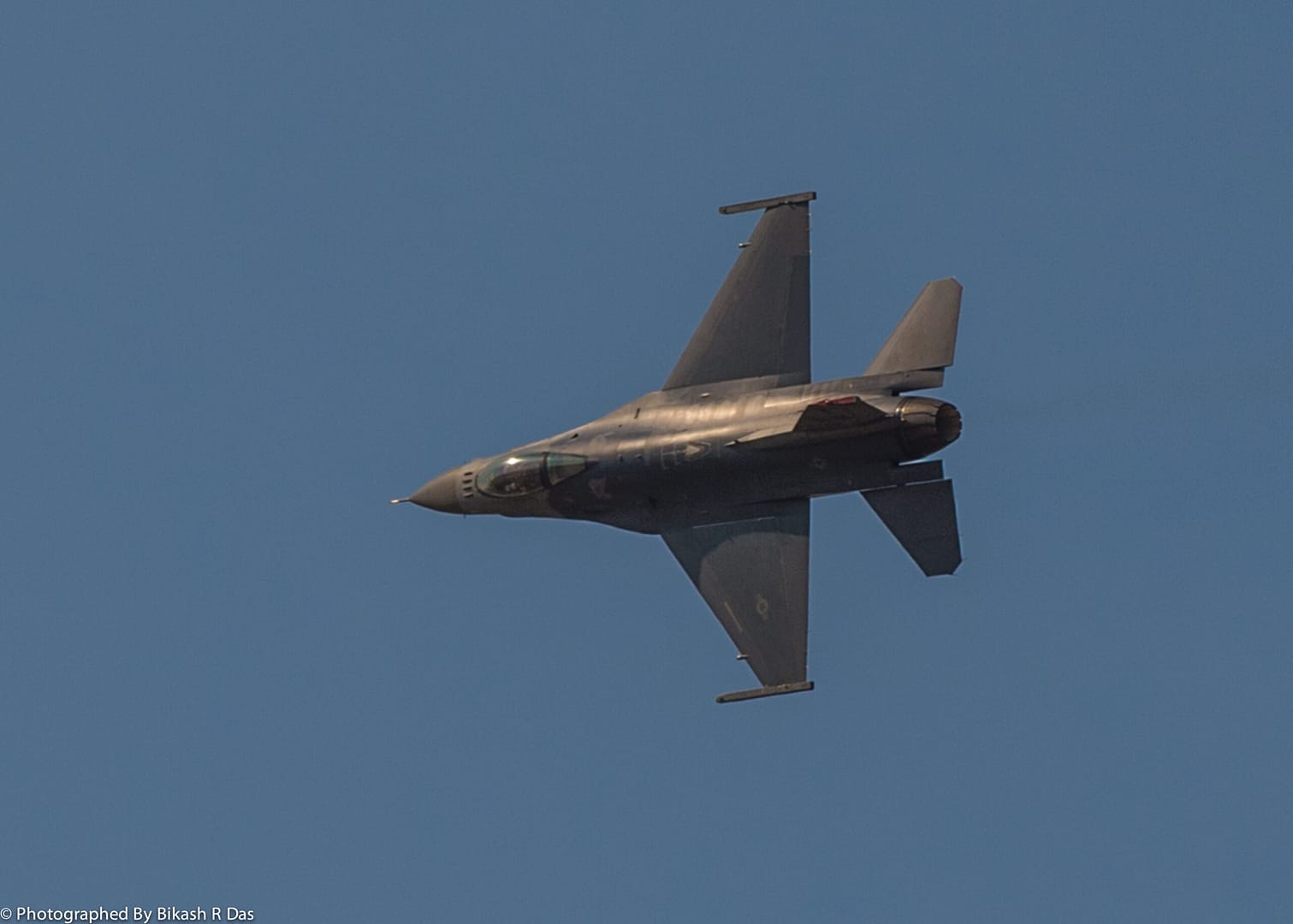
Erster serienmäßiger FBW-Kampfjet: General Dynamics F-16A Fighting Falcon (1978)
Erstes FBW-Verkehrsflugzeug: Airbus A320 (1988)
Grundprinzip: Entspannte statische Stabilität – das Flugzeug ist absichtlich instabil, der Computer hält es flugfähig.
Redundanzstandard: Quadruplex (vier unabhängige Kanäle) im militärischen Bereich; Triplex oder Quadruplex im zivilen Bereich
"Fly-by-Wire hat nicht einfach nur die Kabel ersetzt – es hat die Möglichkeiten eines Flugzeugs neu definiert. Die F-16 war der erste Kampfjet, der bewusst auf aerodynamische Instabilität ausgelegt wurde. Ohne Computer, die die Eingaben des Piloten vierzig Mal pro Sekunde auswerteten, wäre sie nicht flugfähig gewesen. Diese eine Entscheidung eröffnete eine völlig neue Generation von Kampfjet-Leistungen."
Dr. Richard P. Hallion — Ehemaliger Historiker der US-Luftwaffe, Autor von "Testpiloten"
Für die Piloten fühlte sich die F-16 revolutionär an: Ein Befehl wurde nahezu augenblicklich ausgeführt, ohne Totzone, Kabeldehnung oder Reibung, da der Computer die Absicht in den exakt richtigen Ruderausschlag über alle drei Achsen gleichzeitig umsetzte – etwas, was keine mechanische Verbindung leisten konnte.
Joe Bill Dryden — Ehemaliger F-16-Testpilot, Edwards AFB
Das Problem mit stabilen Flugzeugen
Um Fly-by-Wire zu verstehen, muss man zunächst verstehen, warum konventionelle Flugzeuge so konstruiert sind, wie sie sind. Ein traditionell stabiles Kampfflugzeug – beispielsweise ein F-4 Die Phantom hat ihren Schwerpunkt vor ihrem Auftriebsmittelpunkt. Wenn eine Windböe die Nase nach oben drückt, wirken die aerodynamischen Kräfte dem entgegen. Dies nennt man positive statische Stabilität, und jahrzehntelang war sie unabdingbar. Das Problem: Stabilität geht auf Kosten der Leistung. Ein stabiles Flugzeug widersteht Lageänderungen und damit auch den Befehlen des Piloten. Die Leitwerksflächen müssen eine konstante Abwärtskraft erzeugen, um die Nase waagerecht zu halten. Diese Abwärtskraft erzeugt im Wesentlichen negativen Auftrieb – das Flugzeug arbeitet gegen sich selbst. Der dadurch entstehende Luftwiderstand ist erheblich: Ingenieure schätzten, dass eine Lockerung der Stabilitätsreserven bei einem Kampfflugzeug den Trimmwiderstand um 10 bis 15 Prozent reduzieren und die Kurvenrate um einen vergleichbaren Wert verbessern könnte. Ende der 1960er-Jahre wussten Aerodynamiker genau, was sie wollten: einen Kampfjet mit Schwerpunkt hinter dem Auftriebsmittelpunkt – ein von Natur aus instabiles Flugzeug, das deutlich wendiger und effizienter wäre. Das Problem: Kein Pilot konnte ein solches Flugzeug fliegen. Ein instabiles Flugzeug gerät innerhalb von etwa 300 bis 500 Millisekunden aus der kontrollierten Fluglage. Der menschliche neuromuskuläre Regelkreis benötigt etwa 200 bis 300 Millisekunden für die Verarbeitung und Reaktion. Es gibt keinen Spielraum.Der Computer schaltet sich ein
Die Lösung bestand darin, einen Computer zwischen Pilot und Flugkörper zu schalten. Der Pilot gibt seine Befehle; der Computer entscheidet über deren Umsetzung und korrigiert Instabilitäten 40 Mal pro Sekunde – weitaus schneller, als es ein Mensch könnte. Die NASA bewies das Konzept 1972, indem sie eine modifizierte F-8C Crusader mit einem digitalen Fly-by-Wire-System und einem Bordcomputer des Apollo-Programms ausstattete. Das F-8 DFBW-Programm demonstrierte, dass ein digitaler Flugsteuerungscomputer ein Flugzeug sicher fliegen kann, ohne dass mechanische Backups vorhanden sind. Es war das erste Flugzeug der Geschichte, das ohne jegliche mechanische Rückkopplung flog. General Dynamics ging den nächsten Schritt. Die YF-16, die im Januar 1974 ihren Erstflug absolvierte, war von Anfang an als Flugzeug mit entspannter statischer Stabilität und einem vierfachen analogen Fly-by-Wire-System konzipiert. Vier unabhängige Flugsteuerungscomputer stimmten über jeden Befehl ab – stimmte einer nicht zu, wurde er von den anderen drei überstimmt. Fielen zwei aus, konnten die verbleibenden zwei das Flugzeug immer noch steuern. Das Ergebnis war außergewöhnlich. Die F-16 konnte Kurven mit 9 g Dauerbeschleunigung fliegen, die Kampfflugzeuge der vorherigen Generation nur in kurzzeitigen Manövern erreichten. Sie war leichter, treibstoffsparender und reaktionsschneller als alle Kampfflugzeuge zuvor. Ihr Sidestick-Controller – der den herkömmlichen Steuerknüppel in der Mitte ersetzte – war so empfindlich, dass frühe Testpiloten das Flugzeug übersteuerten, bis die Empfindlichkeit angepasst wurde.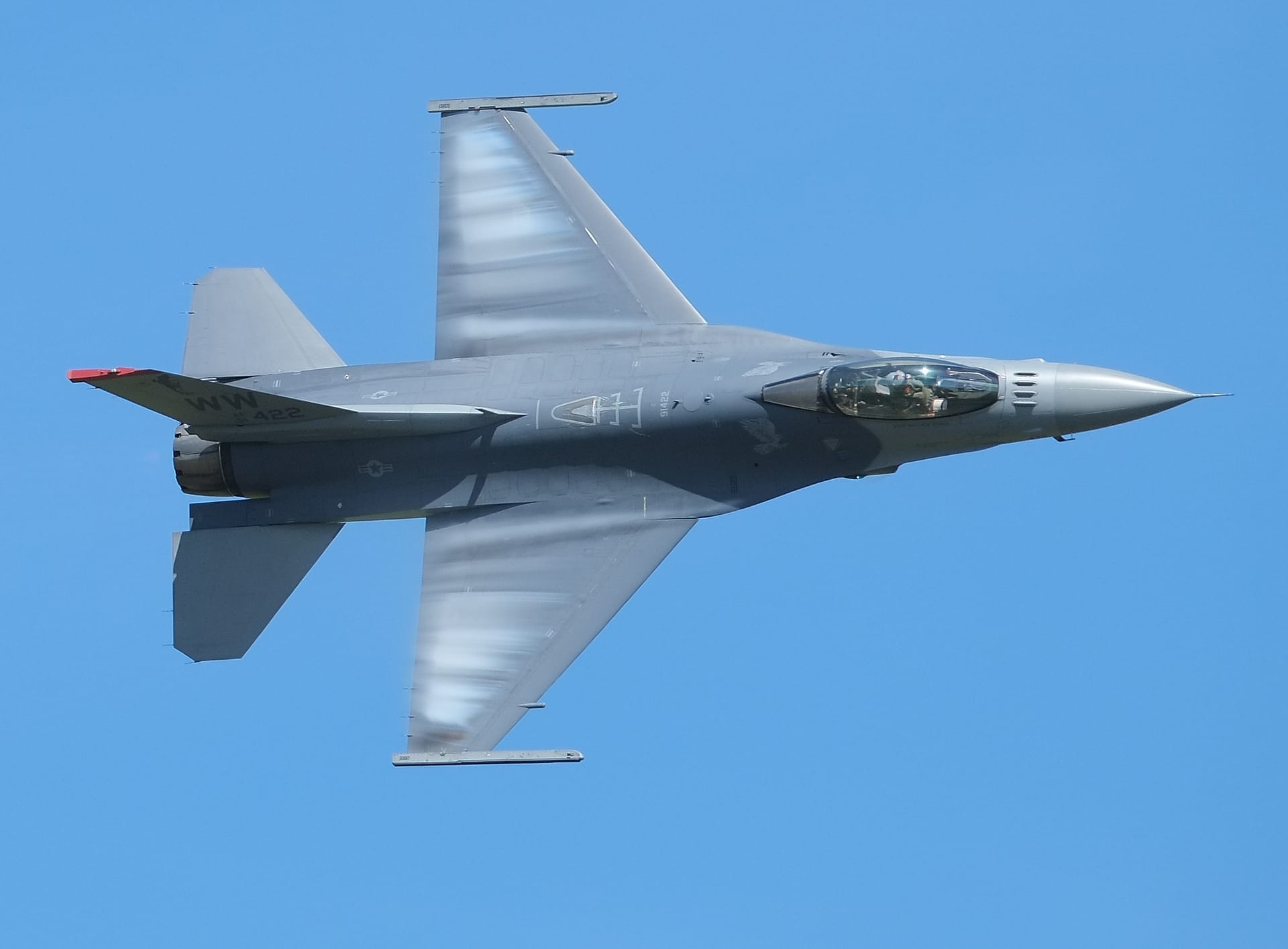
Jeder Kämpfer danach
Nachdem die F-16 das Konzept im Kampfeinsatz unter Beweis gestellt hatte, wurde die Technologie unumgänglich. Die Dassault Mirage 2000 (Erstflug 1978) verwendete analoges Fly-by-Wire-System. Der Eurofighter Typhoon, Dassault Rafale, Saab Gripen, F/A-18E/F Super Hornet, F-22 Raptor und F-35 Die Lightning II-Flugzeuge nutzen alle digitale Fly-by-Wire-Technologie. Ohne diese Technologie wäre die Existenz dieser Flugzeuge undenkbar – jedes ist mit negativen Stabilitätsreserven konstruiert, die einen Flug ohne diese Technologie physikalisch unmöglich machen würden. Die Sukhoi Su-27 Die Familie bietet einen aufschlussreichen Vergleich. Die ursprüngliche Su-27 nutzte ein eingeschränktes analoges Fly-by-Wire-System mit mechanischer Notsteuerung. Spätere Varianten – die Su-30MKI, Su-35S, Und Su-57 – schrittweise auf volldigitales Fly-by-Wire umgestellt, was die Integration von Schubvektorsteuerung und überragende Manövrierfähigkeit bei hohen Anstellwinkeln ermöglichte. Die Stealth-Konstruktion verstärkte diese Abhängigkeit. Die für einen geringen Radarquerschnitt erforderlichen kantigen, facettierten Formen – die F-117, B-2, und die F-22 erzeugen aerodynamische Eigenschaften, die einem stabilen Flug äußerst entgegenwirken. Die B-2 Spirit, ein Nurflügler ohne Seitenleitwerk, ist nur deshalb flugfähig, weil ihre Flugsteuerungscomputer Tausende von Korrekturen pro Sekunde vornehmen.Die Bürgerrevolution
1988 stellte Airbus den A320 vor – das erste Verkehrsflugzeug mit volldigitalem Fly-by-Wire-System. Dieses System ersetzte nicht nur die Kabel, sondern führte auch Flugbereichsbeschränkungen ein, die den Piloten physisch daran hinderten, die strukturellen Grenzen zu überschreiten, einen Strömungsabriss zu verursachen oder eine sichere Kurvenlage zu überschreiten. Der Sidestick ersetzte das Steuerhorn. Boeing verfolgte mit der 777 (1995) einen anderen Ansatz. Auch sie war mit Fly-by-Wire ausgestattet, doch Boeing behielt ein konventionelles Steuerhorn bei und konzipierte das System so, dass Piloten die Schutzfunktionen im Notfall außer Kraft setzen konnten. Die philosophische Debatte zwischen Airbus und Boeing – sollte der Computer oder der Pilot das letzte Wort haben? – wird in der Luftfahrtbranche bis heute geführt. Heutzutage sind praktisch alle neuen Transportflugzeuge mit Fly-by-Wire ausgestattet: A350, 787, C919, MC-21 und Embraer E2. Die Gewichtseinsparungen durch den Wegfall der mechanischen Steuerleitungen im Rumpf sind beträchtlich – bei einem Großraumflugzeug würden die Kabel- und Stangensysteme, die sie ersetzen, mehrere hundert Kilogramm wiegen.Was Fly-by-Wire tatsächlich verändert hat
Die gängige Darstellung präsentiert Fly-by-Wire als schrittweise Verbesserung – den Austausch von Kabeln durch Drähte, wodurch Gewicht eingespart wird. Dies unterschätzt die revolutionäre Wirkung. Fly-by-Wire veränderte das grundlegende Verhältnis zwischen Aerodynamik und Flugzeugkonstruktion. Zuvor war die Form des Flugzeugs durch die Anforderungen an die natürliche Stabilität begrenzt. Danach wurde sie nur noch durch die Anforderungen der Mission bestimmt. Jeder wendige Kampfjet, jedes Tarnkappenflugzeug und jedes treibstoffeffiziente Verkehrsflugzeug, das heute fliegt, existiert, weil ein Computer zwischen Pilot und Physik steht und Absichten schneller in Aktionen umsetzt, als es das menschliche Nervensystem je könnte.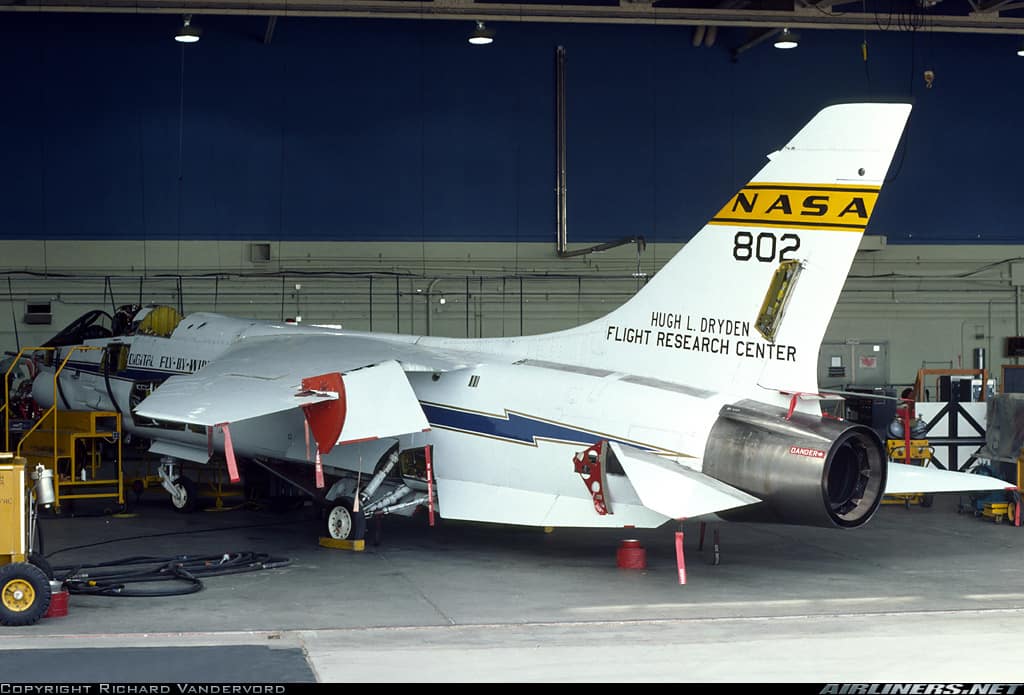
Verwandte Fragen
Was ist Fly-by-Wire?
Fly-by-Wire (FBW) ersetzt die mechanischen Verbindungen (Kabel, Schubstangen, Hydraulikleitungen) zwischen den Bedienelementen des Piloten und den Steuerflächen des Flugzeugs durch elektronische Signale. Bewegt der Pilot den Steuerknüppel, wandeln Sensoren die Eingabe in elektrische Signale um, die von einem Flugsteuerungscomputer verarbeitet und an Aktuatoren weitergeleitet werden, welche die Querruder, das Höhenruder und das Seitenruder bewegen.
Was war das erste Flugzeug mit Fly-by-Wire-Steuerung?
Das erste Flugzeug mit digitalem Fly-by-Wire-System war eine modifizierte F-8 Crusader, die 1972 von der NASA getestet wurde. Das erste Serienmilitärflugzeug mit FBW war die F-16 Fighting Falcon, die 1978 in Dienst gestellt wurde. Der Airbus A320, der 1988 eingeführt wurde, war das erste Verkehrsflugzeug mit vollständiger Fly-by-Wire-Steuerung.
Können Fly-by-Wire-Systeme ausfallen?
Moderne Fly-by-Wire-Systeme (FBW) nutzen dreifache oder vierfache Redundanz – mehrere unabhängige Computer führen dieselben Berechnungen gleichzeitig aus. Fällt einer aus, übernehmen die anderen nahtlos. Einige Flugzeuge verfügen zusätzlich über eine mechanische Notstromversorgung. Die statistische Wahrscheinlichkeit eines vollständigen FBW-Ausfalls ist extrem gering und liegt in der Größenordnung von eins zu einer Milliarde Flugstunden.
Warum erlaubt die Fly-by-Wire-Technologie, dass Flugzeuge absichtlich instabil sind?
Ein aerodynamisch instabiles Flugzeug ist wendiger, da es von Natur aus die Richtung ändern möchte – es benötigt lediglich einen kleinen Anstoß. Der Fly-by-Wire-Computer nimmt tausende winzige Korrekturen pro Sekunde vor, um das Flugzeug stabil zu halten, schneller als es ein Mensch könnte. Dadurch profitiert der Pilot von der Wendigkeitsvorteilen der Instabilität, ohne die Gefahr des Kontrollverlusts zu tragen.
Ähnliche Beiträge
Quellen: NASA Armstrong Flight Research Center, Air & Space Forces Magazine, Simple Flying, F-16.net
0 Kommentare