
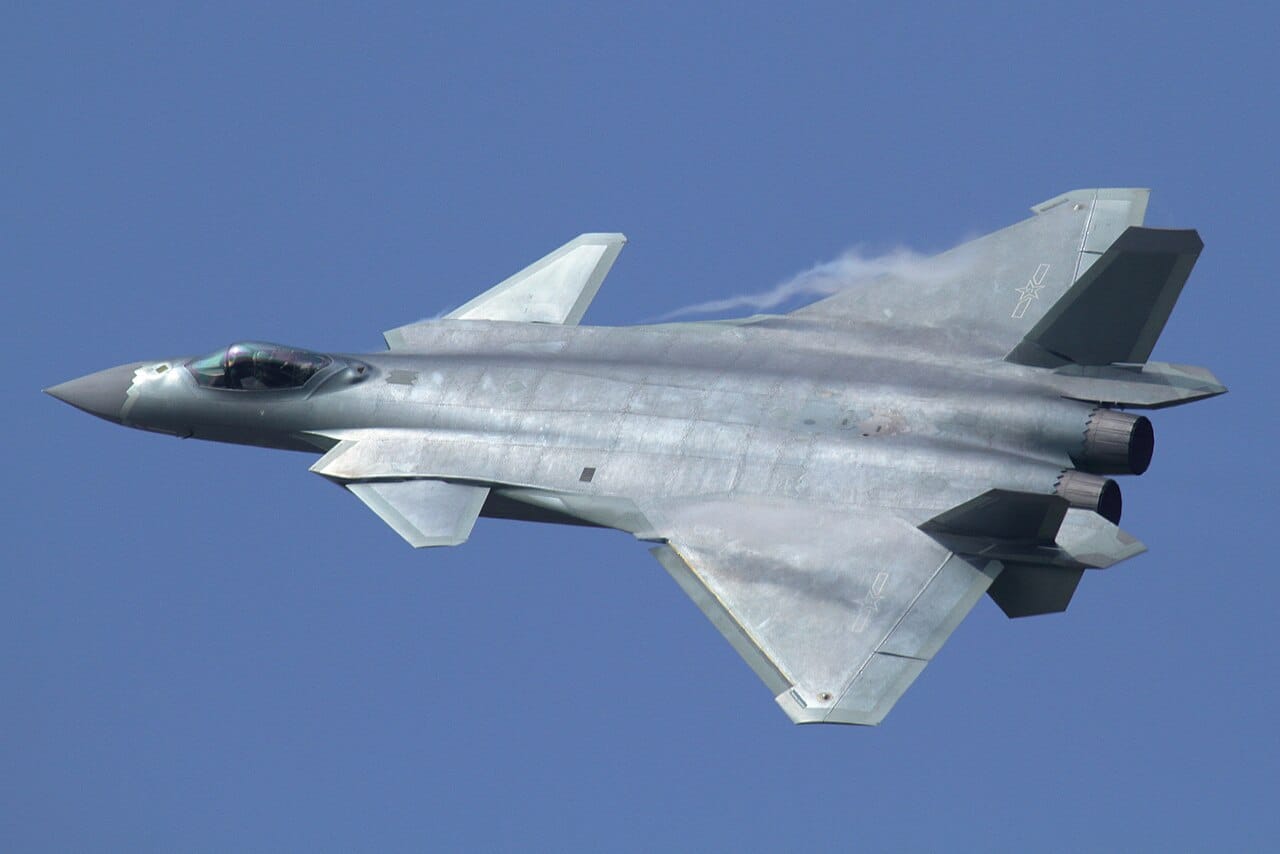
En algún lugar del vasto complejo industrial de defensa de China, se está construyendo un misil que podría cambiar radicalmente la aritmética del combate aéreo sobre el Pacífico. PL-16 El misil aire-aire de largo alcance de próxima generación de Pekín nunca ha sido reconocido oficialmente por la Fuerza Aérea del Ejército Popular de Liberación. No se ha presentado en ninguna rueda de prensa ni se ha publicado ninguna ficha técnica. Sin embargo, la filtración de diagramas técnicos de un seminario para pilotos chinos, imágenes satelitales de campos de pruebas y fragmentos de presentaciones de la industria de defensa han proporcionado a los analistas occidentales información suficiente para reconstruir lo que podría ser el avance más significativo en armamento aire-aire desde que el AIM-120 AMRAAM entró en servicio hace tres décadas.
Si la información que se desprende de esto es correcta, el PL-16 no solo iguala al misil estadounidense de próxima generación, el clasificado AIM-260 JATM, sino que podría superarlo en el aspecto más importante en una guerra aérea en el Pacífico: la cantidad de misiles que un caza furtivo puede transportar en su compartimento de armas sin que su firma de radar se vea afectada.
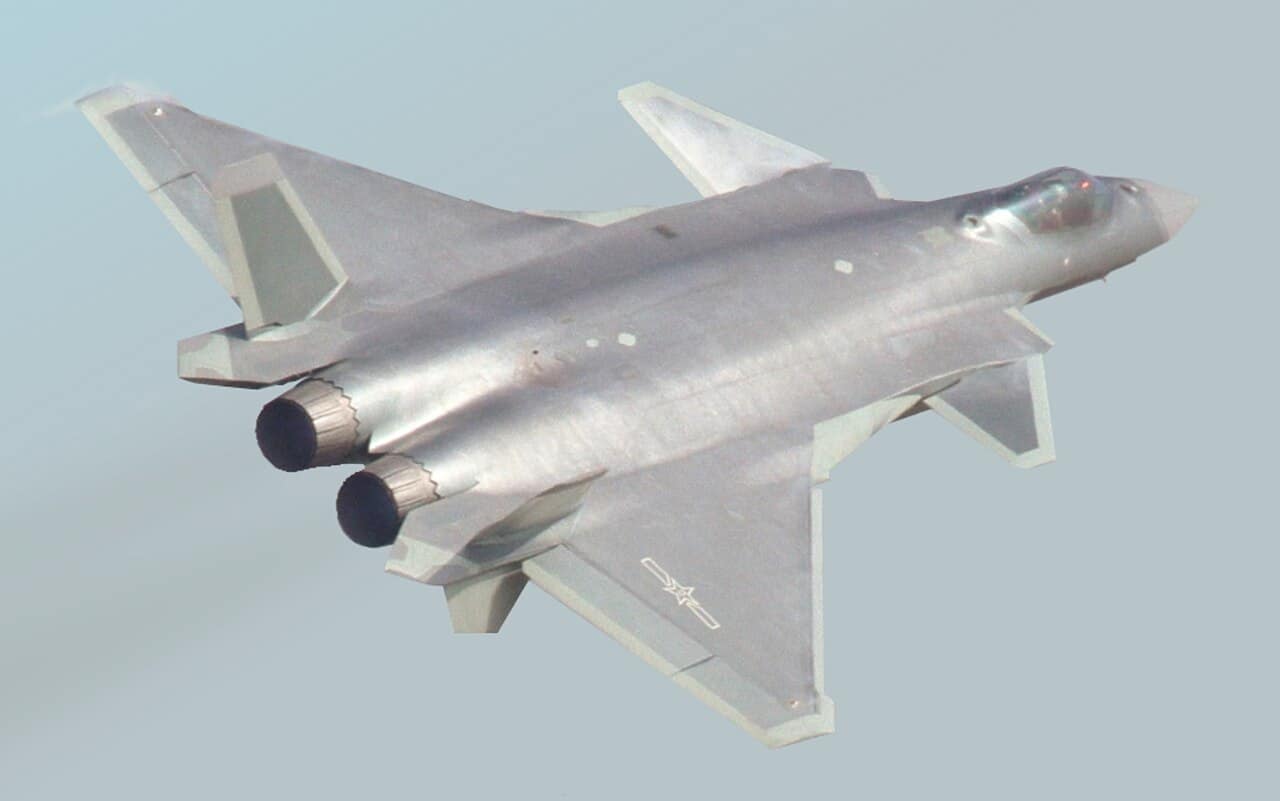
Seis misiles donde antes cabían cuatro.
La innovación más trascendental del PL-16 no es el alcance ni la velocidad, sino el tamaño. El misil de largo alcance más allá del alcance visual de primera línea actual de China, el PL-15, El PL-15 ya es una de las armas aire-aire más capaces del mundo. Con un motor cohete de combustible sólido de doble impulso, un buscador de radar activo y un alcance estimado superior a los 200 kilómetros, el PL-15 demostró su letalidad en mayo de 2025 cuando los aviones de la Fuerza Aérea de Pakistán, armados con la variante de exportación, el PL-15E, lo utilizaron en combate durante los ataques contra la India, el primer despliegue operativo confirmado del misil.
Pero el PL-15 tiene una limitación: el caza furtivo Chengdu J-20 solo puede transportar cuatro de ellos en su bahía de armas interna. El PL-16 resuelve este problema. Al reemplazar las superficies aerodinámicas de la parte media del cuerpo del PL-15 con aletas de control de cola plegables o retráctiles, los ingenieros han producido un misil más delgado que se empaqueta de forma más compacta. Un J-20 que antes transportaba cuatro PL-15 ahora puede transportar seis PL-16 En el mismo volumen interno, lo que supone un aumento del cincuenta por ciento en la capacidad del cargador sin necesidad de compartimentos externos que comprometan la discreción.
Empuje variable: Manteniendo la letalidad a 300 kilómetros
El alcance es la otra cifra principal. Los analistas de defensa estiman que el PL-16 puede atacar objetivos a 200 a 300 kilómetros — y algunas evaluaciones elevan la cifra a 350 kilómetros en condiciones óptimas de lanzamiento (gran altitud, alta velocidad, geometría favorable). La tecnología clave es una motor cohete de combustible sólido de empuje variable que puede modular su perfil de combustión durante el vuelo. En lugar de quemar todo su propulsor en una sola fase de impulso, el motor puede reducir la potencia para alcanzar la velocidad de crucero y luego volver a encenderse para un sprint final, conservando la energía cinética para la fase final cuando el objetivo esté maniobrando para evadirlo.
Este es el mismo concepto de doble impulso que hizo tan efectivo al PL-15, pero perfeccionado y ampliado. Un misil que llega a su objetivo con energía de sobra puede realizar giros más bruscos, tolerar mayores maniobras y mantener una zona de no escape más amplia: el volumen de espacio aéreo dentro del cual un adversario no puede superar en velocidad ni maniobrabilidad al misil entrante, independientemente de lo que haga.
La respuesta estadounidense: AIM-260 JATM
Estados Unidos no se queda quieto. Lockheed Martin Misil táctico avanzado conjunto AIM-260 (JATM) El AIM-260 es la respuesta directa de Estados Unidos a la familia PL-15 y, tras años de desarrollo clasificado, finalmente avanza hacia la producción. Se cree que el AIM-260 iguala o supera el alcance del PL-16 e incorpora un enlace de datos bidireccional que permite al caza lanzador actualizar la puntería del misil en pleno vuelo sin mantener su propio radar apuntando al objetivo, lo que supone una importante ventaja táctica en espacios aéreos disputados.
Sin embargo, el AIM-260 sigue siendo tan sensible que Estados Unidos se ha negado a exportarlo incluso a sus aliados más cercanos. El PL-16, en cambio, se está diseñando desde el principio para integrarse en la creciente gama de plataformas furtivas de China: el J-20, el J-35 embarcado y, potencialmente, el J-36 de próxima generación. Si China logra desplegar el PL-16 en las tres plataformas antes de que el AIM-260 alcance su producción a gran escala, podría obtener una ventaja temporal, pero estratégicamente significativa, en el arsenal de misiles que determina quién controla el espacio aéreo sobre el estrecho de Taiwán y el mar de China Meridional.
Qué significa para una guerra aérea en el Pacífico
The implications are straightforward and sobering. In a beyond-visual-range engagement — the kind of fight that a Pacific conflict would almost certainly produce — the side that can launch more missiles from stealth has a decisive advantage. A flight of four J-20s carrying six PL-16s each puts 24 beyond-visual-range missiles in the air before a single radar return betrays their presence. A comparable flight of four F-35 carrying four AIM-120Ds each can manage only 16, and the AIM-120D's range falls well short of the PL-16's claimed envelope.
Nada de esto es seguro. Las especificaciones del PL-16 aún no se han confirmado. El AIM-260 podría acortar la distancia o incluso superarlo. La guerra electrónica, la fusión de sensores y las tácticas en red influirán en el resultado de cualquier enfrentamiento mucho más que la cantidad de misiles. Pero la tendencia es clara: China está desarrollando un arsenal aire-aire diseñado no solo para competir con la fuerza aérea estadounidense, sino para superarla en alcance más allá del alcance visual, y el PL-16 es la pieza central de esa estrategia. La carrera armamentística de misiles en el Pacífico ya no es una contienda que Estados Unidos pueda dar por ganada.
Preguntas relacionadas
¿Qué es el misil PL-16 de China?
El PL-16 es el misil aire-aire de largo alcance de próxima generación de China, aún no reconocido oficialmente por el Ejército Popular de Liberación. Al utilizar aletas de cola plegables en lugar de superficies centrales, es más delgado que el PL-15, lo que permite que un caza furtivo transporte más misiles internamente.
¿Qué es el misil PL-15?
El PL-15 es el misil aire-aire de largo alcance que China utiliza actualmente. Cuenta con un motor de combustible sólido de doble impulso y un alcance estimado de más de 200 km. Su versión de exportación, el PL-15E, fue utilizada en combate por aviones pakistaníes contra la India en mayo de 2025.
¿Cuántos misiles puede transportar internamente el J-20?
China Caza furtivo Chengdu J-20 Puede transportar cuatro misiles PL-15 en su compartimento interno, pero, según se informa, seis de los PL-16, más delgados, en el mismo espacio, lo que supone un aumento de aproximadamente el 50 por ciento en la capacidad de almacenamiento sin comprometer su sigilo.
¿Cuál es el equivalente estadounidense del PL-16?
El homólogo estadounidense más cercano es el misil clasificado AIM-260 JATM (Joint Advanced Tactical Missile). Ambos forman parte de un impulso más amplio hacia armas aire-aire de mayor alcance, incluido el interés de la Fuerza Aérea en un misil de 1.000 millas.
¿Cuál es el alcance estimado del PL-16?
Los analistas occidentales estiman que el PL-16 puede alcanzar objetivos a una distancia de hasta aproximadamente 300 kilómetros, gracias a un sistema de propulsión de empuje variable que le permite mantener su letalidad a mayor distancia, lo que supone un aumento significativo con respecto a los misiles anteriores.
¿Por qué es importante la capacidad interna de misiles para los cazas furtivos?
Transportar más misiles dentro del fuselaje permite que un caza furtivo ataque múltiples objetivos sin colgar armas debajo de sus alas, lo que aumentaría la firma de radar. Los misiles más delgados como el PL-16 aumentan directamente la cantidad de disparos que un avión como el Los cazas chinos más nuevos puede tomarlo mientras se mantiene sigiloso.

0 Comentarios