
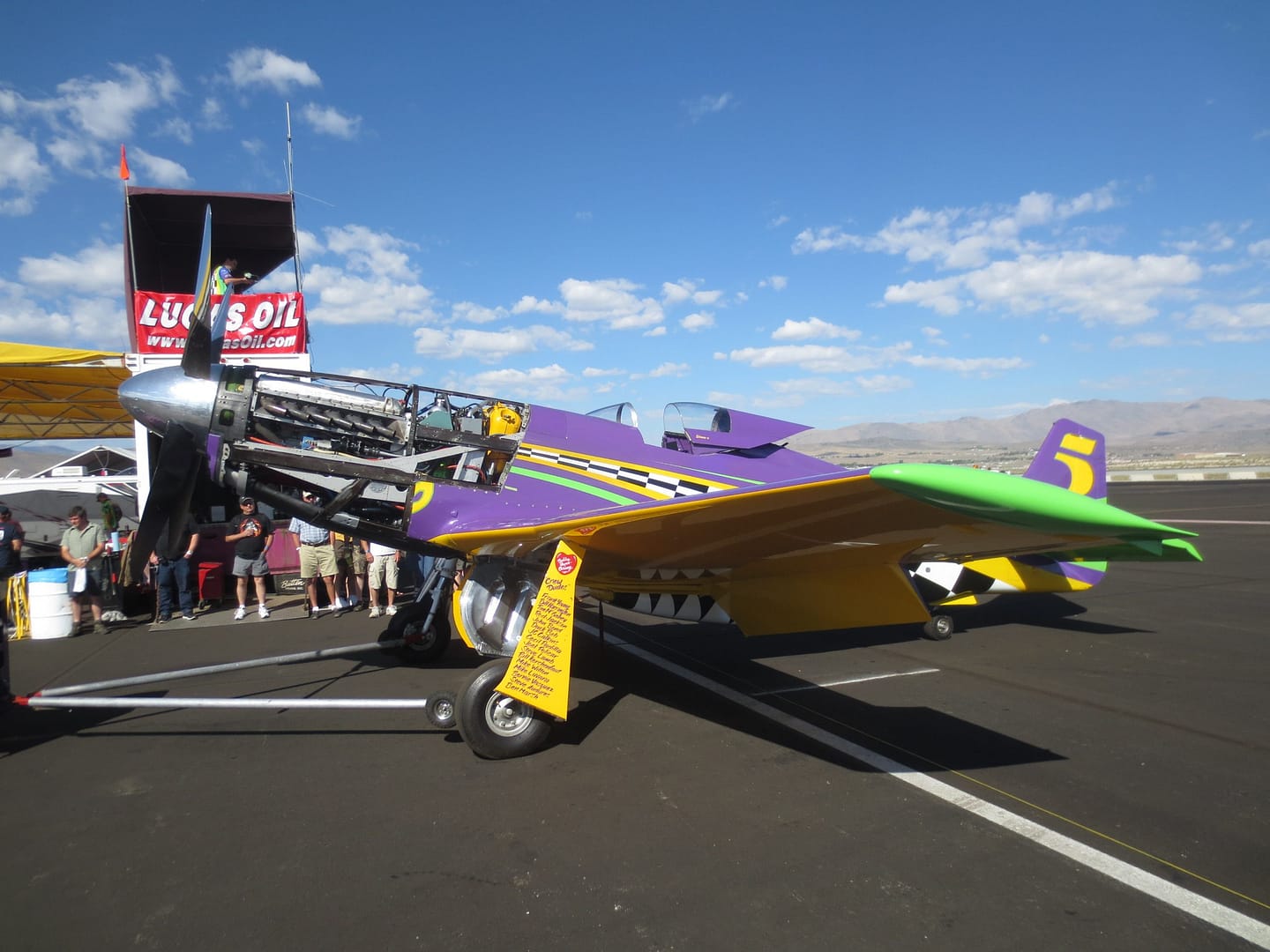
Durante cincuenta y nueve años, cada septiembre, el desierto al norte de Reno se llenaba de un sonido que se sentía en el pecho antes de oírlo: el rugido de los motores Merlin, llevados al límite, de aviones de guerra construidos para combatir el fascismo que ahora sobrevolaban a más de 800 kilómetros por hora junto a pilones a pocos metros de la maleza. Las Carreras Aéreas del Campeonato Nacional se anunciaban como el deporte de motor más rápido del mundo, y no exageraban. En septiembre de 2023, en el aeródromo de Reno-Stead, se celebró su último vuelo.
En la aviación, nada se le parecía. Los coches corren en tierra y todo el mundo puede ver la pista completa. En Reno, el circuito era el cielo mismo: un anillo de pilones de quince metros que los pilotos rodeaban en una maniobra vertiginosa, calculando su trayectoria por intuición, con las puntas de las alas tan cerca que parecían rozar la maleza del desierto.
| Evento | Campeonatos aéreos nacionales |
| Evento | Campo Reno-Stead, Nevada |
| Fundado | 1964, por Bill Stead |
| Clase más rápida | Ilimitado: aviones de guerra modificados de la Segunda Guerra Mundial |
| récord de velocidad | 507 mph (Dago Red, 2003) |
| Carrera final de Reno | Septiembre de 2023 |
| Casa nueva | Roswell, Nuevo México (desde 2025) |
Aviones de guerra, exprimidos
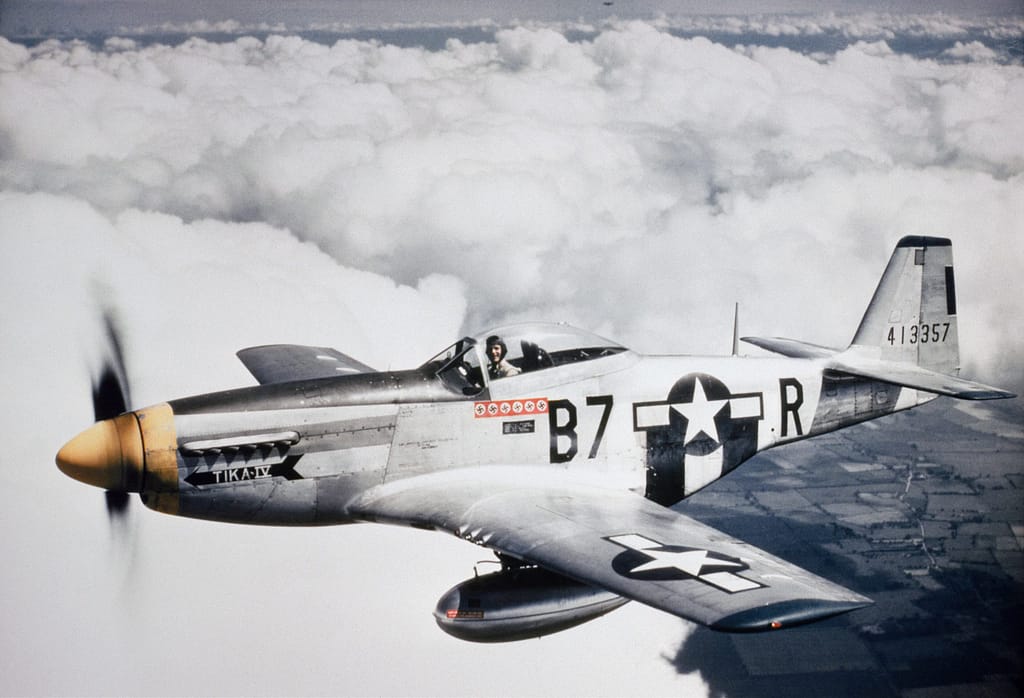
El ranchero y piloto de carreras Bill Stead fundó las carreras en 1964, y desde 1966 vivieron en Reno-Stead, un antiguo campo de la Fuerza Aérea. Seis clases compartieron el cielo a lo largo de las décadas: ágiles coches de Fórmula Uno, biplanos, aviones de entrenamiento T-6, jets, pero el público acudía por los Unlimited. Mustangs P-51, Los Hawker Sea Fury y los Grumman Bearcat, despojados de todo lo que sus diseñadores de tiempos de guerra habían imaginado, rugían por el circuito al límite del control.
En 2003, el Mustang Dago Red modificado estableció un récord de velocidad ilimitada de 507 millas por hora. La clase de aviones a reacción fue aún más rápida. Presenciarlo era como ver a los mejores cazas de la Segunda Guerra Mundial tener una segunda vida, una vida más extraña: no conservados tras las cuerdas de un museo, sino volando al límite de lo que el metal permite.

El costo
Volar a esa velocidad tan cerca del suelo tiene un precio, y Reno lo pagó más de una vez. El día más trágico fue el 16 de septiembre de 2011, cuando un Mustang modificado, apodado Galloping Ghost y pilotado por Jimmy Leeward, de 74 años, se elevó bruscamente durante una carrera, volcó y se estrelló contra la zona de palcos frente a la tribuna principal. Once personas murieron, incluido Leeward, y unas setenta resultaron heridas. Los investigadores determinaron que la pérdida de control se debió a una vibración en el compensador de cola, relacionada con modificaciones no probadas y piezas desgastadas. Sigue siendo uno de los peores desastres aéreos en la historia de Estados Unidos.
Incluso la despedida estuvo marcada por el dolor. El último domingo de septiembre de 2023, dos aviones T-6 Texans colisionaron tras su carrera, causando la muerte de los pilotos Nick Macy y Chris Rushing. Las carreras restantes fueron canceladas. La comunidad que se había reunido para dar la bienvenida a los pilotos, lo hizo en señal de duelo.
Una era termina, otra comienza
El fin de Reno no se debió a un solo accidente. La ciudad había crecido hacia el aeropuerto; el espacio aéreo, las exigencias de seguridad y la viabilidad económica ya no eran viables. En marzo de 2023, la Asociación de Carreras Aéreas de Reno anunció que ese año sería el último en Stead.
Las carreras no desaparecieron. Tras una búsqueda a nivel nacional, encontraron un nuevo hogar en Roswell, Nuevo México —un campo abierto con espacio para respirar— y volaron allí por primera vez en septiembre de 2025. Los pilones siguen en pie, los Mustangs siguen corriendo. Pero algo del antiguo Reno, la catedral de la velocidad en el desierto, se quedó en Nevada.
Fuentes: Reno Air Racing Association; AOPA; NTSB (informe AAB-12/01); AVweb (2023–2025).

0 Comentarios