
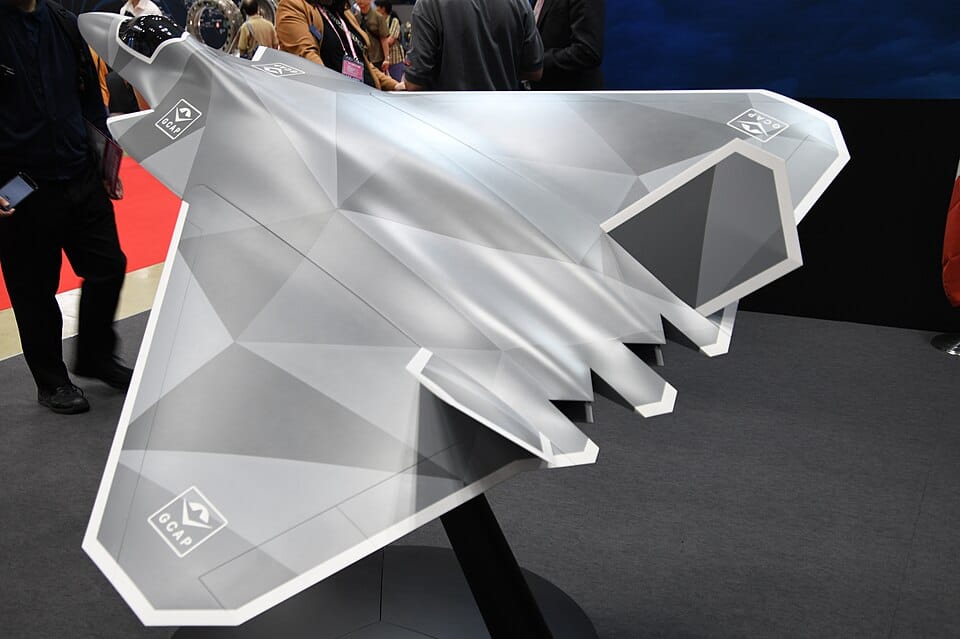
Quick Facts: GCAP
- Partner: UK (BAE Systems), Japan (Mitsubishi Heavy Industries), Italy (Leonardo)
- UK commitment: £8.6 billion over the next four years
- Demonstrator flight target: 2027
- In-service date: 2035
- Sostituisce: Eurofighter Typhoon (UK/Italy), Mitsubishi F-2 (Japan)
- Key features: AI-integrated sensors, optional crewing capability, loyal wingman integration
Why £8.6 Billion Matters Now
The funding announcement comes after a turbulent period for European defence. With NATO allies scrambling to meet spending targets and the geopolitical landscape shifting rapidly, London's decision to lock in long-term funding sends a signal far beyond Whitehall. Germany and Saudi Arabia have both expressed interest in joining the programme, while Canada has taken an observer role. The four-year funding commitment ensures that the critical concept and design phase — where most programmes either succeed or collapse — has guaranteed money behind it. BAE Systems, the UK industrial lead, will anchor the work at its Warton facility in Lancashire, sustaining thousands of high-skill engineering jobs.A Fighter for Three Nations
GCAP is not simply a joint purchase — it is a joint design. Japan brings its expertise in advanced materials and stealth shaping from the X-2 Shinshin technology demonstrator. Italy contributes Leonardo's sensor fusion and electronic warfare pedigree. The UK provides BAE's combat aircraft integration experience, honed across decades of Typhoon and Tempest development.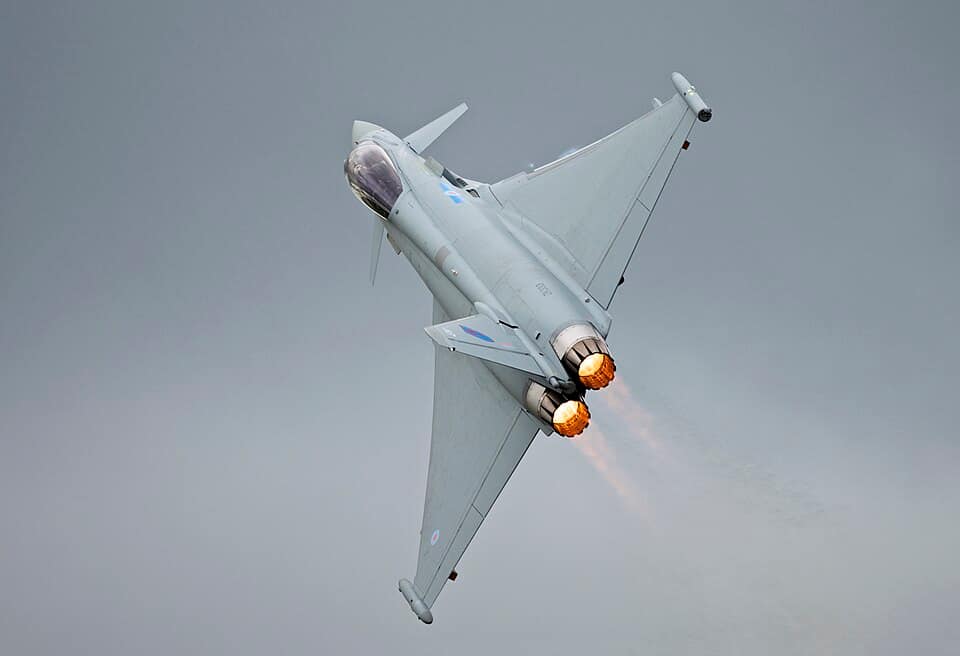
The Strategic Calculus
For the UK, GCAP is also an insurance policy. With the F-35 programme firmly under American control and AUKUS focused on submarines, Britain needs a combat aircraft it can export, modify, and sustain without Washington's permission. GCAP offers that — provided the three partners can hold the coalition together through the inevitable technical and political headwinds ahead. The programme's success will be measured not just in specifications, but in whether three nations with very different defence cultures can build a fighter on time and on budget. History is not encouraging — Eurofighter took 23 years from requirement to operational capability. GCAP's backers insist they have learned those lessons. The £8.6 billion says they mean it.Sources: UK Ministry of Defence, BAE Systems, Reuters, Janes, Nikkei Asia
Domande correlate
Che cos'è GCAP?
GCAP, the Global Combat Air Programme, is a sixth-generation fighter jointly developed by the UK (BAE Systems), Japan (Mitsubishi Heavy Industries) and Italy (Leonardo). It is planned to enter service in 2035 and is backed by a multi-billion-pound industrial commitment.
When will GCAP enter service?
GCAP is targeted to enter service in 2035, with a flying demonstrator planned for 2027. A four-year UK funding commitment is meant to guarantee money through the critical concept and design phase.
Which countries are building GCAP?
The UK, Japan and Italy are the core partners. Germany and Saudi Arabia have expressed interest in joining, while Canada has taken an observer role, making GCAP one of the world’s largest sixth-generation fighter efforts.
What will GCAP replace?
GCAP will replace the Eurofighter Typhoon in UK and Italian service and the Mitsubishi F-2 in Japan. It contrasts with Europe’s rival FCAS/NGF program, which has faced major setbacks.
How much is the UK investing in GCAP?
The UK has pledged £8.6 billion over four years for GCAP. BAE Systems anchors the work at its Warton facility in Lancashire, sustaining thousands of high-skill engineering jobs.
What features will GCAP have?
GCAP is designed with AI-integrated sensors, optional crewing (it can fly with or without a pilot), and integration with loyal-wingman drones. These features mirror other sixth-generation efforts such as the U.S. Navy’s F/A-XX program.
What does sixth-generation fighter mean?
A sixth-generation fighter goes beyond stealth to add features like AI-assisted sensor fusion, optional crewing, and control of accompanying drones. GCAP, bringing together UK, Japanese and Italian technology, is one of the leading examples in development.
Post correlati
0 Commenti