
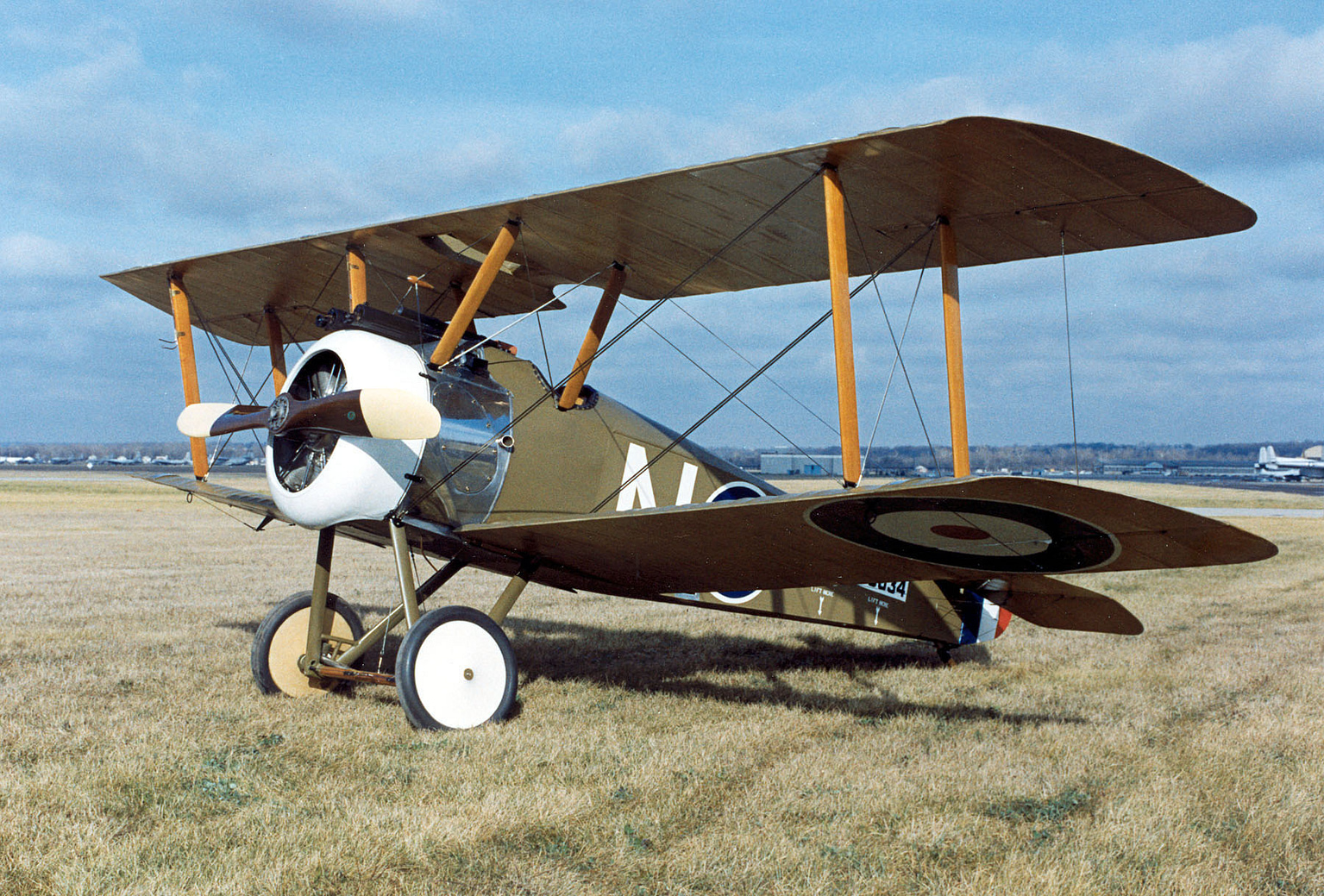
Sopwith Camel
“The hump-backed ace-maker”
The iconic British First World War fighter: a short, twitchy, rotary-engined biplane named for the “hump” over its twin Vickers guns. Vicious to the unwary and supremely agile in the right hands, it is commonly credited with shooting down more enemy aircraft than any other Allied fighter of the war — roughly 1,290 or more.
The Sopwith Camel: how a hump-backed biplane became the war’s deadliest fighter
By 1917 the Sopwith Aviation Company of Kingston upon Thames already had a hit on its hands with the gentle, well-mannered Sopwith Pup. Its chief designer, Herbert Smith, was asked for something harder-hitting. The answer, which first flew in December 1916 and reached squadrons from mid-1917, was officially the Sopwith F.1 — but everyone called it the Camel, after the metal “hump” fairing over the breeches of its twin machine guns.
The Camel packed a great deal into a tiny, tail-heavy airframe. Engine, guns, pilot and fuel were all crammed into the front seven feet, and up front spun a rotary engine — a Clerget, Bentley or Le Rhône of roughly 110 to 150 horsepower whose entire cylinder mass rotated with the propeller. That spinning mass produced a fierce gyroscopic torque: the Camel turned right almost viciously fast and climbed in a right turn, while a mishandled left turn could flick a novice into a fatal spin. Pilots said it offered a choice between “a Camel, a Red Cross, or a coffin.” Mastered, though, it was the most agile dogfighter of its day.
Armed with two synchronised .303 in Vickers guns firing through the propeller, the Camel arrived just as the air war grew brutal. It is commonly credited with downing around 1,290 or more enemy aircraft — more than any other Allied fighter of the war, though such wartime totals are contested and should be read as estimates. It flew with the RFC, the RNAS and, from 1 April 1918, the Royal Air Force, as well as American, Belgian and other units. A navalised 2F.1 “Ship Camel” flew from platforms on warships and from towed lighters, and specialised night-fighter and ground-attack versions appeared late in the war. Roughly 5,490 were built before the type was retired in 1920 — a machine so embedded in memory that, decades later, a cartoon beagle would fly one against the Red Baron.
01Why the Sopwith Camel exists: from the gentle Pup to a harder-hitting fighter
The Camel was Herbert Smith’s successor to the Sopwith Pup and Triplane. Where the Pup was forgiving and lightly armed, the Camel doubled the firepower to two Vickers guns and concentrated its masses tightly around the centre of gravity for maximum manoeuvrability. The result was less a refinement than a different animal: harder to fly, but far more dangerous to the enemy.
The name was never official. The metal fairing humped over the gun breeches to protect them from freezing gave the aircraft its nickname, and “Camel” stuck so firmly that it eclipsed the formal “Sopwith F.1” designation entirely.
02The Sopwith Camel and the Red Baron: what really happened on 21 April 1918
On 21 April 1918 the German ace Manfred von Richthofen — the “Red Baron” — was killed while pursuing a Camel low over the Somme. The Canadian Camel pilot Captain Arthur Roy Brown was officially credited with the victory, but most historians now conclude that the single fatal bullet came from Australian ground fire rather than from Brown’s guns. It remains one of aviation’s most debated moments — and a reminder that Camel claims, like all air-war figures of 1914–1918, carry genuine uncertainty.
How the Sopwith Camel works: rotary engine, twin guns and knife-edge agility
A rotary engine and its gyroscopic torque
The Camel’s rotary engine — a Clerget, Bentley BR1 or Le Rhône of roughly 110–150 hp — spun its whole cylinder block around a fixed crankshaft. That heavy spinning mass created strong gyroscopic precession: the aircraft snapped into right-hand turns and resisted left ones. Deadly to the untrained, it gave skilled pilots an unmatched ability to reverse direction in a dogfight.
Twin Vickers guns under the “hump”
Two fixed .303 in (7.7 mm) Vickers machine guns sat directly in front of the pilot, synchronised to fire through the propeller arc. The metal fairing humped over their breeches — partly to shield them from the freezing slipstream — gave the Camel its name and its distinctive silhouette.
Everything packed into seven feet
Engine, guns, fuel tank and pilot were concentrated in the forward seven feet of the fuselage, close to the centre of gravity. This made the Camel tail-heavy and twitchy in pitch, but exceptionally quick to manoeuvre — the design trade that defined how it flew and fought.
03The Sopwith Camel’s flying character: agility bought with danger
The same concentrated mass and rotary torque that made the Camel agile also made it unforgiving. A botched turn on take-off or a stall in a left bank could drop a low-hour pilot into a fatal spin, and training losses were heavy. Contemporary accounts held that the Camel killed a significant number of its own pilots in accidents — a figure often quoted but hard to verify precisely.
In experienced hands the picture reversed. The Camel could out-turn almost anything it met, and its right-hand turn became a signature combat move. Its ideal fighting altitude was low to medium; higher up, where the thin air sapped its rotary engine, it was outclimbed by newer designs.
04Sopwith Camel variants: the F.1, the naval 2F.1 Ship Camel and the night-fighter “Comic”
The standard land fighter was the F.1. The 2F.1 “Ship Camel” had a slightly shorter span, a detachable rear fuselage for shipboard stowage and revised armament, and operated from platforms on warships and from towed lighters. A night-fighter conversion nicknamed the “Comic” moved the guns to the upper wing to keep muzzle flash out of the pilot’s eyes, while dedicated ground-attack Camels carried small bombs for trench-strafing.
05Who built the Sopwith Camel: Sopwith Aviation and its wartime sub-contractors
The Camel was designed by the Sopwith Aviation Company, but wartime demand meant most airframes were built by sub-contractors — firms such as Boulton & Paul, Ruston Proctor, Clayton & Shuttleworth, Hooper and others — while Sopwith itself concentrated on design and development. Around 5,490 Camels of all versions were completed.
Sopwith Camel specifications: dimensions, performance and cost
Airframe & weights
- Bemanning
- 1 (pilot)
- Role
- Single-seat fighter (biplane)
- Lengte
- 5.72 m (18 ft 9 in)
- Spanwijdte
- 8.53 m (28 ft 0 in)
- Hoogte
- 2.59 m (8 ft 6 in)
- Vleugelgebied
- ~21.5 m2 (231 sq ft)
- Leeggewicht
- ~422 kg (930 lb)
- Loaded weight
- ~660 kg (1,455 lb)
- Number built
- ~5,490 (all variants)
Powerplant, performance & cost
- Powerplant
- 1 x rotary; typically Clerget 9B, Bentley BR1 or Le Rhone 9J
- Power
- ~96–110 kW (110–150 hp), depending on engine
- Max speed
- ~185 km/h (115 mph) at low altitude
- Serviceplafond
- ~5,790 m (19,000 ft)
- Endurance
- ~2.5 hours
- Bewapening
- 2 x fixed synchronised .303 in (7.7 mm) Vickers machine guns; light bombs on ground-attack versions
- Victories claimed
- commonly credited with ~1,290+ enemy aircraft (contested wartime estimate)
- Unit cost
- contemporary 1917–18 cost not consistently recorded; several hundred pounds sterling per airframe (estimate)
- Cost per flight hour
- no meaningful modern figure exists — no original Camel is airworthy today, and reproduction operating costs are not publicly standardised
06Sopwith Camel variants: F.1, 2F.1 Ship Camel, night-fighter and trench-fighter
F.1 — the standard single-seat land fighter, built in the thousands.
2F.1 Ship Camel — the naval version, with a shorter span and a detachable rear fuselage, flown from warship platforms and towed lighters.
Night-fighter (“Comic”) — guns relocated to the upper wing to spare the pilot’s night vision from muzzle flash, used against night bombers over Britain.
Ground-attack (T.F.1 trench-fighter and bomb-armed F.1) — Camels carrying small bombs for low-level attacks on trenches and troops late in the war.
07The Sopwith Camel’s costs: what it cost then, and why there is no flight-hour figure now
Contemporary First World War procurement figures for the Camel are not consistently recorded, but an airframe plus engine ran to several hundred pounds sterling in 1917–18 — treat any single number as an estimate.
There is no meaningful modern cost-per-flight-hour figure for a Sopwith Camel: no original example is airworthy today, and the handful of museum-grade reproductions that do fly are private or institutional aircraft whose running costs are not publicly standardised. Any quoted hourly rate would be speculation.
The Sopwith Camel: a timeline from first flight to museum piece
A new Sopwith fighter flies
Herbert Smith’s new Sopwith F.1 fighter, successor to the Pup, makes its first flight in December.
The Camel goes to war
The Camel enters service with the RFC and RNAS from mid-1917 and quickly proves a formidable dogfighter on the Western Front.
The naval Ship Camel
The navalised 2F.1 “Ship Camel” is developed to fly from platforms on warships and from towed lighters.
The Royal Air Force is born
On 1 April the RFC and RNAS merge into the Royal Air Force; Camels serve in air combat, night defence and ground attack.
A Camel downs a Zeppelin
In August a lighter-launched 2F.1 flown by Lt Stuart Culley climbs to intercept and destroy the Zeppelin L 53 over the North Sea.
Most victories of any Allied fighter
By the Armistice the Camel is commonly credited with more aerial victories than any other Allied fighter of the war.
The Snipe takes over
With the war over, the Camel is rapidly withdrawn as newer fighters such as the Sopwith Snipe take over.
Out of frontline service
The Camel leaves RAF frontline service; a few examples soldier on briefly with other nations.
Museums and reproductions
Original Camels survive in museums, and airworthy reproductions fly at airshows — but none is bookable as a passenger flight.
The Sopwith Camel in action: notable missions, variants and legends
Why it is called the “Camel”
A metal hump over the guns gave the fighter its nickname.
Read the full account
The turn that made the Camel deadly
Rotary torque let a skilled pilot reverse direction in an instant.
Read the full account
“A Camel, a Red Cross, or a coffin”
The fighter was as dangerous to novices as to the enemy.
Read the full account
The Camel and the death of Richthofen
A Camel drew the Red Baron into his last, fatal pursuit.
Read the full account
Flying fighters off warships and lighters
The naval 2F.1 took the Camel to sea.
Read the full account
The Camel that shot down an airship
A lighter-launched Camel destroyed the Zeppelin L 53.
Read the full account
Trench-strafing in the last year of the war
Camels carried bombs low over the battlefield.
Read the full account
A night-fighter with guns on the wing
The Camel defended Britain against night raiders.
Read the full account
The pilots who scored on the Camel
Many top Allied aces built their tallies in Camels.
Read the full account
The beagle who flew a Camel
The Camel became one of aviation’s most famous names.
Read the full account
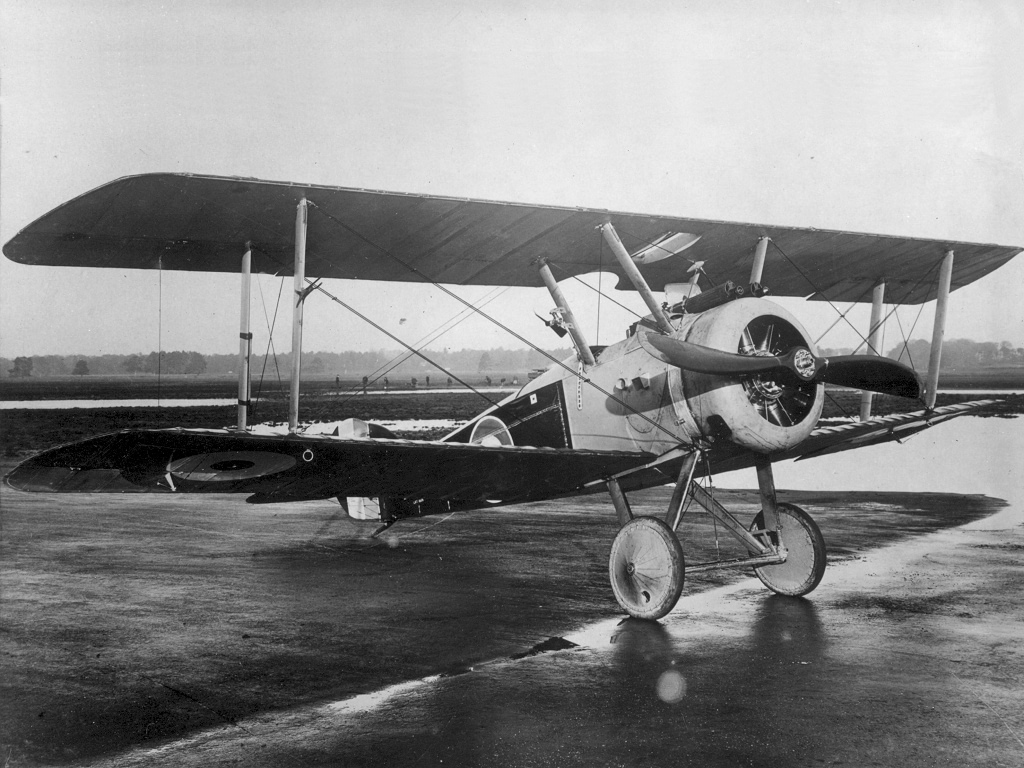
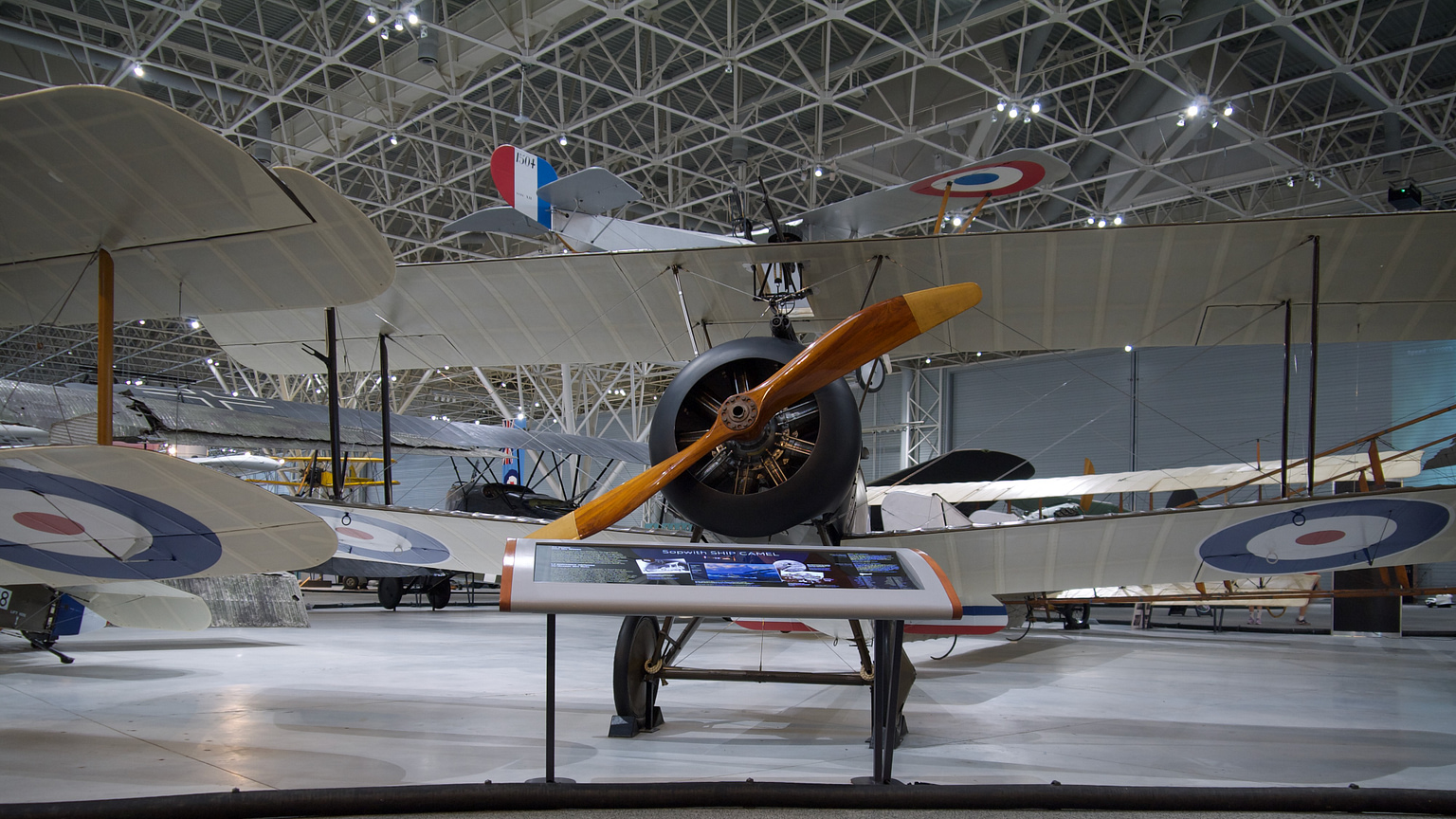
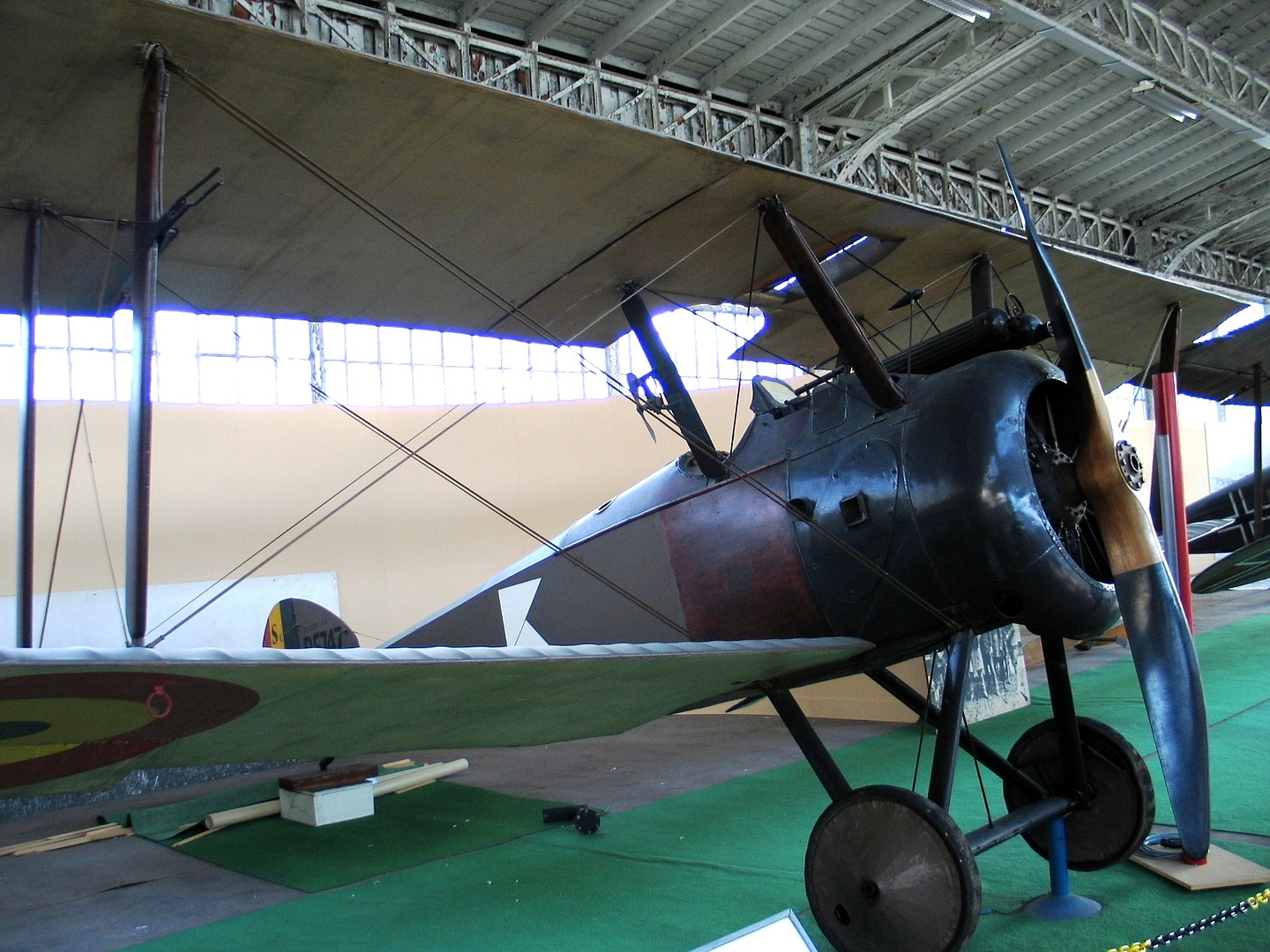
Sopwith Camel photos: the WWI fighter up close
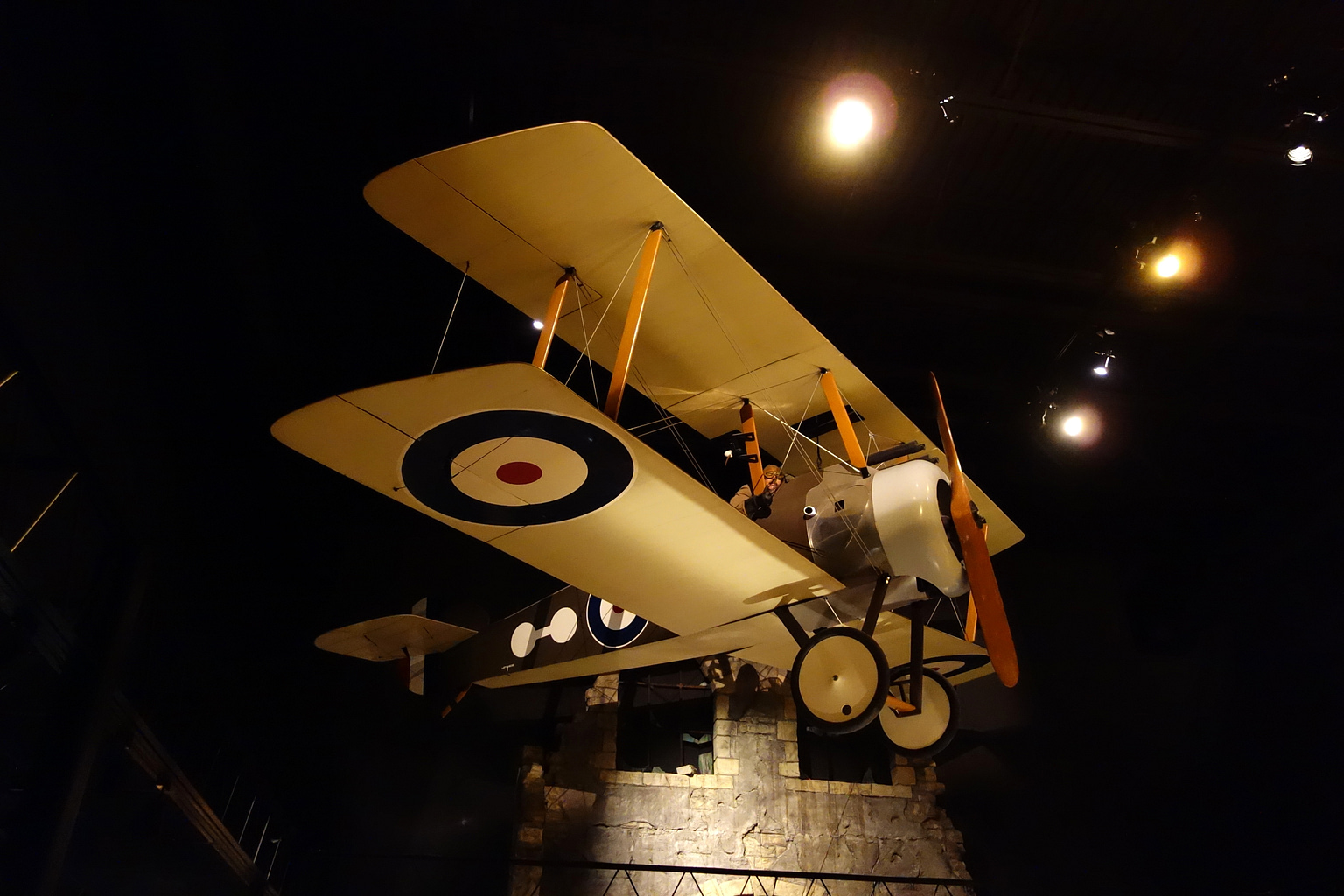
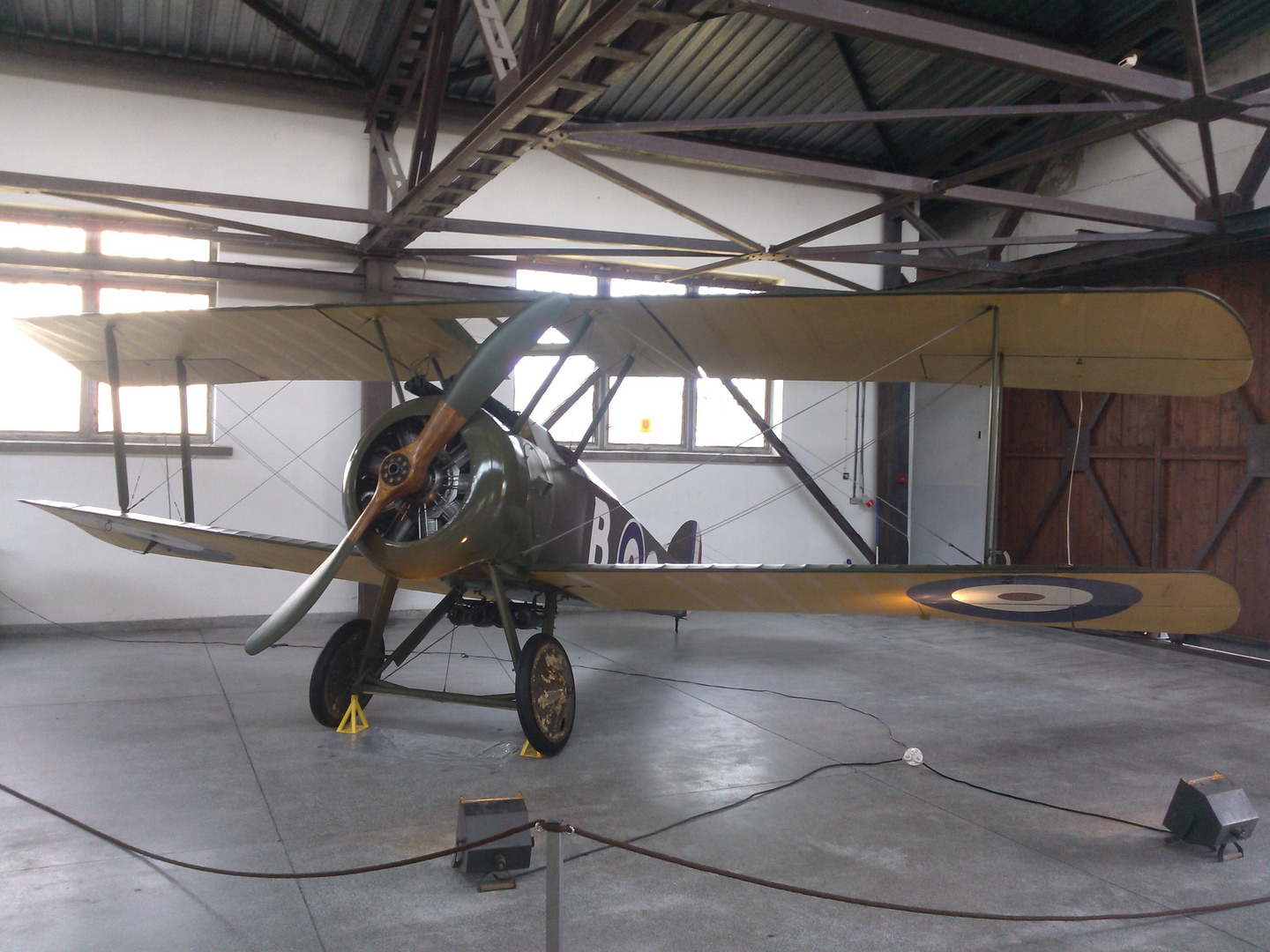
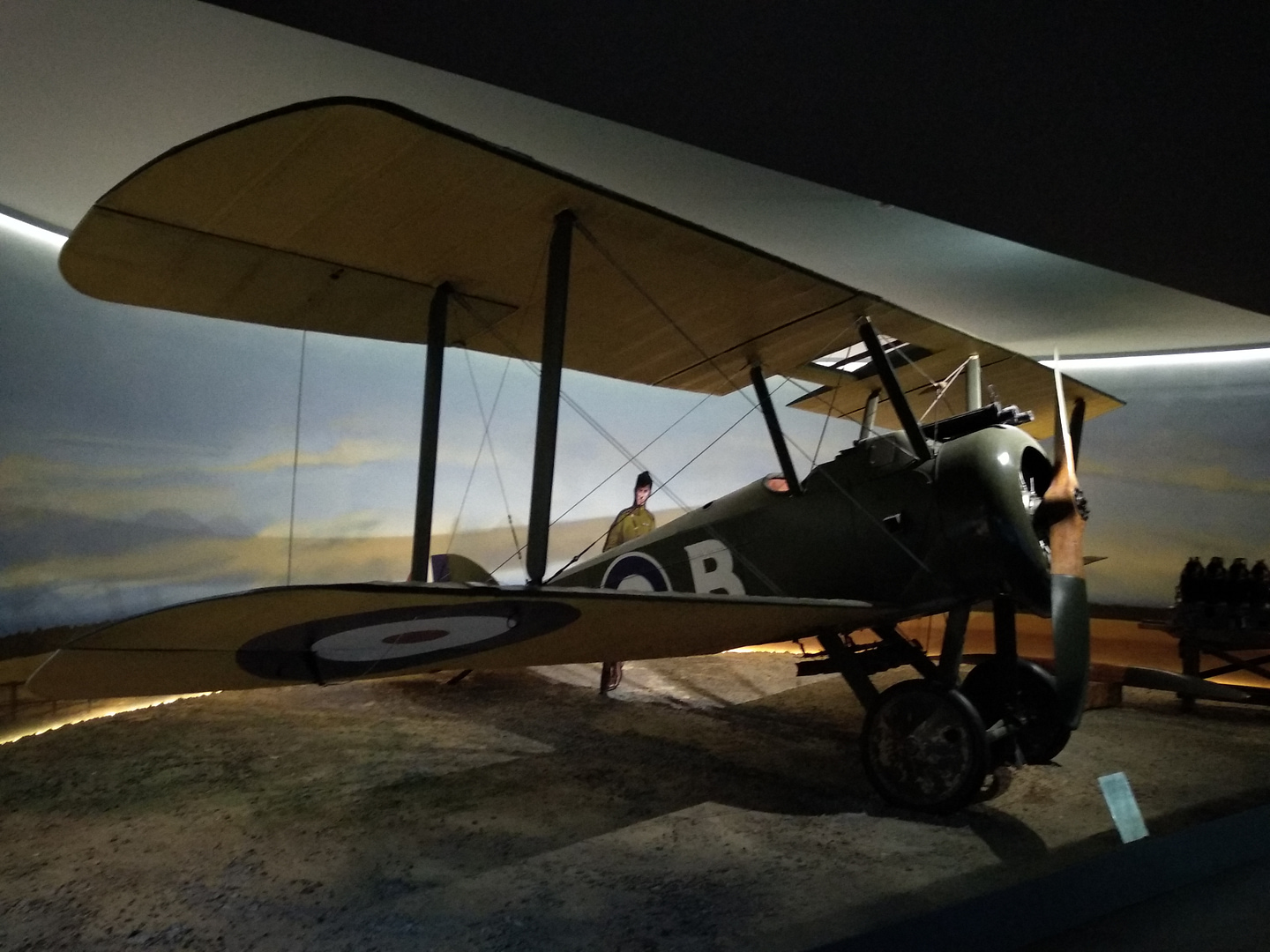
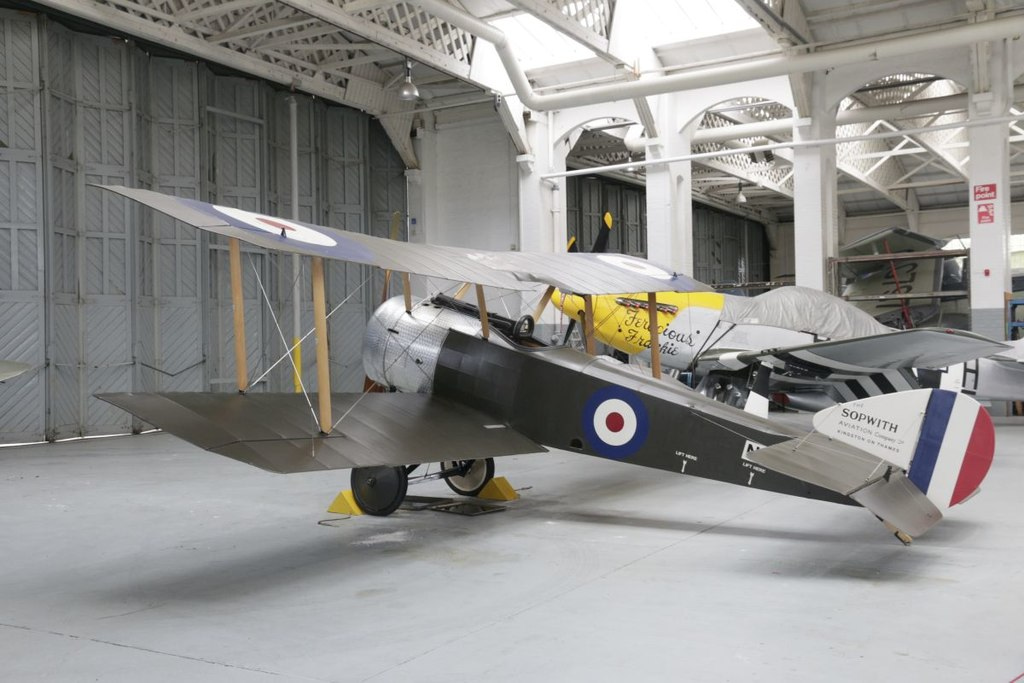
The Sopwith Camel on screen: a genuine rotary engine runs again
Historical Aviation Film Unit — “WW1 Sopwith Camel With Original Rotary Engine” (over 1.2 million views): a surviving Sopwith Camel started and run on its original rotary engine, capturing the sound and vibration that defined how the type flew and fought.
Where the Sopwith Camel flew: origin, combat use and surviving airframes
The Sopwith Camel in combat: the war’s most successful Allied fighter
From mid-1917 to the Armistice, the Sopwith Camel was at the centre of the air war over the Western Front — dogfighting, escorting, defending Britain by night and strafing trenches by day. It is commonly credited with downing more enemy aircraft than any other Allied fighter of the First World War, though wartime victory totals are contested and should be treated as estimates.
Compare the Explore the combat record of every military aircraft. Data as of July 2026.
Sopwith Camel: frequently asked questions
Can I fly in a Sopwith Camel?
What is the Sopwith Camel?
Why is it called the Camel?
Why was the Sopwith Camel so hard to fly?
How many enemy aircraft did the Sopwith Camel shoot down?
Did a Sopwith Camel shoot down the Red Baron?
What engine did the Sopwith Camel use?
What was the naval Sopwith 2F.1 Ship Camel?
How many Sopwith Camels were built?
Are there any Sopwith Camels left?
You can’t fly the Sopwith Camel.
These, you can.
Some legends only live in museums — others are fuelled and waiting. MiGFlug has put civilians in real military jet cockpits since 2004.
 Fly the L-39 AlbatrosThe world’s most-flown jet trainer — aerobatics included
 Fly the F-104 Starfighter“The missile with a man in it”
 Fly the MiG-21The Cold War’s most-produced jet
 Vlieg met de T-33 Shooting StarAmerica’s first jet trainer
 Fly the DH VampireA piece of early jet history
 Fly the S.211Agile Italian jet trainer
 Fly the MB-326The classic Aermacchi jet
 Fly the MiG-15The Soviet legend of the Korean War
More from the Military Aircraft Encyclopedia
Sopwith Camel: sources & further reading
- Royal Air Force MuseumRoyal Air Force Museum — Sopwith Camel history, surviving airframes and RFC/RAF context.
- Imperial War MuseumsImperial War Museums — First World War aircraft, the air war and the Camel in service.
- Smithsonian National Air and Space MuseumSmithsonian National Air and Space Museum — Sopwith Camel and early fighter aviation.
- Canada Aviation and Space MuseumCanada Aviation and Space Museum — the original naval Sopwith 2F.1 Ship Camel N8156.
- The Shuttleworth CollectionThe Shuttleworth Collection — airworthy First World War aircraft and Camel reproductions.
- Old Rhinebeck AerodromeOld Rhinebeck Aerodrome — flying First World War reproductions in the United States.
- Royal Museum of the Armed Forces, BrusselsRoyal Museum of the Armed Forces, Brussels — a preserved Sopwith Camel in Belgium.
- MiGFlug AfterburnerMiGFlug Afterburner — the magazine behind this encyclopedia, on military aviation and flying real fighters.
Hero and gallery photography: U.S. Air Force / NASA, public domain. Combat statistics as of July 2026. Spotted an error? Every page in the Aircraft Museum is fact-checked before publication — write to us and we’ll correct it.