
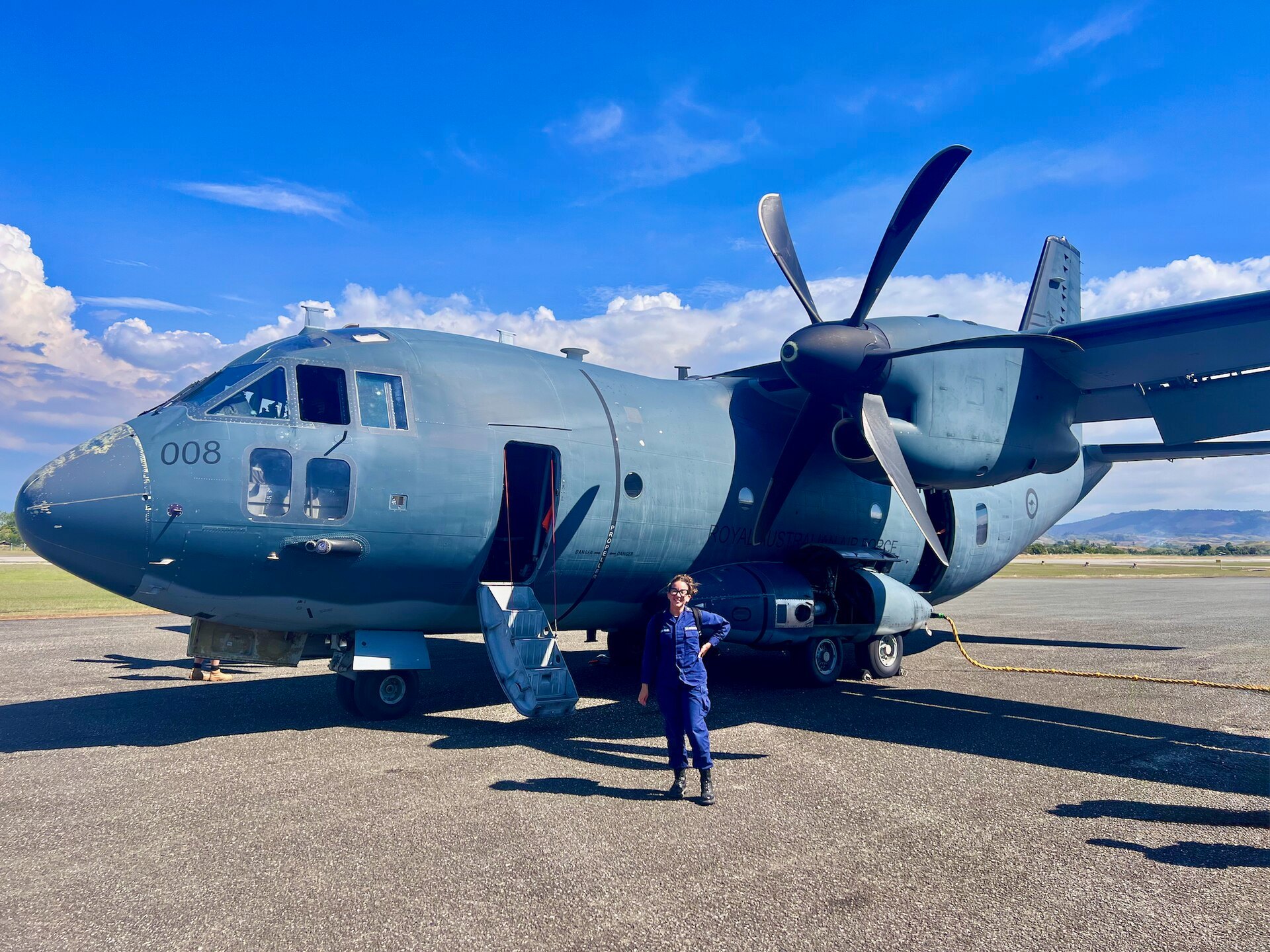
Leonardo C-27J Spartan
The Baby Hercules
Italy’s G.222 reborn with C-130J engines and avionics: a fast, agile tactical airlifter that flew combat airlift in Afghanistan, was dropped by the US Air Force and now serves twenty air forces.
The C-27J Spartan: how an Italian transport was reborn with Hercules power
The C-27J’s story starts with a NATO requirement of the early 1960s for a vertical take-off transport. Fiat Aviazione, with a design team led by Giuseppe Gabrielli, the engineer behind the Fiat G.91, proposed a twin-turboprop with lift engines. The lift engines were soon dropped, and what emerged was the G.222, a conventional but exceptionally robust short-field transport with a box-section fuselage, rear ramp and General Electric T64 engines. The prototype flew in 1970, and the Italian Air Force took it into service in 1978. In all about 110 were built, for Italy, Argentina, Venezuela, Nigeria, Thailand and others, including Tyne-powered G.222Ts for Libya and ten C-27As for the US Air Force in Panama.
In the 1990s, Alenia and Lockheed Martin saw a way to transform it. They would marry the G.222 airframe to the propulsion and avionics of the new C-130J Super Hercules: Rolls-Royce AE2100 turboprops of more than 4,600 shp with six-blade Dowty propellers, a glass cockpit and a cargo system compatible with the Hercules. The joint company LMATTS was formed in 1997, and the C-27J flew on 24 September 1999. Compared with the G.222 it offered about 35 per cent more range and a 15 per cent faster cruise, and a cruise speed above 300 knots that few twin-turboprop transports can match. The combination gave a small transport the heart of a Hercules, and earned it the nickname Baby Hercules among crews.
In 2007 the C-27J won the US Joint Cargo Aircraft competition for 78 aircraft, and in 2011 Ohio Air National Guard crews flew it in combat in Afghanistan. Then budget cuts struck: the US Air Force retired its fleet almost immediately, some aircraft going straight to the desert, before 14 went to the US Coast Guard as the HC-27J and seven to Special Operations Command. Meanwhile Italy, Greece, Romania, Bulgaria, Lithuania, Australia, Mexico, Peru, Morocco, Kenya, Slovenia, Slovakia and others bought it, and Leonardo developed armed and special-mission versions. Its agility is famous: test pilots have thrown it through rolls and steep manoeuvres at air shows that look improbable for a transport.
01The C-27J’s American saga: the Joint Cargo Aircraft
In the mid-2000s the US Army and Air Force wanted a smaller aircraft than the C-130 to deliver time-sensitive cargo to forward units, the so-called last tactical mile. In June 2007 the Pentagon chose the C-27J, teamed with L-3, and awarded a contract worth about US$2.04 billion for 78 aircraft with training and support; a protest by the losing team was rejected later that year. Responsibility soon passed entirely to the Air Force, and the numbers fell.
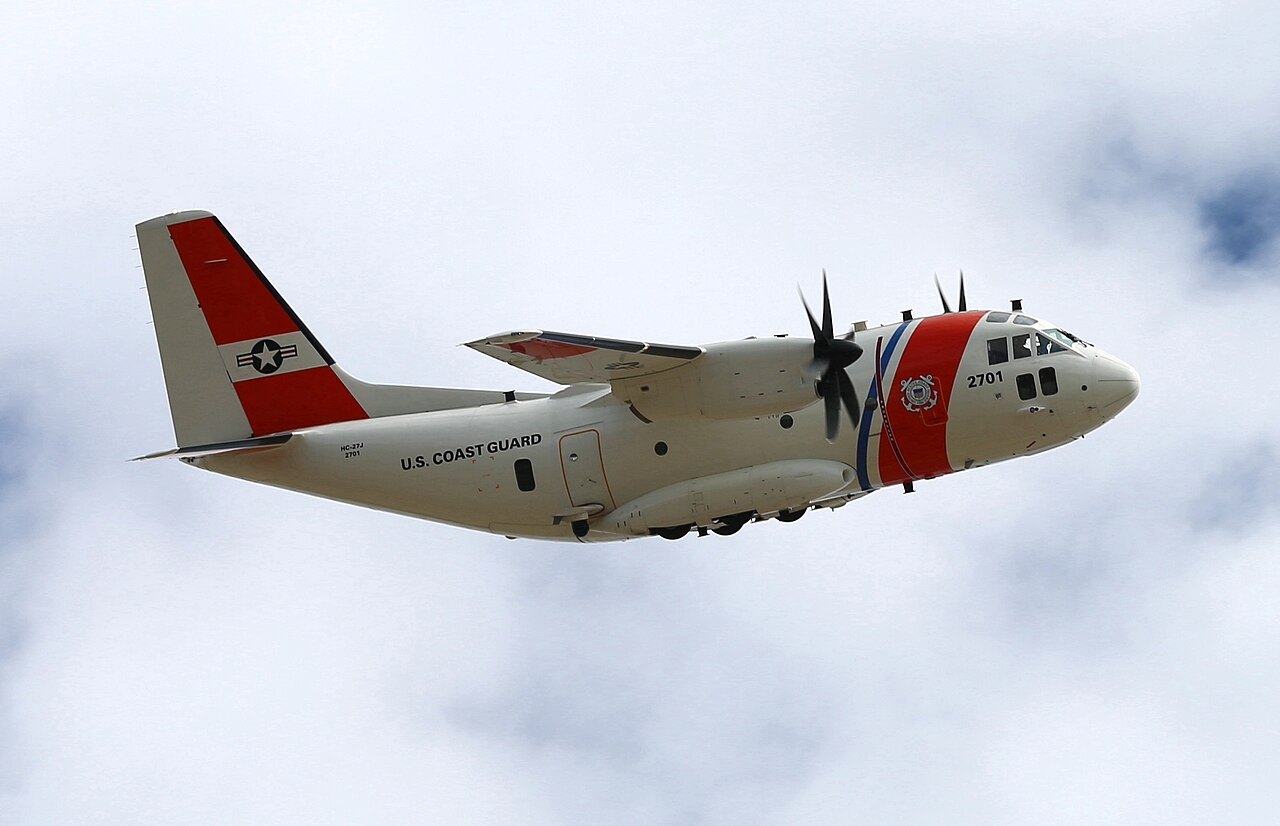
The aircraft proved itself in combat: from August 2011, two C-27Js of the Ohio Air National Guard’s 179th Airlift Wing flew from Kandahar with a mixed Air Guard and Army Guard crew, and between August 2011 and June 2012 the deployed aircraft flew more than 3,200 missions carrying over 25,000 passengers and 1,400 tons of cargo to forward bases. Yet in January 2012 the Department of Defense announced plans to retire all 38 C-27Js the USAF then had on order (21 were eventually bought), arguing that C-130s could do the job more cheaply over their lives; Guard advocates disputed the cost figures fiercely. New aircraft were delivered directly to storage. In 2013 the aircraft were redistributed: 14 to the Coast Guard, which converted them to HC-27J maritime patrol and search-and-rescue aircraft, and 7 to US Special Operations Command, where they support parachute training and special missions.
02The C-27J’s ancestor at war: the G.222 over Sarajevo and beyond
The G.222 had a long and sometimes tragic operational life. Italian Air Force aircraft flew humanitarian and peacekeeping missions in Africa and the Middle East and were a mainstay of the UN airlift into besieged Sarajevo in 1992. On 3 September 1992, an Italian G.222 on a UN relief mission was shot down by a surface-to-air missile while approaching Sarajevo airport, killing everyone aboard. Responsibility was never clearly established, and the airlift was suspended for a time afterwards.
Other users flew it in their own campaigns, and the type’s Afghan chapter is a cautionary tale. The United States paid about US$486 million to provide refurbished G.222s to the Afghan Air Force from 2009, but the aircraft suffered from poor spares support and low availability. In 2014 sixteen were scrapped at Kabul and sold for about US$32,000 in total, Military Times reported, at roughly six cents per pound. The episode, investigated by the US Special Inspector General for Afghanistan Reconstruction, had nothing to do with the C-27J itself but haunted its reputation in Washington.
What makes the C-27J Spartan special
C-130J power in a smaller airframe
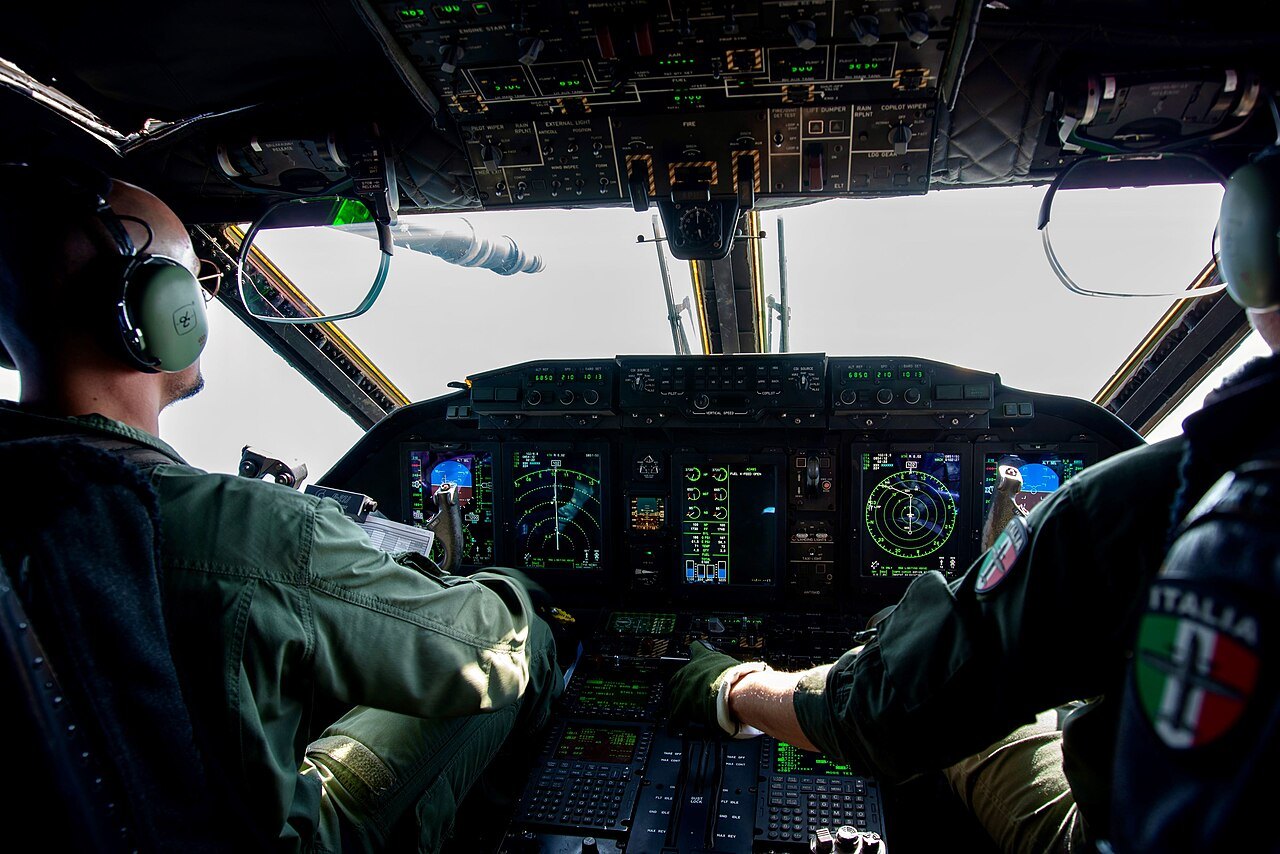
The C-27J uses the same Rolls-Royce AE2100 engine family and six-blade propellers as the C-130J, with a similar glass cockpit and cargo-handling system. That commonality simplifies training and support for air forces that operate both types and gives the smaller aircraft a lot of power for its size, translating into short take-offs, strong climb performance and a cruise speed above 300 knots, faster than most twin-turboprop transports.
A cabin sized for the battlefield
The C-27J’s cross-section is wider and taller than most medium twins, allowing it to carry the same 463L pallets as a C-130 and vehicles such as light utility trucks. It carries up to 60 troops, 46 paratroopers, 36 stretchers or about 11 tonnes of cargo. That ability to move the same loads as a Hercules to shorter, rougher strips was the core of the Joint Cargo Aircraft concept for forward resupply.
Built for rough strips and hard manoeuvres
Inherited from the G.222, the structure is unusually strong, with a robust high wing, tandem-wheel main gear in fuselage blisters and generous g limits for a transport. Leonardo test pilots exploit this at air shows with steep turns, rolls and tight approaches that show its agility. In operations it allows steep tactical descents and short landings on unprepared surfaces in threatening environments.
03The C-27J’s versions: from transport to MC-27J Praetorian
Beyond the basic transport, Leonardo has developed several mission versions. The MC-27J Praetorian for the Italian Air Force first flew in March 2014 and was converted from existing C-27Js from 2016; it carries a roll-on/roll-off mission kit with sensors, communications and a palletised side-firing gun system, plus provision for precision-guided weapons on wing hardpoints. An earlier American proposal, the AC-27J Stinger II, was a gunship concept for the US Air Force Special Operations Command that was not pursued.
The HC-27J of the US Coast Guard carries search radar and electro-optical sensors for maritime patrol and search and rescue. Italy also uses C-27Js for firefighting support, medical evacuation and transport of sick patients in isolation stretchers. The C-27J Next Generation, offered from the early 2020s, adds avionics updates and aerodynamic improvements including winglets to keep the design competitive for decades.
Leonardo C-27J Spartan specifications
Specifications
- Crew
- 2 pilots plus loadmaster
- Capacity
- 46 troops (60 in high-density layout), 46 paratroopers, 36 stretchers or 11,300 kg (24,912 lb) of cargo
- Length
- 22.7 m (74 ft 6 in)
- Wingspan
- 28.7 m (94 ft 2 in)
- Height
- 9.64 m (31 ft 8 in)
- Empty weight
- 17,500 kg (38,581 lb)
- Max take-off weight
- 32,500 kg (71,650 lb)
- Powerplant
- 2 × Rolls-Royce AE2100-D2A turboprops, 3,458 kW (4,637 hp) each
- Cruise speed
- 602 km/h (325 kn) true airspeed
- Range
- 5,056 km (2,730 nm) with 4,536 kg payload; maximum 5,852 km (3,160 nm)
- Service ceiling
- 9,144 m (30,000 ft)
- Armament
- MC-27J: palletised side-firing gun system and wing hardpoints for precision weapons
Costs & production
- Unit cost
- About US$24 million (1999 base price) and about US$31.7 million flyaway (2012); later programme averages including support were reported much higher
- Cost per flight hour
- Contested: US Air National Guard advocates argued the C-27J was much cheaper per hour than a C-130, while the USAF in 2012 estimated its life-cycle cost at about US$308 million per aircraft against about US$213 million for a C-130 over 25 years; no agreed hourly figure exists, and a hedged estimate is roughly US$3,000–6,000
- Production
- About 117 C-27Js built by 2022, after about 110 G.222s
- Programme
- G.222 first flight 1970; C-27J first flight 1999; in service from 2006
04The C-27J’s lineage and variants
- G.222: original Fiat/Aeritalia transport, GE T64 engines, about 110 built 1970–1993.
- G.222T: Rolls-Royce Tyne version for Libya, about 20 ordered.
- G.222SAA, RM, VS: firefighting, radio calibration and electronic surveillance versions in Italian service.
- C-27A Spartan: ten G.222s for the USAF in Panama in the 1990s.
- C-27J: AE2100 engines and C-130J avionics, first flight 1999.
- HC-27J: US Coast Guard patrol and SAR version.
- MC-27J Praetorian: Italian multi-mission and armed ISR version.
- C-27J Next Generation: updated avionics and aerodynamics.
05The C-27J’s operating costs: the great American argument
Few transports have had their operating costs debated as publicly as the C-27J. When the US Air Force decided in 2012 to retire its fleet, it argued that the smaller aircraft’s life-cycle costs were higher than those of the larger C-130 it already owned. National Guard leaders and members of Congress challenged the figures, pointing out that two engines burn less fuel than four and that the C-27J was cheaper per hour for missions with small loads. Senators demanded proof of the Air Force’s claims. Both sides used different assumptions about fleet size, support and utilisation, which is why the figure above is presented as contested and as a range.
The C-27J from the G.222 to the Next Generation
G.222 first flight
Fiat’s G.222 prototype makes its first flight.
Into Italian service
The G.222 formally enters service with the Italian Air Force in April.
Shot down at Sarajevo
An Italian G.222 on a UN relief flight is downed by a missile on 3 September.
LMATTS
Alenia and Lockheed Martin form a joint company to develop the C-27J.
C-27J first flight
The re-engined C-27J flies on 24 September.
Into service
The Italian Air Force introduces the C-27J in October.
Joint Cargo Aircraft
The C-27J wins the US competition with a contract for 78 aircraft.
Combat debut
Ohio Air National Guard C-27Js begin flying from Kandahar, Afghanistan, in August.
US retirement announced
The Pentagon announces it will retire the C-27J; 21 are eventually bought before the programme ends.
New homes
Fourteen aircraft go to the US Coast Guard and seven to Special Operations Command.
MC-27J Praetorian
The first MC-27J multi-mission version makes its maiden flight in March.
Stories & eyewitnesses: the C-27J and G.222 in service
From Mansfield to Kandahar
Ohio Guard crews took the Spartan into combat.
Read the full story
Lost on the approach to Sarajevo
An Italian G.222 was shot down on a UN relief flight.
Read the full story
Gabrielli’s last great design
The man behind the G.91 also shaped the G.222.
Read the full story
Scrapped for six cents a pound
The Afghan G.222 programme ended in a Kabul scrapyard.
Read the full story
The Coast Guard’s windfall
Unwanted Air Force aircraft became search-and-rescue platforms.
Read the full story
Italian Spartans in Afghanistan
Italy took its new transport to war first.
Read the full story
A transport that rolls
Test pilots show off the Spartan’s agility.
Read the full story
The Spartans of Panama
Ten C-27As flew the USAF’s Latin American missions.
Read the full story
The Praetorian
Italy armed its transport for special missions.
Read the full story
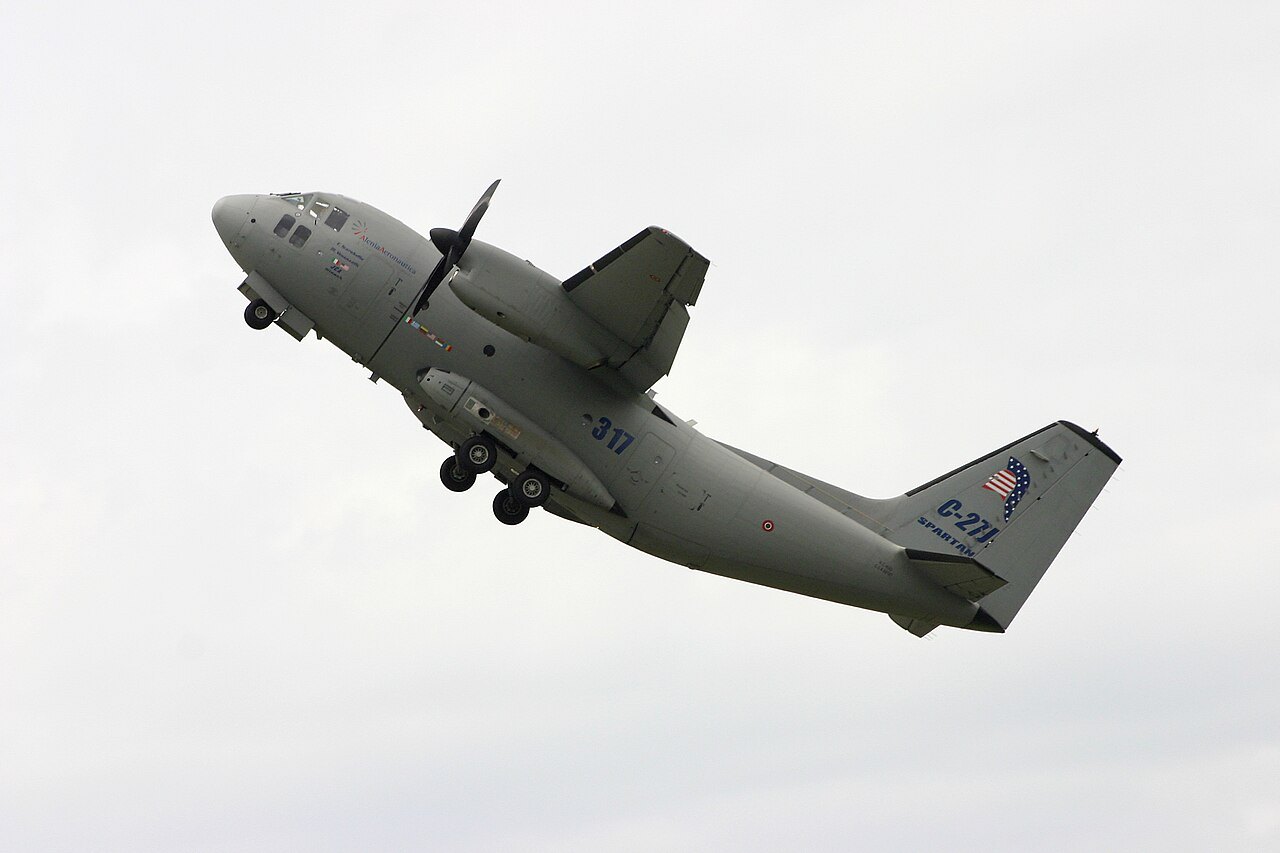
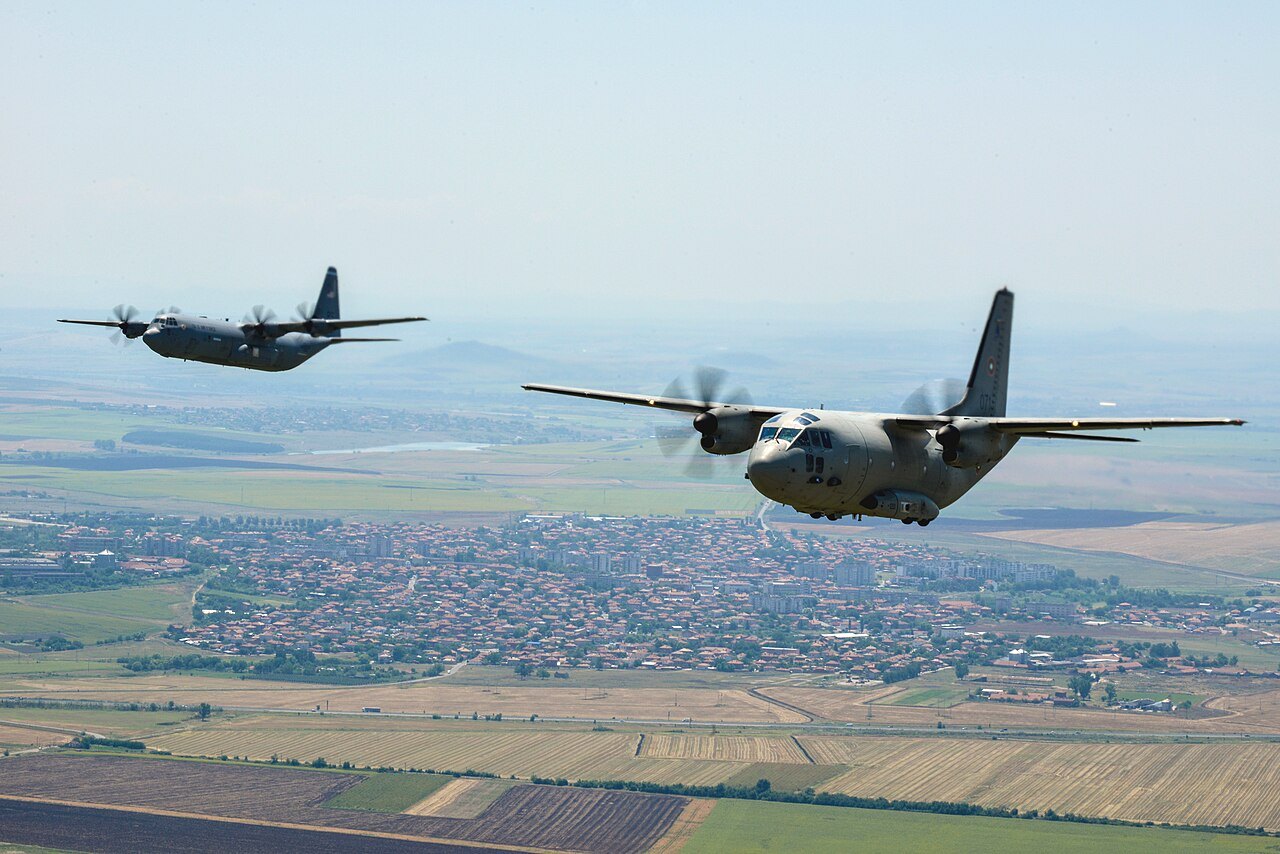
The C-27J in pictures
Where the C-27J flies and flew
The C-27J Spartan’s record
The C-27J and its G.222 ancestor have flown in Afghanistan, the Balkans and humanitarian operations across Africa and the Middle East. The best-documented combat record is the US Air National Guard deployment of 2011–12, which shows what a small, fast tactical airlifter could do for forward bases; the figures below are those reported by DoD Buzz in April 2012.
See how training and combat types compare in the military aircraft statistics database. Figures are approximate.
Everything people ask about the C-27J
Can I fly in a Leonardo C-27J Spartan?
What is the difference between the G.222 and the C-27J?
Why did the US Air Force retire the C-27J?
How much can a C-27J carry?
Which countries fly the C-27J?
Why is it called the Baby Hercules?
You can’t fly the C-27J.
These, you can.
Most of this museum you can only look at. These genuine military jets you can fly yourself with MiGFlug — with aerobatics and time on the controls.
 Fly the L-39 AlbatrosThe world’s most-flown jet trainer — aerobatics included
 Fly the F-104 Starfighter“The missile with a man in it”
 Fly the MiG-21The Cold War’s most-produced jet
 Fly the T-33 Shooting StarAmerica’s first jet trainer
 Fly the DH VampireA piece of early jet history
 Fly the S.211Agile Italian jet trainer
 Fly the MB-326The classic Aermacchi jet
 Fly the MiG-15The Soviet legend of the Korean War
Continue the tour
Every fact, checked
- C-27J Spartan Next Generation datasheetLeonardo: official weights, payload, troop capacity, engines, cruise speed and range
- C-27J Spartan / Joint Cargo AircraftGlobalSecurity: Italian and Greek orders, JCA award of 13 June 2007 for 78 aircraft and US$2.04 billion
- Italian order launches C-27JFlight International, November 1999: launch order for 12, first flight in late September 1999, US$24 million basic price
- Pictures: Italy takes delivery of first of 12 C-27JsFlightglobal: first Italian delivery to the 46th Air Brigade at Pisa and early export orders
- C-27J Spartan makes combat debut in AfghanistanFlightglobal, 2011: 702nd EAS from 31 July, first combat mission from Kandahar on 4 August
- Far from DC battles, C-27 gets glowing reviewsDoD Buzz, April 2012: airdrops, container deliveries and Army cost-saving estimate in Afghanistan
- New Air Force planes parked in Arizona boneyardStars and Stripes, 2013: 21 aircraft bought for US$567 million, storage at Davis-Monthan, life-cycle cost dispute
- First C-27J Spartan delivered in Coast Guard colorsDefense Media Network, 2016: 14 of the 21 USAF aircraft to the Coast Guard, Sacramento
- This week in AFLCMC historyUS Air Force: first C-27A accepted 26 September 1991; ten bought, retired after Howard AFB closed in 1999
- G.222 historyAeromedia: NBMR 22 origin, Gabrielli naming, first flight in 1970, service from 1978, about 110 series aircraft