
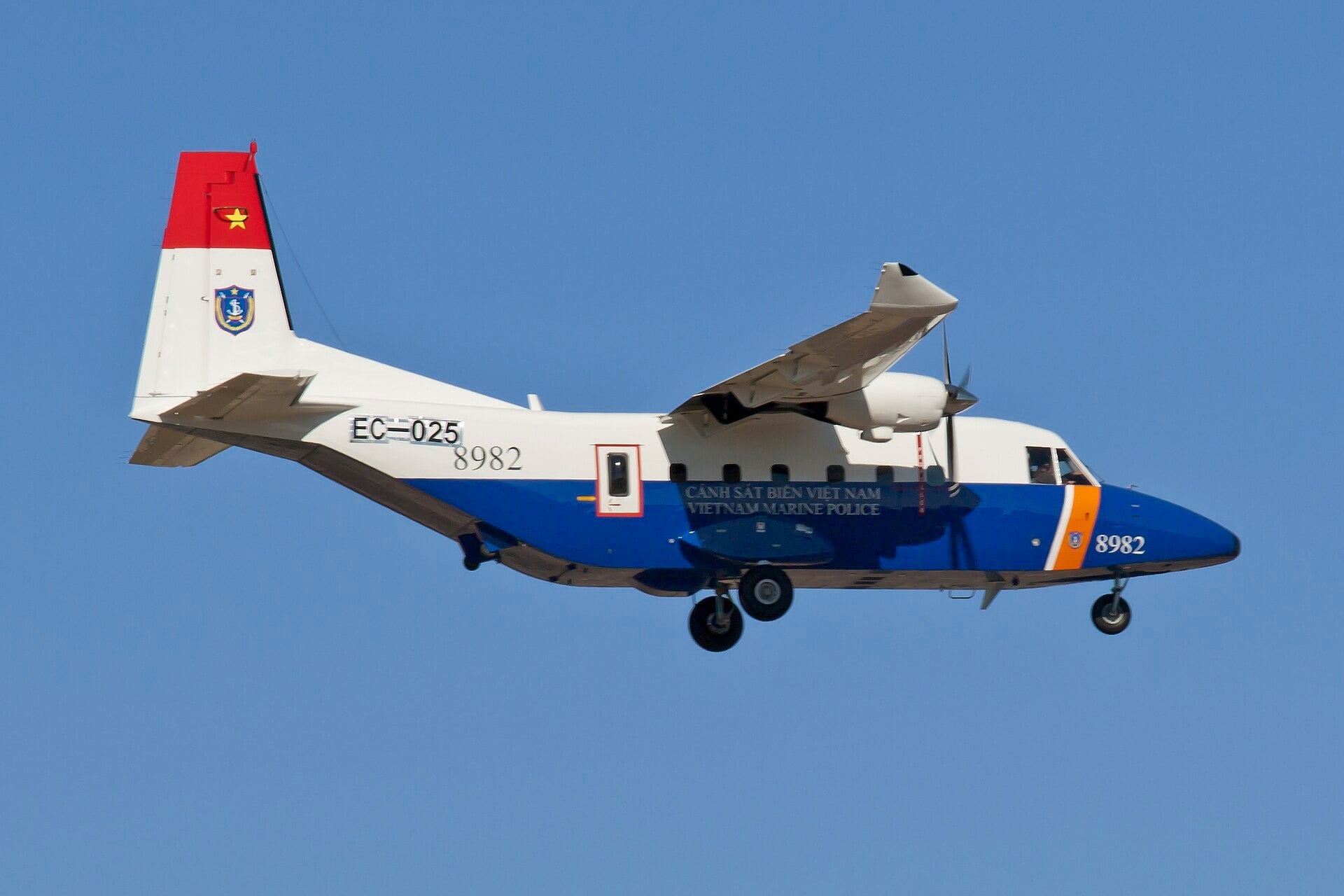
CASA C-212 Aviocar
The Flying Box
Spain’s rugged little box-bodied airlifter, built to replace Ju 52s and Dakotas, became one of the most widely used light military transports in the world and is still in production in Indonesia half a century later.
The C-212 Aviocar: how Spain built a small transport for the whole world
In the late 1960s the Spanish Air Force was still flying troops and cargo in licence-built Junkers Ju 52 trimotors and wartime Douglas C-47s. Construcciones Aeronáuticas SA, CASA, proposed something simple to replace them: a twin-turboprop with a high wing, a fixed undercarriage, an unpressurised box-section fuselage and a rear loading ramp that could swallow a light vehicle or drop a stick of paratroopers. It would be cheap to buy, easy to fix and able to operate from short, rough strips. The prototype flew on 26 March 1971, and the Ejército del Aire adopted it in 1974 under the name Aviocar. CASA bet that many other air forces, facing the same problem of ageing piston transports and rough airstrips, would want the same simple answer.
Its shape was unlovely, and crews soon nicknamed it a flying box, but the design did exactly what small air forces needed. A civil version followed in 1975, and that same year Indonesia’s IPTN in Bandung, then known as Nurtanio, obtained a licence to build it, beginning an industrial partnership that later produced the CN-235 and C295. Successive series added stretched fuselages, more powerful Garrett TPE331 engines, winglets and, on the C-212-400 of 1997, a glass cockpit. Seville built aircraft until the end of 2012, when the last Spanish-built example went to the Vietnam Coast Guard; production then moved entirely to Indonesian Aerospace, which still builds the NC212i. The partnership with Bandung would outlast Spanish production itself.
The numbers tell the story of a quiet success. More than 600 have been built in the two countries, and by 2012 some 92 operators had flown it, with about 290 still in service in 40 countries, from the US Army’s special operations units, which called it the C-41A, to the coast guards of Sweden and Vietnam, Antarctic logistics contractors and skydiving centres. Its war record is that of a utility workhorse in other people’s wars: UN airlift in the Balkans, counter-insurgency in Latin America and Africa, and contract supply flights in Afghanistan. It has also suffered more than its share of accidents, many in mountainous terrain flown close to its limits. Few light transports have been asked to do so much, in so many places, for so long.
01The C-212’s Indonesian connection: from Bandung licence to sole producer
Indonesia’s interest in the C-212 was strategic. An archipelago nation of thousands of islands with short airstrips needed a rugged small transport, and its government wanted an aircraft industry of its own. In 1975 IPTN obtained rights to produce up to 108 C-212s under licence in Bandung, with CASA providing technical help and training for Indonesian technicians. By 2000 IPTN had built 95 aircraft, designated NC212, most of them for domestic military and civil customers.
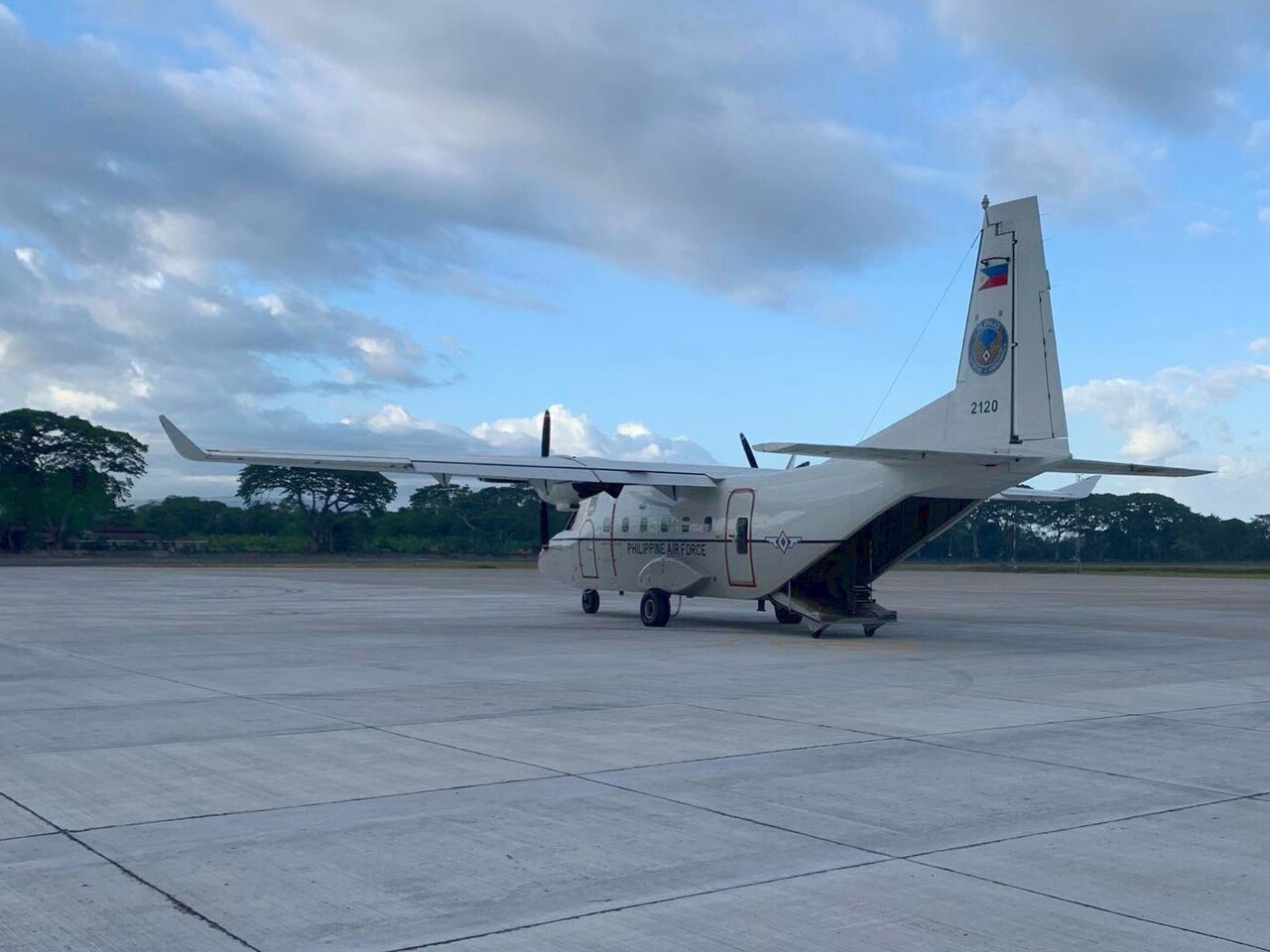
The partnership grew far beyond licence assembly. CASA and IPTN formed Airtech in 1979 to develop a bigger twin, the CN-235, and the experience fed directly into the C295. As Spanish orders for the small transport dwindled, Airbus Military began transferring C-212 jigs and fixtures to Bandung between 2004 and 2008, making Indonesia the sole producer of the C-212-400. Spanish final assembly ended in December 2012 after the Seville plant had built some 477 to 485 aircraft, and in 2013 the programme passed completely to Indonesian Aerospace, which developed the improved NC212i with the TPE331-12JR engine and modern avionics. The Indonesian Air Force, Navy and Army are its largest users, and the NC212i has been exported to the Philippines and others in the region.
What makes the C-212 Aviocar special
A box with a ramp
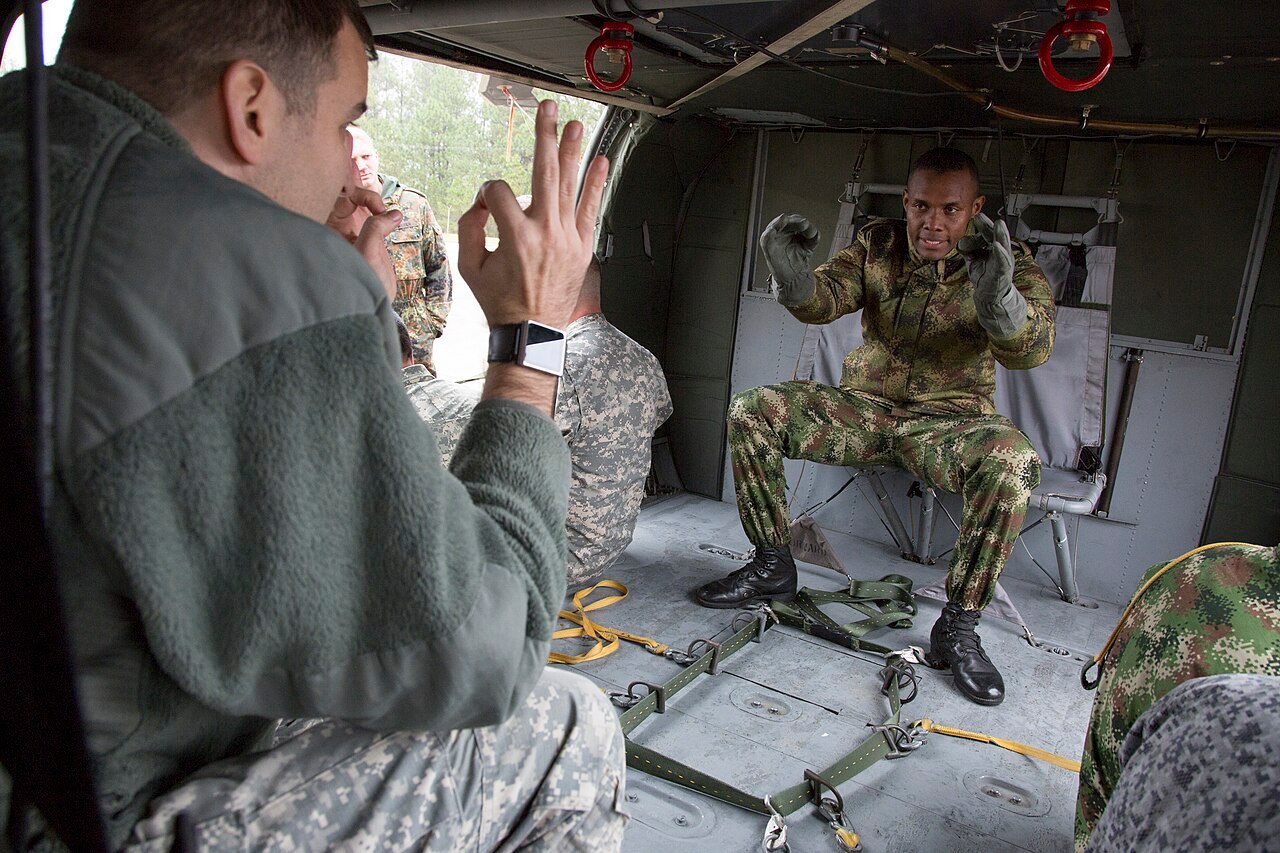
The Aviocar’s square, unpressurised fuselage and rear ramp were deliberate choices. They made the cabin easy to load from the back of a truck, allowed light vehicles and pallets on board, gave paratroopers a clean exit and kept the structure simple. With seats along the walls it carries around 24 to 28 troops in the later versions, or stretchers for medical evacuation, and it can airdrop loads off the ramp in flight.
Fixed gear for rough strips
Instead of a complex retracting undercarriage, the C-212 sits on sturdy fixed main gear mounted on short sponsons, with a nosewheel up front. It costs some speed but saves weight, maintenance and failure points, and allows operations from grass, gravel and dirt. The high wing keeps the propellers clear of debris, and short take-off and landing runs of around 600 m and 460 m over a 15 m obstacle suit jungle and island airstrips.
A platform for many roles
The basic airframe has been fitted for maritime patrol with search radar, pollution surveillance, search and rescue, electronic warfare and intelligence gathering, navigation training, aerial survey, cloud seeding and parachute training. Military versions can carry light weapons on two underwing hardpoints. That flexibility explains why operators as different as the US Army, Spanish Air Force and coast guards in Europe and Asia all chose it.
02The C-212’s series: from C-212A to NC212i
The original C-212A military transport, about 129 built, carried 18 passengers and used Garrett TPE331-5 engines. The C-212-200 of 1979 had stronger engines and higher weights, and the C-212-300 of 1987 added winglets, a reshaped nose and improved performance. The C-212-400 first flew on 4 April 1997 with TPE331-12JR-701C engines of 970 hp, an electronic flight instrument system and better hot-and-high performance. The Indonesian NC212i is a further update with new propellers and avionics.
Inside, the cockpit seats two pilots side by side, and the cabin is a plain rectangular tunnel with the ramp and a side door. There is no pressurisation, so missions are flown below about 10,000 ft with passengers unless oxygen is carried, which suits short tactical hops but makes long mountain crossings demanding. Many of the type’s accidents have come in exactly those conditions.
CASA C-212-400 Aviocar specifications
Specifications
- Crew
- 2 pilots
- Capacity
- 24–28 troops or passengers, or about 2,700–2,800 kg of military payload
- Length
- 16.15 m (53 ft 0 in)
- Wingspan
- 20.28 m (66 ft 6 in)
- Height
- 6.6 m (21 ft 8 in)
- Empty weight
- 3,780 kg (8,333 lb)
- Max take-off weight
- 8,000 kg (17,637 lb) military
- Powerplant
- 2 × Honeywell TPE331-12JR-701C turboprops, 723 kW (970 hp) each
- Maximum speed
- 370 km/h (200 kn)
- Cruise speed
- 354 km/h (191 kn)
- Range
- 835 km (450 nm) with full military payload; ferry 2,680 km (1,447 nm)
- Service ceiling
- 7,925 m (26,000 ft)
- Climb rate
- 8.3 m/s (1,630 ft/min)
- Armament
- Optional: up to 500 kg on two hardpoints (gun pods, rocket launchers)
Costs & production
- Cost per flight hour
- Hedged estimate: on the order of US$1,000–2,000 per hour for a light twin-turboprop of this class, based on two TPE331s burning a few hundred litres of jet fuel an hour plus maintenance reserves; no official figure is published
- Production
- About 477–485 built in Spain (1971–2012) and more than 120 in Indonesia, over 600 in total
- Programme
- First flight 1971; Spanish production ended 2012; continues in Indonesia as the NC212i
03The C-212’s variants: transport and special-mission versions
- C-212A (T.12): original Spanish Air Force transport, about 129 built.
- C-212-200: stretched, heavier and more powerful, from 1979.
- C-212-300: winglets and revised nose and tail, from 1987.
- C-212-400: glass cockpit and TPE331-12 engines, first flight 1997.
- NC212 / NC212i: Indonesian-built versions, the NC212i the current production model.
- C-41A: US Army special operations designation.
- Patrol and special-mission versions: maritime patrol, pollution control, ELINT and EW, SAR and survey aircraft.
04The C-212’s operating costs: why small air forces liked it
The Aviocar’s economics come from what it lacks: no pressurisation, no retractable gear and simple systems. Its TPE331 engines are widely supported in civil aviation, so spares and overhaul are easy to obtain. That is why it found buyers among air forces with small budgets and remote airstrips, and why coast guards and civil contractors kept it flying for decades. No reliable official cost per flight hour is published, so the figure above is an estimate based on its engine class and operator experience with similar aircraft.
The C-212 Aviocar from Seville to Bandung
First flight
The C-212 prototype flies on 26 March, designed to replace Spain’s Ju 52s and C-47s.
Into service
The Spanish Air Force adopts the type as the Aviocar.
Civil version and Indonesian licence
A civil variant appears, and IPTN obtains rights to build the type in Bandung.
Series 200
The stretched, more powerful C-212-200 enters production.
Series 300
Winglets and refinements arrive with the C-212-300.
Hit over the Balkans
A Spanish Air Force C-212 on a UNPROFOR flight is struck by an SA-7 missile near Rijeka and lands safely.
Series 400
The glass-cockpit C-212-400 makes its first flight on 4 April.
Blackwater 61
A contracted C-212 crashes in the Hindu Kush on 27 November, killing all six aboard.
Spanish production ends
The last Seville-built aircraft is delivered to the Vietnam Coast Guard.
Indonesia takes over
Indonesian Aerospace becomes sole producer and develops the NC212i.
Stories & eyewitnesses: the C-212 Aviocar in service
An SA-7 over Rijeka
A Spanish Aviocar survived a missile strike on a UN flight.
Read the full story
Blackwater 61
A contract supply flight in Afghanistan ended in a box canyon.
Read the full story
Shot down over Angola
Africa’s civil wars claimed several Aviocars.
Read the full story
The US Army’s quiet C-41A
Special operations units flew Aviocars under their own designation.
Read the full story
Juan Fernández, 2011
A Chilean Air Force crash shocked a nation.
Read the full story
Lost searching for a missing pilot
A Vietnamese coast guard Aviocar disappeared on a rescue mission.
Read the full story
The last one out of Seville
Four decades of Spanish production ended with a coast guard delivery.
Read the full story
Aviocars on the ice
Australian contractors flew them in Antarctica.
Read the full story
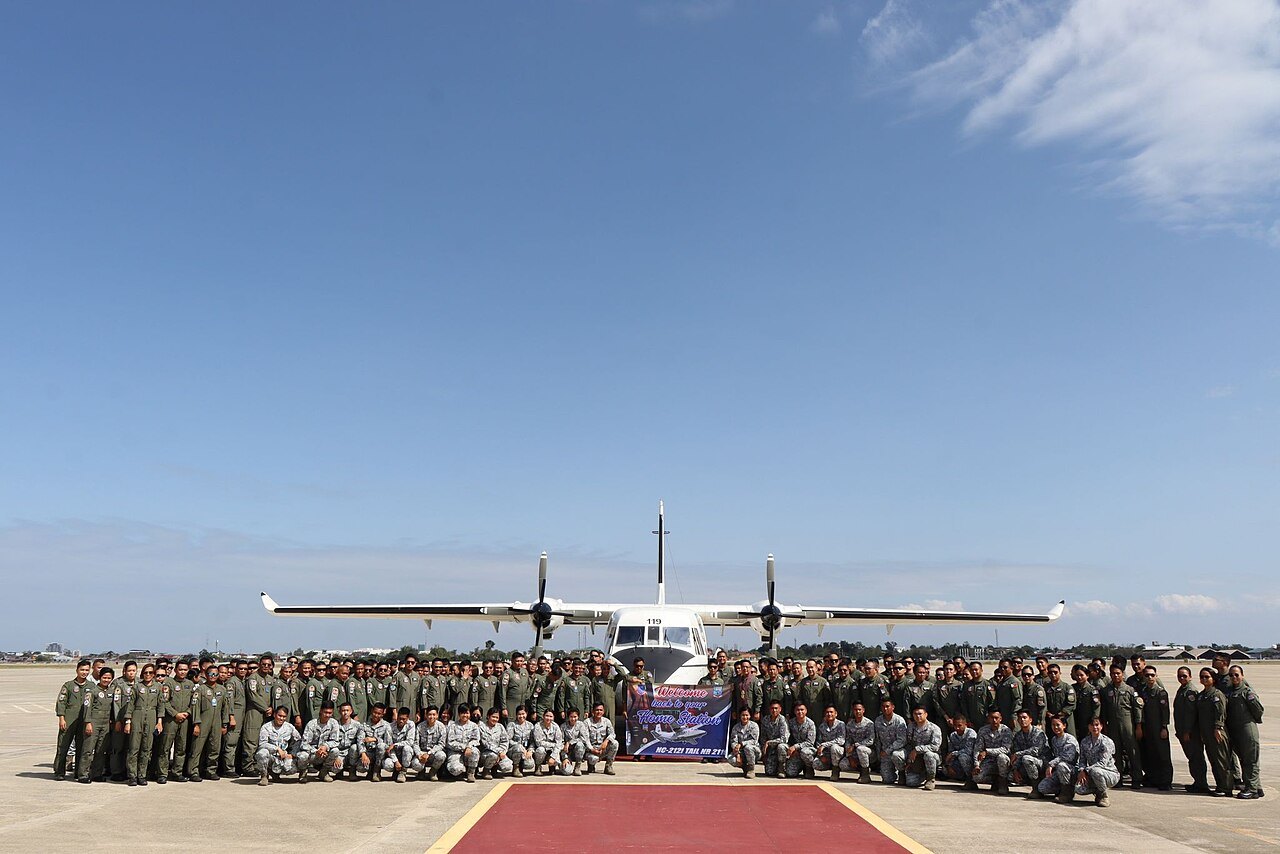
The C-212 in pictures
Where the C-212 flies and flew
The C-212 Aviocar’s record
The Aviocar has flown in many conflicts but almost always in support: UN airlift in the Balkans, government resupply in African and Latin American civil wars, special operations and contract logistics. Its record is measured more in breadth of service than in tonnage, and several have been lost to ground fire and to the mountains.
See how training and combat types compare in the military aircraft statistics database. Figures are approximate.
Everything people ask about the C-212
Can I fly in a CASA C-212 Aviocar?
Is the C-212 still in production?
How many people can a C-212 carry?
Why does the C-212 have a fixed undercarriage?
Which air forces fly the C-212?
What replaced the C-212?
You can’t fly the C-212.
These, you can.
Most of this museum you can only look at. These genuine military jets you can fly yourself with MiGFlug — with aerobatics and time on the controls.
 Fly the L-39 AlbatrosThe world’s most-flown jet trainer — aerobatics included
 Fly the F-104 Starfighter“The missile with a man in it”
 Fly the MiG-21The Cold War’s most-produced jet
 Fly the T-33 Shooting StarAmerica’s first jet trainer
 Fly the DH VampireA piece of early jet history
 Fly the S.211Agile Italian jet trainer
 Fly the MB-326The classic Aermacchi jet
 Fly the MiG-15The Soviet legend of the Korean War
Continue the tour
Every fact, checked
- Airbus Military transfers C212 production to IndonesiaAIN on the production transfer to Indonesian Aerospace
- Indonesian aircraft maker gets help from Airbus MilitaryAIN on the CASA-IPTN partnership
- The flight and crash of Blackwater 61CBS News 60 Minutes on the 2004 Afghanistan crash
- US Army picks Airbus to modernise special operations aircraftShephard Media on the US Army C-41A fleet
- C212 type certificate data sheet A43EUFAA type certificate data for the C-212 series
- Airbus orders, deliveries and in-operation military aircraft by countryAirbus official military fleet figures