
Breguet 19
One of the great aircraft of the interwar years — a metal-built French biplane bomber and reconnaissance machine, exported and licence-built across the world, and world-famous for the record long-distance flights that included the first non-stop Paris–New York crossing.
The Story
The Breguet 19: the interwar biplane that conquered the world’s skies
The Breguet 19 — Br.19 to its makers, and Bréguet 19 in the French spelling — is one of the most successful and best-loved aircraft of the entire interwar period. A single-engine biplane designed as a light bomber and reconnaissance machine, it was built in enormous numbers, flown by air forces across Europe, the Balkans, South America and beyond, and made famous around the world by a string of record-breaking long-distance flights. Few aircraft of the 1920s and 1930s did so many different things, in so many places, for so long. It is a genuinely important machine, and a beloved one.
The Breguet 19 came from the company of Louis Breguet, one of the pioneers of French aviation and a great believer in metal construction. Breguet had built the celebrated Breguet 14 of the First World War — a rugged bomber and observation aircraft made extensive use of metal at a time when most aircraft were wood and fabric. The Breguet 19 was its successor, and it carried that metal-construction philosophy further still, making extensive use of duralumin, the strong, light aluminium alloy that was beginning to transform aircraft design. In an age of wooden biplanes, the Breguet 19 was notably modern.
First flown in 1922 and shown at the Paris Air Show, the Breguet 19 was advanced for its day: clean, strong, and adaptable, with a metal structure that made it durable and easy to maintain in hard service. It could be fitted with a wide range of engines — French inline units from Lorraine-Dietrich, Renault, Hispano-Suiza and others — which made it easy to tailor to different customers and to keep in production as engines improved. This adaptability was central to its success: the Breguet 19 was less a single fixed design than a whole family of closely related bomber, reconnaissance and long-range machines.
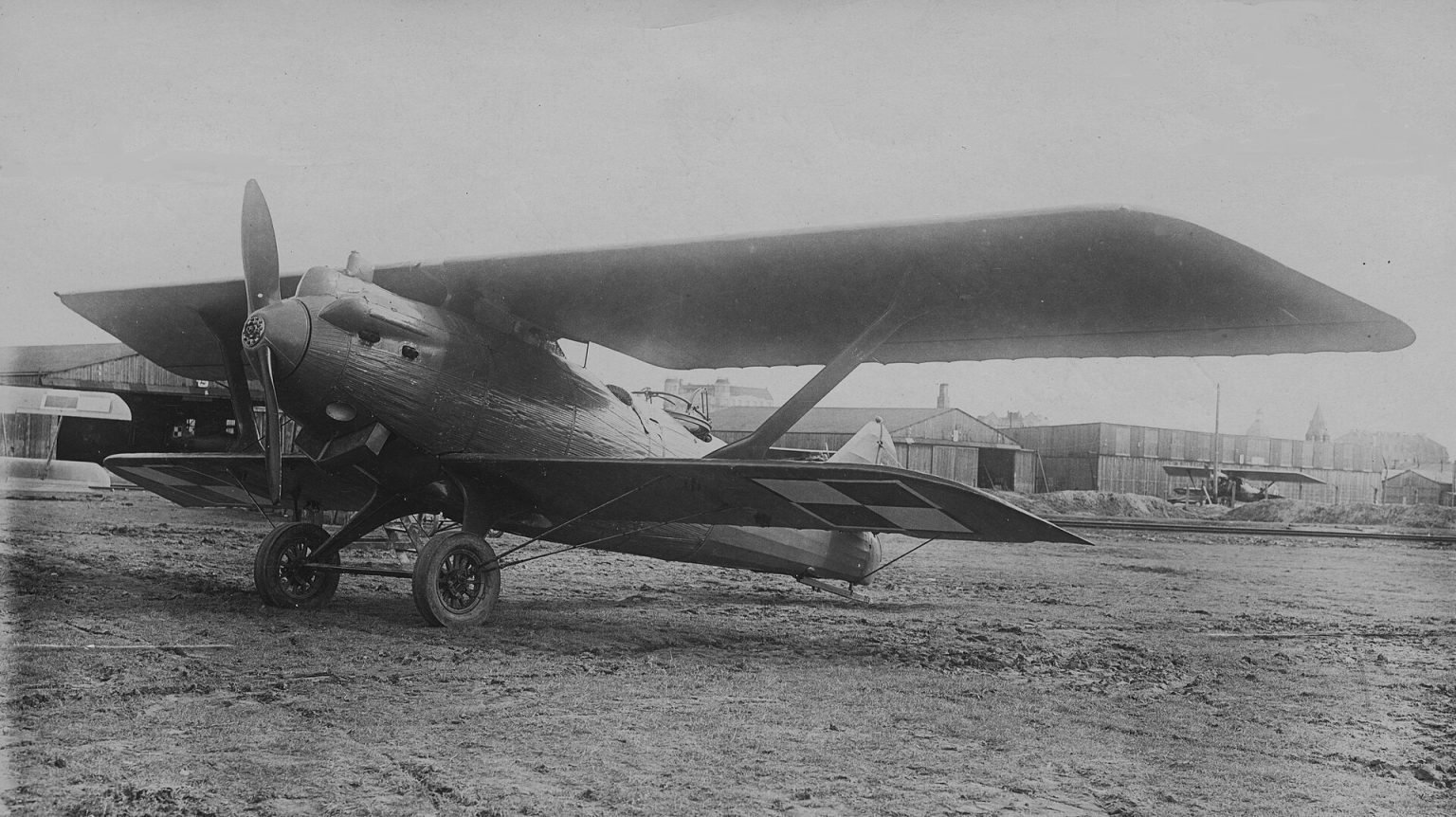
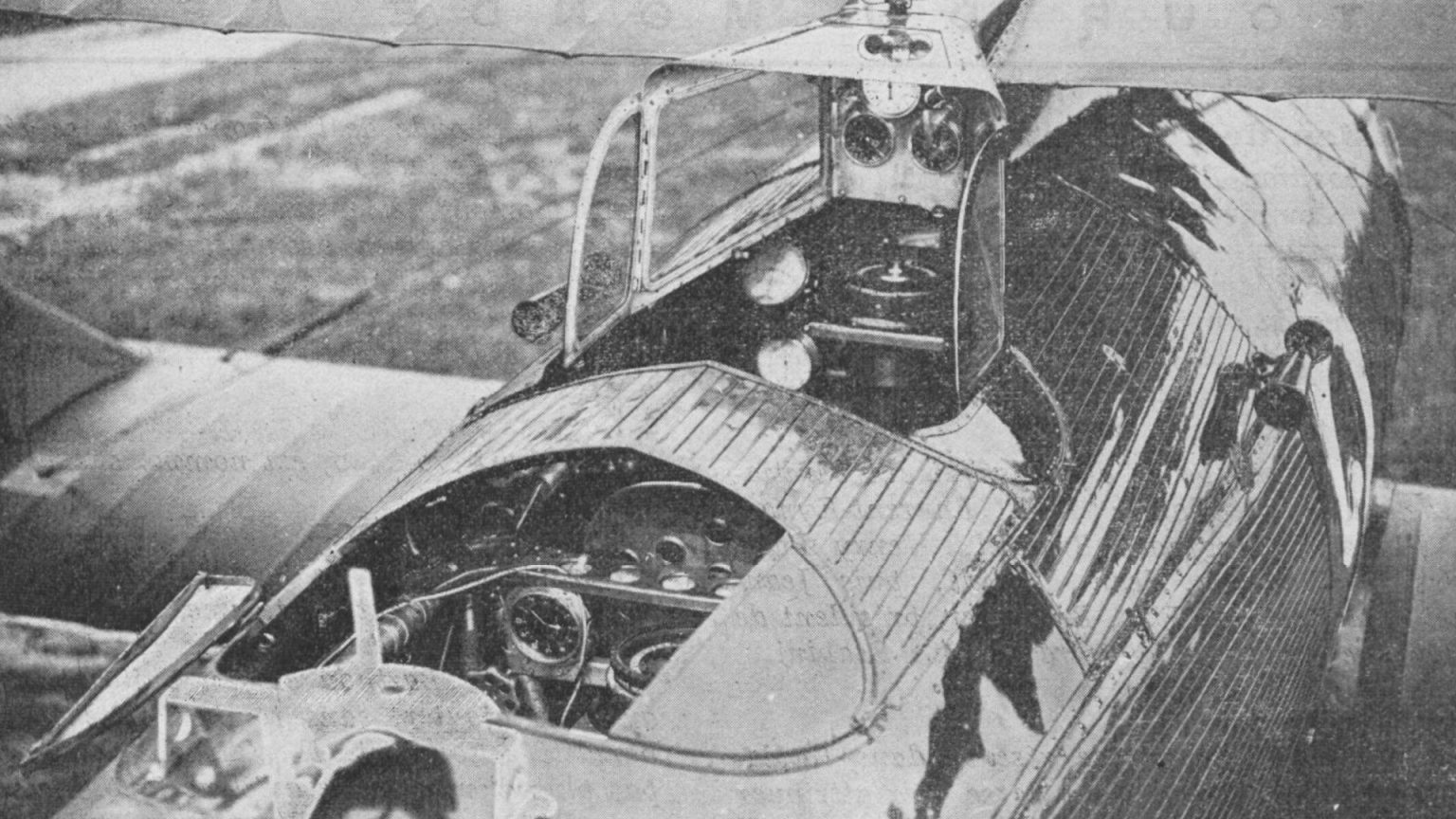
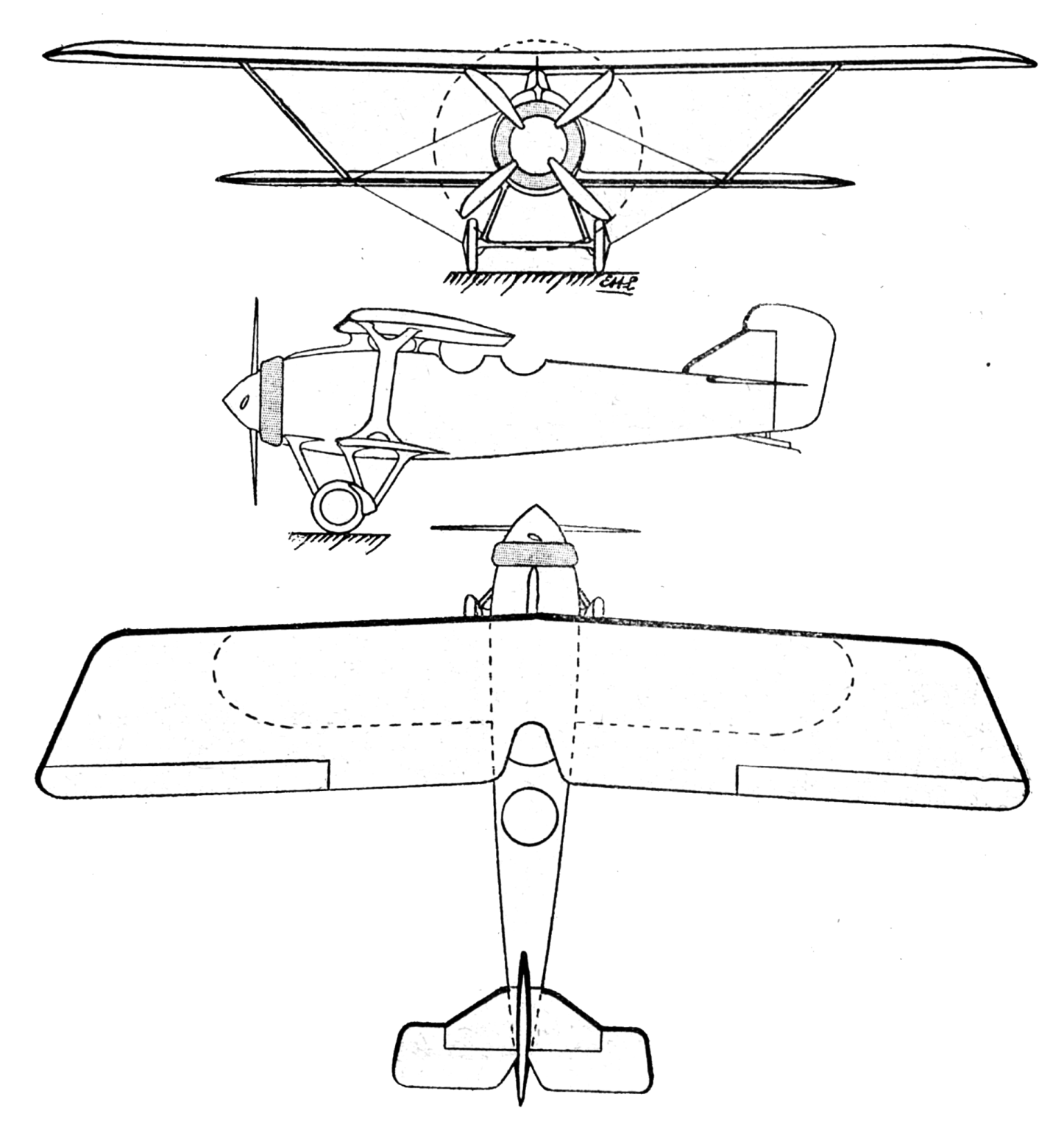
In layout it was a conventional two-seat biplane of its day: the pilot in the forward cockpit and an observer/gunner behind, the latter with a machine gun on a ring mounting to defend the tail, and a bomb load slung beneath. But the quality of its construction lifted it above most contemporaries. The metal structure was strong enough to absorb the punishment of rough forward airfields and hard operational flying, and simple enough to be maintained by air forces that lacked sophisticated workshops. For a colonial air arm or a small European power, those were exactly the qualities that mattered, and they help explain why the type was so quickly and widely adopted.
“Built by the thousand, flown by twenty nations, and famous for crossing oceans — the Breguet 19 was the interwar biplane that did everything, everywhere.”— the Breguet 19’s place in history, in a sentence
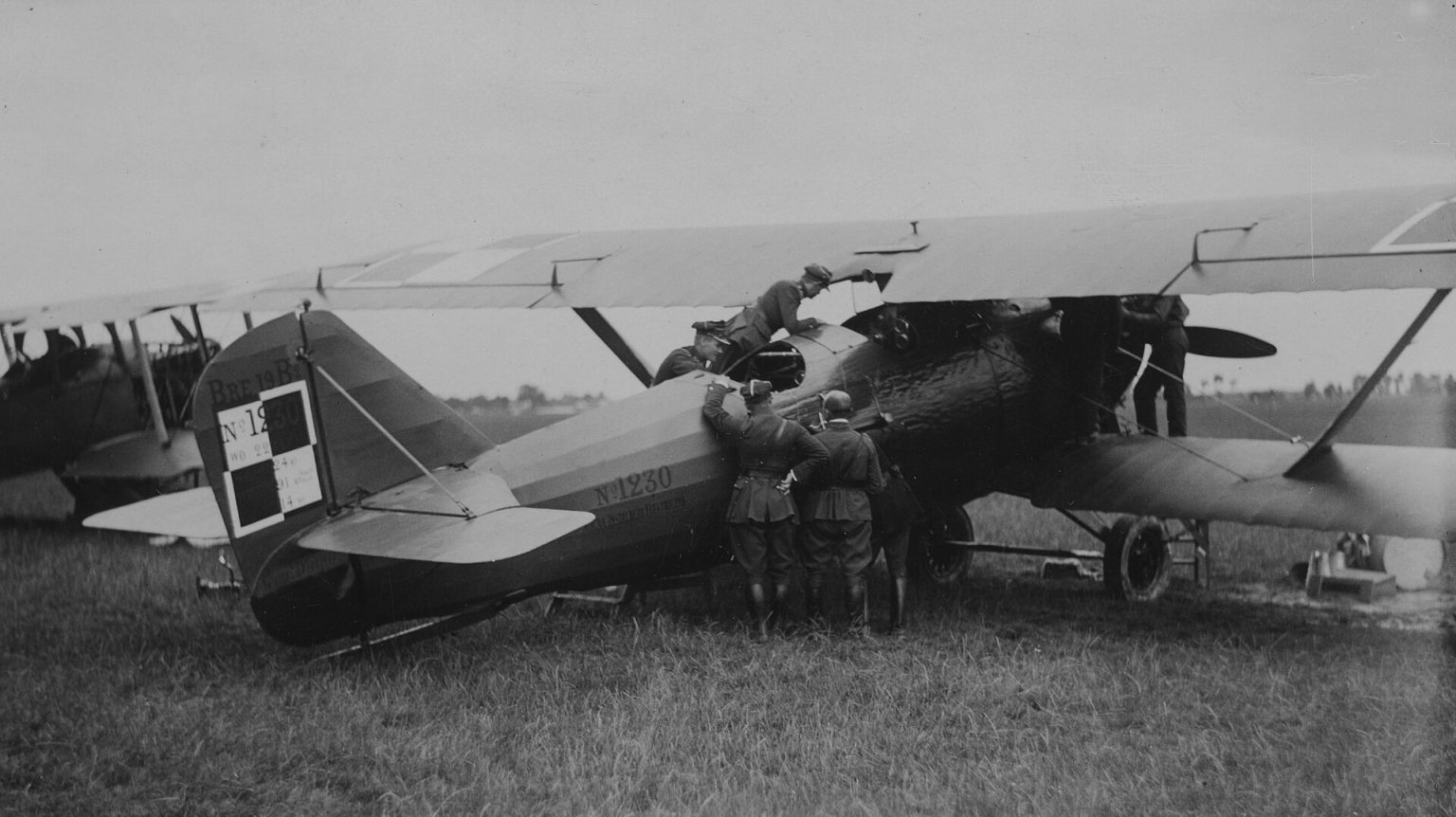
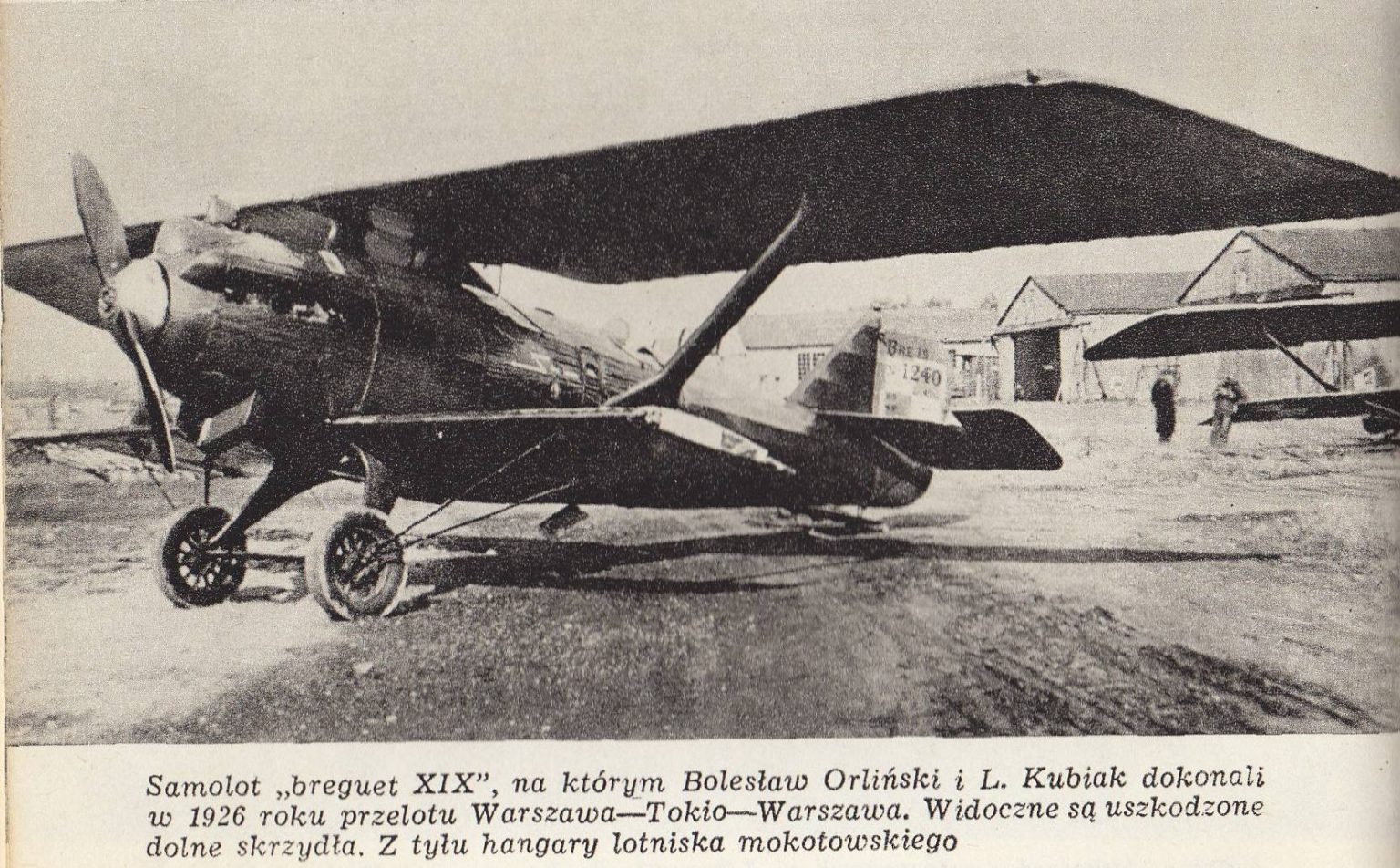
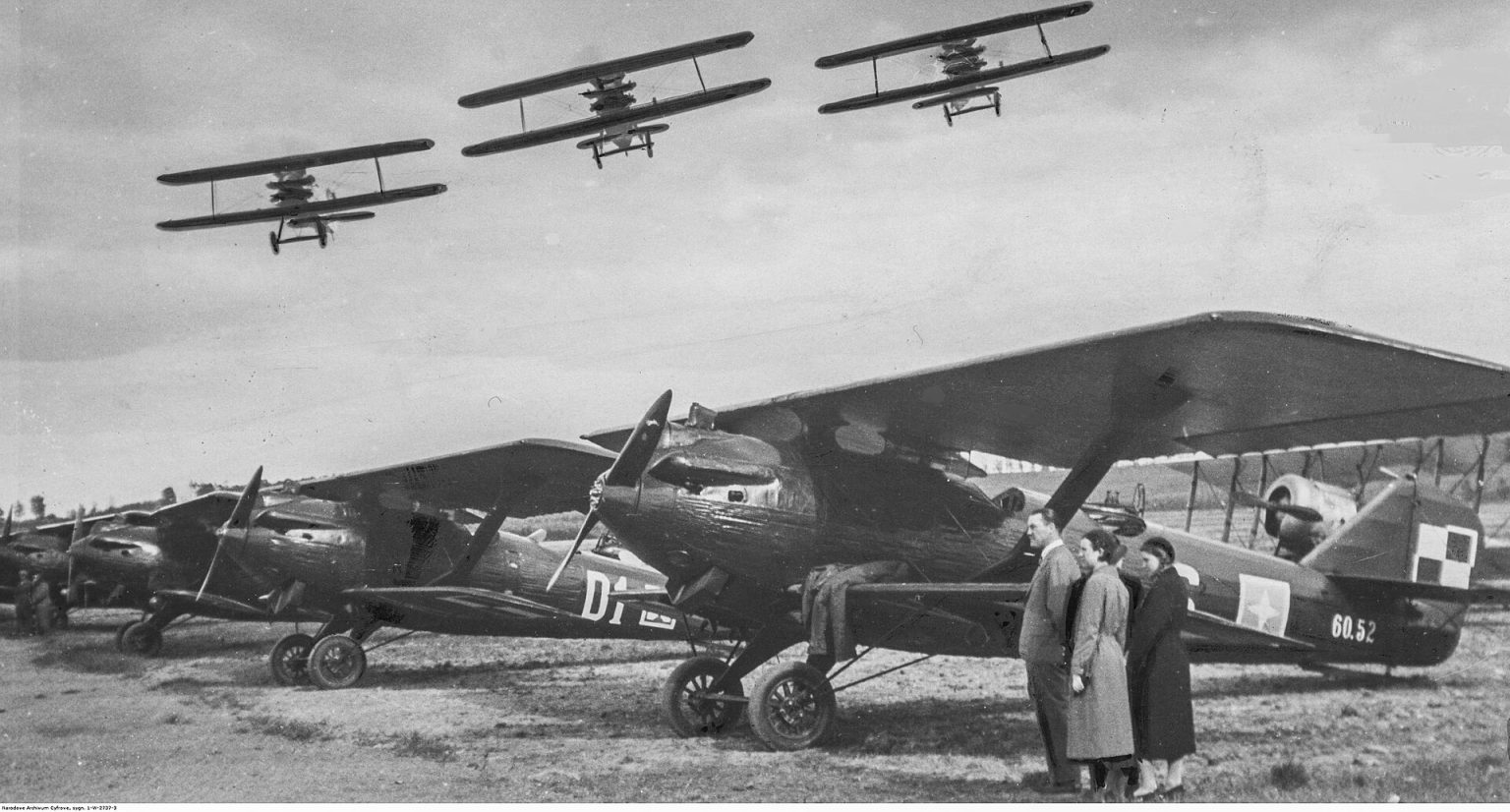
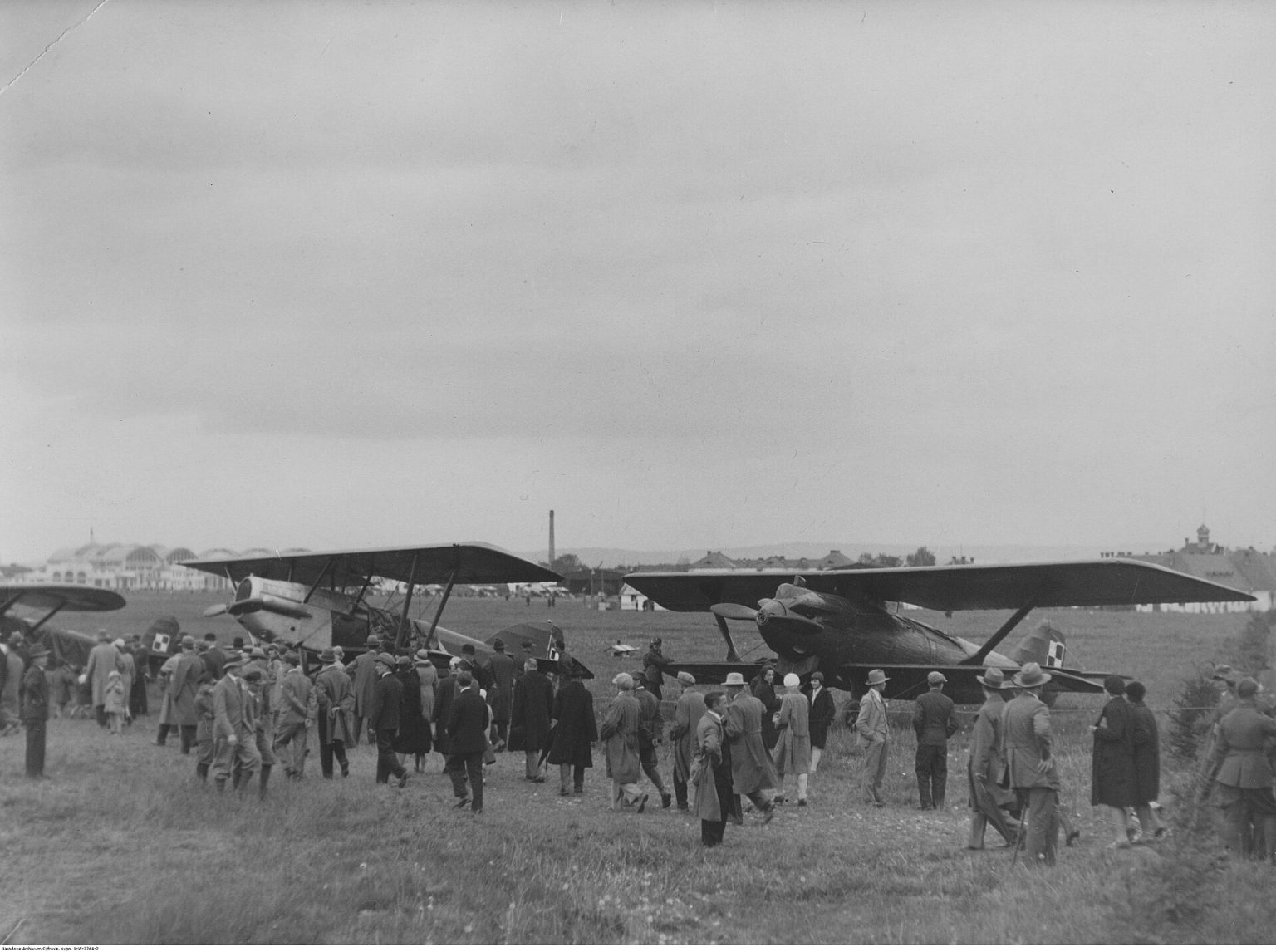
Production was on a scale few interwar types matched. Well over two thousand were built — the great majority in France, but many hundreds more under licence abroad. And it is the export and licence story that really sets the Breguet 19 apart. It was adopted by an extraordinary range of air forces: France itself, of course, but also Belgium, Spain, Yugoslavia, Greece, Romania, Poland, Czechoslovakia, Turkey, China and others, with licence production established in Spain, Belgium, Yugoslavia, Japan and elsewhere. Few aircraft of the era were so widely used across so many nations.
This global footprint made the Breguet 19 one of the standard military aircraft of a whole generation of smaller air forces. For many countries building up their air arms in the 1920s and 1930s, the versatile, robust and affordable Breguet was an obvious choice, capable of serving as a bomber, a reconnaissance aircraft and a general workhorse. It equipped squadrons from the Atlantic to the Balkans and across the Andes, and in doing so it became one of the defining aircraft of interwar military aviation outside the great powers.
But it is for its record-breaking long-distance flights that the Breguet 19 is best remembered by the wider public. Specially built long-range versions — known as the Grand Raid, and the extended-range “Bidon” and “Super Bidon” machines, their fuselages filled with fuel tanks — carried French aviation to a series of pioneering achievements. In these aircraft, French crews set distance records and flew some of the great pioneering routes of the age, at a time when long-distance flight was headline news around the world.
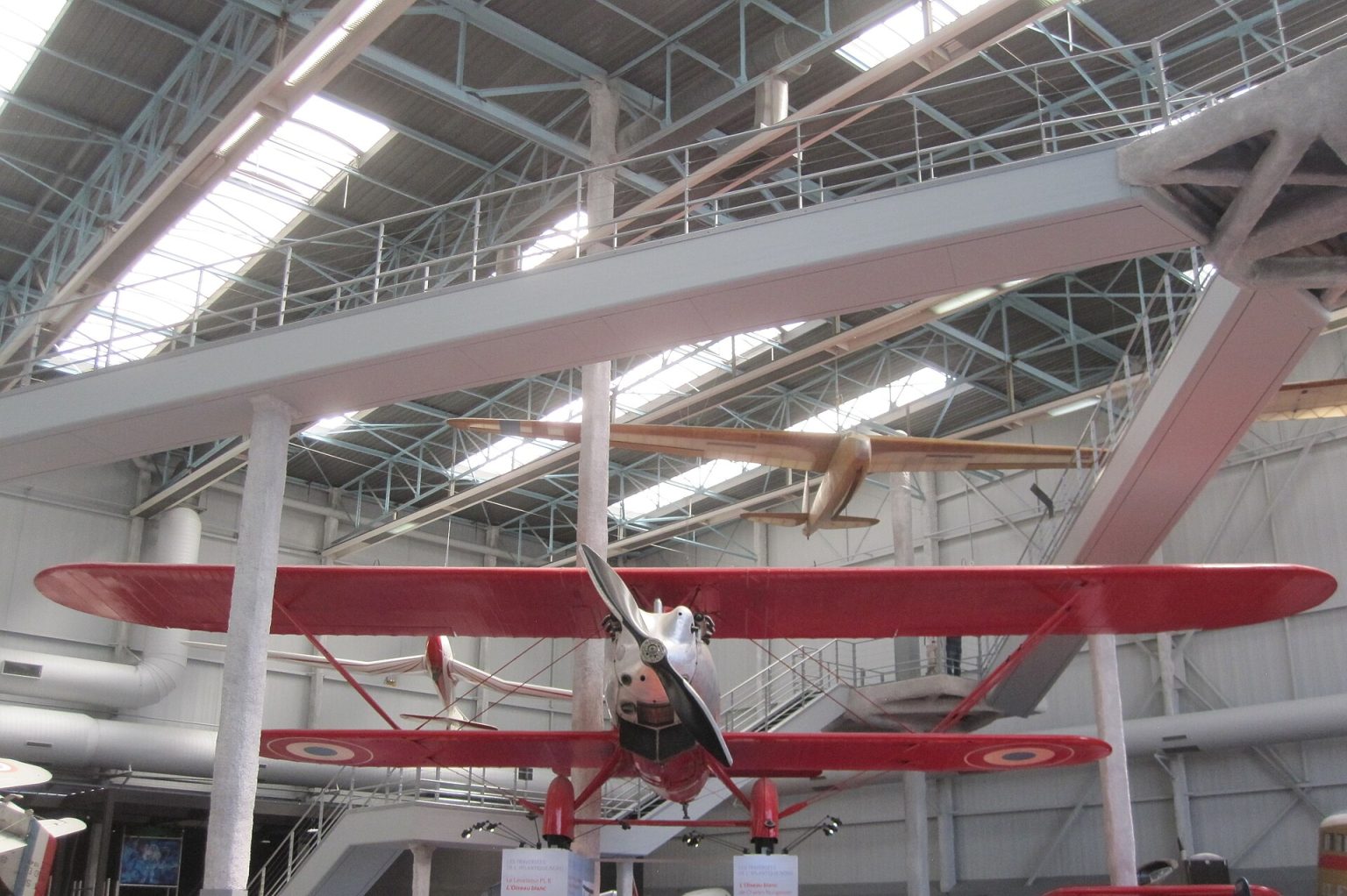
The most famous of all was the aircraft named “Point d’Interrogation” — the “Question Mark.” A Breguet 19 Super Bidon, flown by Dieudonné Costes and Maurice Bellonte, it made the first non-stop aeroplane flight from Paris to New York in September 1930 — the difficult east-to-west crossing, flown against the prevailing Atlantic winds that had defeated so many before them. It was a sensation. Costes and Bellonte were feted as heroes, and their Breguet secured a permanent place in aviation history. That aircraft survives today, preserved as one of the treasures of French aviation.
The Question Mark was the most celebrated, but it was not the only Breguet 19 to make history. Earlier, Costes had teamed with Joseph Le Brix to fly a Breguet 19 named after the lost aviators Nungesser and Coli on a series of epic journeys, including the first non-stop crossing of the South Atlantic in 1927 and a long tour across the Americas and around much of the world. Breguet 19s set distance records and flew pioneering routes across continents, making the type a symbol of the golden age of long-distance flying.
These flights were far more than sporting stunts. In the 1920s and early 1930s, long-distance records were a matter of intense national pride and a very public demonstration of a nation’s aeronautical prowess — and, not incidentally, superb advertising for the manufacturer. Each successful raid proved the reliability of the aircraft and its engine over enormous distances and in every kind of weather, and helped map out the intercontinental air routes that airlines would later follow. That a military biplane could be adapted to set world records says a great deal about the fundamental soundness of Breguet’s design, and it made the Breguet 19 a household name far beyond aviation circles.
The Breguet 19 was not only a record-breaker and a peacetime workhorse; it also saw a great deal of combat. In the 1920s it was used in colonial campaigns, notably the Rif War in Morocco, where French and Spanish air forces flew Breguet 19s in the bombing and reconnaissance role against the Riffian rebels. It was one of the standard combat aircraft of that harsh, dusty air war, and it established the type’s reputation as a rugged and reliable military machine.
In South America, the Breguet 19 fought in the Chaco War of 1932–35 between Bolivia and Paraguay — one of the bloodiest wars in the continent’s history, and one in which both sides fielded Breguet aircraft. And in the Spanish Civil War of 1936–39 the type saw extensive use on both sides: Spain had built the Breguet 19 under licence and operated large numbers, and when the country split, Breguet 19s ended up flying and fighting for Republicans and Nationalists alike. By then the biplane was obsolescent, but it was pressed hard into service in the desperate early fighting.
By the outbreak of the Second World War the Breguet 19 was thoroughly outdated as a front-line aircraft, but such was the scale of its production and the breadth of its service that examples lingered in second-line and training roles, and a few even flew in the opening campaigns of the war with some of its smaller operators. It was a remarkably long career for a design that had first flown in 1922 — testimony to how sound, adaptable and well-liked the aircraft was.
The Breguet 19’s legacy is secure on several counts at once. As a piece of engineering, it helped carry forward the metal-construction revolution that Louis Breguet had championed. As a military aircraft, it was one of the most widely used and longest-serving types of the interwar years, flown and fought in on three continents. And as a record-breaker, it gave the world some of the most celebrated flights of aviation’s heroic age. Preserved examples survive in museums in France, Spain, Serbia and elsewhere — including the immortal Question Mark — keeping alive the memory of one of the great aircraft of its time.
01The Breguet 19 and the metal-construction revolution+
The Breguet 19 was a product of Louis Breguet’s long commitment to metal aircraft construction. At a time when most aircraft were still built of wood and fabric, Breguet had pioneered the extensive use of metal in the famous Breguet 14 of the First World War, and the Breguet 19 carried that philosophy further, making extensive use of duralumin — the strong, light aluminium alloy that would come to define modern aircraft.
This gave the Breguet 19 a real edge in durability and maintainability, especially in the hard conditions of colonial and expeditionary service. A metal-framed aircraft stood up far better to heat, damp and rough handling than a wooden one. In its construction, the Breguet 19 was a bridge between the fabric biplane of the First World War and the all-metal monoplane that was to come — notably advanced for an aircraft that first flew in 1922.
02A family of engines: adaptable by design+
One of the keys to the Breguet 19’s success was its adaptability, and nowhere was this clearer than in its engines. The type was built to accept a wide range of French inline powerplants — from Lorraine-Dietrich, Renault, Hispano-Suiza and others — typically water-cooled V-12s of several hundred horsepower.
This flexibility meant the Breguet 19 could be tailored to different customers and roles, and kept in production as engines improved over the 1920s and 1930s. It also suited export customers, who could specify the engine that best matched their needs and supply arrangements. Rather than a single fixed aircraft, the Breguet 19 was really a whole family of closely related machines, and that versatility is a large part of why it sold so widely and served so long.
03Bomber, reconnaissance and long-range raider+
The Breguet 19 was designed as a two-seat light bomber and reconnaissance aircraft, and in that role it served as a general military workhorse for dozens of air forces. It carried a crew of two — a pilot and an observer/gunner — a defensive machine gun and a useful bomb load, and it could undertake bombing, reconnaissance, artillery observation and liaison duties with equal ease.
But the design was also developed into dedicated long-range versions — the Grand Raid, and the extended-range “Bidon” and “Super Bidon” machines — with much greater fuel capacity for record flights. This versatility, from front-line bomber to ocean-crossing record-breaker, is one of the most remarkable things about the type: the same basic design served both as a humble military workhorse and as a headline-grabbing pioneer of long-distance flight.
04Built by the thousand: mass production+
The Breguet 19 was produced on a scale that few interwar aircraft matched. Well over two thousand were built — the great majority in France, where it was one of the mainstays of the French aircraft industry through the 1920s — with many hundreds more built under licence abroad.
This mass production made the Breguet 19 one of the standard military aircraft of its era, and gave it the ubiquity that helped spread it across the world. Large production runs kept unit costs down and made the type an affordable choice for smaller air forces, while the sheer number built meant that Breguet 19s remained available and supportable for many years — a virtuous circle that reinforced its commercial and military success.
05An extraordinary export and licence footprint+
Perhaps the most striking thing about the Breguet 19 is how widely it was exported and licence-built. It was adopted by an exceptional range of air forces — among them France, Belgium, Spain, Yugoslavia, Greece, Romania, Poland, Czechoslovakia, Turkey and China — and it was built under licence in several countries, including Spain (by CASA), Belgium (by SABCA), Yugoslavia and Japan.
Few aircraft of the interwar years were so genuinely international. The Breguet 19 became a common sight in the air forces of Europe, the Balkans, South America and Asia, and for many smaller nations it was the aircraft with which they built up a modern air arm. This global reach is central to the type’s historical importance: it was not just a French aircraft but, for a decade and more, one of the standard military aircraft of much of the world.
06The “Question Mark” and the first Paris–New York flight+
The most famous Breguet 19 of all was the “Point d’Interrogation” — the “Question Mark” — a Super Bidon long-range version flown by Dieudonné Costes and Maurice Bellonte. In September 1930 they flew it non-stop from Paris to New York, achieving the first aeroplane crossing in that direction.
The east-to-west crossing was far harder than the celebrated west-to-east flights, because it had to be flown against the prevailing Atlantic winds — a challenge that had defeated many earlier attempts, some fatally. Costes and Bellonte’s success made them international heroes and gave France one of its proudest aviation achievements. The Question Mark itself survives, preserved as one of the great treasures of French aviation history — a tangible link to the golden age of long-distance flight.
07Costes, Le Brix and the ocean-crossing raids+
The Question Mark was the most famous, but it was far from the only record-breaking Breguet 19. Earlier, Dieudonné Costes had teamed with the naval aviator Joseph Le Brix to fly a Breguet 19 — named “Nungesser-Coli” after the two French airmen lost attempting the Atlantic — on a series of epic journeys.
These included the first non-stop crossing of the South Atlantic in 1927, followed by a long tour across South and North America and much of the world. Breguet 19s set world distance records and flew many of the pioneering long-range routes of the late 1920s. Together, these flights made the Breguet 19 one of the great symbols of the heroic age of aviation, when each new record and each new route was front-page news around the globe.
08The Rif War: colonial combat in Morocco+
The Breguet 19 saw a great deal of combat, beginning with the colonial air wars of the 1920s. The most significant was the Rif War in Morocco, in which French and Spanish forces fought the Riffian uprising led by Abd el-Krim. Both air forces used Breguet 19s extensively for bombing and reconnaissance against the rebels.
It was harsh, difficult flying over rugged terrain in a punishing climate, and the rugged, metal-built Breguet 19 was well suited to it. The Rif War established the type’s reputation as a dependable military aircraft in hard conditions, and it was one of the standard combat aircraft of that conflict. As with all colonial air campaigns of the era, the fighting was often one-sided and brutal; the Breguet 19 was one of its principal instruments.
09The Chaco War: Breguet against Breguet in South America+
The Breguet 19 also fought in South America, in the Chaco War of 1932–35 between Bolivia and Paraguay — one of the bloodiest conflicts in the continent’s history, fought over the arid Gran Chaco region. Both belligerents had acquired Breguet aircraft, so the type found itself on both sides of the fighting.
The Chaco War was one of the first conflicts in the Americas to feature significant use of military aircraft, and the Breguet 19 played its part in reconnaissance and bombing over the harsh terrain. That the same French biplane served on both sides of the war is a striking illustration of just how widely the Breguet 19 had been exported across the world — it had become a genuinely global aircraft, turning up wherever military aviation was taking hold.
10The Spanish Civil War: on both sides+
Spain had built the Breguet 19 under licence and operated large numbers, so when the Spanish Civil War broke out in 1936 the type was already one of the mainstays of Spanish military aviation. As the country and its armed forces split, Breguet 19s ended up in the hands of both the Republican and the Nationalist sides, and both used them in the bitter early fighting.
By 1936 the Breguet 19 was obsolescent — slow and vulnerable against modern fighters — but in the desperate opening phase of the war, before more modern aircraft arrived in quantity from foreign backers, it was pressed hard into service as a bomber and reconnaissance aircraft. Its use on both sides of that tragic conflict is a sombre chapter in the type’s history, and a reminder of how long these interwar biplanes soldiered on.
11Longevity: a career from 1922 to the Second World War+
Few aircraft that first flew in 1922 were still in military service at the outbreak of the Second World War, but the Breguet 19 was. By 1939 it was thoroughly obsolete as a front-line aircraft, but the sheer scale of its production and the breadth of its service meant that examples lingered on in second-line, training and liaison roles with a number of air forces.
A few even saw use in the opening campaigns of the war with some of the type’s smaller operators, notably in the Balkans. This remarkable longevity — a front-line and then second-line career spanning the best part of two decades — is a testament to how sound, adaptable and well-liked the Breguet 19 was. It was one of those rare designs that remained useful long after the technology that spawned it had moved on.
12The Breguet 19 and the Breguet 14 lineage+
The Breguet 19 was the direct successor to the Breguet 14, one of the outstanding aircraft of the First World War. The Breguet 14 had been a rugged, metal-framed bomber and observation aircraft, built in huge numbers and admired for its toughness. The Breguet 19 inherited and developed that legacy.
The two aircraft together represent one of the great continuities in French military aviation — a line of tough, metal-built Breguet biplanes that spanned the First World War and the interwar decades. The Breguet 19 took everything that had made the Breguet 14 successful — ruggedness, adaptability, metal construction, wide production — and carried it into a new era, becoming, if anything, an even greater success than its distinguished predecessor.
Design & Engineering
How the Breguet 19 was built: a metal biplane for the world
A duralumin-framed two-seat biplane in the Breguet tradition of metal construction — rugged, adaptable to many engines, and developed from front-line bomber to ocean-crossing record-breaker.
Metal construction
Extensive use of duralumin, in the Breguet tradition — strong, light and durable, notably advanced for an aircraft that first flew in 1922.
Many engines
Built to accept a range of French inline V-12s — Lorraine, Renault, Hispano-Suiza — making it easy to tailor to customers and keep current.
Bomber to record-breaker
The same basic design served as a light bomber, a reconnaissance aircraft and, in the “Bidon” long-range versions, an ocean-crossing raider.
Specifications
Breguet 19 specifications: dimensions, performance and cost
Baseline note: the figures describe the Bréguet 19 A.2 reconnaissance and B.2 bomber, the two service versions that account for the overwhelming majority of the roughly 2,700 built, with the Lorraine-Dietrich 12Ed Courlis or Renault 12Kb. Deltas for the long-range record aircraft — the GR, the TR Bidon and the TF Super Bidon — and for the late Br.19.7 and 19.8 are in grey. Two structural warnings about Bréguet 19 tables. First, this airframe took more different engines than almost any other aircraft of its generation — Renault, Lorraine, Hispano-Suiza, Farman, Gnome-Rhône Jupiter, Liberty, Bréguet-Bugatti and Wright Cyclone all appear — so a performance figure without an engine attached to it is meaningless, and a great many published figures have no engine attached to them. Maximum speed across the family runs from 214 km/h to 279 km/h, a spread of thirty per cent, and every figure in that range is correct for something. Second, the record aircraft are not the service aircraft. The Super Bidon that crossed the Atlantic had a wingspan half again as large as a B.2, five thousand litres of fuel where the B.2 had 365, and a 650 hp engine where the B.2 had 450; treating the two as one type is the commonest error in popular accounts of this aeroplane.
Dimensions & weights
- Crew
- 2 — pilot and observer/bombardier in tandem open cockpits
- Length
- 9.61 m (31 ft 6 in)
- Wingspan, upper wing
- 14.83 m (48 ft 8 in)
- Wing configuration
- sesquiplane — lower wing of markedly smaller span and chord, two-bay bracing
- Height
- 3.69 m (12 ft 1 in)
- Wing area
- 50.0 m² (538 sq ft)
- Empty weight
- 1,387 kg (3,058 lb)
- Maximum take-off weight
- 2,500 kg (5,512 lb)
- Wing loading at maximum weight
- 50.0 kg/m² (10.2 lb/sq ft)
- Internal fuel
- 365 litres (80 imp gal, 96 US gal)
- Bomb load
- 472 kg (1,041 lb) under the fuselage and in internal small-bomb cells — up to ~700 kg (~1,543 lb) is quoted for the bomber fit, ~400 kg for the reconnaissance fit
- Structure
- framework of duralumin tubes; duralumin sheet skinning forward to the rear cockpit, fabric over the aft fuselage, tail and wings
- Record aircraft, for comparison
- Br.19 TF Super Bidon: 18.3 m span (60 ft 0 in), 10.72 m long, 59.94 m² wing area, 6,375 kg (14,055 lb) maximum weight, 5,370 litres of fuel
Performance
- Maximum speed
- 214 km/h (133 mph) with the Lorraine 12Ed
- Maximum speed, Br.19.7
- 242 km/h (150 mph) with the Hispano-Suiza 12Nb
- Maximum speed, Br.19.8
- 279 km/h (173 mph) with the Wright Cyclone radial — faster than several fighters it might have met
- Cruising speed
- about 175 km/h (109 mph)
- Rate of climb
- about 5.1 m/s (1,000 ft/min)
- Time to 2,000 m
- about 7 minutes (to 6,560 ft) — derived from the quoted climb rate. Period French tables give time to height, but the published times differ by engine and are not consistently attributed, so none is reproduced here as a service figure.
- Service ceiling
- 7,200 m (23,600 ft) — genuinely high for a 1922 design, and the number that made it competitive
- Endurance
- 4 to 5 hours depending on load and weather
- Range
- 800 km (500 miles)
- Range, TF Super Bidon
- up to 9,000 km (5,590 miles) — more than eleven times the service aircraft's
- World distance record, 27–29 September 1929
- 7,905 km (4,912 miles), Paris to Tsitsihar in Manchuria, in about 51 hours — 7,925 km in some sources; the destination appears garbled as "Moullart" in several databases, which is Tsitsihar (Qiqihar) mangled
- Paris to New York, 1–2 September 1930
- 6,200 km (3,850 miles) in 37 hours 18 minutes, an average of 166 km/h against headwinds that at times cut groundspeed to 120 km/h
Propulsion & systems
- Engine, early production
- 1 × Renault 12Kb, water-cooled V-12, about 358 kW (480 hp)
- Engine, common alternative
- 1 × Lorraine-Dietrich 12Ed Courlis, water-cooled W-12 broad arrow, 336 kW (450 hp) at 1,850 rpm, 24.4 litres
- Engine variety
- Hispano-Suiza 12Hb, 12Lb and 12Nb; Farman 12We (370 kW); Lorraine 12Db; Gnome-Rhône Jupiter (310 kW); Liberty L-12; Bréguet-Bugatti U.16; Wright Cyclone. Roughly 280 to 640 kW across the family
- Br.19.7
- Hispano-Suiza 12Nb, about 485 kW (650 hp) — the definitive late production standard, built in France, Yugoslavia and Turkey
- Br.19.8
- Wright Cyclone radial; 48 Yugoslav Br.19.7 airframes were completed to this standard
- Record aircraft engines
- Hispano-Suiza 12Lb of 447 kW (600 hp) in the GR Nungesser-Coli, later a 485 kW (650 hp) 12NLb in the TF Super Bidon Point d'Interrogation
- Propeller
- two-blade fixed-pitch, wood or metal according to engine and customer
- Gun synchronisation
- Birkigt gear — the Système de Synchronisation pour Vickers Type II (moteurs fixes), the French standard for fixed-engine installations, in service from the mid-1920s to the Second World War
- Why the structure mattered
- Bréguet used duralumin tube where competitors used steel or wood. The airframe came out light for its strength, it did not rot in the tropics or rust in the Balkans, and a bent tube could be replaced in a field workshop — the single best explanation of why this type was still flying in 1941
- Fuel provision across the family
- 365 litres standard; about 2,000 litres in the GR; 2,900 to 3,000 in the GR 3000 litres; 3,735 in the TR Bidon; 5,370 in the TF Super Bidon
- Licence engine production
- the Lorraine 12E was built under licence by Elizalde in Spain and Skoda in Poland, which is part of why Spanish and Polish Bréguets could be kept flying without French supply
13The Breguet 19 family: variants and long-range versions+
The Breguet 19 was produced in a range of variants for different roles. The main military versions were the A2 reconnaissance aircraft and the B2 bomber, which between them equipped most of the type’s many operators. These differed in detail equipment but shared the same basic airframe, and could be fitted with a variety of engines.
Alongside the military versions came the specialised long-range machines: the Grand Raid, with extra fuel capacity, and the extended-range “Bidon” and “Super Bidon” aircraft, whose fuselages were largely given over to fuel tanks for record flights. It was a Super Bidon — the “Question Mark” — that made the first non-stop Paris–New York flight. This spread of variants, from humble bomber to ocean-crossing raider, is one of the type’s defining features.
14The Breguet 19’s cost: what the records show+
As with most aircraft of the 1920s, there is no reliable, transparent public figure for the Breguet 19’s unit cost, cost per flight hour or total programme cost. It was procured over many years by many different air forces, in France and abroad and under several licence arrangements, and consistent lifetime cost data does not survive in a usable form.
Rather than repeat an invented number, we list the cost fields here as “not reliably recorded.” What can be said is that the Breguet 19’s large-scale production and its affordability were central to its success. Long production runs kept unit costs down, and the type’s low cost and easy maintenance made it an attractive choice for the many smaller air forces that could not afford more expensive aircraft — a key reason it sold so widely.
15Why the Breguet 19 mattered so much+
The Breguet 19’s importance rests on a rare combination of achievements. As a piece of engineering, it advanced the metal-construction techniques that Louis Breguet had long championed, helping bridge the gap between the fabric biplane and the all-metal monoplane. As a military aircraft, it was one of the most widely used and longest-serving types of the interwar years, flown and fought in on three continents.
And as a record-breaker, it gave the world some of the most celebrated flights of aviation’s heroic age, above all the first non-stop Paris–New York crossing. Few aircraft can claim to have been at once a mass-produced military workhorse, a genuinely global export success, and a headline-grabbing pioneer of long-distance flight. That combination is what makes the Breguet 19 one of the great aircraft of its era.
16Survivors: the Question Mark and other preserved aircraft+
A number of Breguet 19s survive in museums, a fitting legacy for so important a type. The most celebrated is the “Point d’Interrogation” — the Question Mark — the Super Bidon that made the first non-stop Paris–New York flight, preserved in France as one of the treasures of the nation’s aviation heritage.
Other preserved Breguet 19s can be found in Spain, where the type was built under licence and used extensively, and in Serbia, at the aviation museum in Belgrade, reflecting the aircraft’s long service in the former Yugoslavia. These survivors — spread across the countries that built and flew the type — are a tangible reminder of just how far the Breguet 19 travelled, and how important it was to the aviation history of many nations.
Armament & payload
The Bréguet 19's decisive payload was not its bombs but its fuel
As a weapon the Bréguet 19 was thoroughly conventional: one or two synchronised Vickers forward, two Lewis guns on the observer's ring, 472 kg of bombs, all of it standard for a 1922 two-seater and none of it distinguishing. What was not conventional was how much fuel the airframe would take. The duralumin-tube structure came out light for its strength, and Bréguet exploited that margin harder than anyone else exploited theirs, building progressively more extreme long-range conversions until the TF Super Bidon carried 5,370 litres — nearly fifteen times the service aircraft's tankage — and crossed the Atlantic westbound. The bombs made the Bréguet 19 the most numerous French combat aircraft of the late 1920s. The fuel made it famous. Gun fit varied by mark, by customer and by year: one forward gun or two, a ventral Lewis on some batches only, and the record aircraft carried no armament at all.
Gun
- 1 × fixed forward-firing 7.7 mm Vickers, synchronised through the propeller disc by the Birkigt gear; a second fixed gun was fitted on many aircraft and was standard on the CN.2 night fighter
- 2 × 7.7 mm Lewis on a ring mounting for the observer, drum-fed from 97-round pans
- Certain production batches added a third Lewis firing downward through a floor hatch, covering the blind cone beneath the tail — the standard interwar answer to an attack from below, and about as effective as it sounds
- Sights were a ring-and-bead for the pilot and open sights on the ring mounting; there was no gyroscopic or computing sight of any kind
- By the Spanish Civil War this fit was hopeless against monoplane fighters, and Bréguet 19 losses on both sides reflect that: 28 lost by the Republic, 10 by the Nationalists
Air-to-air
- None, and none existed anywhere. The first operational air-to-air missiles reached service in the mid-1950s, two decades after the last Bréguet 19 was shot down
- The type's air-to-air armament was the pilot's synchronised Vickers and the observer's twin Lewis, and nothing else was ever contemplated
- The Br.19 CN.2 night fighter variant is the one attempt to make an interceptor of it — an extra forward gun on a 214 km/h reconnaissance biplane, which tells you how low the bar was in 1926
- In 1941 Yugoslav Bréguet 19s went up against Bf 109s. The outcome was what arithmetic predicts, and it is the last chapter of the type's combat record
Air-to-surface guided
- None. No guided air-to-surface weapon existed during this aircraft's service life, which ran from 1924 to 1945
- The first used in action were the German Fritz X and Henschel Hs 293 in 1943 — and by then a handful of Bréguet 19s were still flying in the Balkans, which is a genuinely strange overlap
- Bombing was by eye through a simple optical sight from the observer's position, with the aircraft flown straight and level by the pilot on his instructions
- Releases were mechanical, worked by cable; there was no electrical provision for any steered or powered store
Bombs
- 472 kg (1,041 lb) is the best-attested service load, carried on racks under the fuselage with small bombs in internal cells
- Up to about 700 kg (1,543 lb) is quoted for the dedicated bomber configuration; about 400 kg was normal in the A.2 reconnaissance fit with cameras and full fuel
- The load is unremarkable for the period; what mattered was that it could be carried 800 km and back off an unprepared strip
- The type's grimmest entry: on 22 July 1936 a Nationalist Bréguet 19 bombed Otxandio, the first aerial bombing in the history of the Basque Country, ten months before Guernica
- In the Chaco War Bolivia used about ten Bréguet 19 A.2s in the bombing and reconnaissance role — the same type Spain would shortly be flying on both sides of its own war
Rockets
- None. Not carried, not trialled, not proposed for this type
- Air-launched rocket projectiles reached squadron service in the 1940s, by which point the Bréguet 19 was a museum piece that a few air forces had not got round to burning
- The wings were fabric over duralumin structure and would have needed redesign to take rails
- Ground attack was flown throughout with bombs and the forward guns, at heights where the aircraft's own vulnerability was the limiting factor
Pods & other stores
- Cameras: the A.2 was a reconnaissance aircraft first, and the camera installation was its reason for existing
- Wireless, message bags and pick-up gear for army co-operation
- Auxiliary fuel, on a scale no other member of this generation attempted: 2,000 litres in the GR, 3,735 in the TR Bidon, 5,370 in the TF Super Bidon. The Bréguet 19's claim on history rests entirely on this store
- Floats on the Br.19 hydro prototypes, one for France and one for Japan
- A closed canopy on the Spanish-built Cuatro Vientos of 1933 — a rare comfort on a type otherwise flown with the crew's heads in the airstream
Three typical loadouts
- Day bombing sortie, B.2, French service, later 1920s
- About 472 kg of bombs under the fuselage and in the internal cells, full 365 litres of fuel, one or two synchronised Vickers forward and twin Lewis aft. Radius roughly 300 km with a reserve — and this, in 1928, was the most numerous combat aircraft in the French inventory.
- Reconnaissance patrol, A.2, Yugoslavia or Poland, 1930s
- Cameras and wireless, about 400 kg of small bombs or none at all, maximum fuel for four to five hours. The aeroplane the type actually was, as opposed to the one its category letter suggests.
- Paris to New York, TF Super Bidon Point d'Interrogation, 1–2 September 1930
- No armament, no cameras, no crew comfort: 5,370 litres of fuel, an 18.3 m wing, a 650 hp Hispano-Suiza 12NLb, two men, a bubble sextant and 37 hours 18 minutes. Every kilogram not fuel had been argued out of the aeroplane.
Sourcing caveat. Because the Bréguet 19 was built in about twenty configurations across four countries, almost every armament figure in the literature is correct for some aircraft and wrong for most. The 472 kg bomb load is the best-attested single figure and is the one used here; 700 kg and 400 kg both circulate and are probably bomber-overload and reconnaissance-normal respectively rather than errors. The number of forward guns genuinely varied. Ammunition provision is almost never stated in any source consulted. Spanish Civil War loss figures — 28 Republican and 10 Nationalist, the latter including three aircraft that changed sides — are the commonly published set and should be read as an accounting of written-off airframes rather than of combat losses alone.
Variants
About 2,700 built in four countries, and the aeroplane that made the first non-stop flight from Europe to the United States
The Bréguet 19 is one of the great workhorses of the interwar decade, and its virtues are unglamorous ones. Louis Bréguet built the fuselage frame from duralumin tube at a time when almost everyone else used welded steel or wood, skinned it in duralumin sheet as far back as the rear cockpit and covered the rest in fabric. The result was light for its strength, indifferent to tropical damp and Balkan winters alike, and repairable in a field workshop by replacing a tube. That is why more than 2,000 were built in France and about 700 more under licence by CASA in Spain, SABCA in Belgium, Nakajima in Japan and the state factory at Kraljevo in Yugoslavia, and why the type served with well over a dozen air forces from Argentina to Manchuria.
Its record career is why it is remembered, and it needs to be stated precisely because it is usually not. On 1–2 September 1930 Dieudonné Costes and Maurice Bellonte flew the TF Super Bidon Point d'Interrogation from Le Bourget to Curtiss Field, Valley Stream, New York — 6,200 km in 37 hours 18 minutes, landing before 25,000 people with Charles Lindbergh among them. What that flight was first at is narrower than the usual claim. It was not the first non-stop Atlantic crossing: Alcock and Brown did that eastbound in 1919. It was not the first non-stop westbound crossing by an aeroplane either: the Junkers W 33 Bremen flew Baldonnel to Greenly Island, Labrador, on 12–13 April 1928, non-stop and east to west, though it was aiming for New York and missed by a continent's width because its compass failed. What Costes and Bellonte were first to do was fly non-stop from continental Europe to the United States — Paris to New York, the exact reversal of Lindbergh's 1927 route, and the crossing everyone had been trying to make. Wikipedia calls it the second non-stop east-west crossing, which is defensible; the FAI and most French sources call it the first Europe-to-America flight, which is also defensible. Both are describing the same aeroplane and the same 37 hours, and the disagreement is entirely about where Greenly Island counts as America.
The type's combat record is longer and less happy. It fought in Morocco and the Levant with the French, in the Chaco with Bolivia, and then in Spain, where it became one of the very few aircraft to serve as a front-line bomber for both sides of the same war: fewer than a hundred were in Spanish service in July 1936 and they split with the country, the Nationalists buying twenty more from Poland to make up numbers. On 22 July 1936 a Nationalist Bréguet bombed Otxandio, the first aerial bombardment in Basque history. Both sides withdrew the type from the front line during 1937 and flew it as a trainer thereafter. In April 1941 Yugoslav Bréguet 19s flew against the Luftwaffe, one was taken to Tito's partisans by its pilot and flown until shot down in July 1942, and two more were captured by communist forces in April 1945 and used against the Ustaše. That is a nineteen-year combat career for a 1922 reconnaissance biplane, and it says as much about the poverty of the air forces that flew it as about the aeroplane.
- Br.19.01 prototype (1922, 1)
- First flown in March 1922 and shown at the Paris Salon; later sold to Spain. The design came from Marcel Vuillierme's team under Louis Bréguet, and the duralumin-tube philosophy was there from the start.
- Br.19 A.2 (from 1924)
- Two-seat reconnaissance aircraft with cameras and wireless. With the B.2 it makes up the great bulk of production and is the baseline for the figures above.
- Br.19 B.2 (from 1924)
- Two-seat light day bomber. By the late 1920s the Bréguet 19 in these two forms was the most numerous combat aircraft in French service, and the standard equipment of a dozen other air forces.
- Br.19 CN.2 (late 1920s, small numbers)
- Night fighter with an additional forward-firing gun. A category that existed on paper more than in the air, and a reminder of how thin the interwar French night-defence idea was.
- Br.19 GR and GR 3000 litres (1925–27, GR small numbers, GR 3000 3 built)
- Grand Raid conversions with about 2,000 litres of fuel, then 2,900 to 3,000. The GR took the world distance record in 1925. Aircraft no. 1685, named Nungesser-Coli after the crew lost in the White Bird, carried Costes and Le Brix across the South Atlantic non-stop from Saint-Louis in Senegal to Port Natal in Brazil on 14–15 October 1927, 3,380 km in just over 18 hours — the first non-stop South Atlantic crossing by an aeroplane — and then round the world, 57,000 km between October 1927 and April 1928, with the San Francisco to Tokyo leg by ship.
- Br.19 TR Bidon (1927, 7 — 5 French, 2 Spanish)
- Bidon, the jerrycan: 3,735 litres. The Spanish CASA-built Jesús del Gran Poder is one of these and flew Seville to Bahia in 1929.
- Br.19 TF Super Bidon (1929, 2)
- The final long-range development: 18.3 m span, 5,370 litres, Hispano-Suiza 12Lb then 12NLb. The French aircraft was the Point d'Interrogation. The Spanish one, Cuatro Vientos, flew Seville to Cuba on 10–11 June 1933 and then vanished over Mexico with Barberán and Collar.
- Br.19.7 (from 1930)
- The definitive late production version, with the Hispano-Suiza 12Nb of about 650 hp and 242 km/h. Built in France, in Yugoslavia at Kraljevo (75) and bought by Turkey (50 in 1932) and Romania.
- Br.19.8, 19.9 and 19.10 (1932–35, 48 plus 2 prototypes)
- Yugoslav re-engining programme. 48 Br.19.7 airframes were completed as Br.19.8 with the Wright Cyclone radial, reaching 279 km/h; single prototypes followed with the Hispano-Suiza 12Ybrs (19.9) and Lorraine 12Hfrs (19.10).
- CASA licence production, Spain (1926–35)
- 19 aircraft imported, 26 assembled from French parts, then 177 built outright for the Spanish air arm, with further work later. Spain is the reason the type fought a civil war on both sides.
- SABCA licence production, Belgium (1926–30, 146)
- 146 A.2s and B.2s built under licence, on top of six bought from France in 1924.
- Kraljevo licence production, Yugoslavia (1927–35, ~300)
- 100 A.2s bought in 1924, then 85 assembled from French parts and 215 built from scratch, plus the Br.19.7 and 19.8 programmes. Yugoslavia was the largest foreign operator and the last to fight the type.
- Nakajima licence production, Japan (from 1926)
- Licence-built aircraft including floatplane work. Japan's involvement is the least documented part of the Bréguet 19 story and no reliable total was found.
- Br.19 hydro (2)
- Twin-float seaplane conversions, one for France and one for Japan. Neither led to production.
Survivors, stated precisely. Three original Bréguet 19 airframes are known to exist, and all three are record aircraft rather than service machines. The Br.19 GR Nungesser et Coli, no. 1685, the South Atlantic and round-the-world aircraft, is held by the Musée de l'Air et de l'Espace at Le Bourget and was not on public display as of 2009. The Br.19 TF Super Bidon Point d'Interrogation, the Paris–New York aircraft, is at the same museum, restored and on display in the interwar hall; it was donated in 1938 after the museum successfully contested Costes's own claim to ownership. The CASA-built Br.19 TR Bidon Jesús del Gran Poder is at the Museo del Aire, Cuatro Vientos, Madrid. No reproduction or replica Bréguet 19 is known to have been built, and none is airworthy anywhere. The striking figure is the negative one: of roughly 2,700 aircraft, not one ordinary A.2 or B.2 — not one of the machines that did the actual work in Morocco, Poland, Yugoslavia, Bolivia and Spain — is known to survive. Production totals themselves are approximate: "more than 2,000" French-built and "about 700" licence-built is the standard formulation, and no authority consulted gives a firm single number.
Timeline
The Breguet 19 through the years
The Breguet 19 flies, a metal-built successor to the famous First World War Breguet 14, and is shown at the Paris Air Show.
The type enters French service and begins its extraordinary export career as a light bomber and reconnaissance aircraft.
French and Spanish Breguet 19s see extensive combat in the Rif War in Morocco, establishing the type’s military reputation.
Costes and Le Brix fly a Breguet 19 across the South Atlantic non-stop and on a long tour of the Americas and beyond.
Belgium, Spain, Yugoslavia, Greece, Romania, Poland, Czechoslovakia, Turkey, China and others adopt or licence-build the type.
The “Question Mark,” a Super Bidon flown by Costes and Bellonte, makes the first non-stop Paris–New York flight.
Breguet 19s fight on both sides in the Chaco War between Bolivia and Paraguay in South America.
Licence-built Spanish Breguet 19s serve on both the Republican and Nationalist sides in the desperate early fighting.
Obsolete but numerous, the Breguet 19 lingers in training and second-line roles, and sees some early-war use with smaller operators.
Survivors, including the immortal Question Mark, are preserved in museums in France, Spain, Serbia and elsewhere.
Stories & Eyewitnesses
The Breguet 19 in stories: the moments that defined it
A metal biplane built by the thousand, flown by twenty nations, famous for crossing oceans and blooded on three continents — the Breguet 19’s history through the moments that stuck.
Metal PioneerDuralumin construction
Advanced for 1922.
Built with extensive use of duralumin in the Breguet tradition — strong, light and durable, notably modern for its day.
A bridge from the fabric biplane to the metal monoplane.
The LineageHeir to the Breguet 14
A WWI legend’s successor.
The Breguet 19 succeeded the famous First World War Breguet 14, inheriting its ruggedness, metal construction and wide production.
A great continuity in French military aviation.
Many EnginesAdaptable by design
Lorraine, Renault, Hispano.
Built to accept a range of French inline V-12s, the Breguet 19 could be tailored to any customer and kept current for years.
Really a whole family of closely related machines.
Mass ProductionBuilt by the thousand
Over 2,000 made.
Well over two thousand were built in France and abroad — one of the standard military aircraft of the interwar years.
Scale kept it cheap, available and ubiquitous.
Global ReachTwenty nations
Exported everywhere.
Flown by France, Belgium, Spain, Yugoslavia, Greece, Romania, Poland, Czechoslovakia, Turkey, China and more.
Few interwar types were so genuinely international.
The Question MarkParis–New York
First non-stop, 1930.
The Super Bidon “Point d’Interrogation,” flown by Costes and Bellonte, made the first non-stop Paris–New York flight in 1930.
The hard east-to-west crossing — a world sensation.
Ocean RaidsCostes & Le Brix
Across the South Atlantic.
Costes and Le Brix flew a Breguet 19 across the South Atlantic in 1927 and on a long tour of the Americas and the world.
Symbol of the heroic age of flight.
Long RangeBidon & Super Bidon
Fuselages full of fuel.
Special long-range versions — the Grand Raid, “Bidon” and “Super Bidon” — carried huge fuel loads for record flights.
The same design, from humble bomber to ocean-crosser.
The Rif WarCombat in Morocco
Colonial air war, 1920s.
French and Spanish Breguet 19s bombed and reconnoitred in the Rif War, proving the type in harsh conditions.
One of the standard combat aircraft of that campaign.
The Chaco WarBreguet vs Breguet
Bolivia and Paraguay.
In the Chaco War of 1932–35, both Bolivia and Paraguay flew Breguet 19s against each other.
A striking sign of how widely the type had spread.
Spanish Civil WarOn both sides
Republican and Nationalist.
Spain had licence-built the Breguet 19, so when war came in 1936 both sides flew it in the bitter early fighting.
Obsolescent, but pressed hard into service.
Longevity1922 to WWII
A remarkably long career.
Still in service at the outbreak of WWII, the Breguet 19 soldiered on in training and second-line roles into the war.
Testament to a sound, well-liked design.
PreservedMuseum treasures
Survivors in several nations.
Survivors are preserved in France, Spain and Serbia — including the immortal Question Mark itself.
A tangible link to the golden age of flight.
Photo Gallery
The Breguet 19 in photographs
Archival and museum photographs of the Breguet 19, each credited to its source and licence. Click any photo to enlarge.
On Film
The Breguet 19 on video: the great interwar biplane
A look at the Breguet 19 — the metal-built French biplane bomber that was exported across the world and made the first non-stop Paris–New York flight.
A period film profile of the Breguet 19, the great interwar French biplane. Source: aircraftube on YouTube.
Operations Overview
Where the Breguet 19 flew: a global operator map
Designed and built in France, the Breguet 19 was one of the most widely exported and licence-built aircraft of the interwar years, serving air forces across Europe, the Balkans, South America and Asia. This map shows the origin, the main operators and licence-builders, and the countries where survivors are preserved. Hover or tap a country for detail.
Categories: Design & Manufacture (France) · Operators & Licence-Builders (Belgium, Spain, Serbia [for Yugoslavia], Greece, Romania, Poland, Czech Republic [for Czechoslovakia], Turkey, China, Bolivia and Paraguay) · Surviving Airframes (France, Spain, Serbia). Successor-state polygons (Serbia, Czech Republic) are used where period borders no longer exist; only well-documented operators are shown.
Service Record
The Breguet 19’s record: a global interwar workhorse
The Breguet 19’s significance lies in its huge production, its exceptional worldwide export and licence footprint, its record-breaking long-distance flights, and its combat on three continents.
Questions & Answers
Breguet 19: your questions answered
Can I fly in a Breguet 19?
No — there is no bookable Breguet 19 flight experience, and MiGFlug does not offer one. The type retired long ago, and the survivors are precious museum aircraft, including the famous “Question Mark” that made the first Paris–New York flight. If what you actually want is the real thing — strapping into a genuine military aircraft and flying it — you very much can do that today in other types. MiGFlug arranges flights in real fighter jets and warbirds around the world. Start here: migflug.com/flights-prices.
Why is the Breguet 19 historically important?
The Breguet 19 was one of the most successful aircraft of the interwar period. It was built in enormous numbers, exported and licence-built more widely than almost any other type of its era, and it saw combat on three continents. It was also world-famous for record-breaking long-distance flights, above all the first non-stop Paris–New York crossing in 1930. Few aircraft were at once a mass-produced military workhorse, a global export success and a pioneer of long-distance flight.
What was the “Question Mark” Breguet 19?
The “Point d’Interrogation” (Question Mark) was a specially built long-range Breguet 19 Super Bidon. Flown by Dieudonné Costes and Maurice Bellonte, it made the first non-stop aeroplane flight from Paris to New York in September 1930 — the difficult east-to-west crossing, against the prevailing Atlantic winds. It was a world sensation and remains one of France’s proudest aviation achievements. The aircraft itself survives, preserved as a treasure of French aviation history.
How many Breguet 19s were built, and by whom?
Well over two thousand were built, the great majority in France, with many hundreds more produced under licence abroad — in Spain (by CASA), Belgium (by SABCA), Yugoslavia, Japan and elsewhere. This made it one of the standard military aircraft of the interwar years and one of the most widely produced biplanes of its type. Some counts of total production, including all licence-built examples, run considerably higher than two thousand.
Which countries operated the Breguet 19?
An exceptional number. As well as France, the operators included Belgium, Spain, Yugoslavia, Greece, Romania, Poland, Czechoslovakia, Turkey and China in Europe and Asia, and Bolivia and Paraguay in South America, among others. Few interwar aircraft were so genuinely international. For many smaller air forces, the rugged, affordable Breguet 19 was the aircraft with which they built up a modern air arm in the 1920s and 1930s.
Did the Breguet 19 see combat?
Yes, a great deal. It was used in the colonial Rif War in Morocco in the 1920s by both French and Spanish forces; in the Chaco War of 1932–35 between Bolivia and Paraguay, where both sides flew it; and extensively in the Spanish Civil War of 1936–39, on both the Republican and Nationalist sides, since Spain had built the type under licence. By then it was obsolescent, but it was pressed hard into service. A few examples even saw early-WWII use with some smaller operators.
What engine did the Breguet 19 use?
There was no single engine — that was part of the design’s strength. The Breguet 19 was built to accept a range of French water-cooled inline V-12 engines, from makers such as Lorraine-Dietrich, Renault and Hispano-Suiza, typically of several hundred horsepower. This flexibility let the type be tailored to different customers and kept in production as engines improved, and it made the Breguet 19 easy to support in the many countries that flew it.
Do any Breguet 19s survive?
Yes. Several are preserved in museums, most famously the “Question Mark” in France — the aircraft that made the first non-stop Paris–New York flight. Others survive in Spain, where the type was licence-built and heavily used, and in Serbia, at the aviation museum in Belgrade, reflecting long service in the former Yugoslavia. These survivors, spread across the nations that built and flew the type, reflect just how far the Breguet 19 travelled.
Fly For Real
You can’t fly the Breguet 19 — but these, you can
No Breguet 19 is a bookable ride today. The urge behind it — to strap into a real aircraft and actually fly — is very much still bookable. MiGFlug puts you in genuine fighters and warbirds around the world.
Fighter Jet Flights
Take the controls of a real ex-military jet with an experienced pilot.
Warbird experiences
Fly in a genuine piston-engined warbird from the golden age of aviation.
All flights are operated by MiGFlug’s vetted partners with professional pilots. Browse every option and current pricing at migflug.com/flights-prices. MiGFlug does not operate Breguet 19 flights — no bookable example exists.
Related Aircraft
If the Breguet 19 interests you, explore these
Sources & Further Reading
Where this Breguet 19 history comes from
Note on figures: dimensions, performance, engine and production numbers for the Breguet 19 vary widely between sources, variants and engine fits, and are hedged here as approximate; the figures given are broadly representative of a typical military version. Total production figures differ between sources, with some counts including licence-built examples running well above two thousand. Cost fields are listed as not reliably recorded because trustworthy 1920s procurement cost data is not available. The colonial Rif War, the Chaco War and the Spanish Civil War are treated here factually and with due care. On the operations map, successor-state polygons (Serbia for the former Yugoslavia, the Czech Republic for the former Czechoslovakia) are used where period borders no longer exist, and only well-documented operators are shown; some additional operators existed. Survivors are preserved in France, Spain, Serbia and elsewhere.