
Potez 25
The definitive interwar “maid of all work” — a rugged, cheap and endlessly reliable French biplane built by the thousand, flown by twenty nations across four continents, and famous for pioneering long-distance raids and the airmail routes of Aéropostale.
The Story
The Potez 25: the ubiquitous workhorse of the interwar skies
If any single aircraft deserves the title of the interwar “maid of all work,” it is the Potez 25. A rugged, cheap, endlessly adaptable French biplane, it was built in enormous numbers, flown by an extraordinary range of nations across Europe, South America, Asia and Africa, and put to every conceivable use — light bombing, reconnaissance, army co-operation, colonial policing, mail carrying and pioneering long-distance flight. Alongside its great rival the Breguet 19, the Potez 25 was one of the two definitive French military biplanes of the 1920s and 1930s, and in sheer numbers and ubiquity it was arguably the more successful of the two.
The Potez 25 came from the company of Henry Potez, one of the most successful French aircraft manufacturers of the era, and it was designed by his gifted engineer Louis Coroller. It first flew in 1924, and it was conceived from the outset as a practical, affordable, general-purpose military aeroplane rather than a specialised design. That philosophy — simplicity, ruggedness and low cost — was the secret of its success, and it made the Potez 25 exactly the aircraft that dozens of air forces, large and small, needed in the lean years after the First World War.
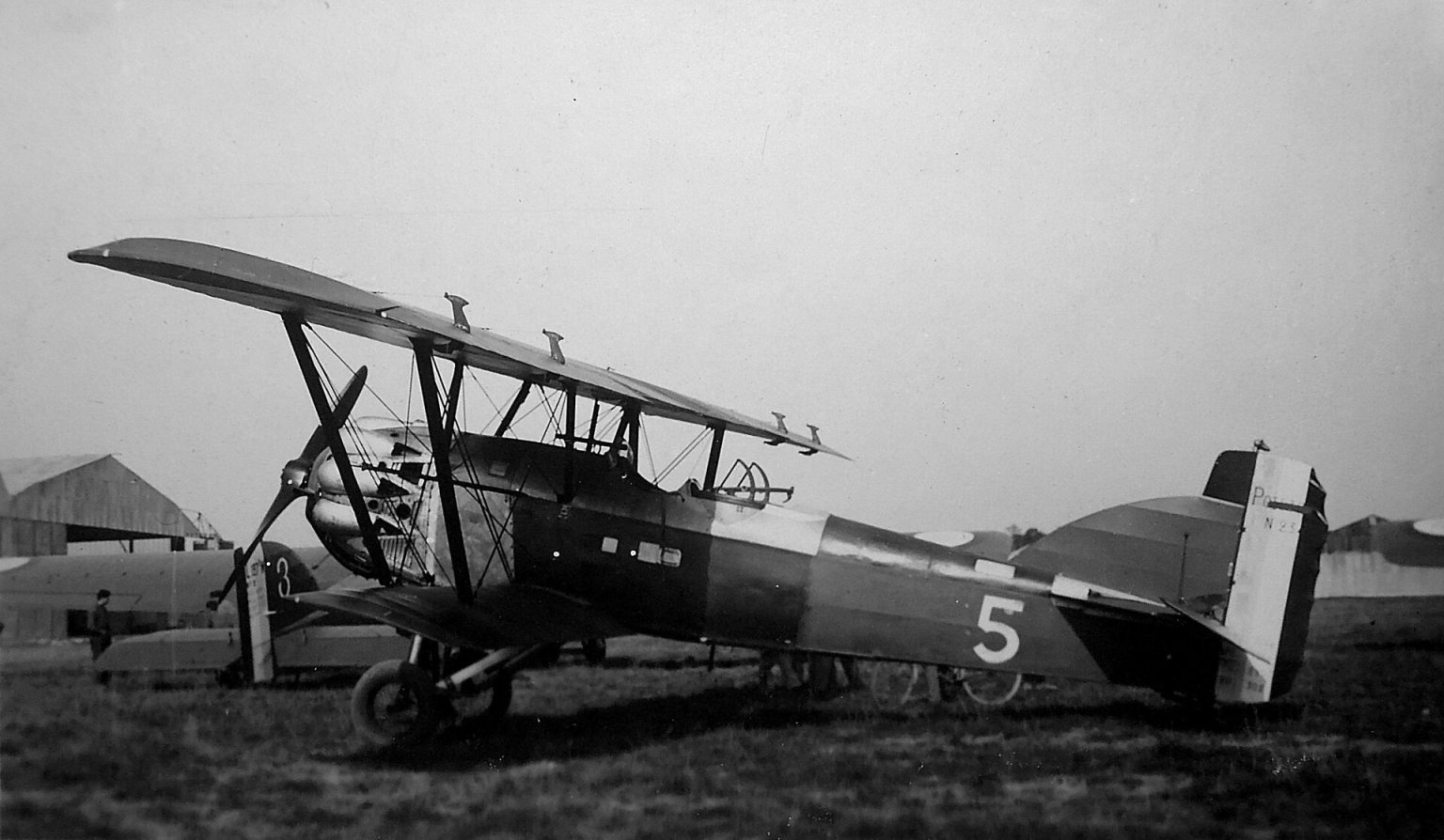
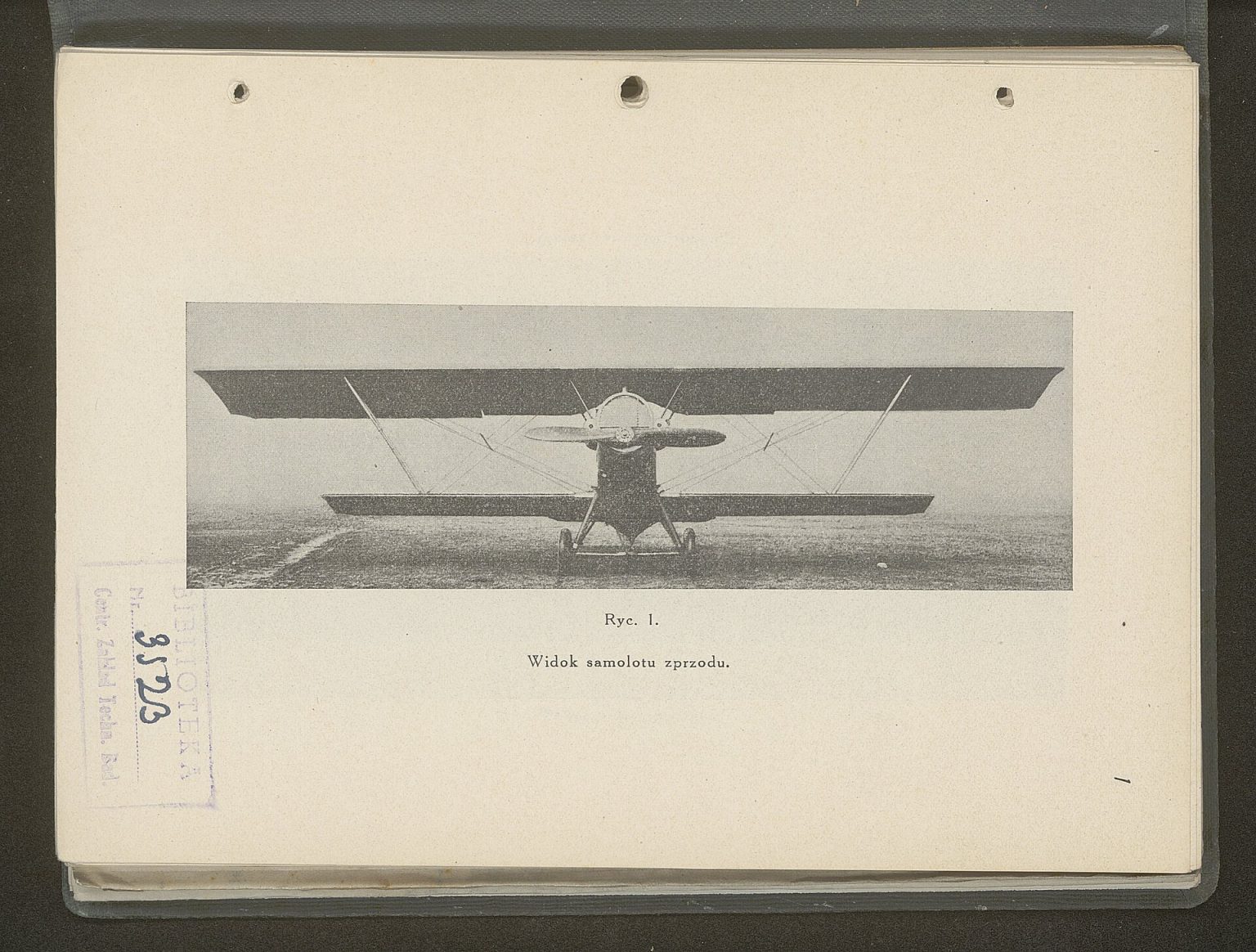
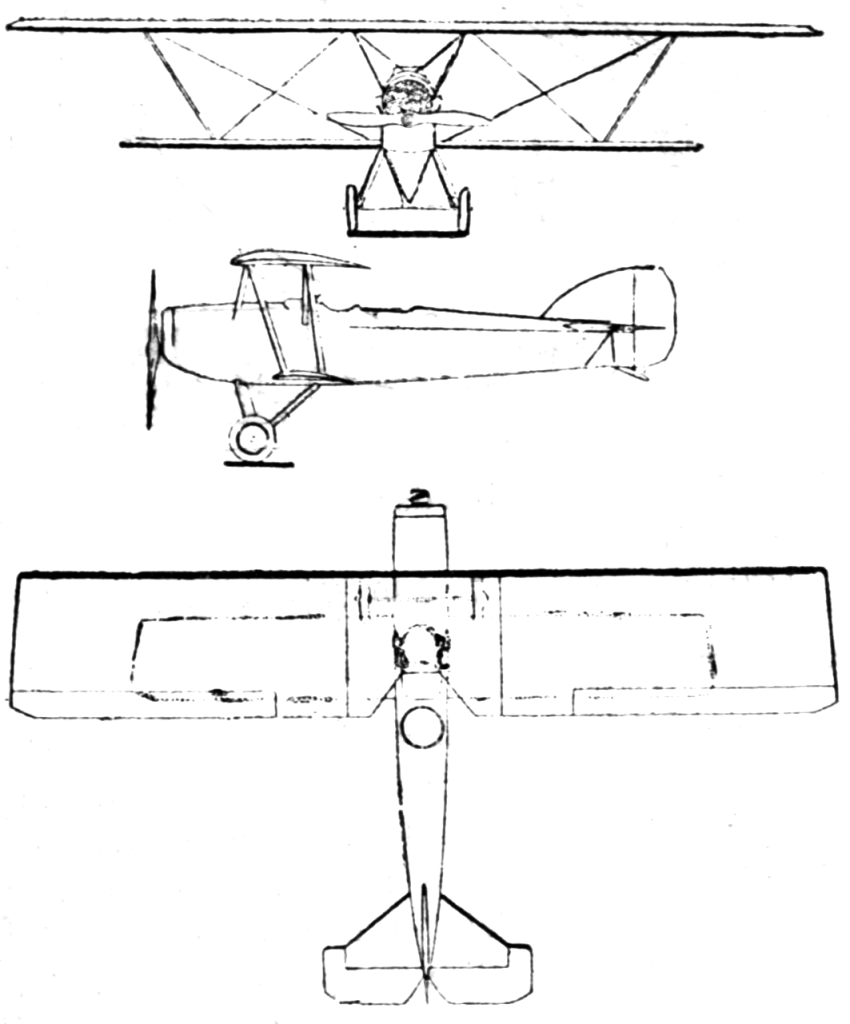
One of the aircraft’s distinctive features was its layout. The Potez 25 was a sesquiplane — a biplane whose lower wing was much smaller than the upper — a configuration that combined much of the strength and lift of a biplane with slightly less drag and better downward visibility for the crew. It was a two-seater, carrying a pilot and an observer/gunner, and like the Breguet 19 it could be fitted with a wide variety of engines, from Lorraine-Dietrich and Hispano-Suiza inline units to radial engines, which made it easy to tailor to different customers.
“Cheap, tough and everywhere — the Potez 25 was the aircraft that dozens of air forces reached for when they needed something that simply worked.”— the Potez 25’s place in history, in a sentence
Production was staggering. Something in the order of four thousand Potez 25s were built — a colossal number for the period, making it one of the most-produced aircraft of the entire interwar era. The great majority were built in France, but the type was also licence-produced abroad, and it was exported to a remarkable list of countries. This scale of production, and the type’s low cost, are central to its story: the Potez 25 was affordable enough, and available in sufficient numbers, to equip air forces that could never have contemplated more expensive aircraft.
It is the sheer breadth of the Potez 25’s service that most impresses. It was flown by France, of course, in huge numbers, but also by Poland, Yugoslavia, Romania, Portugal, Spain, Greece, Switzerland, Estonia, Finland, Ethiopia, China, Brazil, Uruguay, Paraguay and many others — well over twenty operators in all. Several of them built the type under licence. Few aircraft of any era have been so genuinely international, turning up in the air forces of Europe, the Balkans, Scandinavia, South America, Asia and Africa alike.
For France in particular, the Potez 25 was the classic aircraft of colonial policing and the great colonial air routes. It served across the French empire — in North Africa, the Levant, and the vast territories of French Africa — performing the reconnaissance, bombing and communication duties that were the daily work of colonial air power. Rugged and reliable, it was well suited to operating from rough desert strips far from any workshop, and it became one of the emblematic aircraft of French aviation between the wars.
The demands of that service shaped the aircraft itself. Operating deep in the Sahara or over the mountains of the Levant meant flying enormous distances between airfields, often carrying a mechanic and spares in the rear cockpit because there might be no help for hundreds of miles. The Potez 25’s toughness, its generous load-carrying and its forgiving handling made it equal to this, and dedicated colonial versions carried extra fuel and equipment for the purpose. It was precisely the kind of unglamorous dependability that never makes headlines but wins wars and holds empires together, and it is a large part of why France built and flew so many of the type.
The Potez 25 is also woven into one of the most romantic chapters of aviation history: the pioneering airmail service of Aéropostale. The French company that pushed airmail routes across the Sahara to West Africa and over the Andes in South America used Potez 25s among its aircraft, and the type was flown by some of the legendary mail pilots of the age. The writer and aviator Antoine de Saint-Exupéry, author of Night Flight and The Little Prince, flew for Aéropostale in this era, and the Potez 25 belongs to the world of those dangerous, pioneering mail flights over desert and mountain.
The type was famous, too, for a series of celebrated long-distance raid flights. Potez 25s undertook pioneering long-range tours — across Africa, around the Mediterranean, and on trans-continental journeys — that demonstrated the aircraft’s reliability over vast distances and captured the public imagination at a time when such flights were headline news. These raids helped cement the Potez 25’s reputation as a tough, dependable machine that could be relied upon far from home.
All of this — the colonial routes, the airmail, the record raids — rested on the same unremarkable foundation: an aircraft that simply kept working. Where a more sophisticated machine might have offered better performance, it would also have been more expensive, more fragile and harder to keep serviceable in the field. The Potez 25’s genius was that it asked for so little and delivered so much, day after day, in conditions that would have grounded a more delicate design. It is the classic case of an aircraft whose greatness lay not in any single figure on a specification sheet but in the sum of its reliability, its versatility and its numbers.
Like the Breguet 19, the Potez 25 saw a great deal of combat over its long career. It was used in the colonial campaigns of the 1920s, including operations in Morocco and the Levant. In South America it fought in the Chaco War of 1932–35 between Bolivia and Paraguay, where — as with the Breguet 19 — the type served on both sides. In the Spanish Civil War of 1936–39 it again appeared on both sides of the conflict, pressed into service as a bomber and reconnaissance aircraft despite being obsolescent by then.
The Potez 25 even reached the Far East, where it saw combat in the Second Sino-Japanese War in Chinese service, and it soldiered on into the opening battles of the Second World War. In September 1939, Polish Potez 25s — by then hopelessly outdated — flew in the doomed defence against the German invasion, and in 1940 French examples still lingered in second-line roles. It was a remarkable combat span for a design that had first flown in 1924, and a testament to how many were built and how widely they served.
How does the Potez 25 compare with its great rival, the Breguet 19? The two are often mentioned in the same breath, and rightly so — they were contemporaries, competitors and stablemates in many air forces, both French, both metal-framed general-purpose biplanes exported across the world. The Breguet 19 is perhaps more famous for its record ocean crossings, above all the Question Mark’s Paris–New York flight; the Potez 25, built in even greater numbers, is more associated with colonial policing, the airmail routes and sheer ubiquity. Between them, the two types defined French military aviation between the wars.
By the outbreak of the Second World War the Potez 25 was thoroughly obsolete, but such was the scale of its production that examples served on in second-line, training and colonial roles for years, and a handful survived even longer. The type’s legacy is that of the quintessential interwar workhorse — not glamorous, not fast, but tough, cheap, reliable and available in numbers, and therefore genuinely indispensable to the aviation of a whole generation. A famous preserved and restored Potez 25 in Switzerland, along with examples in French museums, keeps alive the memory of one of the most widely used aircraft of its age.
01The Potez 25’s design: rugged, cheap and reliable by intent+
The Potez 25 was designed from the outset to be a practical, affordable, general-purpose military aircraft rather than a high-performance specialist. Its designer, Louis Coroller, working for Henry Potez, aimed for simplicity, ruggedness and low cost — qualities that mattered enormously to the cash-strapped air forces of the 1920s.
That design philosophy was the secret of the type’s success. A cheap, tough, easily-maintained aircraft that could do many jobs adequately was exactly what most air forces needed, far more than an expensive specialist that did one job brilliantly. The Potez 25 was never the fastest or most advanced aircraft of its day, but it was one of the most useful — and usefulness, produced in quantity and sold at a reasonable price, is what made it a world-beater.
02The sesquiplane layout explained+
The Potez 25 was a sesquiplane — literally “one-and-a-half wings” — a biplane in which the lower wing is much smaller than the upper. This layout was popular for reconnaissance and army co-operation aircraft of the era, and for good reasons.
The large upper wing provided most of the lift and the structural strength of a biplane, while the small lower wing reduced drag and, crucially, improved the crew’s downward visibility — a vital consideration for an aircraft whose main jobs were observation, reconnaissance and artillery spotting. The sesquiplane arrangement gave the Potez 25 a good compromise between the strength of a biplane and the cleaner aerodynamics of a monoplane, and it is one of the aircraft’s most recognisable features.
03A choice of engines: inline and radial+
Like its rival the Breguet 19, the Potez 25 was built to accept a wide range of engines, and this flexibility was central to its export success. Different customers could specify the powerplant that best suited their needs and their supply arrangements.
The type flew with liquid-cooled inline V-12 engines — from makers such as Lorraine-Dietrich and Hispano-Suiza — and also with air-cooled radial engines such as the Gnome-Rhône Jupiter. This adaptability meant the Potez 25 could be tailored to almost any operator and kept in production as engines developed. As with the Breguet 19, it is really more accurate to think of the Potez 25 as a family of closely related aircraft than as a single fixed design.
04Built by the thousand: one of the most-produced aircraft of its age+
The Potez 25 was produced on an extraordinary scale. Something in the order of four thousand were built — a colossal figure for the interwar years, and one that makes the Potez 25 one of the most-produced aircraft of the entire period. The great majority were built in France, with more produced under licence abroad.
This vast production is central to the type’s importance. It meant the Potez 25 was cheap, widely available and easy to support, and it allowed the type to equip not just the French air force in enormous numbers but the air arms of many smaller nations as well. Few aircraft of the era were built in such quantity, and that ubiquity is a large part of what made the Potez 25 so significant.
05An extraordinary worldwide export and licence footprint+
The Potez 25 was exported and licence-built by a remarkable range of nations. Its operators included France, Poland, Yugoslavia, Romania, Portugal, Spain, Greece, Switzerland, Estonia, Finland, Ethiopia, China, Brazil, Uruguay and Paraguay, among many others — well over twenty air forces in all, spread across four continents.
Several countries built the type under licence, including Poland, Yugoslavia and Switzerland. This global reach rivalled, and arguably exceeded, even that of the Breguet 19. For many smaller air forces — in the Balkans, in Scandinavia, in South America and beyond — the rugged, affordable Potez 25 was one of the principal aircraft with which they built up their military aviation between the wars. It was, in the fullest sense, a global aeroplane.
06Colonial policing and the French empire+
For France, the Potez 25 was above all the aircraft of colonial air power. It served across the French empire — in North Africa, the Levant and the vast territories of French West and Equatorial Africa — carrying out the reconnaissance, bombing, transport and communication duties that were the daily work of colonial aviation.
Its ruggedness and reliability made it ideal for this demanding service, operating from rough, remote airstrips far from any proper workshop, in extreme heat and dust. The Potez 25 became one of the emblematic aircraft of the French colonial air routes and garrisons. As with all colonial air operations of the era, this service included harsh policing actions against local populations; the Potez 25 was one of the principal instruments of French air power in the empire.
07Aéropostale, Saint-Exupéry and the airmail routes+
The Potez 25 belongs to one of the most romantic chapters in aviation history: the pioneering airmail service of Aéropostale. The French company that pushed mail routes across the Sahara to West Africa, and over the Andes in South America, used Potez 25s among its aircraft, flown by some of the legendary mail pilots of the age.
This was dangerous, pioneering work — long flights over desert, ocean and mountain, often in appalling conditions, in the days before reliable navigation aids. The writer-aviator Antoine de Saint-Exupéry, author of Night Flight and The Little Prince, flew for Aéropostale in this era, and the Potez 25 is part of the world he immortalised. The type’s association with these heroic mail flights gives it a special place in the imagination, quite apart from its military record.
08The long-distance raid flights+
The Potez 25 was famous for a series of celebrated long-distance “raid” flights — pioneering long-range tours that demonstrated the aircraft’s reliability over vast distances and captured the public imagination. Potez 25s made long tours across Africa, around the Mediterranean and on trans-continental journeys, at a time when such flights were front-page news.
These raids were partly sporting achievements and partly demonstrations of the type’s toughness and dependability — excellent advertising for the manufacturer and a matter of national pride. That a standard military biplane could be flown reliably over such enormous distances said a great deal about the fundamental soundness of the design, and it helped spread the Potez 25’s fame around the world.
09Combat in the Chaco War and the Spanish Civil War+
The Potez 25 saw extensive combat. In South America it fought in the Chaco War of 1932–35 between Bolivia and Paraguay — one of the bloodiest conflicts in the continent’s history — where, like the Breguet 19, the type was flown by both belligerents. It carried out reconnaissance and bombing over the harsh Gran Chaco terrain.
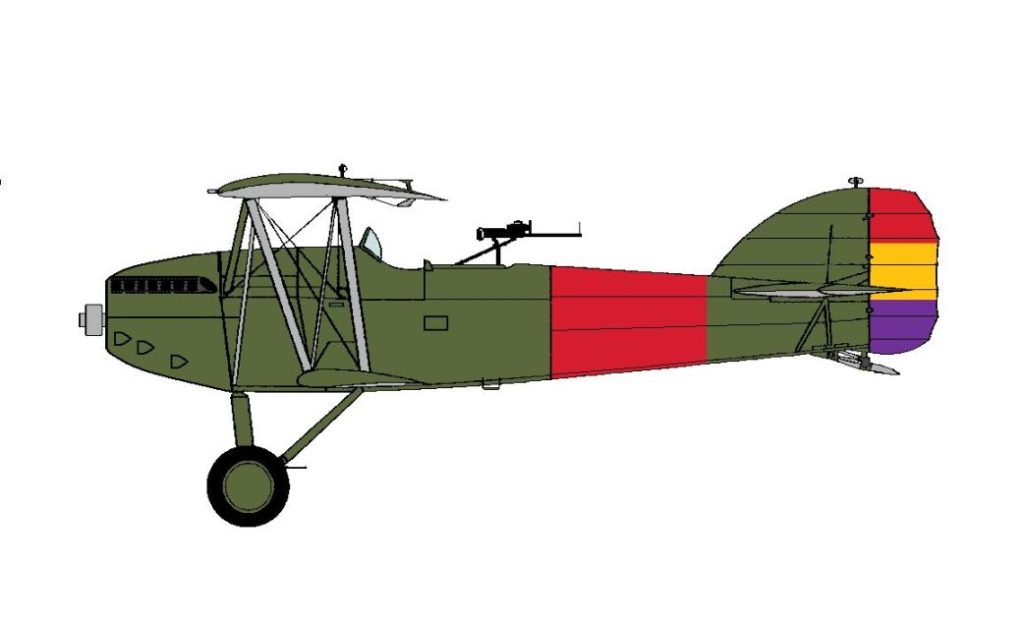
In the Spanish Civil War of 1936–39, the Potez 25 again appeared on both sides. Spain operated the type, and when the country split it was pressed into service by Republicans and Nationalists alike in the desperate early fighting, despite being obsolescent by then. That the same French biplane served on both sides of two different wars is a vivid illustration of just how widely it had been exported across the world.
10China, Poland and the Second World War+
The Potez 25’s combat career extended right up to and into the Second World War. In the Far East, Chinese Potez 25s saw action in the Second Sino-Japanese War, which began in 1937. And in Europe, the type soldiered on into the opening campaigns of the wider war.
In September 1939, Polish Potez 25s — by then hopelessly outdated — flew in the doomed defence against the German invasion of Poland, mostly in reconnaissance and liaison roles. In 1940, French examples still lingered in second-line duties. That an aircraft which first flew in 1924 was still being flown in combat, however marginally, in the Second World War is a remarkable testament to the scale of its production and the breadth of its service.
11Potez 25 versus Breguet 19: the two French workhorses+
The Potez 25 and the Breguet 19 are the two great French general-purpose biplanes of the interwar years, and they are inevitably compared. They were contemporaries and competitors, and they served side by side in many air forces. Both were French, both were metal-framed two-seat biplanes, both accepted many engines, and both were exported and licence-built across the world.
The differences are ones of emphasis. The Breguet 19 is perhaps most famous for its record-breaking ocean crossings, above all the Question Mark’s first non-stop Paris–New York flight. The Potez 25, built in even greater numbers, is more associated with colonial policing, the Aéropostale airmail routes and sheer ubiquity. Between them, these two aircraft defined French military aviation between the wars — and each was among the most widely exported aircraft of its age.
12Longevity and the definitive interwar “maid of all work”+
The Potez 25 is the definitive example of the interwar “maid of all work” — the ubiquitous, dependable, general-purpose aircraft that did the unglamorous everyday jobs of military aviation, in numbers, for years. It was not fast, not advanced, and not glamorous; but it was tough, cheap, reliable and available, and that made it indispensable.
Its career spanned from 1924 to the Second World War and beyond, and it served on four continents in every role from light bomber to mail carrier. Few aircraft better capture the character of interwar aviation outside the great powers: practical, affordable machines, bought in quantity, flown hard and long. In that sense the Potez 25 is not just an important aircraft in its own right but a symbol of a whole era of flying.
Design & Engineering
How the Potez 25 was built: a rugged sesquiplane for the world
A simple, tough, affordable two-seat sesquiplane by Louis Coroller — adaptable to many engines, easy to maintain in the field, and built in enormous numbers as the general-purpose workhorse of dozens of air forces.
Rugged & cheap
Designed for simplicity, ruggedness and low cost — exactly what cash-strapped air forces needed, and the secret of its worldwide success.
Sesquiplane layout
A large upper wing and small lower wing — biplane strength with less drag and excellent downward visibility for reconnaissance.
Many engines
Built to accept a range of inline V-12 and radial engines, making it easy to tailor to any customer and keep in production for years.
Specifications
Potez 25 specifications: dimensions, performance and cost
Baseline note: the figures describe the Potez 25 A.2 observation and B.2 bomber-reconnaissance aircraft with the Lorraine-Dietrich 12Eb Courlis, the combination that equipped the French escadrilles and most export customers. Deltas for the Jupiter-engined and other re-engined versions are in grey. Three numbers in the published tables need handling before they can be trusted. Engine power is quoted as 450 hp, 478 hp and 520 hp for what is described as the same aeroplane: 450 hp is the Lorraine 12Eb's own rating at 1,850 rpm, 520 hp belongs to the Salmson 18Cmb radial and has migrated into Lorraine columns because Wikipedia's infobox lists both engines above a single power figure. Maximum speed runs from 208 to 230 km/h across sources, and most of that spread is real rather than sloppy — the tropicalised T.O.E. with its enlarged tanks was genuinely slower than a metropolitan A.2. And bomb load appears as 200 kg and as 450 kg; the lower figure is the normal underwing rack load, the higher an overload. Production is quoted as about 4,000 built in total, of which either 2,500 or 3,500 were French-built depending on the source; the difference is whether Romanian IAR output is counted as licence production or as French.
Dimensions & weights
- Crew
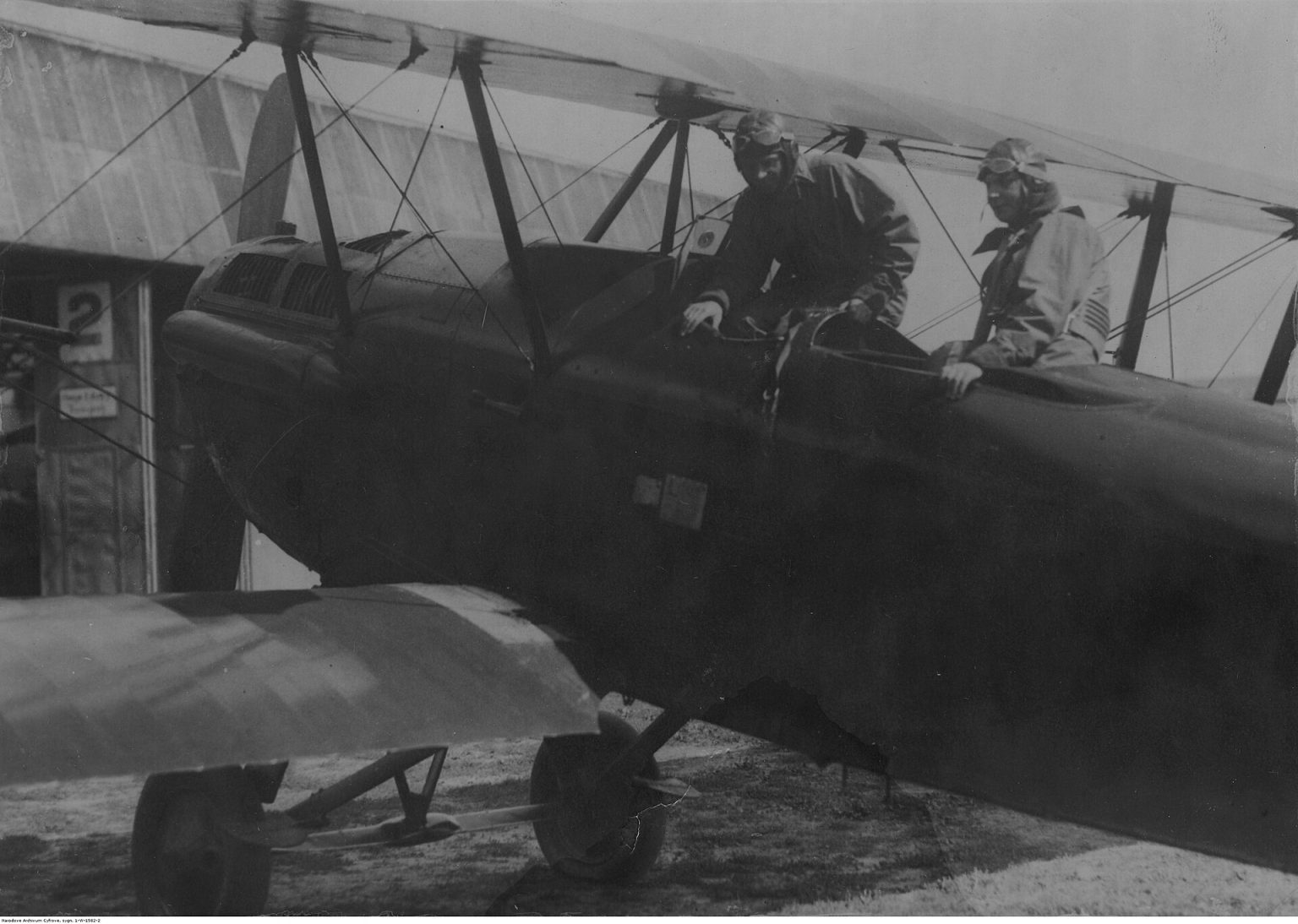
- 2 — pilot and observer/gunner in tandem, the cockpits close-coupled beneath a cut-out in the upper wing trailing edge
- Length
- 9.14 m (30 ft 0 in)
- Wingspan, upper wing
- 14.14 m (46 ft 5 in)
- Wing configuration
- sesquiplane — the lower wing markedly shorter and narrower than the upper, the feature that separates the Potez 25 from the Potez 15 it grew out of
- Height
- 3.67 m (12 ft 0 in)
- Wing area
- 46.46 m² (500 sq ft)
- Empty weight
- 1,370 kg (3,020 lb)
- Gross weight
- 2,494 kg (5,498 lb)
- Wing loading at gross
- 53.7 kg/m² (11.0 lb/sq ft)
- Normal bomb load
- 200 kg (441 lb) on underwing racks — up to ~450 kg (992 lb) quoted as an overload for the T.O.E.
- Structure
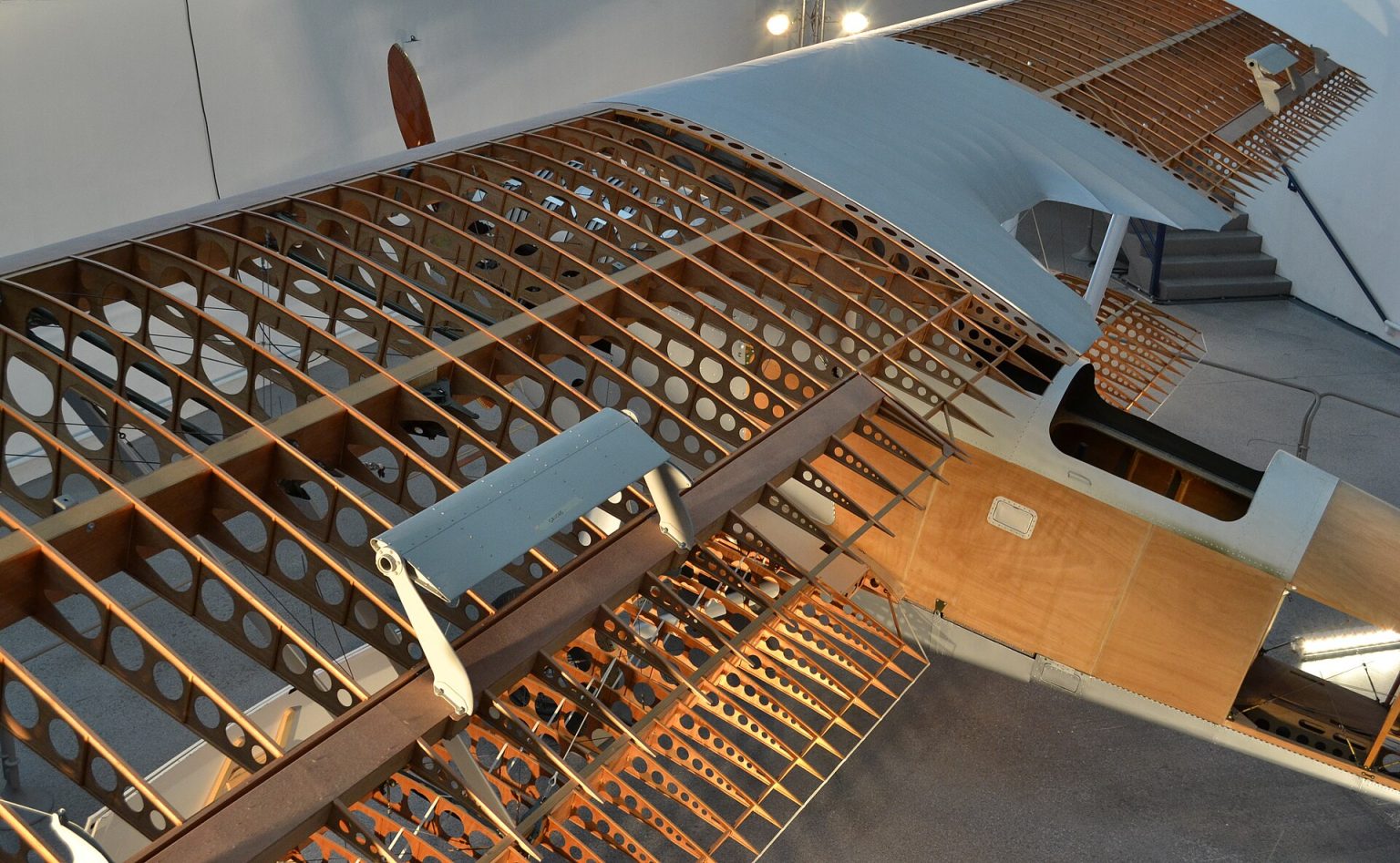
- wooden two-spar wings, welded steel-tube and wood fuselage, fabric covering with metal panels forward — cheap, and repairable by a field workshop with no special tooling
- Undercarriage
- fixed divided mainwheels with a tailskid; skis fitted for winter operations and twin floats on the Potez 25H
Performance
- Maximum speed
- 215 km/h at 1,850 m (134 mph at 6,070 ft)
- Maximum speed, sea level
- 214 km/h (133 mph) — 230 km/h (143 mph) appears in Wikipedia's table; 208 km/h (129 mph) is quoted for the T.O.E.
- Cruising speed
- 175 km/h (109 mph)
- Landing speed
- about 90 km/h (56 mph) — short-field performance mattered more than top speed on a colonial strip
- Initial rate of climb
- 3.5 m/s (690 ft/min)
- Time to 2,000 m
- about 11 minutes (to 6,560 ft) — derived from the quoted initial rate. French tables of the period give time to height rather than a climb rate, but the published times for the Lorraine-engined A.2 do not agree with one another and none is reproduced here as fact.
- Service ceiling
- 5,500 m (18,050 ft) — 5,800 m (19,030 ft) for the T.O.E.
- Endurance
- about 4 hours on internal fuel
- Endurance, T.O.E.
- 6 hours and more on the enlarged tanks — endurance, not speed, was the whole point of that variant
- Range at maximum load
- 650 km (405 miles) — ~1,260 km (~785 miles) for the T.O.E.
- Altitude available over the Cordillera
- Aéropostale bought five in 1929 specifically because the Potez would keep climbing where the Latécoère 25 would not; figures around 7,000 m are claimed for the lightly loaded mail aircraft and should be read as best-day performance, not a service ceiling
Propulsion & systems
- Engine
- 1 × Lorraine-Dietrich 12Eb Courlis, water-cooled W-12 in broad-arrow layout with three banks of four cylinders at 60 degrees
- Rating
- 336 kW (450 hp) at 1,850 rpm
- Displacement
- 24.4 litres (1,491 cu in); bore and stroke 120 × 180 mm, compression ratio 6.0:1
- Engine dry weight
- 373 kg (822 lb) — more than a quarter of the airframe's empty weight, which is the interwar biplane's central problem in one number
- Supercharging
- the 12Eb added a supercharger over the base 12E, and that is why this mark rather than another went to the Andes
- Propeller
- two-blade fixed-pitch wooden
- Alternative engines
- Salmson 18Cmb radial 388 kW (520 hp); Hispano-Suiza 12Hb; Renault 12Jb; Farman 12We; Gnome-Rhône Jupiter — the airframe was designed to take anything from about 300 to 450 kW
- Jupiter versions
- Bristol Jupiter radials built under licence by Gnome-Rhône and by PZL. Poland re-engined 47 of its aircraft from 1936; Yugoslavia (Ikarus) and Portugal (OGMA) built Jupiter machines new
- Gun synchronisation
- Birkigt gear — the Système de Synchronisation pour Vickers Type II (moteurs fixes), Marc Birkigt's oscillating-shaft design, French standard for fixed-engine installations from the mid-1920s until the Second World War
- Cooling
- frontal radiator; tropical radiators and dust filters on the T.O.E.
- Reconnaissance fit
- wireless set and a vertical camera through the observer's floor on A.2 machines — the aircraft's actual primary job, whatever the bomb racks suggest
- Licence engine production
- the Lorraine 12E was itself built under licence by Elizalde in Spain and Skoda in Poland, which is why the type could be kept flying in countries that never bought a French engine
13The Potez 25 family: variants and the colonial TOE+
The Potez 25 was produced in a great many variants, distinguished mainly by their engines, equipment and intended role. The principal military versions were the A2 reconnaissance aircraft and the B2 bomber, which equipped most of the type’s many operators and could be fitted with a variety of engines.
Particularly notable was the TOE version — Théâtre d’Opérations Extérieures, or “overseas operations” — adapted for colonial service, with extra fuel and equipment for the long distances and harsh conditions of the French empire. There were also specialised long-range machines developed for the famous raid flights. This spread of variants, from home-defence bomber to long-range colonial and record aircraft, is typical of how thoroughly the basic design was exploited.
14The Potez 25’s cost: what the records show+
As with most aircraft of the 1920s, there is no reliable, transparent public figure for the Potez 25’s unit cost, cost per flight hour or total programme cost. It was procured over many years by many different air forces, in France and abroad and under several licence arrangements, and consistent lifetime cost data does not survive in a usable form.
Rather than repeat an invented number, we list the cost fields here as “not reliably recorded.” What can be said with confidence is that low cost was central to the Potez 25’s success. It was deliberately designed to be cheap and simple, and its vast production kept unit costs down — making it affordable for the many smaller air forces that could never have bought a more expensive aircraft. Affordability, as much as performance, is what made the Potez 25 a world-beater.
15Why the Potez 25 mattered so much+
The Potez 25’s importance lies not in any single spectacular quality but in its combination of ruggedness, affordability, adaptability and sheer numbers. It was one of the most-produced aircraft of the interwar years, one of the most widely exported, and one of the most versatile, serving in every role from light bomber to airmail carrier on four continents.
For a whole generation of air forces — especially the smaller ones — the Potez 25 was a foundation of military aviation, the dependable workhorse that did the everyday jobs and could be bought and maintained on a modest budget. It is the definitive example of the interwar general-purpose biplane, and understanding it is a large part of understanding what military aviation was actually like, day to day, in the years between the world wars.
16Survivors: the preserved Potez 25s+
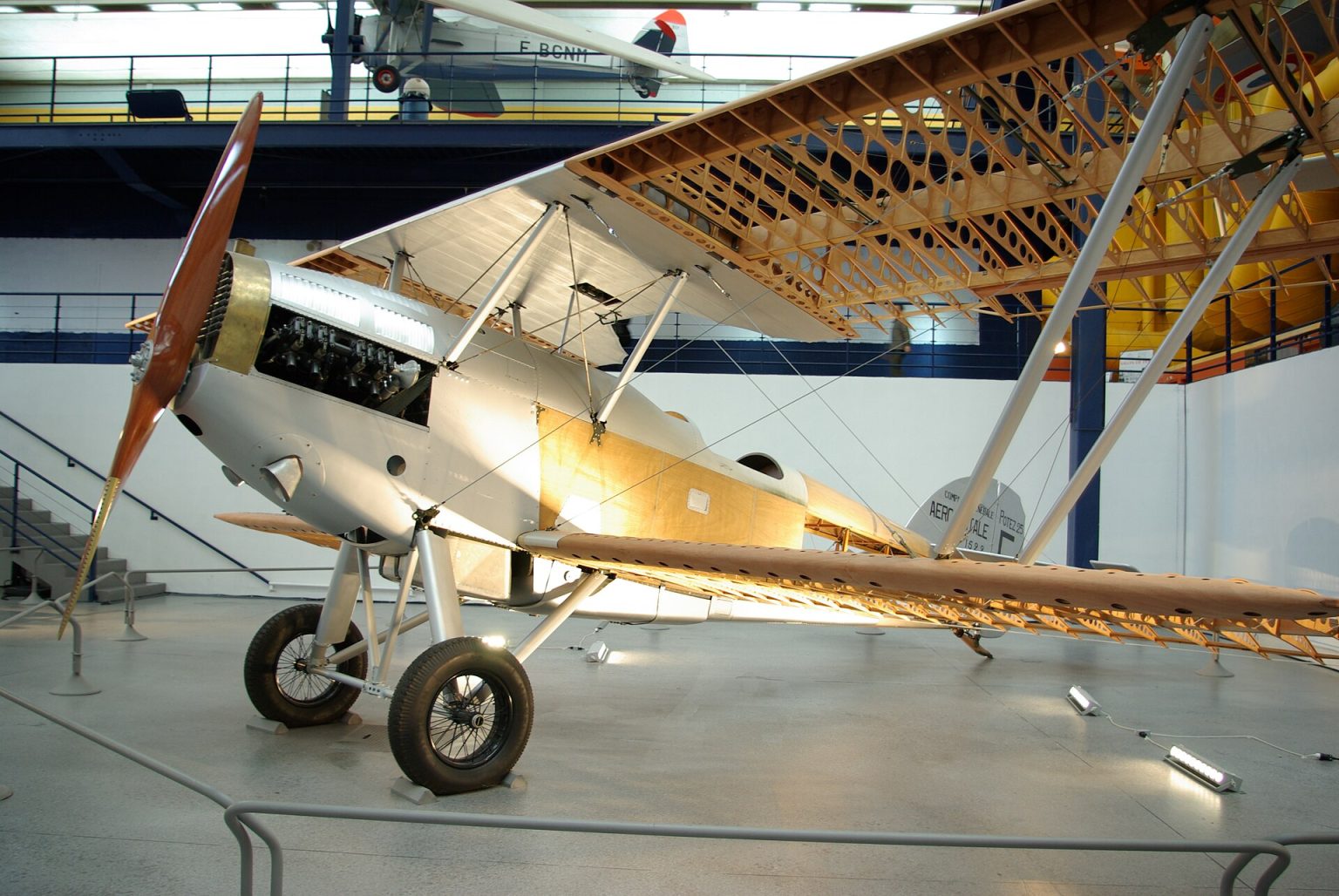
A small number of Potez 25s survive, a fitting legacy for so ubiquitous a type. The most famous is a beautifully preserved and restored example in Switzerland — the Potez 25 having been built under licence and flown by the Swiss air force — which has been maintained in superb condition and is among the best-known survivors of its kind.
Other Potez 25s or substantial remains are preserved in France and elsewhere, reflecting the type’s long and widespread service. Given how many thousands were built and how hard they were flown, survivors are relatively few — most were worn out in service or scrapped — which makes the preserved examples all the more precious as tangible links to one of the great workhorses of interwar aviation.
Armament & payload
The Potez 25 carried a 1918 gun fit for fifteen years, and it stayed adequate because of who it was fighting
One synchronised Vickers forward, two Lewis guns on a ring behind, 200 kg of small bombs under the wings: that is a 1918 armament, and the Potez 25 carried it essentially unchanged from 1925 into the late 1930s. It stayed adequate for one reason, and it is worth saying plainly rather than dressing up. The Potez 25 spent almost its whole career against opponents with no air force — Rif tribesmen in Morocco, insurgents in Syria, columns in the Sahel — where the aeroplane's real weapons were the camera and the wireless, and the guns existed to discourage people on the ground. When it did meet aircraft, in the Chaco in 1932–35, it was slower and less manoeuvrable than what it faced and survived by formation discipline rather than by firepower. Gun fits varied more than most tables admit: a second forward Vickers appears on some export batches, a downward-firing Lewis on others, and Paraguay substituted Madsen guns entirely because that was the ammunition it could obtain.
Gun
- 1 × fixed forward-firing 7.7 mm Vickers, synchronised through the propeller disc by the Birkigt gear and aimed with a simple ring-and-bead or an Aldis-pattern tube sight
- 2 × 7.7 mm Lewis on a ring mounting in the observer's cockpit, drum-fed from 97-round pans — the standard French twin-Lewis installation of the decade
- Some batches added a third, downward-firing Lewis through a floor hatch to cover the blind cone under the tail; it was rarely manned and often removed
- Paraguay rearmed its aircraft in the field with Madsen guns — one fixed Vickers for the pilot and three mobile Madsens — because Madsen ammunition is what the country could actually buy
- Wikipedia's table gives two forward Vickers. One is correct for French service and for most exports; the second gun belongs to particular export batches and should not be generalised
Air-to-air
- None, and none existed. No guided air-to-air weapon was flown anywhere in the world at any point in the Potez 25's service life
- The first operational air-to-air missiles entered service in the mid-1950s, roughly two decades after the type left the French front line
- Air-to-air work therefore meant the pilot's single synchronised Vickers ahead and the observer's twin Lewis behind, and nothing else
- Over the Chaco that worked far better than it should have. Paraguayan crews flew tight V-formations at treetop height so that the observers' guns overlapped, survived twelve of fourteen recorded combats against faster Bolivian Curtiss fighters, and shot one down
- The counter-example is honest too: Potez 25 T.O.E. number 13 was shot down by a Bolivian Curtiss Hawk on 12 December 1934 after a brief exchange of fire. Both crew survived
Air-to-surface guided
- None. Guided air-to-surface weapons did not exist while this aircraft was in service anywhere
- The first used in action were the German Fritz X and Henschel Hs 293 in 1943, by which date the Potez 25 was a second-line type even in the colonies
- Every store the Potez 25 carried was released ballistically and aimed by eye over the side of the cockpit
- There was no electrical release provision of any kind: the underwing racks were mechanical, worked by cable from the observer's position
Bombs
- Underwing racks; normal load 200 kg (441 lb), carried as a number of small bombs rather than a few large ones
- Paraguayan aircraft in the Chaco flew with two racks holding twelve 14 kg bombs between them — the anti-personnel load that colonial and bush warfare actually called for
- Up to about 450 kg (992 lb) is quoted as an overload for the T.O.E., at the cost of fuel and of any margin over a hot strip
- The B.2 designation is a bomber category, but the type's serious work was reconnaissance and army co-operation; the bombs were an accessory to the camera
- The racks were used as a lifeline as often as a weapon: in January 1933 Paraguayan Potez 25s carried 115 kg of ammunition each into besieged Nanawa
Rockets
- None. Not carried, not trialled, not proposed
- Air-launched rocket projectiles reached operational squadrons in the 1940s, after this type had gone
- The wings were wood and fabric and unsuited to rail installations without a redesign nobody was going to fund for a 1924 airframe
- Ground attack was flown throughout with small bombs and the forward Vickers, at heights that made accuracy a function of nerve rather than equipment
Pods & other stores
- Vertical camera through the observer's floor for the A.2 reconnaissance role, with a hand-held oblique camera as well
- Wireless set; message pick-up hooks and message bags for army co-operation, the daily work of the type in Morocco and the Levant
- Long-range tanks: on the T.O.E. for colonial endurance and on the Potez 25 GR for the raids. This was by a wide margin the most consequential thing the type ever carried
- Mail. Aéropostale's five Cordillera aircraft carried sacks, not bombs, and Henri Guillaumet made 393 crossings of the Andes in them
- Skis for winter strips, floats on the Potez 25H prototypes, and supply containers for isolated desert posts
Three typical loadouts
- Colonial policing sortie, Morocco or the Levant, later 1920s
- Full fuel for a four-hour patrol; a dozen small anti-personnel bombs on the underwing racks; one synchronised Vickers and the observer's twin Lewis; camera and message bags. The bombs were incidental — the aircraft was there to see, to be seen, and to talk to a column on the ground.
- Chaco War close support, Paraguay, 1933
- Twelve 14 kg bombs across two racks, Madsen guns in the rear cockpit, minimum fuel for a short-radius strike. Flown at treetop height in a tight V so the gunners' arcs overlapped, because the Bolivian Curtiss fighters were faster and everyone knew it.
- Andes mail crossing, Aéropostale, 1930
- No armament at all. Mail sacks, maximum fuel, and a supercharged Lorraine 12Eb chosen for the one quality that mattered above 6,000 m — the ability to keep climbing. This is the loadout the aeroplane is actually remembered for.
Sourcing caveat. Bomb load is the least reliable figure in the Potez 25 literature: 200 kg is the normal rack load and is well attested; 450 kg circulates as an overload for the T.O.E. and is not corroborated to a primary source here. The number of forward guns genuinely varied and no single answer is correct for the whole production run. Ammunition provision is almost never stated. The Chaco figures — twelve 14 kg bombs, 115 kg of ammunition into Nanawa, twelve survivals in fourteen combats, four of fourteen Paraguayan aircraft alive at the armistice — come from Paraguayan unit accounts and Latin American aviation historical sources, and are the best available rather than the last word.
Variants
Eighty-seven versions, about four thousand aircraft and more than twenty air forces: the Potez 25 is the interwar biplane in its purest form
The Potez 25 is not remembered as a great aeroplane, and it was not one. It was an ordinary sesquiplane of 1925 with an ordinary engine, no faster than its rivals and no better armed. What it had was an airframe designed from the start to swallow any engine between roughly 300 and 450 kW, a structure of wood and steel tube that a sergeant with a workshop could repair, and a price a small air force could afford. That combination produced eighty-seven distinct versions, about four thousand aircraft, and service with more than twenty air forces from Estonia to Ethiopia to Paraguay. If one aeroplane is the archetype of the colonial-policing biplane — the machine that flew the interwar empires' daily business of reconnaissance, mail, message-dropping and the occasional punitive bomb — it is this one.
Its combat record needs stating carefully because it is often stated loosely. In the Rif War of 1925–26 the Potez 25 arrived as the French army escalated against Abd el-Krim, and did reconnaissance and light bombing over Morocco; the same work followed in the Levant and across French Africa for a decade. In the Chaco War of 1932–35 it was Paraguay's principal combat aircraft, fourteen delivered, four alive at the end. In the Spanish Civil War a small number served the Republic in the reconnaissance role. One claim in circulation does not survive checking: that the Potez 25 was flown by both sides in the Chaco. It was not. Bolivia never operated the type — its aircraft were Vickers Type 143 and Vespa, Curtiss-Wright Osprey, Hawk and Falcon, and Junkers. The Chaco War's genuine both-sides aircraft was the Bréguet 19, of which Bolivia had about ten. The Potez 25 was Paraguayan and only Paraguayan.
The other correction worth making concerns the Andes. The Potez 25 is inseparable from Aéropostale and rightly so, but the pilot of its Cordillera story is Henri Guillaumet, not Jean Mermoz. Aéropostale bought five in 1929 precisely because the Latécoère 25 was too marginal over the mountains; Guillaumet made 393 crossings in them and crashed on his twenty-second Potez crossing of that season on 13 June 1930, walking out of the Andes over a week in the episode Saint-Exupéry made famous. Mermoz was the route's pioneer and its public face, and he flew Potez 25s too, but his own celebrated Andean forced landing on 9 March 1929 was in a Latécoère 25, and his South Atlantic mail crossing of 12–13 May 1930 was in a Latécoère 28 floatplane. The distinction matters because the reason Aéropostale chose the Potez is a technical one: the supercharged Lorraine 12Eb would still climb where the others had stopped.
- Potez 25 prototype (1924–25, 1)
- Developed by Louis Coroller from the Potez 24, first flown from the new Potez works at Meaulte in early 1925 with a Hispano-Suiza engine. The sesquiplane wing was the change that mattered.
- Potez 25 A.2 (from 1926)
- Two-seat observation aircraft, the baseline for the figures above. Lorraine 12Eb or Salmson engines, camera and wireless, the version that equipped the French escadrilles at home and overseas.
- Potez 25 B.2 (from 1926)
- The same airframe in the bomber-reconnaissance category, with the underwing racks as standard rather than an option. In practice the A.2 and B.2 were interchangeable in the field.
- Potez 25 T.O.E. (1927 onward, ~795)
- Théâtres d'Opérations Extérieures — the colonial version, and the single largest production block. Enlarged tanks, tropical radiator, survival and desert equipment. Slower than the metropolitan aircraft and far more useful.
- Potez 25.5, 25.8, 25.12, 25.44, 25.55 (1926–32, several hundred)
- The re-engined French sub-series: Renault 12Jb (100 of the 25.5), Farman (25.8), Salmson (about 280 of the 25.12), Renault (74 of the 25.44) and 40 of the 25.55 as trainers. Same aeroplane, different engine bay.
- Potez 25 Jupiter (1927 onward)
- Bristol Jupiter radial in place of the inline W-12. The main export configuration, built under licence by Ikarus in Yugoslavia and OGMA in Portugal, and retrofitted to 47 Polish aircraft from 1936. Cleaner to maintain, worse to look at, and it is the version several air forces still had in 1939.
- Potez 25 GR (1926–30, small numbers)
- Grand Raid long-range conversions with extra tankage, built for the record and rally flying that made the type's name: the European rally of 7,400 km, the Mediterranean rally of 6,500 km and the Paris–Tehran rally of 13,080 km.
- Potez 25H and Potez 25-O (1928–30, 2 and 2)
- Twin-float seaplane prototypes with Jupiter radials, and a pair modified for a North Atlantic attempt. Neither led anywhere, and both are worth listing because they show how far the basic airframe was pushed.
- Polish licence production (1926–32, 300)
- 150 by PWS and 150 by Plage i Laśkiewicz, on top of 16 bought from France. Poland was the largest foreign builder and the Potez 25 was the backbone of its army co-operation squadrons until the PZL.23 replaced it.
- Yugoslav, Romanian and Portuguese licence production (1928–35, ~300 combined)
- Ikarus built about 200 in Yugoslavia, IAR built in Romania (quoted as 70 and as 250 in different sources, the higher figure apparently counting Canadian-timber airframes assembled at Brasov), and OGMA built 27 in Portugal.
- Aéropostale civil aircraft (1929–31, 5 in South America)
- Unarmed mail carriers bought specifically for the trans-Andean sector because the Latécoère 25 could not be relied on over the Cordillera. Henri Guillaumet flew 393 crossings in them.
Survivors, and what the word means here. No original Potez 25 is known to be on public display anywhere in the world, and none is airworthy. The best-known preserved example, in Hall E of the Musée de l'Air et de l'Espace at Le Bourget, is an unambiguous reproduction: it was built from scratch by Michel Flora from about 1983, with the museum's knowledge and encouragement, and is deliberately displayed with part of its fabric left off so that the structure is visible. A flying replica in Aéropostale colours, registered F-AJDZ, exists separately. If an original airframe or a substantially complete original section survives in a Polish, Yugoslav, Portuguese or South American reserve collection, it could not be corroborated here, and no such claim is made. That is a striking outcome for a type built in roughly four thousand examples, and it is the ordinary fate of the interwar utility biplane: too numerous to be precious while it existed, too obsolete to be kept once it did not.
Timeline
The Potez 25 through the years
The Potez 25, designed by Louis Coroller for Henry Potez, makes its first flight as a rugged general-purpose sesquiplane.
The type enters French service and rapidly becomes the standard army co-operation and reconnaissance aircraft.
Poland, Yugoslavia, Romania, Portugal, Greece, Switzerland, Finland, Estonia and many others adopt or licence-build the type.
Potez 25s serve across the French empire and fly with Aéropostale on the pioneering airmail routes of Africa and South America.
Celebrated long-range raid flights across Africa, the Mediterranean and beyond demonstrate the type’s reliability and win it fame.
Potez 25s fight on both sides in the Chaco War between Bolivia and Paraguay in South America.
The type serves on both the Republican and Nationalist sides in the Spanish Civil War.
Chinese Potez 25s see combat in the Second Sino-Japanese War.
Obsolete Polish Potez 25s fly in the 1939 defence of Poland; French examples linger in second-line roles in 1940.
Survivors, including a famous restored Potez 25 in Switzerland, are preserved as reminders of the great interwar workhorse.
Stories & Eyewitnesses
The Potez 25 in stories: the moments that defined it
A rugged sesquiplane built by the thousand, flown by twenty nations, woven into the story of Aéropostale, and blooded on four continents — the Potez 25’s history through the moments that stuck.
Maid of All WorkThe great workhorse
Cheap, tough, everywhere.
The Potez 25 is the definitive interwar “maid of all work” — rugged, cheap and reliable, doing every job in dozens of air forces.
Usefulness in quantity made it a world-beater.
The DesignerCoroller & Potez
Simplicity by intent.
Designed by Louis Coroller for Henry Potez, it was conceived as a practical, affordable, general-purpose aircraft rather than a specialist.
That philosophy was the secret of its success.
SesquiplaneOne-and-a-half wings
Big top wing, small bottom.
Its sesquiplane layout gave biplane strength with less drag and excellent downward visibility for reconnaissance.
One of its most recognisable features.
Mass ProductionBuilt by the thousand
Around 4,000 made.
Some four thousand were built — one of the most-produced aircraft of the entire interwar era.
Scale kept it cheap, available and everywhere.
Global ReachTwenty-plus nations
Four continents.
Flown by France, Poland, Yugoslavia, Romania, Switzerland, Finland, Ethiopia, China, Brazil and many more.
Few aircraft were ever so international.
Colonial Air PowerAcross the empire
Desert strips and garrisons.
For France the Potez 25 was the aircraft of colonial policing, serving across North Africa, the Levant and French Africa.
Rugged enough for rough, remote airstrips.
AéropostaleThe mail pilots
Sahara and the Andes.
The Potez 25 flew with Aéropostale on the pioneering airmail routes — the world of Saint-Exupéry.
Dangerous flights over desert, ocean and mountain.
The RaidsLong-distance fame
Across Africa and beyond.
Celebrated long-range raid flights across Africa and the Mediterranean showed the type’s reliability and won it fame.
Front-page news in the heroic age of flight.
The Chaco WarBoth sides
Bolivia and Paraguay.
In the Chaco War of 1932–35, both Bolivia and Paraguay flew Potez 25s against each other.
A sign of how widely the type had spread.
Spanish Civil WarOn both sides
Republican and Nationalist.
Spain operated the Potez 25, so when war came in 1936 both sides flew it in the early fighting.
Obsolescent, but pressed hard into service.
China & WWII1937 to 1940
From China to Poland.
Chinese Potez 25s fought Japan; Polish ones flew in the doomed 1939 defence against Germany.
Combat right up to the Second World War.
The RivalryPotez vs Breguet
The two French workhorses.
The Potez 25 and Breguet 19 defined French interwar aviation — Breguet famous for ocean records, Potez for ubiquity.
Contemporaries, rivals and stablemates.
PreservedThe Swiss survivor
A famous restoration.
A beautifully restored Potez 25 in Switzerland, with others in France, keeps the type’s memory alive.
Precious survivors of a much-used workhorse.
Photo Gallery
The Potez 25 in photographs
Archival and museum photographs of the Potez 25, each credited to its source and licence. Click any photo to enlarge.
On Film
The Potez 25 on video: the great interwar workhorse
A look at the Potez 25 — the rugged, ubiquitous French biplane that was built by the thousand, flown across the world, and woven into the story of pioneering airmail flight.
Footage of a preserved Potez 25 in flight - the great interwar workhorse still flying today. Source: Aerofanáticos TV (YouTube).
Operations Overview
Where the Potez 25 flew: a global operator map
Designed and built in France, the Potez 25 was one of the most widely exported and licence-built aircraft of the interwar years, serving air forces across Europe, the Balkans, Scandinavia, South America, Asia and Africa. This map shows the origin, the best-documented operators and licence-builders, and where survivors are preserved. Hover or tap a country for detail.
Categories: Design & Manufacture (France) · Operators & Licence-Builders (Poland, Serbia [for Yugoslavia], Romania, Portugal, Spain, Greece, Switzerland, Finland, Ethiopia, China, Brazil) · Surviving Airframes (France, Switzerland). Successor-state polygons (Serbia) are used where period borders no longer exist; only well-documented operators are shown, from a list of twenty or more.
Service Record
The Potez 25’s record: the ubiquitous interwar workhorse
The Potez 25’s significance lies in its enormous production, its unmatched worldwide export footprint, its role in colonial aviation and airmail, and its combat across four continents.
Questions & Answers
Potez 25: your questions answered
Can I fly in a Potez 25?
No — there is no bookable Potez 25 flight experience, and MiGFlug does not offer one. The type retired long ago, and the survivors are precious museum aircraft, including a beautifully restored example in Switzerland. If what you actually want is the real thing — strapping into a genuine military aircraft and flying it — you very much can do that today in other types. MiGFlug arranges flights in real fighter jets and warbirds around the world. Start here: migflug.com/flights-prices.
Why is the Potez 25 historically important?
The Potez 25 was one of the most widely used and successful aircraft of the interwar period. It was built in enormous numbers — around four thousand — exported and licence-built by more than twenty nations across four continents, and used in every role from light bomber to airmail carrier. It was the definitive interwar “maid of all work”: rugged, cheap and reliable rather than fast or advanced, and therefore genuinely indispensable to the aviation of a whole generation.
How did the Potez 25 compare with the Breguet 19?
They were the two great French general-purpose biplanes of the interwar years — contemporaries, rivals and stablemates in many air forces. Both were French metal-framed two-seat biplanes that accepted many engines and were exported worldwide. The differences are ones of emphasis: the Breguet 19 is most famous for its record ocean crossings, above all the first non-stop Paris–New York flight, while the Potez 25, built in even greater numbers, is more associated with colonial policing, the Aéropostale airmail routes and sheer ubiquity.
What is a sesquiplane, and why did the Potez 25 use the layout?
A sesquiplane — “one-and-a-half wings” — is a biplane whose lower wing is much smaller than the upper. The Potez 25 used this layout because it combined most of the strength and lift of a biplane with slightly less drag and, importantly, much better downward visibility for the crew. For an aircraft whose main jobs were reconnaissance, observation and army co-operation, that clear view of the ground was a real advantage. The sesquiplane arrangement is one of the Potez 25’s most recognisable features.
How many Potez 25s were built?
Something in the order of four thousand, making it one of the most-produced aircraft of the entire interwar period. The great majority were built in France, with more produced under licence abroad, including in Poland, Yugoslavia and Switzerland. This vast production kept the type cheap and widely available, and it allowed the Potez 25 to equip not just the French air force in huge numbers but the air arms of many smaller nations as well.
Which countries operated the Potez 25?
An exceptional number — well over twenty. As well as France, operators included Poland, Yugoslavia, Romania, Portugal, Spain, Greece, Switzerland, Estonia, Finland, Ethiopia, China, Brazil, Uruguay and Paraguay, among many others, spread across Europe, the Balkans, Scandinavia, South America, Asia and Africa. Several built the type under licence. Few aircraft of any era have been so genuinely international.
Did the Potez 25 see combat?
Yes, a great deal, over a long career. It was used in colonial campaigns in the 1920s; in the Chaco War of 1932–35 between Bolivia and Paraguay, where both sides flew it; in the Spanish Civil War of 1936–39, again on both sides; and in the Second Sino-Japanese War in Chinese service. It even flew in the opening battles of the Second World War — obsolete Polish Potez 25s fought in the 1939 defence of Poland. By the 1930s it was obsolescent, but it was pressed hard into service wherever it was needed.
What was the Potez 25’s connection to Aéropostale and Saint-Exupéry?
The Potez 25 was one of the aircraft used by Aéropostale, the pioneering French airmail company that flew mail across the Sahara to West Africa and over the Andes in South America. This was dangerous, heroic flying in the days before modern navigation aids, and it was the world in which the writer-aviator Antoine de Saint-Exupéry — author of Night Flight and The Little Prince — flew as a mail pilot. The Potez 25 is part of that romantic chapter of aviation history, quite apart from its military service.
Fly For Real
You can’t fly the Potez 25 — but these, you can
No Potez 25 is a bookable ride today. The urge behind it — to strap into a real aircraft and actually fly — is very much still bookable. MiGFlug puts you in genuine fighters and warbirds around the world.
Fighter Jet Flights
Take the controls of a real ex-military jet with an experienced pilot.
Warbird experiences
Fly in a genuine piston-engined warbird from the golden age of aviation.
All flights are operated by MiGFlug’s vetted partners with professional pilots. Browse every option and current pricing at migflug.com/flights-prices. MiGFlug does not operate Potez 25 flights — no bookable example exists.
Related Aircraft
If the Potez 25 interests you, explore these
Sources & Further Reading
Where this Potez 25 history comes from
Note on figures: dimensions, performance, engine and production numbers for the Potez 25 vary between sources, variants and engine fits, and are hedged here as approximate; the figures given are broadly representative of a typical military version. Total production is commonly cited as around four thousand across all versions and licence production. Cost fields are listed as not reliably recorded because trustworthy 1920s procurement cost data is not available. The colonial campaigns, the Chaco War, the Spanish Civil War and the Second Sino-Japanese War are treated here factually and with due care. On the operations map, a successor-state polygon (Serbia for the former Yugoslavia) is used where period borders no longer exist, and only well-documented operators are shown from a longer list of twenty or more. Survivors are preserved in France, Switzerland and elsewhere.