
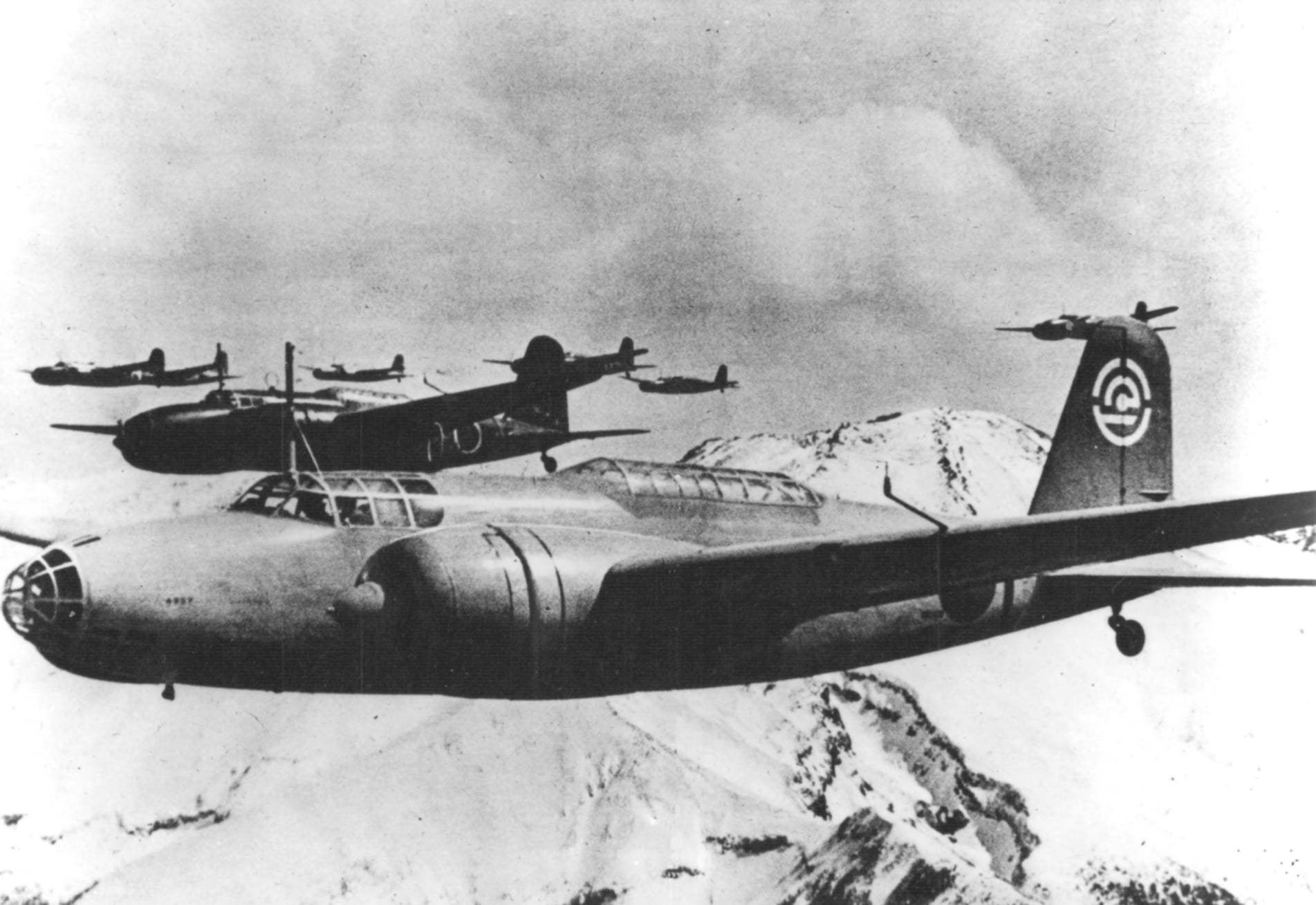
Mitsubishi Ki-21
“Sally”
The Imperial Japanese Army’s standard heavy bomber of the early Pacific War — fast and far-ranging in 1938, but sent into 1945 under-armed and under-armoured, and finally flung at Okinawa as a commando assault glider.
The bomber that opened Japan’s war
In 1936 the Imperial Japanese Army wanted a modern heavy bomber that could reach deep into China, and it ran a rare head-to-head competition between Mitsubishi and Nakajima. Mitsubishi’s design won, and the aircraft entered service in 1938 as the Army Type 97 Heavy Bomber — the Ki-21. By the standards of the late 1930s it was a genuinely capable machine: an all-metal monoplane with retractable gear, a clean twin-radial layout and, in its later forms, the range to strike targets hundreds of kilometres inland.
When Japan went to war with the Western Allies in December 1941, the Ki-21 was the backbone of the Army’s bomber force. It flew over Malaya, the Philippines, Burma and the Dutch East Indies, hammering airfields, ports and troop concentrations during the astonishing run of Japanese victories in the war’s first six months. To Allied crews it became known by the reporting name “Sally” — and for a while it seemed almost untouchable.
It did not stay that way. The Ki-21 had been designed in an era that prized range and speed over survivability, and it went to war lightly armed and almost unprotected — thin defensive guns, no meaningful crew armour and unprotected fuel tanks that caught fire easily. As Allied fighters improved — the P-38 Lightning, the Spitfire, the Hellcat — the “Sally” became dangerously vulnerable in daylight. Mitsubishi tried to patch the gaps: the Ki-21-II got much more powerful Ha-101 engines and, in the Ki-21-IIb, a proper dorsal turret with a heavy 12.7 mm gun. But no re-engining could hide the fact that the design was ageing.
By 1944 the newer Ki-49 “Helen” was meant to replace it, and many Ki-21s were pushed into transport and training work. Yet the type had one last, extraordinary mission left in it. On the night of 24–25 May 1945, in Operation Giretsu, a handful of Ki-21s deliberately belly-landed airborne commandos onto the American-held airfield at Yontan on Okinawa — a one-way raid that destroyed and damaged dozens of parked aircraft before the raiders were wiped out. It was a fittingly desperate end for a bomber that had opened Japan’s war and was still fighting at its close.
Around 2,064 were built before production ended, making the Ki-21 one of the most numerous Japanese bombers of the war. None survives intact today.
01The Mitsubishi Ki-21 “Sally”: how a 1936 winner became obsolete by 1943
The Ki-21 was born of a 1936 Army specification that demanded long range and a good bomb load, and it delivered both — at a price. Japanese doctrine of the day assumed that fast, high-flying bombers could largely outrun interception, so designers traded protection for performance: defensive armament was light, fuel tanks were unprotected and there was little armour for the crew. That gamble worked spectacularly in China and in the opening Pacific offensives, when Allied fighter defences were thin or obsolete.
Once the Allies fielded fast, heavily-armed fighters and organised radar-directed defences, the same design choices turned deadly. “Sally” formations that had roamed almost freely in 1942 were being cut apart by 1943–44. Mitsubishi’s upgrades — the 1,500 hp Ha-101 engines, a heavier dorsal turret, extra guns — improved the aircraft but could not change its fundamentals. The Ki-21 is a textbook case of a competitive early-war design overtaken by the brutal pace of wartime fighter development.
What defined the Ki-21
Range first, armour last
The Ki-21 was optimised for reach. Clean aerodynamics and a large fuel load gave it the legs to strike deep into China and across the East Indies — a normal range around 2,700 km. The cost was protection: early aircraft carried only light 7.7 mm guns, no self-sealing tanks and little crew armour, a trade-off that looked brilliant in 1938 and lethal by 1943.
Two engines, two generations
The first Ki-21-I used twin Nakajima Ha-5 radials of about 950 hp. As performance demands grew, the Ki-21-II switched to the far stronger Mitsubishi Ha-101 14-cylinder radial of roughly 1,500 hp each, lifting top speed to about 486 km/h and pushing the service ceiling near 10,000 m.
The dorsal “dustbin” turret
Combat exposed how weak the “Sally’s” defensive fire was. The definitive Ki-21-IIb answered with a raised dorsal turret mounting a single 12.7 mm machine gun in place of the earlier low-set position — a visible bulge that gave the late model its distinctive profile and briefly earned it the separate Allied name “Gwen.”
02The Ki-21’s engines: from the Nakajima Ha-5 to the Mitsubishi Ha-101
The Ki-21-I entered service on two Nakajima Ha-5 Kai radials rated near 950 hp for take-off — adequate for the loads and speeds of 1938. As Allied fighters closed the gap, the type needed more power. The Ki-21-II re-engined the airframe with the Mitsubishi Ha-101 (Army Type 100), a 14-cylinder air-cooled radial of about 1,500 hp at take-off. The change raised maximum speed to roughly 486 km/h at altitude and improved climb and ceiling, but the extra weight and drag of later defensive additions ate into the gains. By the standards of 1944 the “Sally” was still under-powered for the threat it faced.
03The Ki-21’s defensive armament: why the “Sally” burned so easily
Early Ki-21s carried a scattering of hand-aimed 7.7 mm machine guns in the nose, dorsal, ventral, tail and beam positions — enough to worry a lone biplane, far too little against modern monoplane fighters attacking in numbers. Worse, the aircraft had unprotected fuel tanks. A few incendiary rounds in the wing could turn a “Sally” into a torch. The Ki-21-IIb’s dorsal turret and heavier 12.7 mm gun helped, but the fundamental vulnerability — no self-sealing tanks, minimal armour — was never fully cured. It is the single biggest reason the type’s loss rate climbed so steeply from 1943.
Mitsubishi Ki-21-IIb full specifications
Baseline note: the figures below describe the Mitsubishi Ki-21-IIb (Army Type 97 Heavy Bomber Model 2B, Allied reporting name “Sally 3” and briefly “Gwen”), the final and most numerous production mark, built from late 1942 to September 1944. Deltas for the Nakajima Ha-5-engined Ki-21-I series of 1937–40 are given in grey. Japanese Army data were quoted at normal loaded weight; English-language references differ from Japanese ones by a few km/h and a few tenths of a square metre, and the disagreements that matter are flagged where they occur.
Dimensions & weights
- Crew
- 5 to 7 — pilot, co-pilot, navigator/bombardier, radio operator and one to three gunners; the Ki-21-I normally flew with five
- Length
- 16.00 m (52 ft 6 in)
- Wingspan
- 22.50 m (73 ft 10 in)
- Height
- 4.85 m (15 ft 11 in); Ki-21-I 4.35 m (14 ft 3 in), the difference being the dorsal turret installation
- Wing area
- 69.6 m² (749 sq ft); several English-language works give 69.9 m² (752 sq ft), which appears to be a rounding artefact rather than a structural change
- Wing
- Cantilever mid-set monoplane wing, all-metal stressed skin, straight centre section with tapered outer panels and split flaps — conventional, well made and entirely unremarkable, which was the point
- Fuselage
- All-metal semi-monocoque with a long glazed nose and an internal ventral bomb bay; the Ki-21-IIb replaced the Ki-21-I’s long “greenhouse” dorsal glazing with a stepped canopy and a large dorsal turret
- Empty weight
- 6,070 kg (13,382 lb); Ki-21-Ia 4,691 kg (10,342 lb) — the type gained almost 1,400 kg of engine, armour and guns over its life
- Normal loaded weight
- 9,710 kg (21,407 lb); Ki-21-Ia 7,492 kg (16,517 lb)
- Maximum take-off weight
- 10,610 kg (23,391 lb); Ki-21-Ia 7,916 kg (17,452 lb). Some English sources round the Ki-21-IIb figure to 10,600 kg
- Wing loading
- 139.5 kg/m² (28.6 lb/sq ft) at normal loaded weight — low for a 1942 bomber, and the reason the aeroplane remained pleasant to fly long after it had ceased to be survivable
- Power loading
- 3.24 kg/hp (7.14 lb/hp); 4.34 kg/kW
- Undercarriage
- Retractable tailwheel type, main units folding rearwards into the engine nacelles; tailwheel fixed on early aircraft
- Protection
- Nothing at all on the Ki-21-I as first delivered. From the Ki-21-Ib of July 1939 the fuel and oil tanks received a rubber-and-cotton covering; from about airframe 1,300 in mid-1943 the Ki-21-IIb added 16 mm steel plate behind the pilot and dorsal gunner, a 70 mm laminated windscreen and 16 mm rubber tank covering. It was never enough
Performance
- Maximum speed
- 478 km/h (297 mph) at 4,720 m (15,485 ft) per Japanese data; most English-language references give 486 km/h (302 mph), and the difference is almost certainly one of loading rather than of aeroplane
- Maximum speed, Ki-21-Ia
- 432 km/h (268 mph) at 4,000 m (13,120 ft) — fast enough to outrun most Chinese fighters in 1938 and not fast enough to outrun anything in 1942
- Cruising speed
- 380 km/h (236 mph) at 4,500 m (14,760 ft)
- Time to 6,000 m
- 13 min 13 s (to 19,685 ft), at normal loaded weight
- Rate of climb
- 7.6 m/s (1,490 ft/min), the mean rate implied by the timed climb rather than an instantaneous sea-level figure
- Service ceiling
- 10,000 m (32,810 ft); Ki-21-Ia 8,600 m (28,220 ft). The altitude was theoretical for much of the type’s career because the oxygen equipment was unreliable
- Range, maximum fuel
- 2,700 km (1,678 miles) — the number the Army bought the aeroplane for, and the one figure on which it consistently beat its Western contemporaries
- Range, maximum bomb load
- 1,500 km (932 miles)
- Endurance
- The 1936 specification demanded at least five hours; production aircraft comfortably exceeded it, and long over-water transits of six hours and more were routine in the Malayan and Philippine campaigns
- For comparison: Nakajima Ki-49-II Donryu
- 492 km/h (306 mph) — the intended replacement, better armed and better protected, which never displaced the Ki-21 because it was short-ranged and mechanically troublesome
- For comparison: Mitsubishi Ki-67-I Hiryu
- 537 km/h (334 mph) — the aeroplane the Ki-21 should have been, and which arrived two years too late to change anything
- For comparison: North American B-25J
- 438 km/h (272 mph), but 1,360 kg (3,000 lb) of bombs — slower, shorter-ranged and vastly better armed and protected. The comparison is the whole argument about Japanese Army bomber doctrine in one line
- For comparison: Vickers Wellington Ic
- 378 km/h (235 mph) with 2,041 kg (4,500 lb) — a hundred km/h slower and carrying twice the load
Propulsion & systems
- Engines
- 2 × Mitsubishi Ha-101 (Army Type 100 1,500 hp) fourteen-cylinder twin-row air-cooled radials
- Engine lineage
- Ha-101 was the Army designation for the Mitsubishi Kasei (Navy MK4, unified designation Ha-32), the same engine family that powered the Navy’s G4M and J2M. Bore 150 mm (5.91 in), stroke 170 mm (6.69 in), 42.1 l (2,568 cu in)
- Take-off power
- 1,118 kW (1,500 hp) each
- Ki-21-I engines
- 2 × Nakajima Ha-5 KAI fourteen-cylinder radials, 634 kW (850 hp) for take-off and 708 kW (950 hp) at 4,000 m (13,120 ft); the Ha-5 was itself the ancestor of the Ha-41 and Ha-109 that powered the Ki-44
- Supercharger
- Single-stage geared centrifugal, full-throttle height around 4,700 m (15,420 ft); above that the Ha-101 fell away as steeply as any Japanese radial of its generation
- Propellers
- Three-blade variable-pitch metal airscrews
- Fuel
- Internal capacity is inconsistently reported and no single figure is well attested; for long-range sorties a ~500 l (~110 imp gal) auxiliary tank was carried in the bomb bay in place of part of the load, cutting the offensive payload to 400–600 kg (880–1,320 lb)
- Fire protection
- Rubber-and-cotton tank covering from the Ki-21-Ib (July 1939); 16 mm rubber covering from mid-1943; a nitrogen inerting system for the outer and centre-section wing tanks from about September 1943, the mark Japanese sources separate as the Ki-21-IIc
- Bomb bay
- Internal ventral bay; 750 kg (1,653 lb) normal, 1,000 kg (2,205 lb) maximum — roughly a third of what a Halifax or Lancaster carried, and about half a B-25
- Oxygen system
- A persistent and genuine defect. Unreliable equipment limited what crews could actually do at the altitudes the aeroplane could reach, and was among the complaints that drove the Ki-21-II programme
- Radar
- A small number of late Ki-21-IIs of the 31st Independent Chutai carried Taki-1 airborne search radar for anti-shipping and anti-submarine patrol over the Netherlands East Indies and the Philippines
- Secondary-role fit
- Glider-towing gear for the Kokusai Ku-8, paratroop despatch provision, and a stripped cargo interior in the transport conversions that occupied most surviving airframes after 1943
04The Ki-21’s operating costs: why no reliable price exists
The Ki-21 was a wartime product of the Imperial Japanese state, built for the Army and never sold on any open market. As a result no credible flyaway unit price and no cost-per-flight-hour figure exist in the public record — not in period Japanese documents that survive in translation, nor in the standard post-war references. Any specific dollar or yen figure attached to a Ki-21 should be treated as guesswork. What can be said is comparative: the “Sally” was a mainstream twin-engine bomber produced in the thousands, so its unit cost sat well below Japan’s larger four-engine and naval types but above single-engine fighters of the same era.
Armament & payload
The Ki-21 carried a third of a Lancaster’s bombs and defended itself with rifle-calibre machine guns, and the Japanese Army thought that was a fair trade
The Imperial Japanese Army did not want a strategic bomber. It wanted an aeroplane that could reach Soviet airfields in eastern Siberia from Manchuria, arrive faster than the defending fighters could climb, and come back to do it again the next day. The Ki-21 was built to exactly that brief: 750 kg (1,653 lb) of bombs normally and 1,000 kg (2,205 lb) at most, 2,700 km (1,678 miles) of range, and a defensive battery of three 7.7 mm Type 89 machine guns. Repeated sorties were supposed to make up for the small load. Against Chinese air defences in 1938 the arithmetic worked.
Everything after that was an attempt to fix a design whose central assumption had failed. The Ki-21-Ib added a beam gun and a remotely sighted tail gun; the Ki-21-Ic added a seventh gun and more fuel; the Ki-21-IIa replaced most of the flexible guns with the 7.7 mm Type 98 (Te-4); the Ki-21-IIb finally deleted the long dorsal glazing and fitted a proper turret with a single 12.7 mm Ho-103. That last change is why Allied intelligence briefly gave the aeroplane a new reporting name, “Gwen”, before recognising it as the same Sally and redesignating it “Sally 3”. None of it worked. One heavy machine gun in a hand-worked turret, backed by four rifle-calibre guns firing through cut-outs, was not a defensive system against P-40s and Hurricanes, and adding armour to an airframe with 3,000 hp simply gave the fighters an easier target.
The Ki-21’s bombs never fell anywhere near Force Z. The sinking of Prince of Wales and Repulse on 10 December 1941 was carried out entirely by the Navy’s 22nd Air Flotilla — Mitsubishi G3M and G4M land attack aircraft of the Genzan, Mihoro and Kanoya Kokutai flying from southern Indochina with 250 kg bombs and Type 91 torpedoes. The Ki-21 was an Army machine and carried no torpedo of any kind. Its contribution to that week was made two days earlier and further north, when Ki-21s of the 60th and 98th Sentai wrecked the RAF airfields at Alor Star, Sungei Patani and Butterworth — part of the reason Force Z sailed and died without fighter cover. Gun fits varied considerably between blocks and between operators, and Thai and Manchukuo aircraft in particular are documented mainly from photographs rather than from official loading data.
Gun
- Ki-21-Ia: 3 × 7.7 mm Type 89 flexible machine guns — nose, dorsal and ventral. Three guns to cover a whole sphere, on a five-man bomber
- Ki-21-Ib: five guns, adding a beam position and a remotely sighted 7.7 mm gun in the tail cone — an unusual and not very effective installation aimed through a periscope
- Ki-21-Ic: a seventh gun position and an auxiliary fuel tank
- Ki-21-IIa: nose, ventral and both beam positions rearmed with the 7.7 mm Type 98 (Te-4), a licensed Rheinmetall MG 15 derivative, plus a twin 7.7 mm dorsal mounting
- Ki-21-IIb: 1 × 12.7 mm Ho-103 (Army Type 1, a Browning derivative firing the 12.7 × 81SR round) in a hand-traversed dorsal dome, with 4 × 7.7 mm Te-4 flexible guns and the remote tail gun retained
Air-to-air
- No guided air-to-air weapon existed during the Ki-21’s service life; the defensive machine guns were the entire air-to-air armament
- The single Ho-103 in the Ki-21-IIb turret was the only gun aboard capable of doing structural damage to a P-40 or a Hurricane, and it covered one hemisphere only
- Formation defence was the doctrine, as it was everywhere; but Japanese Army heavy bomber formations were small, and a nine-aircraft chutai could not build the crossfire that a 1943 American combat box could
- Over Burma from December 1941 the type took heavy losses to AVG and RAF fighters, and by 1943 most Ki-21 operations had moved to night
- The one clear defensive success came from an unexpected direction: Ki-21-IIs of the 14th Sentai on anti-submarine patrol were credited with sinking three submarines in March and April 1944 — claims that are not corroborated by Allied loss records
Air-to-surface guided
- None. The card is kept because the absence is the point — the Ki-21 was a level bomber with an optical sight and nothing else
- No Japanese Army bomber ever carried a guided air-to-surface weapon operationally; Japan’s guided-weapon work went to the Navy and to the rocket-propelled Ohka, which was not a guided weapon in any useful sense
- Late-war Ki-21s did carry Taki-1 search radar in small numbers for finding shipping, but the attack that followed was still an unguided bomb dropped by eye
- The nearest thing to a precision weapon the type ever delivered was a Giretsu commando: on 24 May 1945 the aeroplane itself was flown into the target
Bombs
- 750 kg (1,653 lb) normal, 1,000 kg (2,205 lb) maximum, all internal in a ventral bay
- Documented load options: 20 × 15 kg, 20 × 50 kg, 10 × 100 kg, 4 × 250 kg or 2 × 500 kg
- Long-range sorties fitted a ~500 l (~110 imp gal) tank in the bay, reducing the load to 400–600 kg (880–1,320 lb) — the trade the Army made repeatedly, and the reason the type’s effective payload was often nearer a light bomber’s
- Incendiary and cluster munitions were used on the night raids against B-29 bases near Chengtu in 1944 and against Saipan and Tinian in November and December 1944
- Special-attack (tokko) conversions carried a bomb load intended never to be released
Rockets
- None. No Ki-21 carried rocket projectiles in service, in any air force
- Japanese Army air-launched rockets appeared late and went to fighters and ground-attack types, not to a 1936 heavy bomber
- The wing was clean throughout the type’s life; there were no underwing pylons of any kind on any production mark
- The absence is consistent with doctrine: the Ki-21 was an airfield bomber, and airfields were attacked from level flight in formation
Pods & other stores
- Bomb-bay auxiliary fuel tank of about 500 l (110 imp gal), the standard long-range fit
- Towing gear for the Kokusai Ku-8 assault glider, and paratroop despatch provision — the Ki-21 flew supply and airborne-forces work from 1943 onwards
- Supply canisters and stripped cargo interiors on transport-converted aircraft; the Giretsu aircraft of May 1945 were Ki-21-IIs with the bomb gear removed and fourteen commandos aboard each
- Taki-1 airborne search radar on a small number of late Ki-21-IIs of the 31st Independent Chutai
- No gun pods, no camera pods and no external stores pylons were ever fitted
Three typical loadouts
- Airfield attack, northern Malaya, 8 December 1941
- 15 × 50 kg (110 lb) bombs, full internal fuel, seven-man crew — the Ki-21-IIa mission that opened the Malayan campaign against Alor Star, Sungei Patani and Butterworth, flown from southern Indochina with Ki-27 and Ki-43 escort
- Long-range raid on Chungking, 1940
- 4 × 100 kg (220 lb) bombs plus a ~500 l (~110 imp gal) bomb-bay tank — the classic Ki-21-I strategic sortie, in which the aeroplane traded more than half its payload for the range to reach the target and get home
- Night incendiary attack on Saipan and Tinian, November–December 1944
- Incendiary and cluster ordnance up to about 750 kg (1,653 lb), no escort, single aircraft or small sections at low level in darkness — the last role in which the Ki-21 achieved anything, and one it was never designed for
Sourcing caveat: Japanese Army loading tables survive unevenly, and English-language accounts of Ki-21 armament frequently mix Model 1 and Model 2 fits. Gun counts of “five”, “six” and “seven” all appear in reputable works for the same aircraft, usually because the remote tail gun and the shared beam mounting are counted differently.
Variants
Two engine generations, one airframe, and a transport career that outlasted the bombing one
The Ki-21 was ordered in February 1936 against a September 1935 Army requirement for a heavy bomber to replace the Ki-1 and the ponderous Ki-20. Mitsubishi’s entry flew on 18 December 1936 and beat Nakajima’s Ki-19; in a very Japanese resolution, the Army took Mitsubishi’s airframe and Nakajima’s engine, and the type entered production in November 1937 as the Army Type 97 Heavy Bomber. Production ran to September 1944 and totalled 2,064 aircraft — 1,713 by Mitsubishi and 351 by Nakajima.
The dividing line in the family is the engine. The Ki-21-I series used the Nakajima Ha-5 KAI and topped out at 432 km/h (268 mph); the Ki-21-II series used the 1,500 hp Mitsubishi Ha-101, a version of the Navy’s Kasei, and gained roughly 50 km/h and 1,400 m of ceiling. The successive sub-marks within each series are almost entirely a record of guns, armour and tankage being added to an airframe that had no margin for them.
The transport line matters more than it usually gets credit for. Mitsubishi took the Ki-21’s wing, engines and tail, put a new fuselage on them, and produced the Ki-57 (Army Type 100 Transport), whose civil version, the MC-20, became the standard Japanese airliner of the period. Separately, redundant Ki-21-Ia bombers were stripped of armament and handed to Dai Nippon Koku as the MC-21. And from 1943 the surviving Ki-21-IIs increasingly did transport work themselves, which is how a 1936 bomber came to fly the most audacious Japanese airborne operation of the war.
- Ki-21 prototypes (1936–37 / 8)
- Two prototypes with the troublesome Mitsubishi Ha-6, first flight 18 December 1936, followed by six service-trials aircraft with the Nakajima Ha-5 and structural refinements.
- Ki-21-Ia (1937–39 / 143, all Mitsubishi)
- First production model, Army Type 97 Heavy Bomber Model 1A. Ha-5 KAI engines, three 7.7 mm guns, no armour, no self-sealing tanks. Entered service with the 60th Sentai in China in autumn 1938.
- Ki-21-Ib (1939–40 / 120 Mitsubishi, plus Nakajima production)
- Beam and remote tail guns added, bomb bay enlarged, wing trailing edge and flaps revised, and from July 1939 a rubber-and-cotton covering on the fuel and oil tanks — the first admission that the Nomonhan losses had a cause.
- Ki-21-Ic (1940 / 160 Mitsubishi)
- Seventh gun position and an auxiliary fuel tank for the longer legs demanded by operations over southern China. Nakajima built 351 aircraft of the Ib and Ic standards combined.
- Ki-21-II prototypes (1940 / 4)
- Ha-101 engine installation trials, with enlarged nacelles and revised oil cooling.
- Ki-21-IIa (1940–42 / 590)
- Model 2A. Ha-101 engines, Type 98 (Te-4) flexible guns in the nose, ventral and both beam positions, twin 7.7 mm dorsal mounting. The standard heavy bomber of the Malayan, Philippine, Burmese and Netherlands East Indies campaigns.
- Ki-21-IIb (1942–44 / 688)
- Model 2B, the final production mark. Long dorsal glazing deleted in favour of a stepped canopy and a hand-traversed dome turret with a 12.7 mm Ho-103; from mid-1943 pilot and gunner armour, laminated windscreen and thicker tank covering. Allied name “Gwen”, corrected to “Sally 3”.
- Ki-21-IIc (from about September 1943 / counted within the IIb total)
- Japanese sources separate a late block, from roughly airframe 1,351, fitted with a nitrogen inerting system for the wing tanks; Western works generally fold these aircraft into the Ki-21-IIb figure, which is why variant tables disagree.
- MC-21 (from 1940 / disputed, a dozen to about 100)
- Ki-21-Ia bombers stripped of armament and converted to unarmed transports for Dai Nippon Koku (Greater Japan Airways). English-language sources cite around 100 conversions; Japanese accounts suggest only a dozen or so. Not to be confused with the MC-20, the civil version of the Ki-57.
- Ki-57 / MC-20 (1940–45 / 507)
- Not a Ki-21 variant but its direct descendant: the Ki-21’s wing, engines and tail married to a new low-wing transport fuselage, as the Army Type 100 Transport and the civil MC-20. It carried the paratroops to Palembang in February 1942.
- Export and foreign service (1940–49)
- Manchukuo received six aircraft. Thailand took nine Ki-21-Is, whose crews had not finished conversion before the Franco-Thai War ended; the Royal Thai Air Force flew them into the post-war years. At least one served the French air arm in Indochina as a transport, and captured examples were reportedly flown briefly in Indonesia. Claims that the Chinese Nationalist or Communist air forces operated the type are not supported by any solid evidence — the only Chinese-territory operator was the Manchukuo puppet air arm.
Survivors: none. Not one complete Mitsubishi Ki-21 exists anywhere in the world, in any museum, in any country, and there is no reproduction either. The last airworthy example was a surrendered aircraft marked “Tokyo Rose”, handed over at Labuan and flown to Australia by the RAAF in February 1946; it was sold for scrap, and dismantled remains were still lying near Fairbairn, in the Australian Capital Territory, as late as 1957. What survives today is wreckage: airframes abandoned or shot down in Papua New Guinea and New Britain, including a much-visited hulk at Lakunai airstrip near Rabaul, and further remains at Alexishafen and on Noemfoor. The single best-documented individual airframe is Ki-21-IIb c/n 4262, still lying in shallow water in Lingayen Gulf off Binmaley on Luzon; its Ha-101 engine was pulled up by fishermen in 2005, bought by the town of Binmaley, and remains in storage rather than on display. For a type built in 2,064 examples, that is a remarkably complete disappearance.
From China skies to the Okinawa raid
Competition & first flight
Mitsubishi beats Nakajima in an Army fly-off; the winning prototype makes its maiden flight on 18 December 1936.
Enters service over China
Adopted as the Army Type 97 Heavy Bomber, the Ki-21 is blooded in the Second Sino-Japanese War, striking targets deep inland.
The Pacific offensive
At the outbreak of the Pacific War the “Sally” is the Army’s main bomber, hitting Malaya, the Philippines and beyond.
Ki-21-II and the Ha-101
The more powerful Ha-101-engined Ki-21-II enters service; the IIb adds a dorsal turret with a heavy 12.7 mm gun.
Losses mount
Against improved Allied fighters and radar defences the lightly-protected “Sally” suffers steeply rising losses in daylight.
Pushed to second line
Production ends after about 2,064 aircraft; many survivors shift to transport, training and special-mission duties.
Operation Giretsu
On 24–25 May, Ki-21s belly-land commandos on Yontan airfield, Okinawa, wrecking dozens of US aircraft before the raiders are killed.
End of the line
With Japan’s surrender the type is scrapped or abandoned across Asia and the Pacific. No complete Ki-21 survives today.
Twelve stories of the Ki-21 "Sally"
The bomber that won a fly-off
A rare Army competition pitted Mitsubishi against Nakajima — and Mitsubishi won.
Read the full story
Sally, not Jane
The Allied code name “Sally” came with a famous but doubtful backstory.
Read the full story
Blooded over the mainland
The Ki-21 first went to war in the vast skies of China.
Read the full story
The unstoppable months
In the war’s opening offensive the “Sally” seemed almost untouchable.
Read the full story
A bomber that burned
The Ki-21’s unprotected tanks made it fatally easy to set alight.
Read the full story
More power, more guns
The Ki-21-II tried to claw back the advantage with the Ha-101 engine.
Read the full story
Raids toward Calcutta
From Burma the “Sally” struck at the gateway to India.
Read the full story
The Sally’s only export
Japan’s ally Thailand flew a small fleet of Ki-21s.
Read the full story
Overtaken by the fighters
The pace of Allied fighter development left the “Sally” behind.
Read the full story
The commando crash-landing
In its last great mission the Ki-21 became a one-way assault transport.
Read the full story
From bomber to freighter
Retired “Sallys” found a second life hauling cargo.
Read the full story
The bomber with no survivors
So many were built — yet not one complete Ki-21 remains.
Read the full story
The Ki-21 "Sally" in pictures
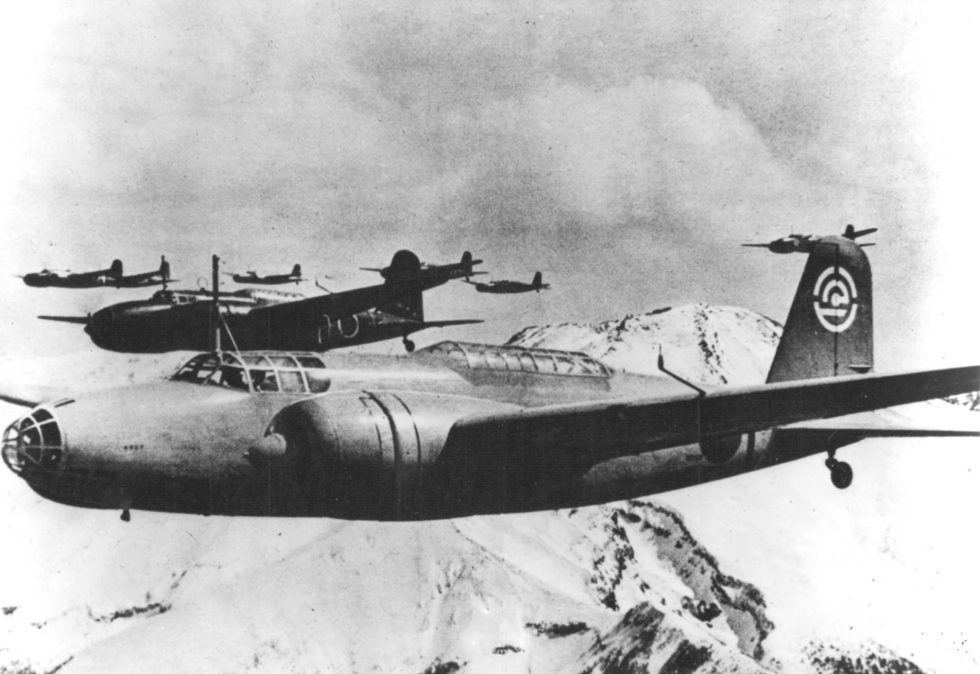
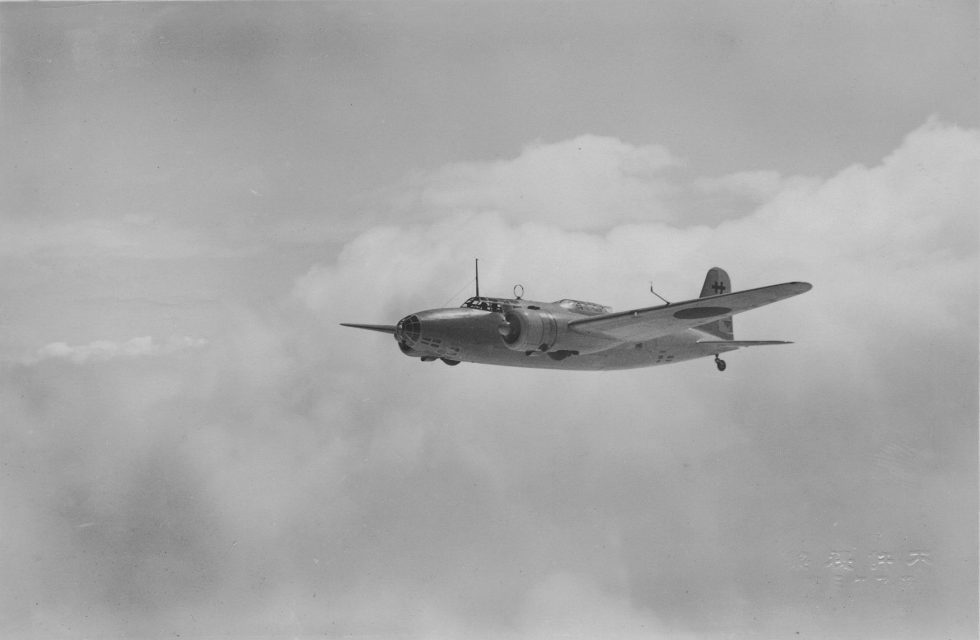
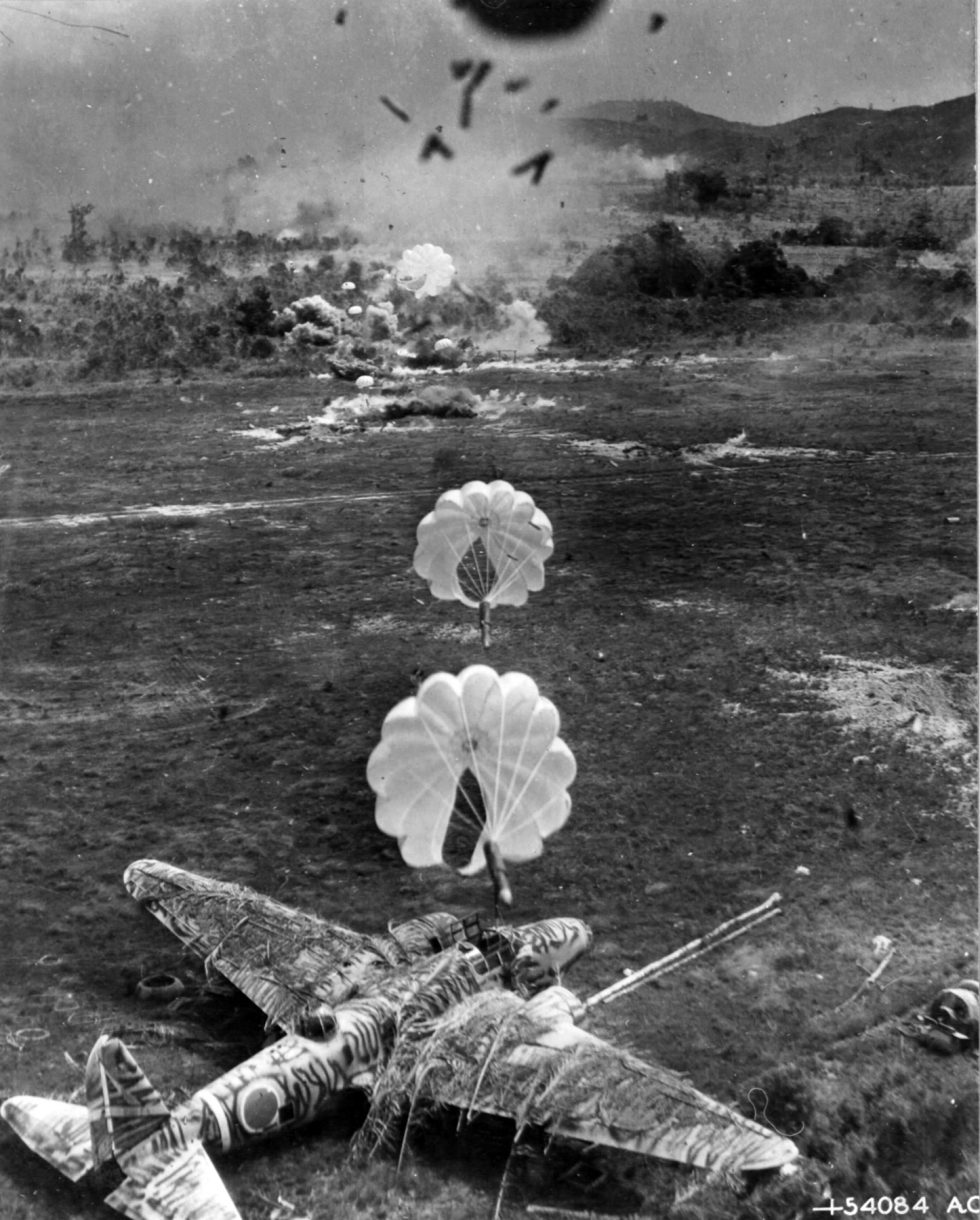
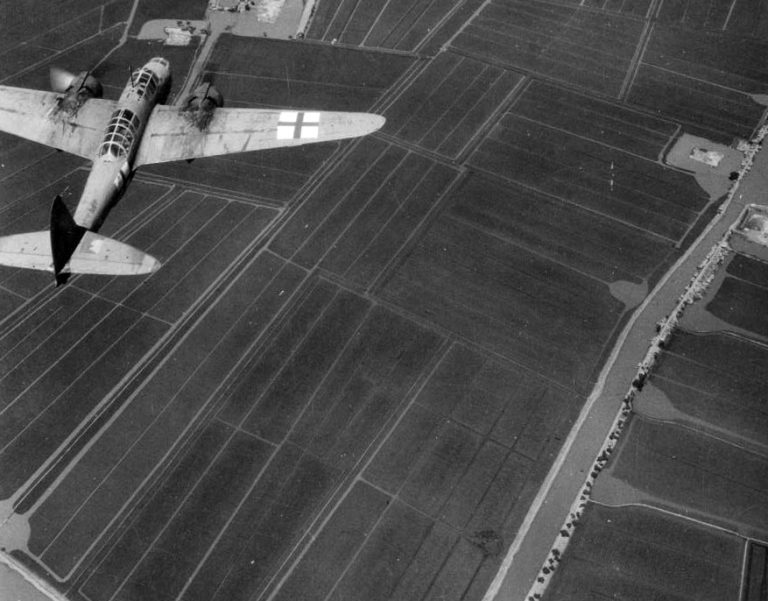
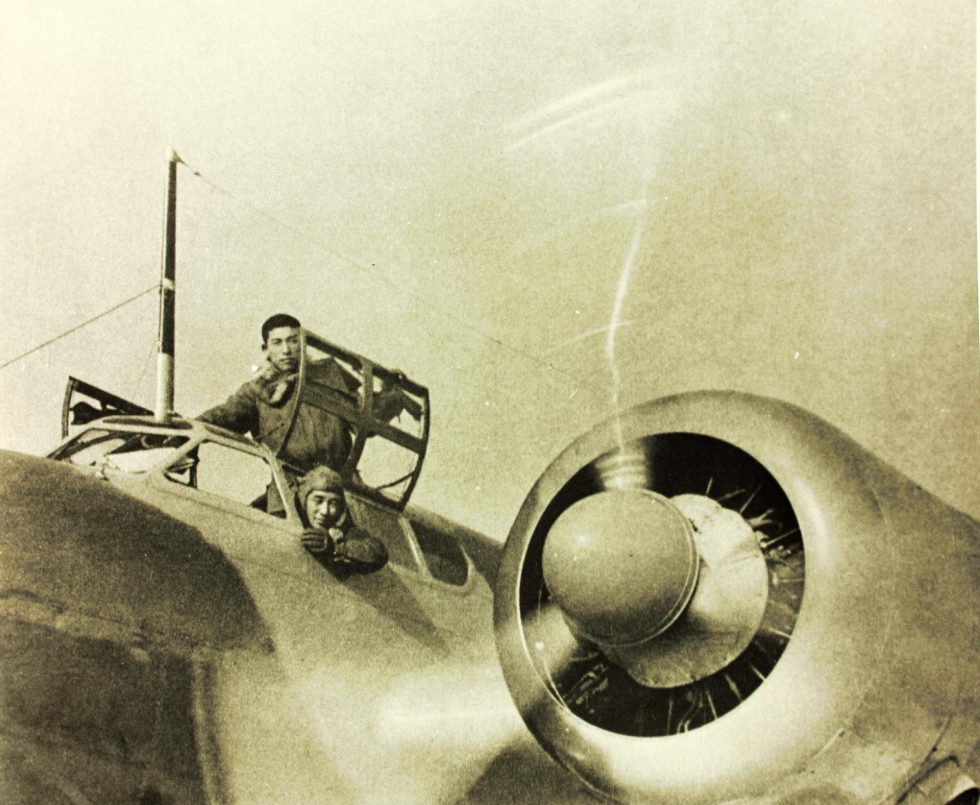
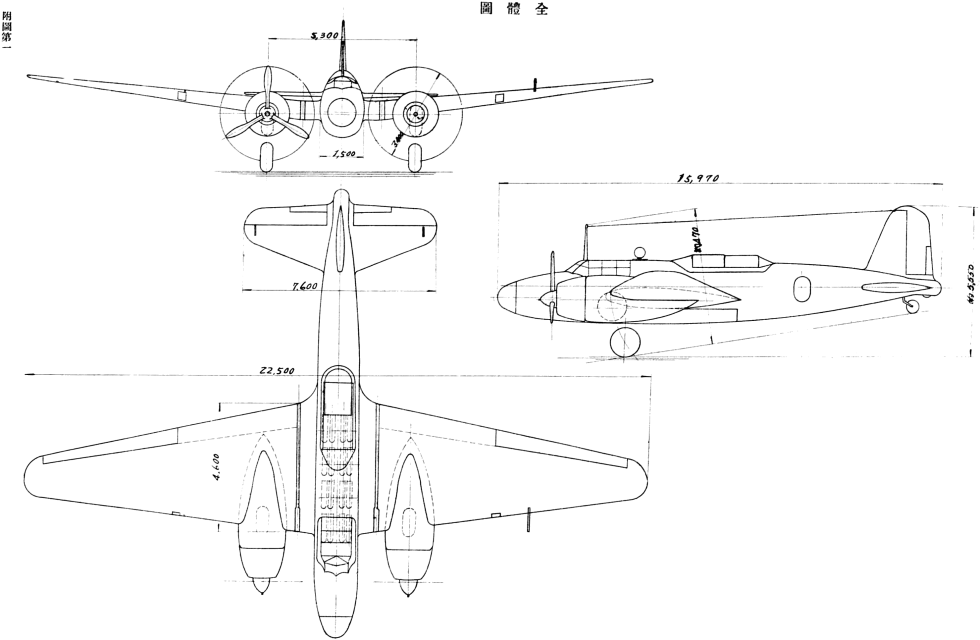
The Ki-21 “Sally” in motion
The Grand Archive: Mitsubishi Ki-21 “Sally” — The Complete History. A detailed documentary walk through the type’s development, variants and combat career, from China to the Giretsu raid.
Where the Ki-21 flew and fought
The Ki-21’s war, in three numbers
The Ki-21 was a bomber, not a dogfighter, and its record is measured in campaigns flown and losses taken rather than air-to-air kills. It opened Japan’s war as an almost untouchable long-range striker and ended it as a vulnerable relic — and as the improvised assault transport of the Giretsu raid.
Compare the combat record of every military aircraft.
Everything people ask about the Mitsubishi Ki-21
Can I fly in a Mitsubishi Ki-21?
What was the Mitsubishi Ki-21?
Why was the Ki-21 called “Sally”?
How fast was the Ki-21 and how far could it fly?
Why was the Ki-21 so vulnerable later in the war?
What was the Ki-21’s role in Operation Giretsu?
How many Ki-21s were built?
Are there any surviving Ki-21s?
You can’t fly the Ki-21.
These, you can.
Some legends only live in museums — others are fuelled and waiting. MiGFlug has put civilians in real military jet cockpits since 2004.
 Fly the L-39 AlbatrosThe world’s most-flown jet trainer — aerobatics included
 Fly the F-104 Starfighter“The missile with a man in it”
 Fly the MiG-21The Cold War’s most-produced jet
 Fly the T-33 Shooting StarAmerica’s first jet trainer
 Fly the DH VampireA piece of early jet history
 Fly the S.211Agile Italian jet trainer
 Fly the MB-326The classic Aermacchi jet
 Fly the MiG-15The Soviet legend of the Korean War
Continue the tour
Every fact, checked
- Pacific Wrecks — Mitsubishi Ki-21 (Sally)Surviving relics and wrecks, unit histories and the fate of individual airframes.
- History of War — Mitsubishi Ki-21 “Sally”Production totals, variant history, engines and full specifications.
- Pacific Eagles — Mitsubishi Ki-21 Type 97Design, combat career and the truth behind the “Sally/Gwen” naming.
- U.S. Naval Institute — The Giretsu AttackThe 24–25 May 1945 Ki-21 commando raid on Yontan airfield, Okinawa.
- Military Factory — Mitsubishi Ki-21Cross-reference for dimensions, weights and performance figures.
- Aeropedia — Mitsubishi Ki-21 “Sally”Development background and service overview of the Army Type 97 bomber.
- National Museum of the U.S. Air ForceReference collection and wartime imagery of Japanese Army aircraft.
- AeroScale — Ki-21-Ia in Royal Thai Air Force serviceThailand’s small Ki-21 fleet, the type’s only significant foreign operator.