
Messerschmitt Me 262
“Schwalbe”
The world’s first operational jet fighter — a machine a full generation ahead of its contemporaries, undone by unreliable engines, shortages and its own late-war arrival, but whose swept-wing, axial-turbojet design helped shape every jet that followed.
A generation ahead, and too late
The Messerschmitt Me 262 was the first jet aircraft anywhere to reach operational fighter service. Design study began in the late 1930s under a team led by Woldemar Voigt; the prototype first flew on piston power in April 1941 while its turbojets were still being developed, and made its first flight on jet power alone on 18 July 1942, with Fritz Wendel at the controls. With a top speed around 870 km/h it outran the best Allied piston fighters — such as the P-51 Mustang — by roughly 150 km/h, and a nose battery of four 30 mm cannon gave it the punch to tear into bomber formations.
Yet it arrived too few and too late to change the war. Roughly 1,400 airframes were built, but only a few hundred ever reached operational units and fewer still flew combat at any one time. Its Junkers Jumo 004 engines were revolutionary but fragile, lasting only a handful of flying hours; fuel was scarce, airfields were bombed, and trained jet pilots were rare. Development was slowed further by engine troubles and by political interference — including insistence from the Nazi leadership that the design be adapted as a fast bomber, which historians generally regard as having delayed its deployment in the fighter role.
Its lasting significance was technological. On the ground and in the landing pattern the jet was vulnerable, and it could not turn the war. But after 1945 both the United States and the Soviet Union studied captured Me 262s and their swept-wing data closely, and the design helped shape the first generation of postwar jet aircraft on both sides of the emerging Cold War.
01The Me 262’s numbers: why 1,400 built rarely meant more than a handful in the sky
Production totals for the Me 262 commonly cluster around 1,400–1,440 airframes completed. But the paper figure never translated into strength in the air. Only a few hundred ever reached front-line units, and at any given moment engine failures, fuel shortages and battle damage meant only a fraction were serviceable.
The reasons were structural: bombed factories and dispersed production, chronic shortages of fuel and strategic metals, a shortage of pilots trained on jets, and engines that needed overhaul after only about 10–25 hours. The Me 262 is a case study in how a technological lead can be squandered by an industrial base and a strategic situation that cannot support it.
What makes the Me 262 special
Twin Jumo 004 axial turbojets
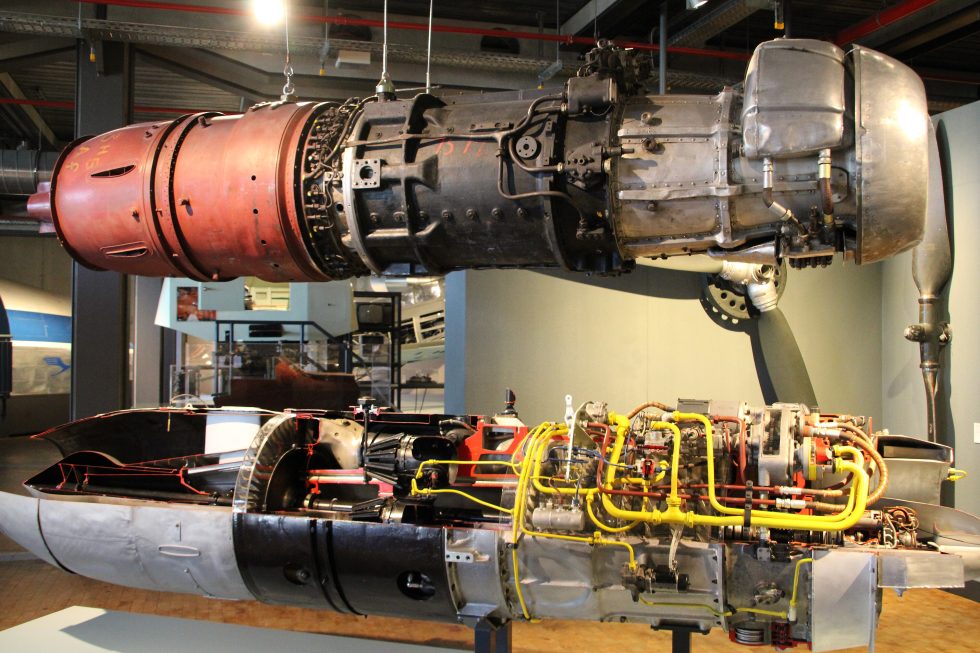
The Me 262 was powered by two Junkers Jumo 004 engines — the first mass-produced axial-flow turbojets in operational service, each giving roughly 8.8 kN of thrust. Revolutionary in concept, they were built with substitute low-alloy steels because of wartime shortages of nickel and chromium, which cut their service life to only about 10–25 hours and demanded gentle throttle handling to avoid flame-outs or turbine failure.
A slightly swept wing
The Me 262 carried a modest leading-edge sweep. It was adopted mainly to keep the aircraft’s centre of gravity correct after engine and equipment changes, rather than deliberately to delay compressibility effects. Whatever the reason, the configuration proved highly influential: captured aircraft informed postwar swept-wing research in both the United States and the Soviet Union.
Concentrated nose armament
Four 30 mm MK 108 cannon were grouped in the nose, delivering a devastating short-range punch well suited to destroying heavy bombers. Late in the war some aircraft added underwing R4M unguided rockets, fired in a salvo to break up bomber “boxes” from beyond the range of their defensive guns.
02The Me 262’s engines: why the Jumo 004 lasted only a handful of hours
The Jumo 004 was a genuine breakthrough — the first axial-flow turbojet built in quantity and put into operational service. But it was designed and produced under wartime blockade, without the nickel, chromium and cobalt that a jet engine’s hot section really needs. Engineers substituted low-alloy steels and coatings, and the result was an engine that worked but wore out fast: overhaul life on the order of 10–25 hours, with turbine blades prone to creep and failure. Pilots were trained to move the throttle slowly, because a rapid advance could starve or overheat the engine into a flame-out. The 004 proved that the axial turbojet was the future — and also how much metallurgy the future would demand.
03The Me 262’s R4M rockets: breaking the bomber box from stand-off range
A tight Allied bomber formation — the “combat box” — relied on massed defensive machine-gun fire for mutual protection, which made close firing passes costly. Late-war Me 262s answered with the R4M, a small unguided folding-fin rocket carried in underwing racks. Fired as a salvo from beyond the bombers’ effective gun range, a spread of rockets could tear open the formation before the jet closed in with its cannon. It was an early glimpse of air-to-air rocketry, and a preview of tactics that guided missiles would later refine.
Full specifications
Figures below are anchored on the single-seat Me 262 A-1a Schwalbe — the standard day fighter, by far the most numerous version, and the aircraft meant whenever the type is discussed without a qualifier. Where the A-2a Sturmvogel fighter-bomber or the two-seat B-1a/U1 night fighter differ materially, the delta is given in grey. Two cautions apply throughout. German wartime figures were recorded under conditions of dispersal, bombing and improvisation, and published values differ between sources by several per cent; and in service almost nothing about this aircraft performed to its own data sheet, because the engines were worn, the fuel was substitute-grade and the pilots were mostly inexperienced on type. Treat the numbers as design intent rather than as what a squadron aircraft did on a given morning in 1945.
Dimensions & weights
- Crew
- 1 (pilot) — 2 in tandem in the B-1a trainer and in the B-1a/U1 night fighter, where the second man worked the radar
- Length
- 10.60 m (34 ft 9 in) — the B-1a/U1 night fighter was longer again once the radar aerial array and, on some aircraft, a ventral tank were fitted
- Wingspan
- 12.60 m (41 ft 4 in) — the wing carried a modest 18.5-degree sweep on the leading edge, adopted mainly to fix a centre-of-gravity problem when the engines grew heavier, not as a considered transonic measure, though it helped
- Height
- 3.50 m (11 ft 6 in) on the nosewheel undercarriage. The first prototypes were tailsitters, and the change to a tricycle gear was one of the more consequential decisions in the programme — a taildragger jet could not get its engines pointing usefully down the runway.
- Wing area
- 21.7 m² (234 sq ft) — a small, highly loaded wing by 1944 standards, which is part of why the aircraft accelerated and dived so well and turned so badly
- Empty weight
- 3,795 kg (8,367 lb) — the B-1a/U1 was several hundred kilograms heavier with a second seat, radar and aerials
- Loaded weight
- 6,473 kg (14,272 lb) at normal fighter loading with full internal fuel and a full ammunition load
- Max takeoff weight
- 7,130 kg (15,720 lb) — reached by the A-2a with two 250 kg bombs, and the weight at which the aircraft was at its worst: the takeoff run stretched, the engines had nothing in reserve, and an engine failure on the roll was usually fatal
- Internal fuel
- ~2,570 L (~565 imp gal / ~680 US gal) with the rear auxiliary tank fitted — hedged, because sources count the tankage differently. The usual arrangement was two 900 L main cells fore and aft of the cockpit, a 170 L reserve, and a 600 L auxiliary behind the pilot that shifted the centre of gravity aft and was normally burned off first. The fuel itself was J2, a synthetic brown-coal derivative: crude, cheap and one of the very few things about the aeroplane that Germany still had in quantity in 1945, which is precisely why a turbojet was attractive.
Performance
- Max speed
- 870 km/h (540 mph / 470 kn) at 6,000 m (19,700 ft) — roughly 900 km/h is quoted at lower level in some sources. Either way it was on the order of 150 km/h faster than a P-51D or a Spitfire XIV, an advantage no Allied fighter in service could answer. The practical limit was compressibility rather than thrust: above about Mach 0.86 the controls stiffened and the nose tucked under, and pilots were placarded away from it.
- Cruise speed
- 750 km/h (470 mph) at altitude — but cruise was set as much by fuel and engine life as by the airframe, and pilots were taught to handle the throttles as little as possible
- Rate of climb
- 1,200 m/min (3,900 ft/min) — good, though not startling; the jet gained its height by holding a high speed in a shallow climb rather than by hanging on the thrust the way a piston fighter hung on its propeller
- Service ceiling
- 11,450 m (37,570 ft) — figures up to 12,200 m (40,000 ft) appear in other sources. High altitude suited the engines, which lost less relative thrust with height than a piston engine lost power.
- Combat radius
- ~400–500 km (~250–310 mi) — hedged wide and genuinely uncertain, because it depended entirely on how much of the sortie was flown at combat power. A single full-throttle interception could consume a large part of the fuel load, and Me 262 pilots routinely returned with very little in hand. The aircraft was a point-defence interceptor in practice whatever its paper range said.
- Ferry range
- ~1,050 km (~650 mi) at economical cruise at height with full internal fuel — roughly a quarter of what a Mustang could manage, and a reminder that the jet bought its speed with a thirst that Germany could only just feed
- Takeoff run
- 1,000 m (3,300 ft) at fighter weight on a hard runway, and appreciably more when bombed up, on a wet surface or with tired engines. This is the single most operationally important number on this table. The Me 262 needed long, smooth, well-drained concrete at a time when such runways were few, obvious from the air and heavily attacked, and it spent close to a minute on and just above the runway at low speed with engines that would not accelerate quickly. Assisted takeoff with two 500 kg Borsig rocket units was available and was used when the load or the strip demanded it.
- Landing run
- 900 m (3,000 ft) with brakes and flaps, no drag chute — and the approach had to be flown fast and flat, because the engines could not be relied on to pick the aircraft up if the approach went low. A go-around was something a prudent Me 262 pilot planned never to need.
- Load factor
- +6 g design limit — quoted rather than firmly documented, and less relevant than it sounds. What constrained the Me 262 in combat was not airframe strength but the engines, which would flame out or catch fire if the throttles were moved briskly, and compressibility at the top of the speed range. Pulling hard was rarely the limiting factor; a pilot who threw the aircraft about lost the speed that was keeping him alive.
Propulsion & systems
- Engines
- 2 × Junkers Jumo 004 B-series axial-flow turbojets, slung in underwing nacelles — the world's first turbojet in genuine mass production, and an axial-flow design at that, which was technically ahead of the centrifugal British and American engines of the same date and paid for that lead in fragility. The BMW 003 was the intended alternative and was fitted to a very small number of airframes; it was no more mature.
- Thrust each
- 8.8 kN (1,980 lbf) static at 8,700 rpm — about 17.6 kN (3,960 lbf) total, which is less than a single modern trainer engine and had to move over six tonnes. Thrust also fell off sharply on a hot day and with an engine near the end of its very short life.
- Engine life
- 10–25 hours — and this, not Allied fighters and not any decision taken in Berlin, is the central fact about the Me 262. A turbine runs in gas hot enough to soften steel, and holding it together needs nickel and chromium alloys. Germany had neither in quantity: nickel came from occupied Finland and chromium from the Balkans, both of which were prioritised elsewhere or lost. Junkers therefore built the hot section from mild steel with an aluminium coating and hollow sheet-metal turbine blades cooled by bled air — an ingenious substitution that worked, and worked only briefly. Overhaul was nominally due at 25 hours; many engines failed well short of 10. Engines were consumable items, changed like tyres, and everything about how the aircraft could be flown followed from that: throttles moved slowly and deliberately, combat power rationed, sorties short, serviceability poor, and a permanent tail of ground crew and spare engines behind every operational squadron.
- Armament
- 4 × 30 mm MK 108 in the nose, 360 rounds total — 100 rounds each for the upper pair, 80 each for the lower. Frequently supplemented from March 1945 by 24 R4M unguided rockets on underwing wooden racks. The A-2a traded ammunition and sometimes guns for two bomb racks.
- Gunsight
- Revi 16B reflector sight — a simple fixed sight, the same class of instrument as on a Bf 109. The EZ 42 gyro gunsight, which computed deflection in the way the British Mk IIC and American K-14 did, reached a small number of aircraft late in the war and was widely disliked and often disconnected. There was no radar ranging and nothing that helped with the very high closing speeds this aircraft actually fought at.
- Ejection seat
- None — stated plainly, because it matters. Germany had flying ejection seats in 1944, in the He 219 and the He 162, but the Me 262 had a conventional seat and a sliding hood. Leaving a jet at 800 km/h by climbing out of it was close to impossible, and pilots who lost an aircraft at speed generally rode it down.
- First flight
- 18 July 1942 — the date on jet power alone, Fritz Wendel flying the third prototype from Leipheim. The airframe had already flown on 18 April 1941 with a Jumo 210 piston engine in the nose, because the turbojets were not ready. That gap between airframe and engine is the whole story of the programme in miniature.
- Service entry
- 1944 — Erprobungskommando 262 formed at Lechfeld in the spring to work the type up, Kommando Nowotny flew the first sustained fighter operations from the autumn, and JG 7 became the first full jet fighter wing towards the end of the year. Adolf Galland's JV 44, formed in early 1945, was the last and most celebrated unit.
- Built
- ~1,430 — roughly 1,400 to 1,430 airframes completed, the exact count depending on how incomplete and destroyed machines are treated. The number that matters is much smaller: probably no more than 200 to 300 were serviceable with operational units at any one time, and on many days in 1945 the Luftwaffe could put a few dozen into the air. Airframes outran engines, fuel and trained pilots, and a large share were destroyed on the ground or never flew at all.
- Unit cost
- ~87,000 Reichsmarks — the figure usually quoted for the airframe, against roughly 40,000 to 50,000 RM for a contemporary Bf 109, and it should be distrusted heavily. Late-war German aircraft costing was an accounting exercise inside a command economy with a fictional currency, a great deal of the labour was forced or slave labour in dispersed and underground plants, and engines were costed separately and effectively written off after a few dozen hours. The honest statement is that the Me 262 was expensive in the things Germany did not have — strategic alloys, skilled labour, fuel and pilots — and that price does not appear in any Reichsmark figure.
- Cost per flight hour
- ~USD 10,000–20,000 — and this needs a clear caveat, because it does not describe a wartime aeroplane at all. No original Me 262 flies anywhere in the world; every airworthy example is a modern reproduction built in the United States from new, fitted with General Electric J85 turbojets inside Jumo-shaped nacelles, modern systems and modern brakes. Those aircraft are faithful in shape and broadly in performance, and they are not original airframes and do not have original engines. The range above reflects what a rare, hand-built, twin-jet warbird with no parts supply costs to keep flying: fuel, insurance priced for a one-off, and reserves against components that must be manufactured to order. Anyone quoting a precise figure is estimating, and so is this.
04The Me 262’s figures: why the specifications vary between sources
Published Me 262 figures differ slightly depending on the source and the exact variant. Top speed is commonly cited around 870 km/h but appears up to about 900 km/h; wingspan is quoted at 12.5–12.6 m; and the number built is usually given as roughly 1,400 but sometimes up to 1,440. The values here use the commonly cited round figures for the A-1a fighter. No reliable open-source unit-cost figure exists — it was a wartime state programme, and credible secondary sources do not give a dependable price — so no cost is stated rather than repeating an unverifiable number.
Armament & payload
Me 262 firepower: four heavy cannon, a salvo of rockets, and about two seconds to use them
The Me 262 was built to destroy four-engine bombers, and it was armed accordingly: four 30 mm MK 108 cannon grouped in the nose, a battery heavy enough to break a B-17 with a handful of hits. The difficulty was never destructive power. It was that the same speed which made the jet safe from escorts also gave its pilot a firing window of roughly two seconds against a formation he was overtaking at more than 150 m/s, using a fixed sight and a gun whose shells dropped like thrown stones. The most important German weapons development of 1945 was the answer to exactly that problem: a salvo of unguided rockets fired from outside the bombers' defensive fire, which needed no fine aim at all.
Cannon
Four 30 mm MK 108 cannon in the nose, with 100 rounds each for the upper pair and 80 each for the lower — 360 rounds in all, or a little under six seconds of firing. The MK 108 was a short, light, cheap blowback weapon firing a thin-walled Minengeschoss shell that was mostly high explosive; three or four hits were reckoned enough to bring down a heavy bomber, and one was usually enough for a fighter. Against that sat two hard limits. Muzzle velocity was only around 500 m/s, so the shells fell away quickly and the effective range was short, on the order of a few hundred metres. And the gun was slow-firing and prone to jamming, particularly under g. Nose mounting removed any convergence problem and made the aircraft a steady gun platform, but a pilot closing at jet speed with a fixed sight and a rainbow trajectory had to be close, straight and quick, and many were not.
R4M rockets
The R4M Orkan was a simple 55 mm folding-fin rocket with a 520 g explosive warhead, hung twelve a side on plain wooden racks under the wings and fired in a single salvo. It was crude, cheap, added little drag and solved the aiming problem by brute statistics: fired at something like 600 to 1,000 m, the twenty-four rockets spread into a pattern about the size of a bomber, and one hit was enough to tear a wing off. Crucially the launch range was outside the effective envelope of the bombers' defensive guns. JG 7 used them in numbers from 18 March 1945 and the results were immediate and severe. The R4M is the strongest argument that a jet interceptor available in quantity a year earlier would have been a serious problem for the daylight bombing campaign — and it arrived with weeks of the war left to run.
Bomber variant
The A-2a Sturmvogel carried two ETC 504 racks under the forward fuselage for two 250 kg bombs or one 500 kg bomb, usually with the lower pair of cannon and much of the ammunition deleted to compensate. It could not dive-bomb: there were no dive brakes, the aircraft accelerated alarmingly nose-down, and bombing was done shallow and fast using the ordinary reflector sight. Accuracy was poor, and against the Normandy beachhead in the summer of 1944, where KG 51 flew it, the results were negligible. A glazed-nose A-2a/U2 with a prone bombardier and a proper bombsight was tried in tiny numbers and went nowhere. The Sturmvogel is best understood not as a bad idea badly executed but as a capable interceptor asked to do a job its airframe, its sight and its fuel state were all unsuited to.
Night fighter fits
The B-1a/U1 was a two-seat conversion of the trainer carrying FuG 218 Neptun radar, with the Hirschgeweih or "stag's antlers" aerial array on the nose and, on some aircraft, a FuG 350 Naxos passive homer to pick up British bomber radar emissions. The aerials cost something like 60 km/h, which still left it faster than anything the RAF was flying over Germany at night. Very few were completed — on the order of a dozen — and they served with 10./NJG 11 under Kurt Welter around Berlin, where they were the only German aircraft with a realistic chance against the high-flying Mosquitoes that had been operating almost unopposed. Before them, single-seat Me 262s were flown on searchlight-assisted freelance night interceptions, with the predictable results of putting a fast jet and no radar into the dark.
Gunsight & fire control
Standard fit was the Revi 16B, a fixed reflector sight of the kind carried by every German fighter of the period, offering an illuminated ring and bead and no help whatever with lead or range. The EZ 42 was the intended replacement: an Askania gyroscopic sight that computed deflection from the turn rate and a manually set target span, conceptually the same answer as the British Mk IIC and the American K-14 that were then transforming Allied gunnery. It reached only a small number of Me 262s, it needed careful setting up that front-line units in 1945 could rarely give it, its behaviour was reckoned unreliable, and a good many pilots simply switched it off and used it as a fixed sight. Fire control was therefore the weakest part of an otherwise formidable weapons fit, and it mattered most in precisely the high deflection, high closing-speed engagement the aircraft was built to fly.
Reconnaissance fits
The A-1a/U3 was the photo-reconnaissance conversion, with two Rb 50/30 cameras in a bulged, faired nose, usually with the cannon removed entirely or a single MK 108 retained for self-defence. It was the most quietly successful use of the type. A reconnaissance aircraft only has to survive, and at 850 km/h at height there was very little in the Allied inventory that could reliably intercept one; units such as Kommando Braunegg and NAGr 6 flew them over the Western Front and Italy with losses far below those of the fighter units. The same qualities served the Arado Ar 234, the other German jet, which took over much of this work. If the Me 262 had an unarguable operational success, this was it.
Three typical Me 262 fits
- Bomber interception — A-1a, JG 7, March–April 1945
- Four 30 mm MK 108 with the full 360 rounds, plus 24 R4M rockets on underwing racks, full internal fuel and no external tanks. This is the fit that made the type genuinely dangerous: a climb under ground control to a position above and behind a bomber stream, one salvo of rockets fired from beyond the defensive guns, a firing pass with the cannon on the way through, and away in a shallow dive before the escorts could react. Flown as briefed it worked. The limits were never the weapons but the number of aircraft that could be put up, the fuel to reach the stream and the pilots trained to do it.
- Fighter-bomber — A-2a Sturmvogel, KG 51, summer 1944
- Two SC 250 bombs on the fuselage racks, ammunition reduced and commonly the lower pair of cannon removed, fuel loaded for a short high-speed run in and out. Bombing was shallow, fast and aimed through the gunsight, so accuracy was poor by any standard; the aircraft's protection was that nothing could catch it between the target and its own airfield. Against the Normandy lodgement the operational effect was close to nil, and the same airframes would have been considerably more useful carrying cannon over Germany.
- Night fighter — B-1a/U1, 10./NJG 11, early 1945
- Two crew in tandem, FuG 218 Neptun radar with nose aerials, four MK 108 retained, often a ventral tank for endurance on patrol. Slower and heavier than the day fighter and awkward to fly on instruments in an aircraft with delicate engines, but it was the only thing Germany had that could catch a Mosquito over Berlin, and it did so on a handful of occasions. A tiny force, assembled late, whose interest is technical rather than operational.
Fits differed sharply between marks and between weeks, and a statement about "the Me 262" is usually a statement about one version in one unit at one moment. An A-1a in January 1945 carried four cannon and nothing else; the same squadron in March carried rockets as well; an A-2a carried bombs and fewer guns; an A-1a/U3 carried cameras and often no guns at all. Experimental fits multiplied in the last months — a 50 mm MK 214 in the nose, six-cannon conversions, trials with air-to-air missiles — and almost none of these reached a squadron in usable numbers. Where a weapon is named here it belongs to a specific version at a specific date.
Variants
Me 262 variants: the fastest fighter of the war, and the myth that grew around it
The Me 262 was the first jet fighter to fly in combat, and it was genuinely formidable: roughly 150 km/h faster than any Allied fighter in service, heavily armed, and from March 1945 carrying a rocket salvo that could destroy a heavy bomber from outside its defensive fire. Allied claims and German claims cannot be reconciled precisely, but the type is generally credited with destroying something on the order of 500 Allied aircraft for perhaps 100 of its own lost in air combat, and Allied commanders took it seriously enough to reorganise around it. It deserves that reputation. What it does not deserve is the story usually told about why it failed to matter.
That story runs: Hitler insisted the Me 262 be built as a bomber, this delayed the fighter by a year or more, and had he not interfered the jets would have swept the Allies from German skies. The bomber directive was real. In late 1943 and again in May 1944 Hitler pressed for the aircraft as a Blitzbomber to strike an expected invasion, production of the A-2a followed, and the argument that surrounded it consumed the attention of Milch, Galland and Messerschmitt at a critical time. It caused real disruption, and it was a bad decision. But the modern historical judgement is that it was a contributing factor rather than the decisive one, for reasons that sit in the specification table on this page. The Jumo 004 was the constraint. It was not cleared for series production until 1944 and could not have been much earlier, because it depended on nickel and chromium that Germany did not have and had to be redesigned around mild steel and sheet-metal blades, which capped its life at 10 to 25 hours. Fitting bomb racks to an airframe is a minor change; building reliable turbojets in quantity without high-temperature alloys is not. Layered on top of that were the fuel crisis that followed the Allied oil offensive from mid-1944, the destruction of the training organisation that left the Luftwaffe with too few pilots capable of flying a fast jet safely, and the dispersal of production under bombing. A Germany that fielded a thousand serviceable Me 262s in 1944 would have needed alloys, aviation fuel and trained pilots it did not possess, and no order from Berlin could conjure those.
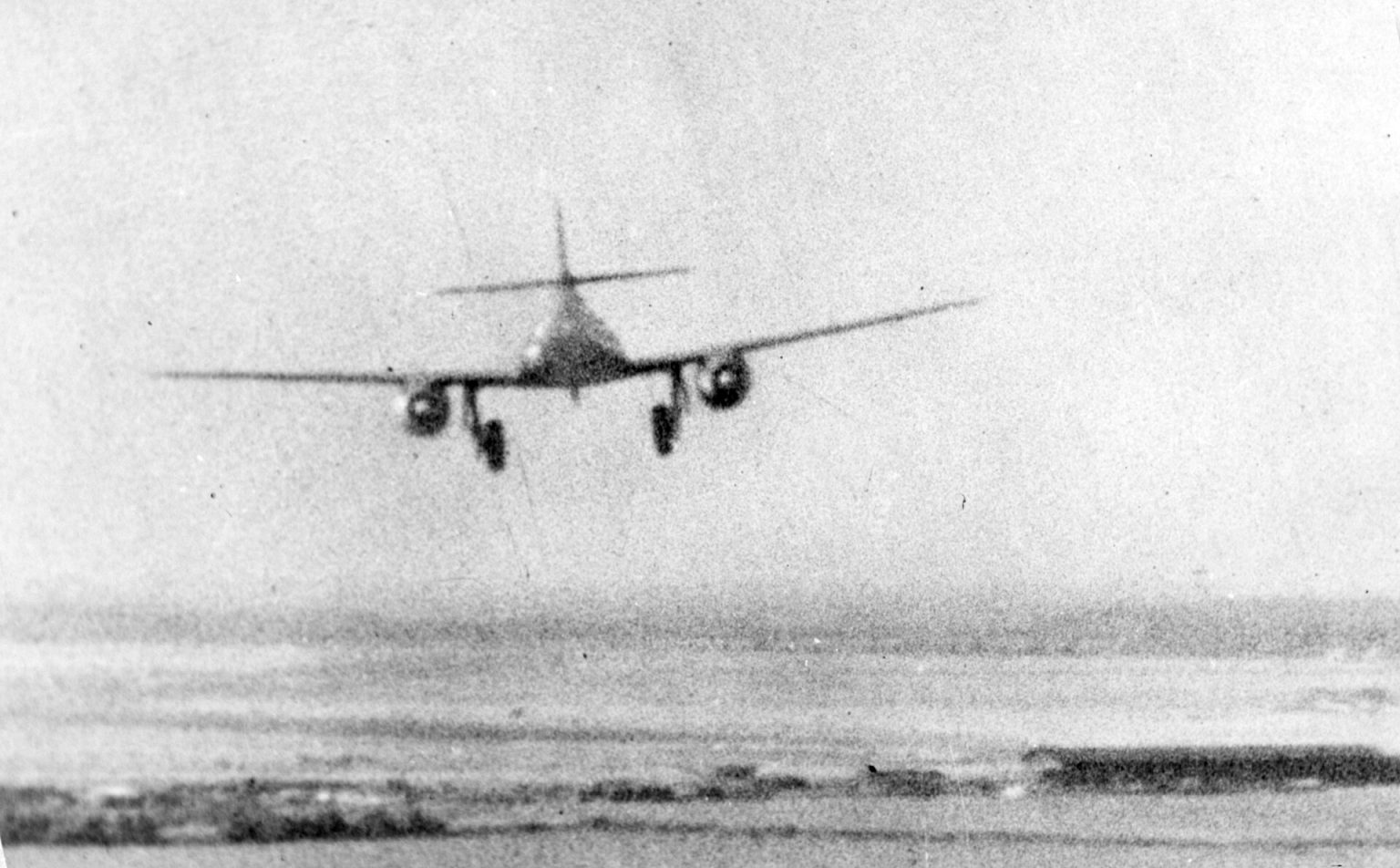
The other correction is tactical, and the Allies found it quickly. The Me 262 was extremely vulnerable during takeoff and landing. It needed a long run, it was slow and heavy at both ends of the sortie, and its engines could not be opened up quickly — a firewalled throttle risked a flameout or a turbine fire, so there was no sudden escape available. Allied fighter groups therefore stopped chasing jets and started patrolling their airfields, which were few, long-runwayed and easy to find. The Luftwaffe answered with flak corridors along the approaches and dedicated Fw 190 D-9 airfield-protection flights covering the circuit, and a substantial share of all Me 262 losses still happened within a few kilometres of home. The aircraft that could not be caught in the air was routinely killed on the way in.
- Me 262 A-1a Schwalbe
- The standard single-seat day fighter and the great majority of production. Four 30 mm MK 108, later commonly with 24 R4M rockets. Sub-variants included the A-1a/U4 with a 50 mm cannon in the nose and various multi-gun conversions, all in single figures or close to it.
- Me 262 A-2a Sturmvogel
- The fighter-bomber, two racks for 250 kg bombs, typically with reduced gun armament. A few hundred were built and flown chiefly by KG 51 from mid-1944. Militarily it achieved very little, and it is the version at the centre of the bomber-order argument.
- Me 262 A-1a/U3
- The photo-reconnaissance conversion with two cameras in a bulged nose and the guns usually removed. Built and converted in small numbers, a few dozen at most, and by a clear margin the most effective use the type was put to.
- Me 262 B-1a
- The two-seat conversion trainer, roughly fifteen built. Badly needed and provided far too late, which is a serious criticism of the programme: pilots were converting onto the fastest and least forgiving aircraft in the world largely by being talked through it on the ground.
- Me 262 B-1a/U1
- The two-seat night fighter, on the order of a dozen aircraft, with FuG 218 Neptun radar and nose aerial arrays. Flown by 10./NJG 11 over Berlin against RAF Mosquitoes in the final months. Technically important, operationally marginal.
- Avia S-92 and CS-92 (post-war, Czechoslovak-built)
- Clearly labelled as not a wartime aircraft: after the war Avia completed airframes and engines from captured Czech production tooling, flying the first S-92 on 27 August 1946. About nine single-seat S-92 and three two-seat CS-92 were built, serving the Czechoslovak air force until around 1951 as the first jets in that country's service. Two survive in Prague.
- Modern reproductions (new-build, not original aircraft)
- Also clearly labelled: five new airframes were built in the United States from the late 1990s, using original drawings and a surviving B-1a as a pattern, and flown from December 2002. They are powered by General Electric J85 turbojets inside Jumo-shaped nacelles, with modern systems, and are designated A-1c and B-1c to mark the difference. They fly, they look right, and they are new aircraft rather than restored ones.
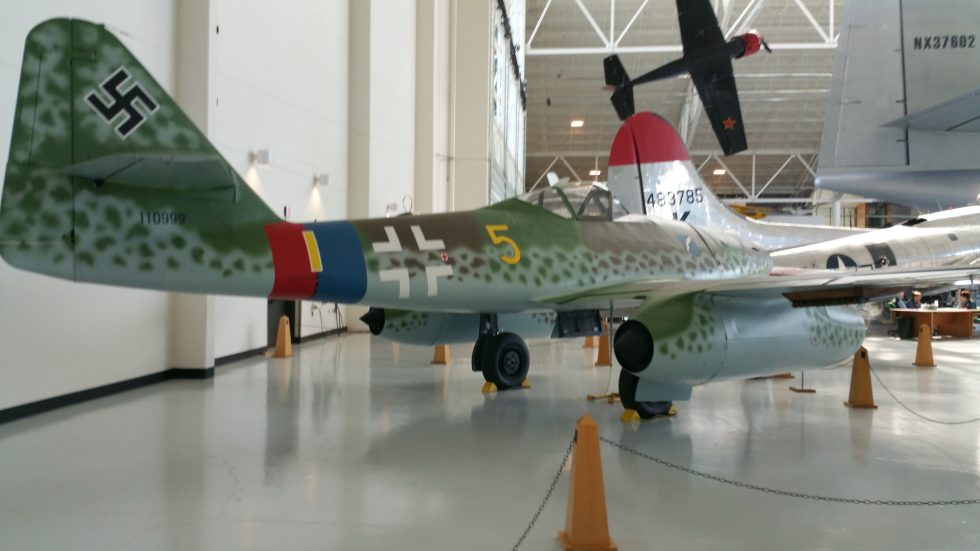
Fewer than ten original Me 262 airframes survive anywhere in the world, and every one of them is a static museum aircraft. Survivors include examples at the Smithsonian National Air and Space Museum, the Deutsches Museum in Munich, the Royal Air Force Museum at Cosford, the National Museum of the United States Air Force, the Australian War Memorial and the South African National Museum of Military History in Johannesburg, which holds one of the very few night fighters. Nothing original flies, and nothing original is likely to. The Me 262s seen at airshows today are the modern American-built reproductions with General Electric J85 engines described above — genuinely impressive machines, and not original airframes. Museum holdings, ownership and display status change, so treat any specific list as a snapshot.
From project study to postwar copy
Project study begins
Messerschmitt begins design study for a jet-powered fighter, with a team led by Woldemar Voigt.
First prototype flight
The first prototype flies under piston power, using a nose-mounted Jumo 210G, while its turbojets are still in development.
First flight on jet power
Fritz Wendel makes the first flight on jet power alone, with two Junkers Jumo 004 turbojets.
Development amid delays
Work continues amid engine problems and debate over whether the aircraft should be a fighter or a fast bomber.
Enters service
The Me 262 enters Luftwaffe service; the test unit Erprobungskommando 262 scores the type’s first aerial victories.
Caught on final approach
USAAF pilot Chuck Yeager reports downing an Me 262 on its landing approach — an early example of the jet’s low-speed vulnerability.
JV 44 formed
Jagdverband 44 is formed under Adolf Galland, gathering experienced pilots; R4M rockets are used against bomber formations.
War in Europe ends
Hundreds of Me 262s are captured or abandoned; the Allies begin detailed evaluation of the airframe and engines.
Avia S-92 flies
The Czechoslovak Avia S-92 — a postwar continuation of Me 262 production from leftover parts — makes its first flight.
Twelve stories from the first jet age
The first jet in a dogfight
A generation ahead of its time.
Read the full story
The bomber that shouldn’t have been
A fighter forced into another job.
Read the full story
The 25-hour engines
Revolutionary, and fragile.
Read the full story
JV 44: the squadron of experts
An elite gathered too late.
Read the full story
R4M: breaking the bomber box
A preview of air-to-air rocketry.
Read the full story
Caught on final
Fast in the air, exposed near the ground.
Read the full story
The jet everyone wanted to study
A war prize for both sides.
Read the full story
Avia S-92: built after the war
A jet reborn in Czechoslovakia.
Read the full story
The Stormbirds fly again
Modern-build Me 262s in the air.
Read the full story
The ones that lasted
From battlefield to museum hall.
Read the full story
Swept for balance, famous for sweep
An accidental icon.
Read the full story
1,400 built, a handful in combat
Mass production that never mattered.
Read the full story
The Me 262 in pictures
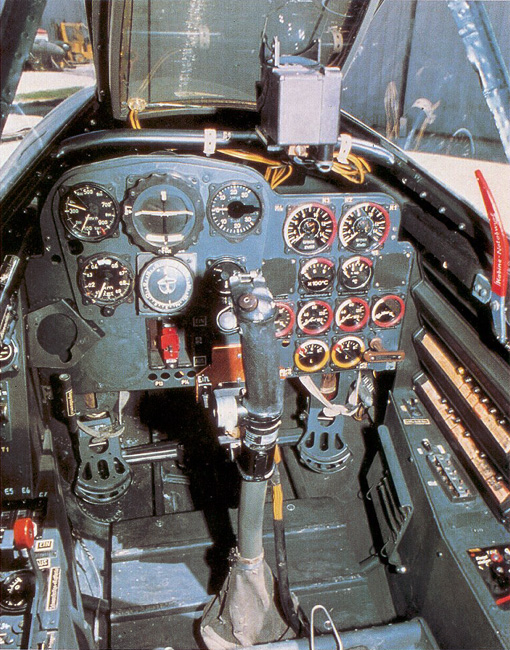
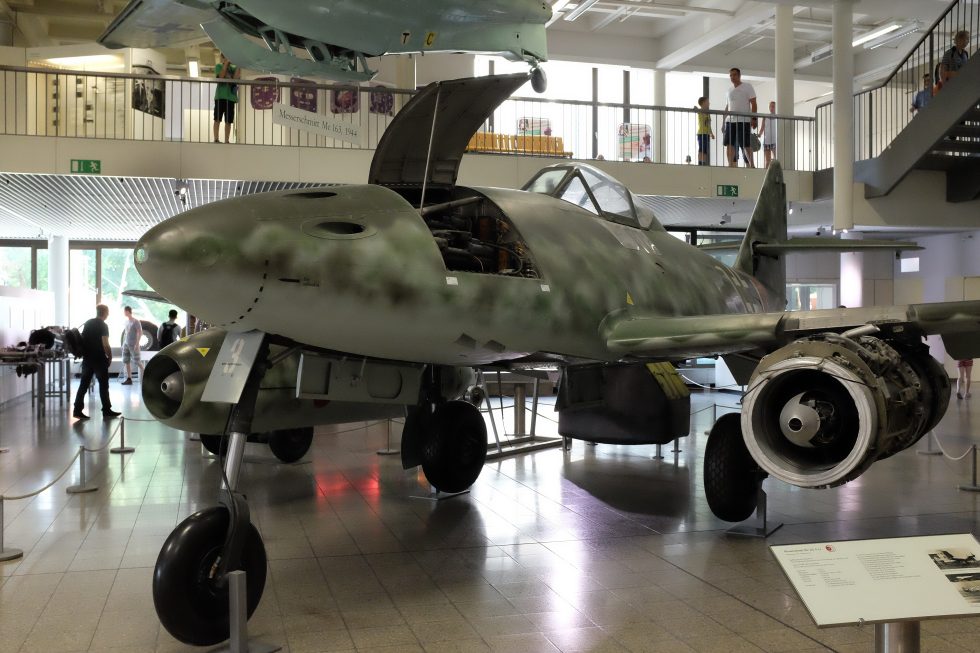
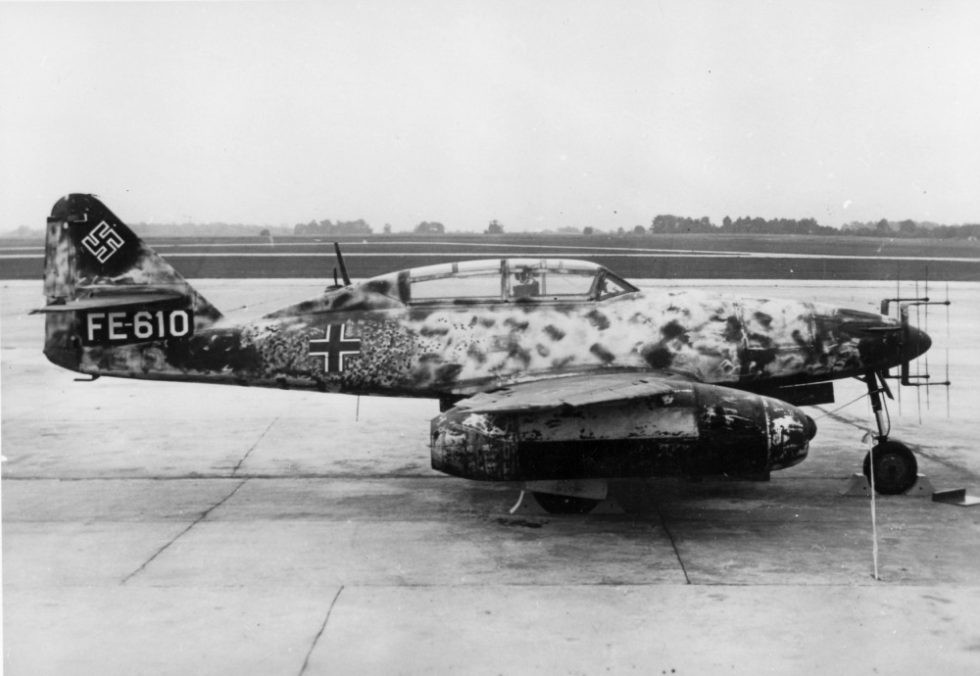
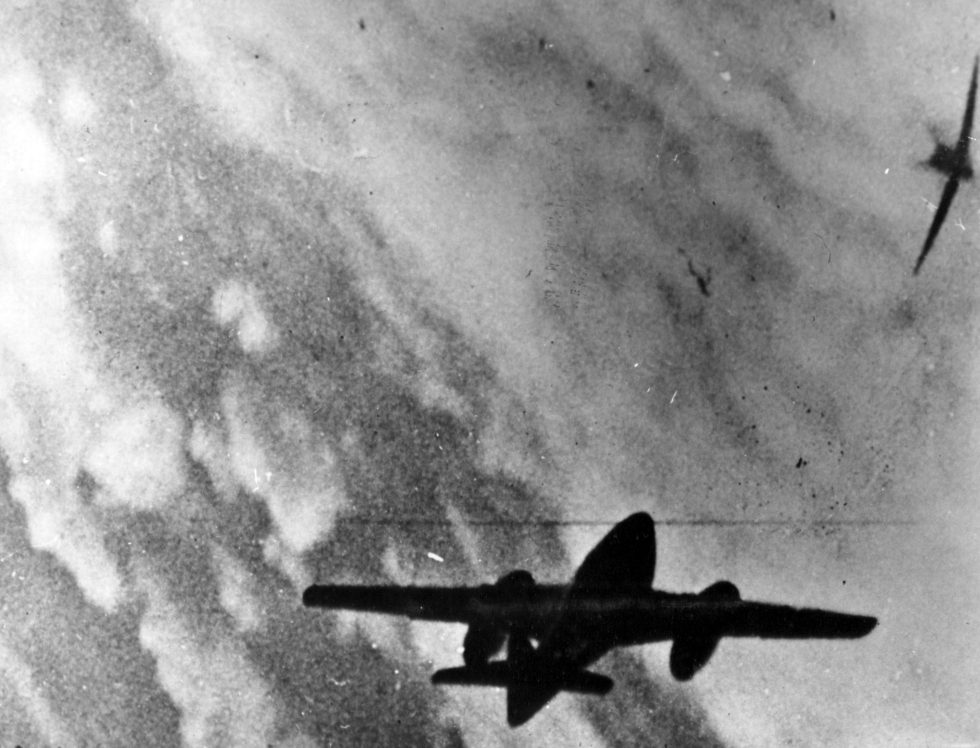
The Me 262 in motion
A documentary segment on the first operational jet fighter will be added here.
The Me 262 in motion
DroneScapes — one of the most-watched Me 262 films on YouTube.
Where the Me 262 flew
A contested combat record
The Me 262 operated chiefly as a bomber-destroyer over Germany from mid-1944 into 1945. Overall claims for the type run to more than 500 Allied aircraft destroyed for on the order of 100 Me 262s lost in air combat — but these figures are contested and vary widely between sources, and wartime claims in general were often overstated. They should be read as disputed claims, not verified records.
The jet’s key tactical weakness was its vulnerability at low speed — on takeoff, in the landing pattern and while climbing away it could be caught by patrolling Allied escorts. Compare the combat record of every military aircraft. Figures as of July 2026.
Everything people ask about the Me 262
Can I fly in a Me 262?
How fast was the Me 262?
Was it really the first jet fighter?
How did it compare to the P-51 Mustang?
How many were built?
Why did so few fight if 1,400 were built?
Are any still flyable?
You can’t fly the Me 262.
These, you can.
Some legends only live in museums — others are fuelled and waiting. MiGFlug has put civilians in real military jet cockpits since 2004.
 Fly the L-39 AlbatrosThe world’s most-flown jet trainer — aerobatics included
 Fly the F-104 Starfighter“The missile with a man in it”
 Fly the MiG-21The Cold War’s most-produced jet
 Fly the T-33 Shooting StarAmerica’s first jet trainer
 Fly the DH VampireA piece of early jet history
 Fly the S.211Agile Italian jet trainer
 Fly the MB-326The classic Aermacchi jet
 Fly the MiG-15The Soviet legend of the Korean War
Continue the tour
Every fact, checked
- Smithsonian National Air and Space MuseumMe 262 A-1a Schwalbe — collection record and history.
- Naval History and Heritage Command (US Navy)Me 262 overview and technical background.
- MilitaryFactorySpecifications and variant summary for the Schwalbe / Sturmvogel.
- Osprey Publishing blogThe Me 262 and the R4M air-to-air rocket.
- The Chuck Yeager FoundationThe 1944 Me 262 shootdown on final approach.
- autoevolutionThe postwar Czechoslovak Avia S-92 continuation.
- Warbirds NewsModern-build Me 262 replicas (the Me 262 Project).
- Military Aviation Museum“Stormbird Resurrection” — an Me 262 restored to fly.