
Aviation World, History & Legends
On the evening of 27 May 1919, a lumbering four-engine flying boat descended through the Atlantic haze and touched down on the Tagus Estuary outside Lisbon, Portugal. Its hull was salt-stained. Its crew of six had not slept properly in two days. And with that...

History & Legends, Military Aviation
The aircraft was 6.07 metres long. It carried a 1,200-kilogram warhead in its nose. The cockpit held only rudimentary instruments — an airspeed indicator, an altimeter, an attitude indicator — and the controls to fire three solid-fuel rocket motors. There was no...
History & Legends, Military Aviation
On 27 September 1956, Captain Mel Apt of the US Air Force became the first human being to fly faster than three times the speed of sound. He was at 65,000 feet over Edwards Air Force Base, in California, dropped from beneath a Boeing B-50 Superfortress mothership,...
History & Legends, Military Aviation
You know what a B-17 looks like. Four radial engines. The towering tail fin. Glass nose. Heavy-bomber Americana, stamped onto a thousand black-and-white photographs of the daylight raids over Germany. Now picture one with a fifth engine bolted to its nose — a giant...
History & Legends, Military Aviation
Three were built. Three flew. One crashed. Two went into storage. None ever entered service. The Lockheed YF-12 is one of those aircraft that should have rewritten the book on continental air defence and instead became a footnote — overshadowed by the SR-71 Blackbird...
History & Legends, Military Aviation
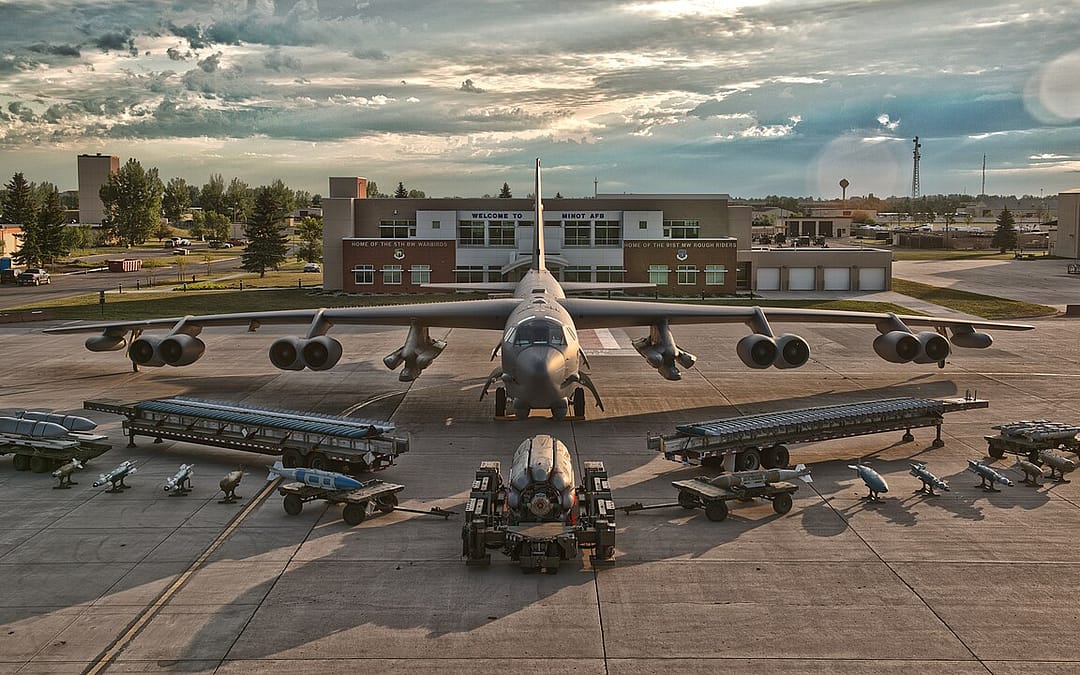
On 10 January 1964, a B-52H Stratofortress flown by a Boeing test crew on a structural test flight near East Spanish Peak in southern Colorado when it flew into the worst clear-air turbulence anyone aboard had ever experienced. There was no warning, no cloud cover, no...
History & Legends, Military Aviation
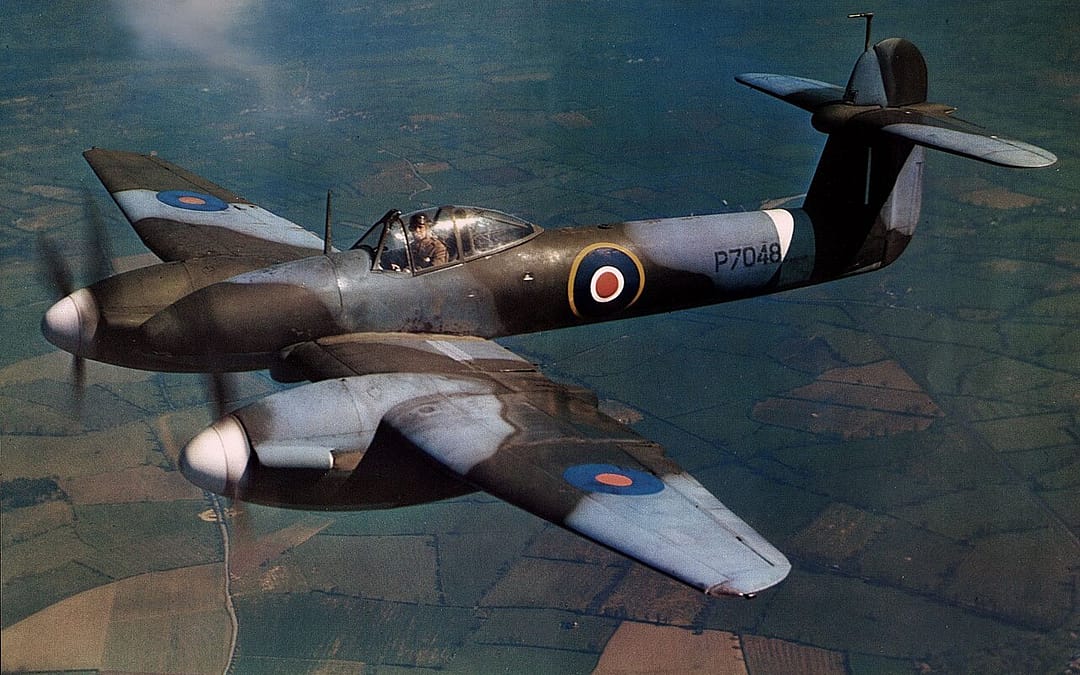
It was the fastest fighter at low level in the Royal Air Force inventory, faster than the Spitfire below 15,000 feet. It carried four 20mm cannons in its nose — twice the firepower of any other British fighter. It first flew in October 1938 and entered service in...
History & Legends, Military Aviation
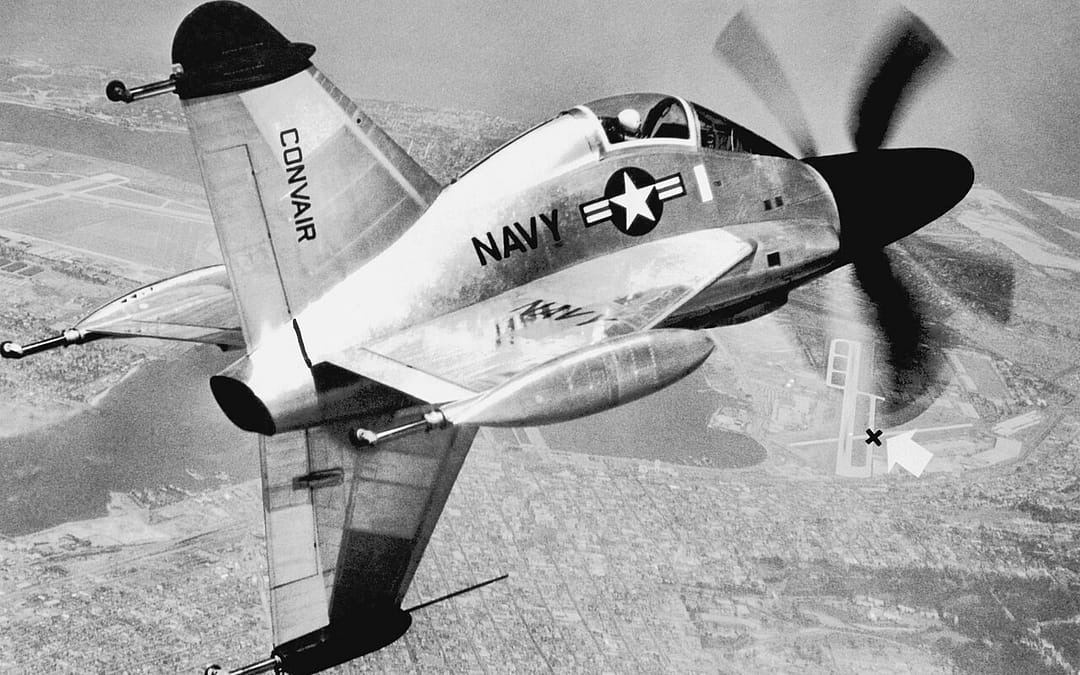
The aircraft sits on its tail in the hangar. The pilot climbs a ladder, then climbs another, until he is sitting almost flat on his back, looking straight up at the hangar ceiling. He starts the twin-section Allison turboprop driving its 16-foot contra-rotating...
History & Legends, Military Aviation
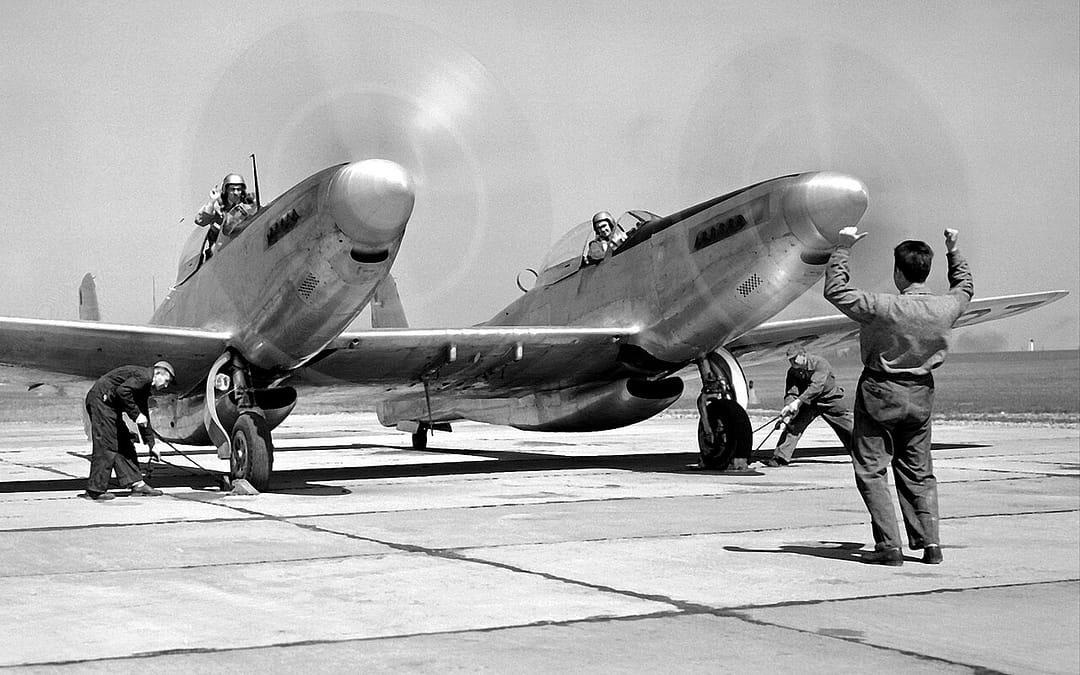
Glue two P-51 Mustangs together along the wing. Share a tailplane between them. Put the radio operator’s seat in the right fuselage. Tell the pilot in the left fuselage to fly the aircraft. The result is the F-82 Twin Mustang — the longest-range piston fighter...





Recent Comments